FiddlLink
FiddlLink
FiddlLink
Explore our top-tier catalog of magnetic modular jacks, SFP+ cages, and optical transceivers engineered to support robust signal integrity in harsh enterprise environments.
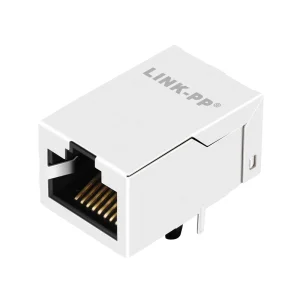
In the contemporary digital landscape, the exponential growth of edge computing, high-density server deployments, and internet of things (IoT) infrastructure has altered the mechanical and electrical specifications required for board-level network terminations. The standard registered jack 45 (RJ45), originally standardized under FCC regulations, has undergone substantial physical transformations. Today’s Compact RJ45 Connectors are designed to optimize space, minimize electromagnetic interference (EMI), and deliver high bandwidth capabilities directly to complex printed circuit boards (PCBs).
From an international industrial standpoint, these connectors serve as critical physical layers (PHY) interfacing in rugged automation platforms, cellular base stations, smart grids, and transport systems. Emerging markets in North America, Western Europe, and the Asia-Pacific region are seeing an upgrade cycle targeting Multi-Gigabit Ethernet (2.5GBASE-T, 5GBASE-T, and 10GBASE-T). Ensuring stable contacts at these higher data rates requires suppliers to prioritize materials like premium copper alloys with heavy gold plating, precise internal wire mapping, and integrated magnetics to filter high-frequency noise.
The roadmap of high-density physical interfaces points toward integration, miniaturization, and enhanced power handling. Discover the milestones that define the trajectory of our product development.
Transitioning from standard Fast Ethernet to 2.5G/5G and 10G copper connections. Development focus resides on incorporating Power over Ethernet (PoE+ and PoE++ up to 90W/100W under IEEE 802.3bt standards) without causing thermal overload in localized, compact jack designs.
Utilizing advanced press-fit technology, Through-Hole reflow solderable structural materials, and sophisticated outer metal shells (nickel-plated brass or copper alloys) to block high-frequency radiation. Multi-port (stacked 2xN and ganged 1xN configurations) layouts maximize dense data center switch configurations.
Convergence of copper physical interfaces and optical fiber transceivers. Hybrid systems featuring integrated SFP+ cages and direct-attach copper interfaces allow networks to seamlessly adapt to fluctuating operational distances and bandwidth mandates without hardware overhaul.
Founded in 2016, FiddlLink has risen to become a premier designer, manufacturer, and global exporter of robust optical transceiver modules, cages, and high-performance connector blocks. With our state-of-the-art facilities and a customer-centric philosophy, we turn complex connectivity issues into reliable realities.
Our manufacturing facility spans over 380 square meters, optimized specifically for high-precision components, fiber alignment, and rigorous quality verification. Operating with 42 highly specialized quality control inspectors, we conduct rigorous reviews throughout the production run: from incoming materials testing to optical parameters analysis and environmental chamber stress simulation. FiddlLink is committed to providing premium OEM/ODM services, including customized PCB wire mapping, customized logo prints, firmware configuration, and compatibility testing for legacy and next-generation switches.
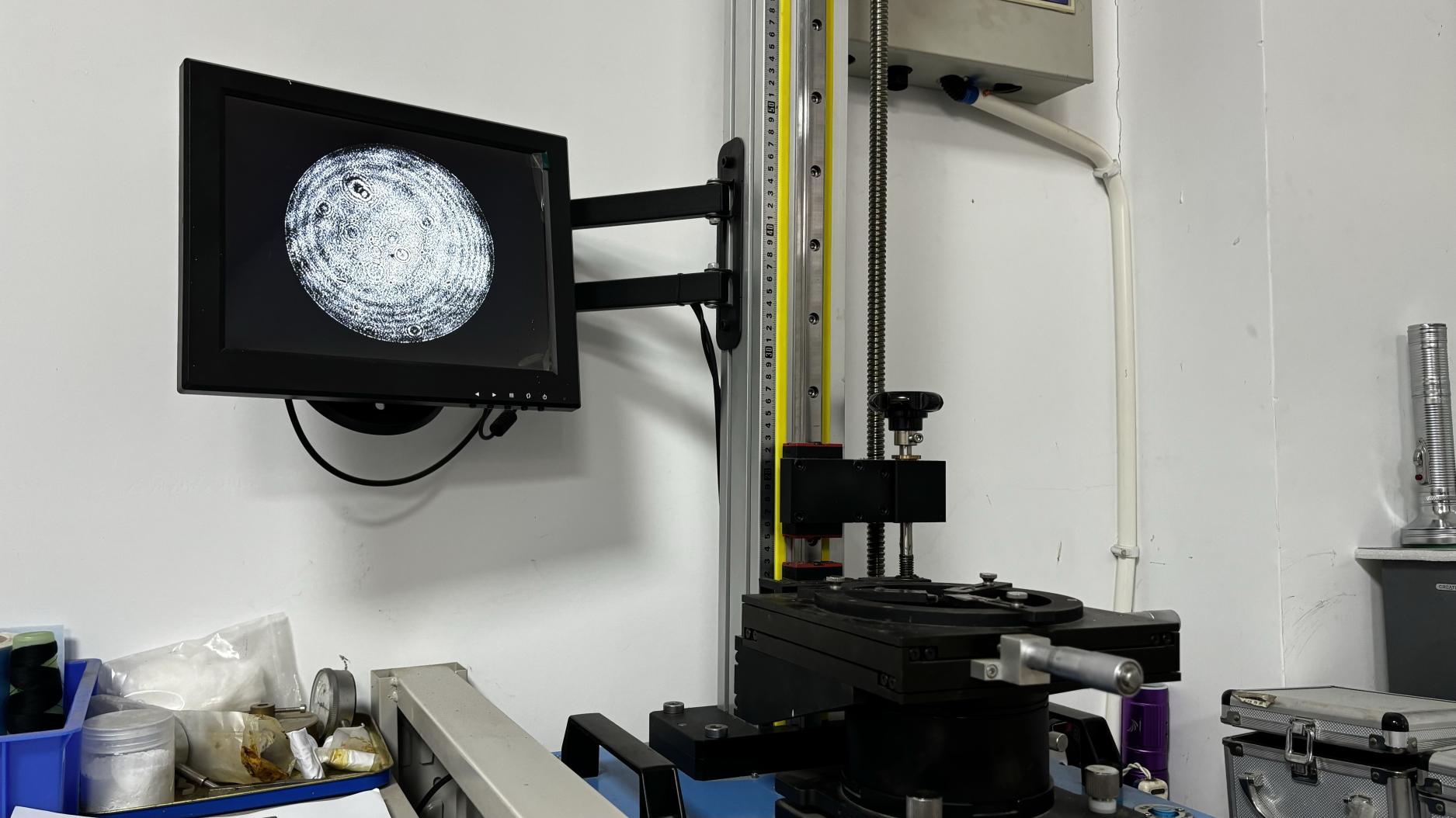
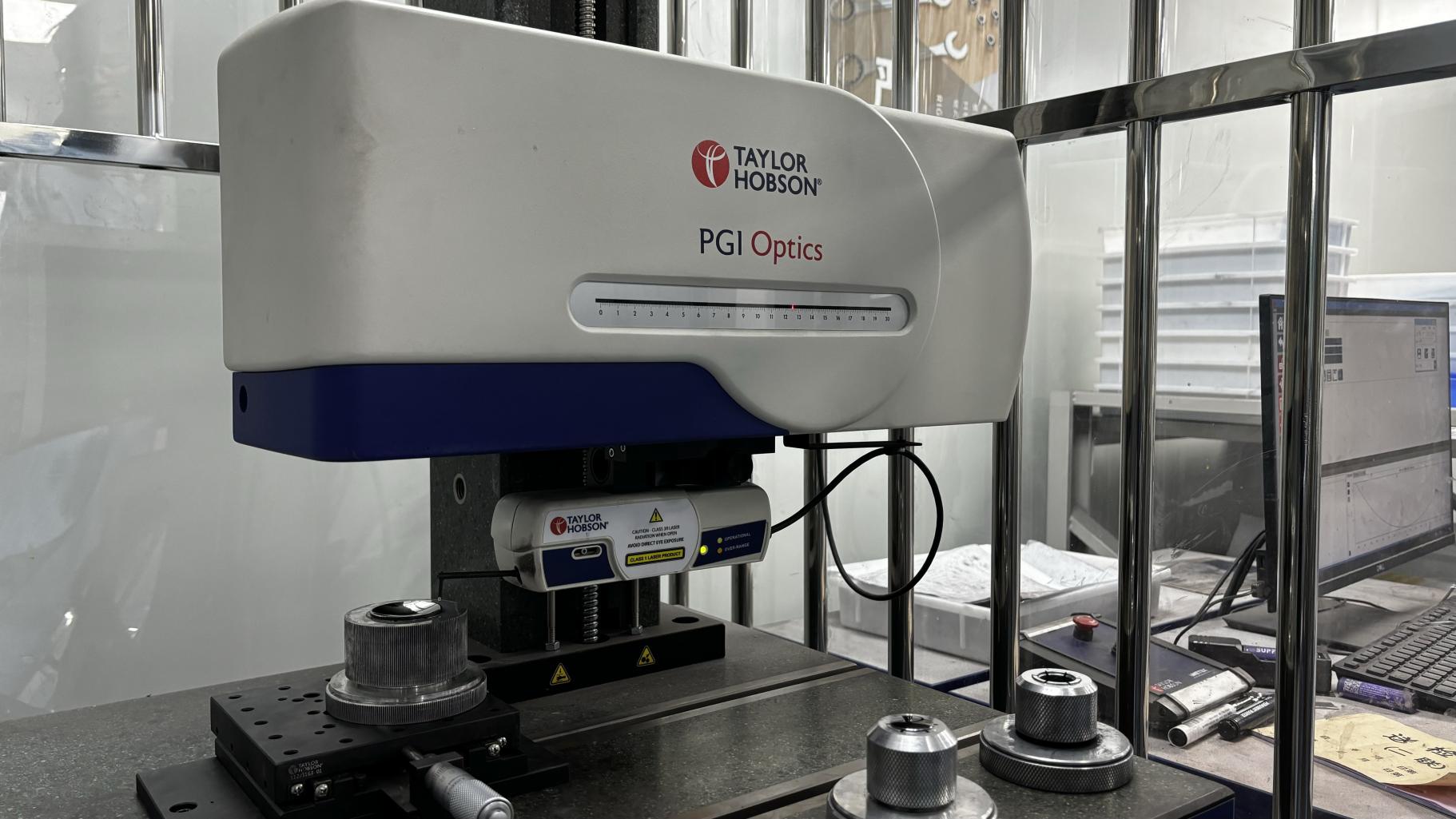
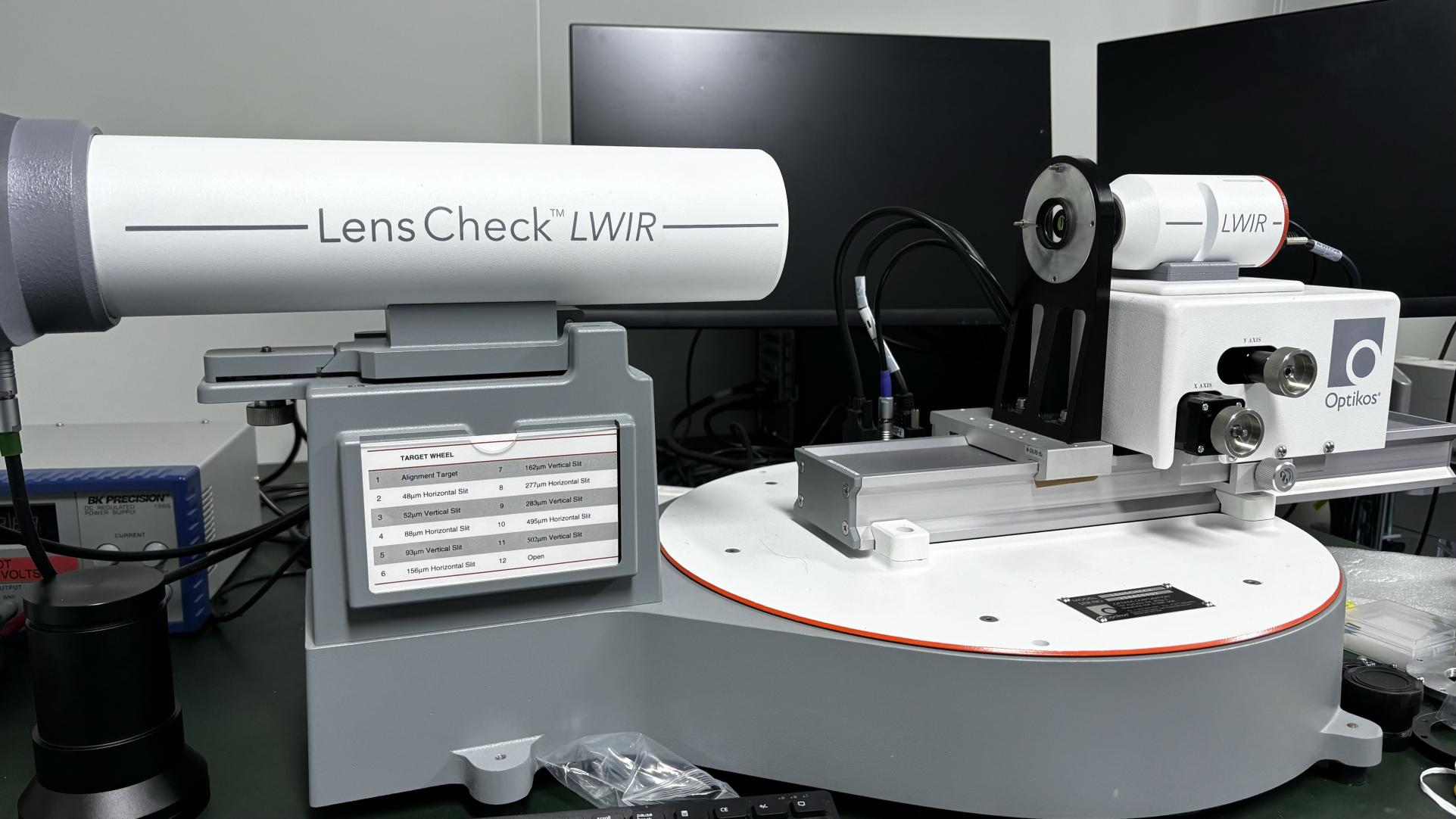
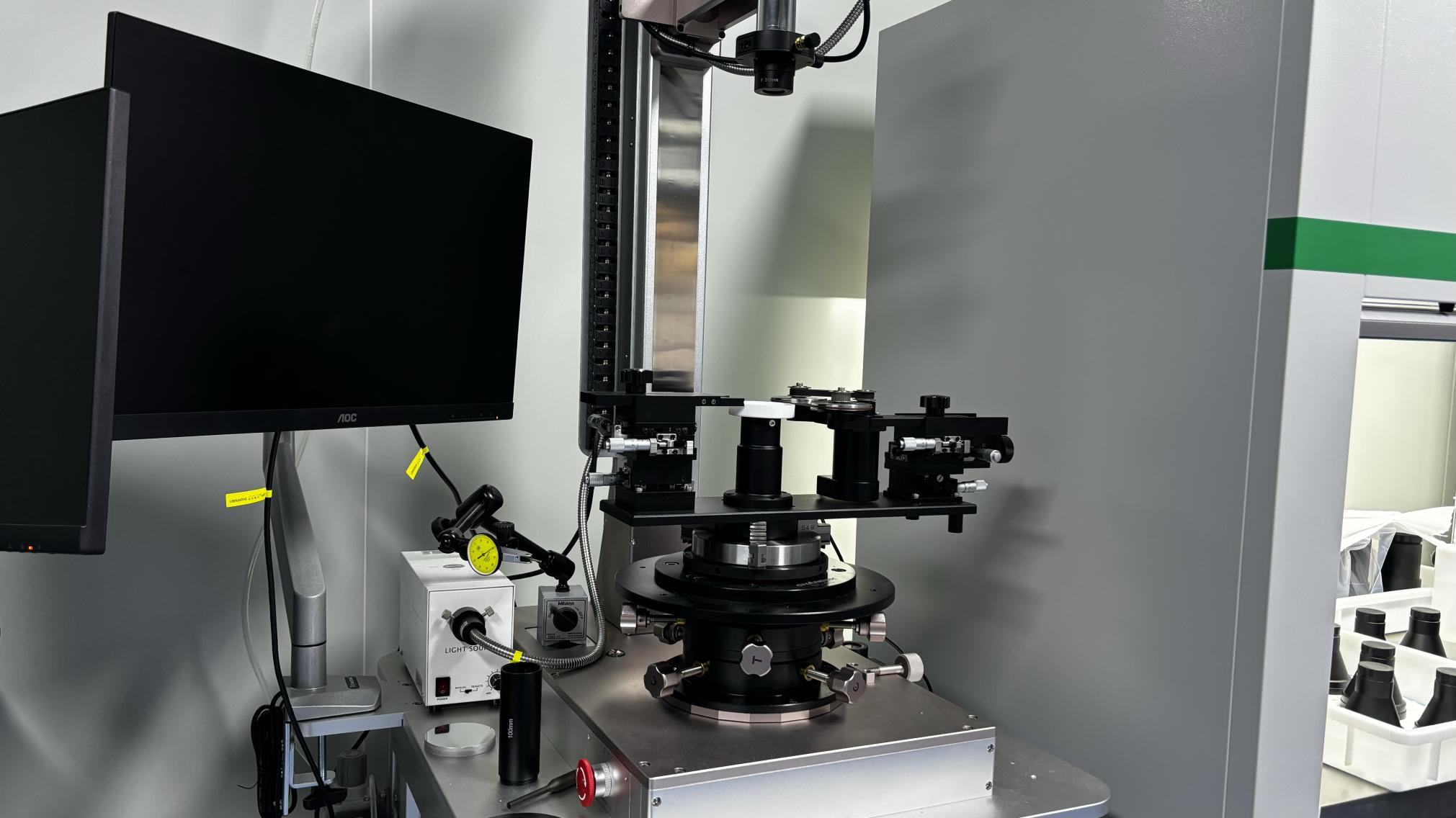
Take a look inside FiddlLink's production line, showcasing our optical processing, advanced coating, and high-fidelity measurement equipment.


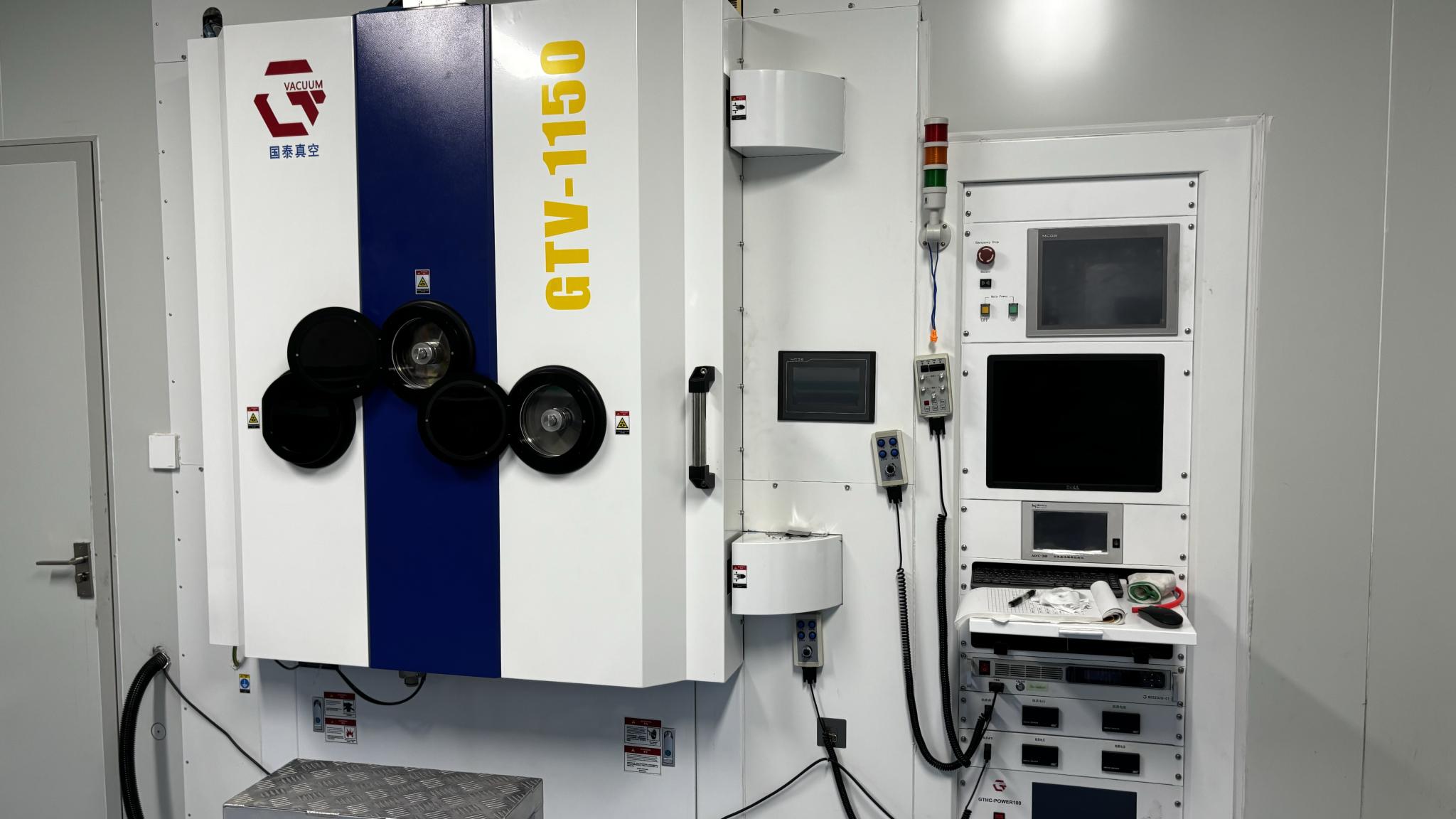
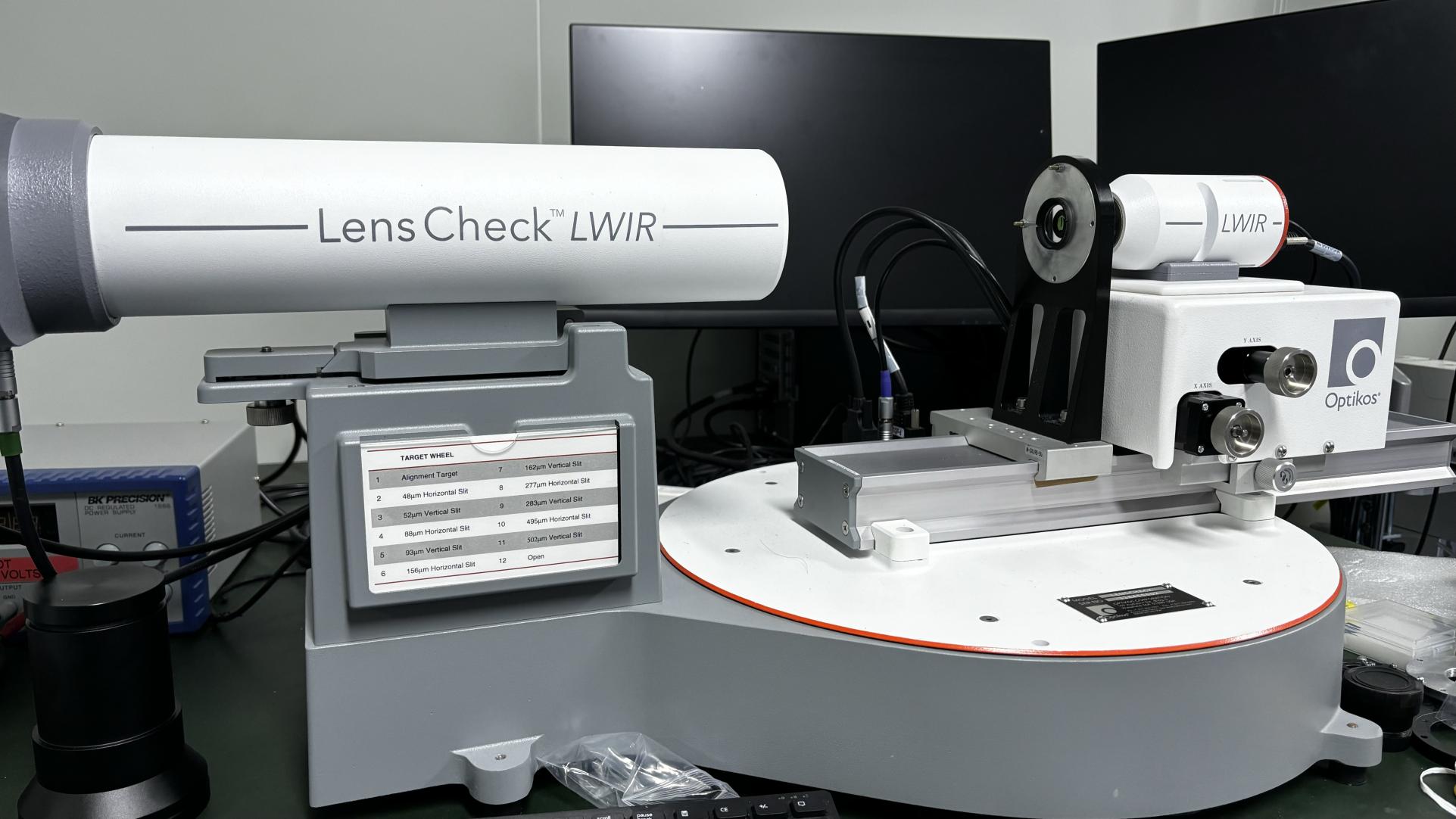
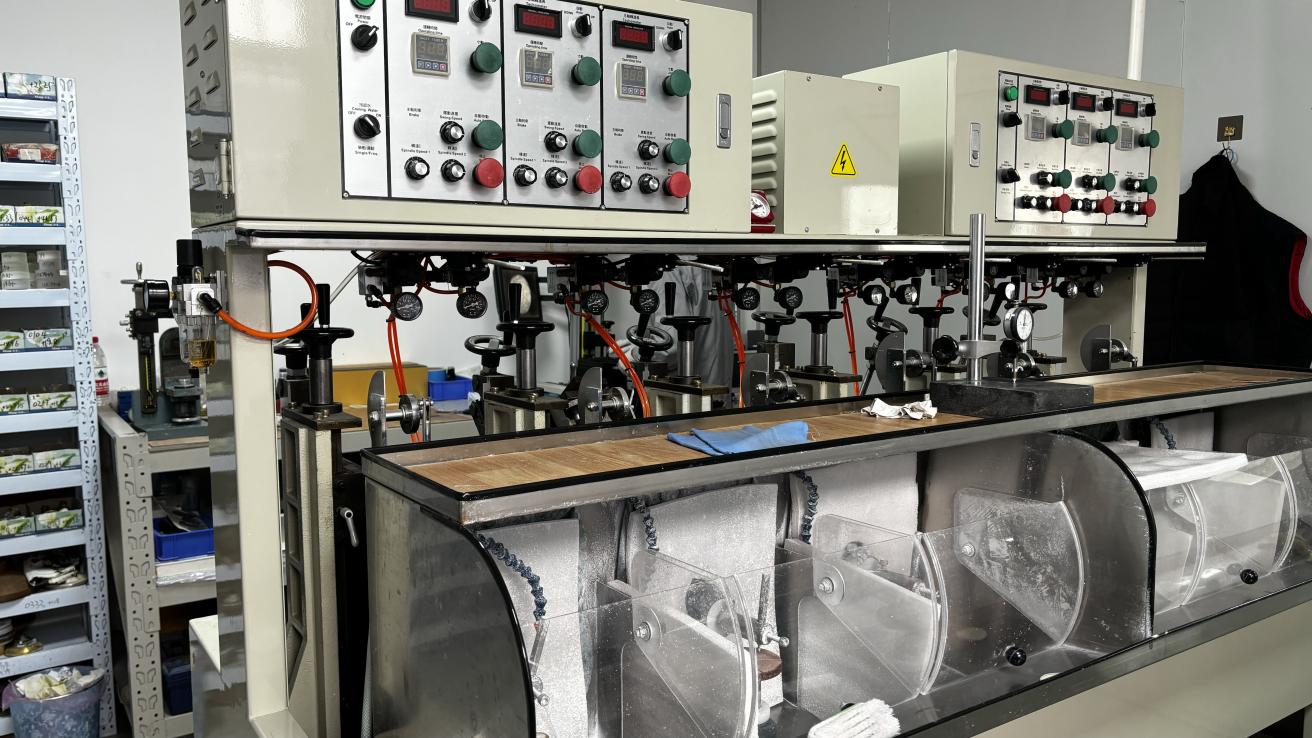
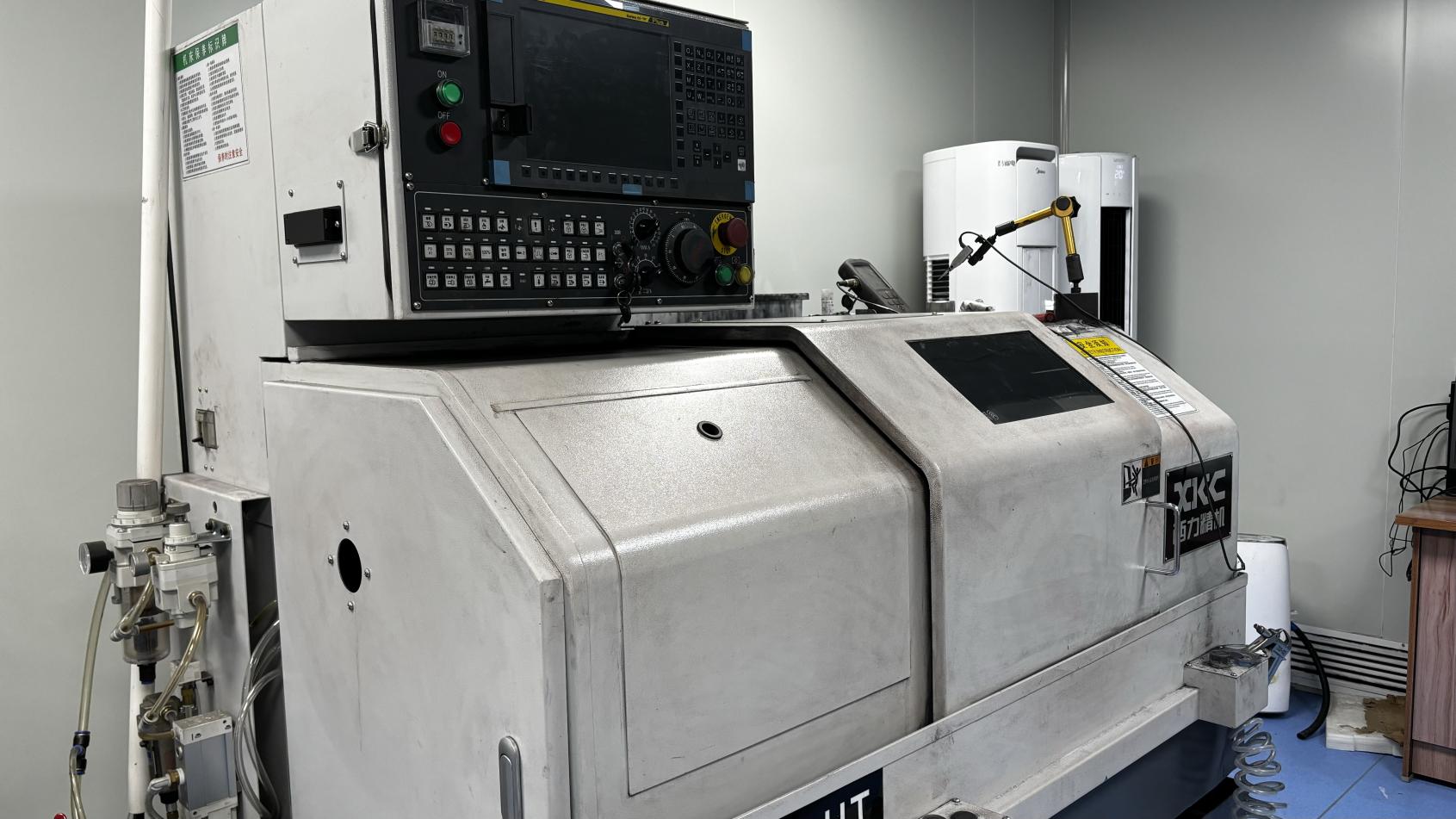
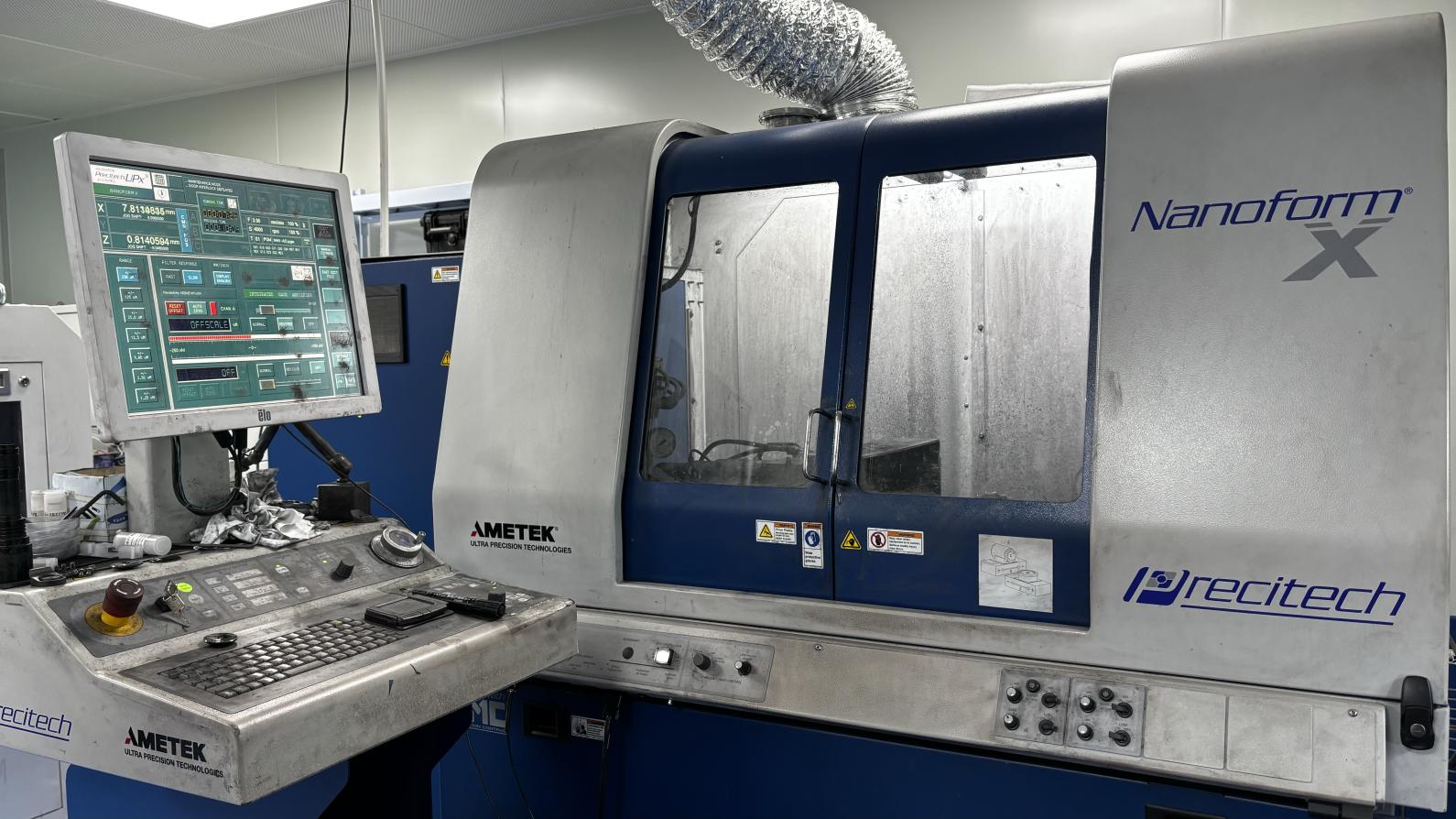
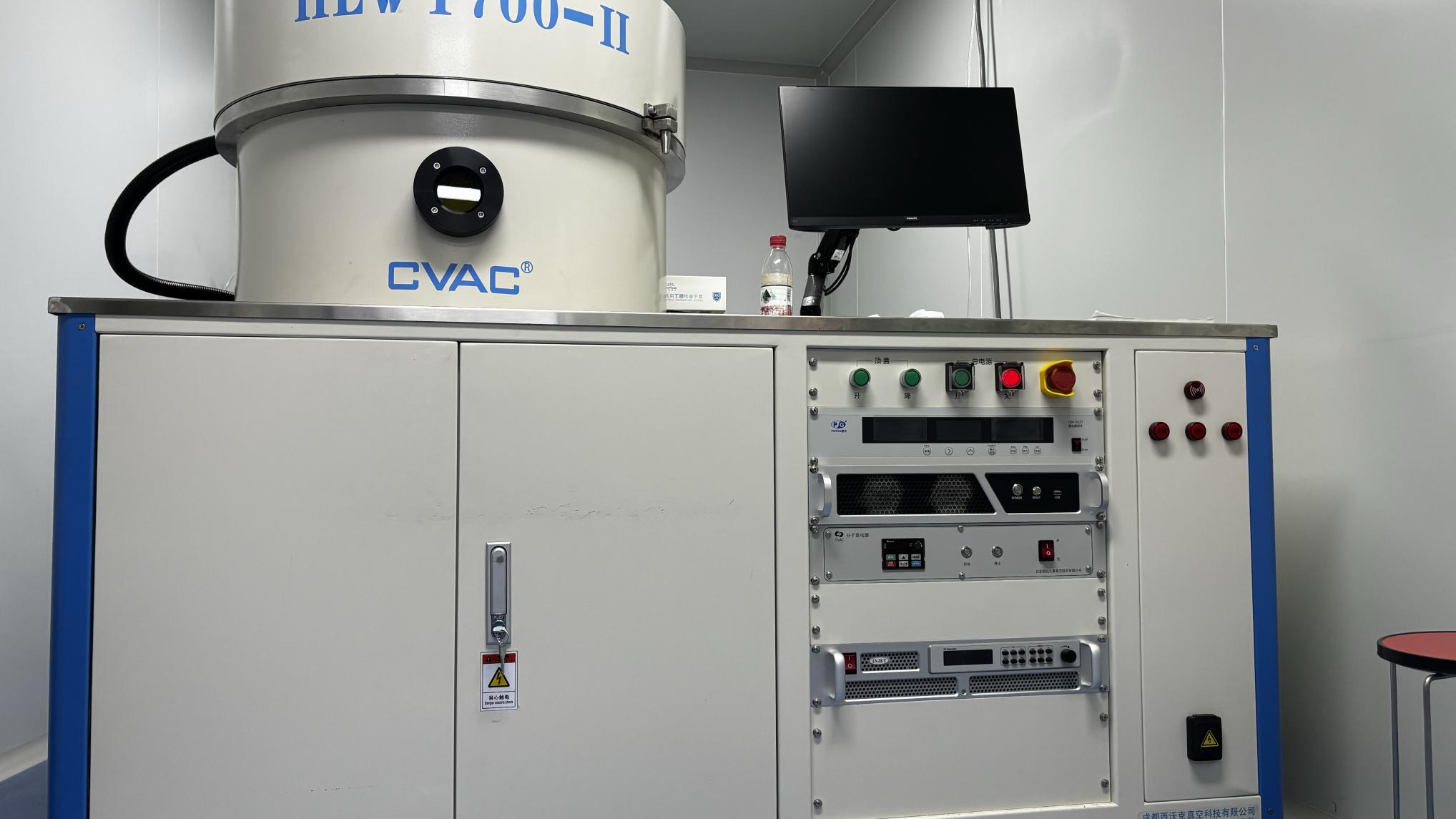
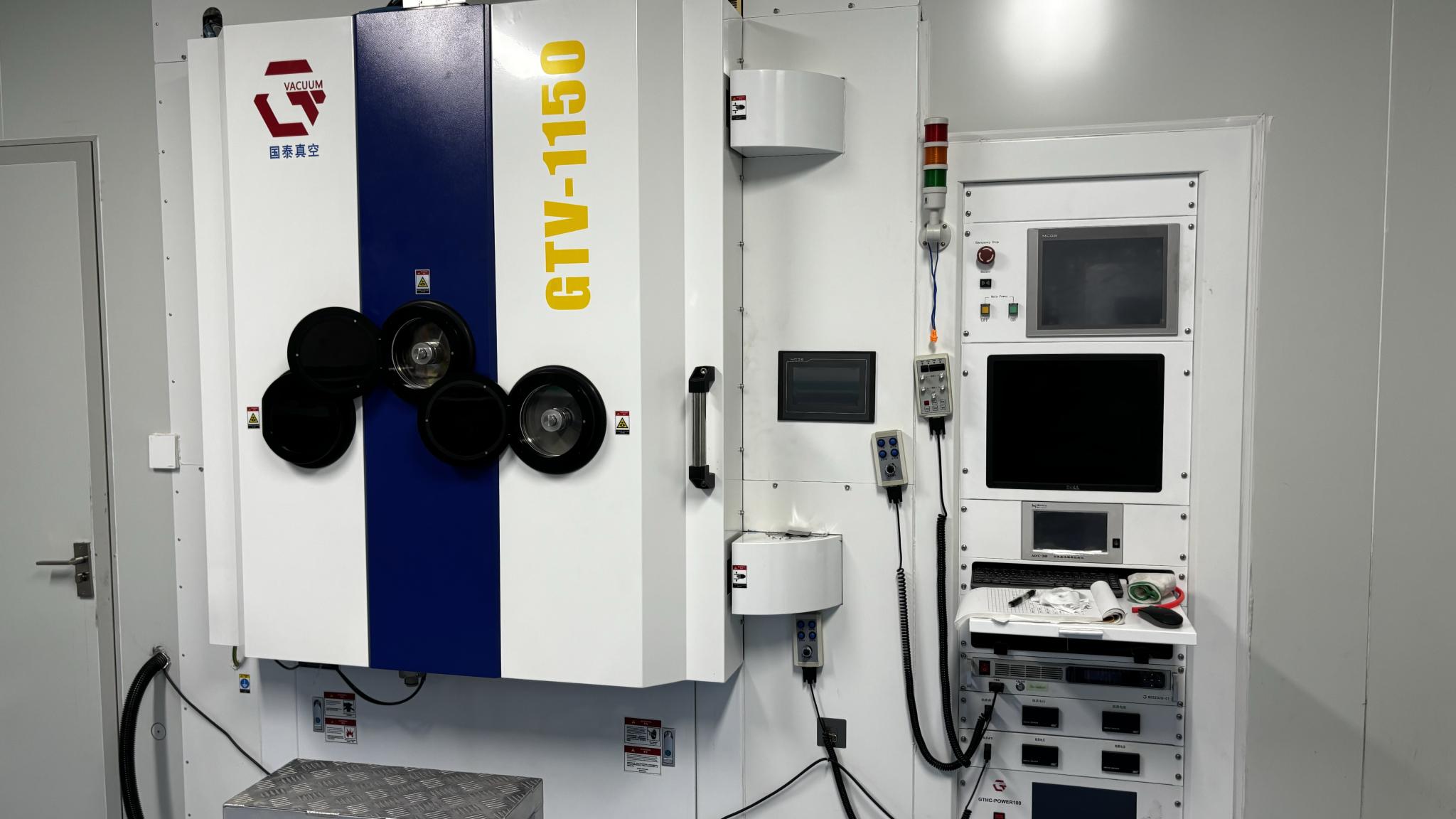

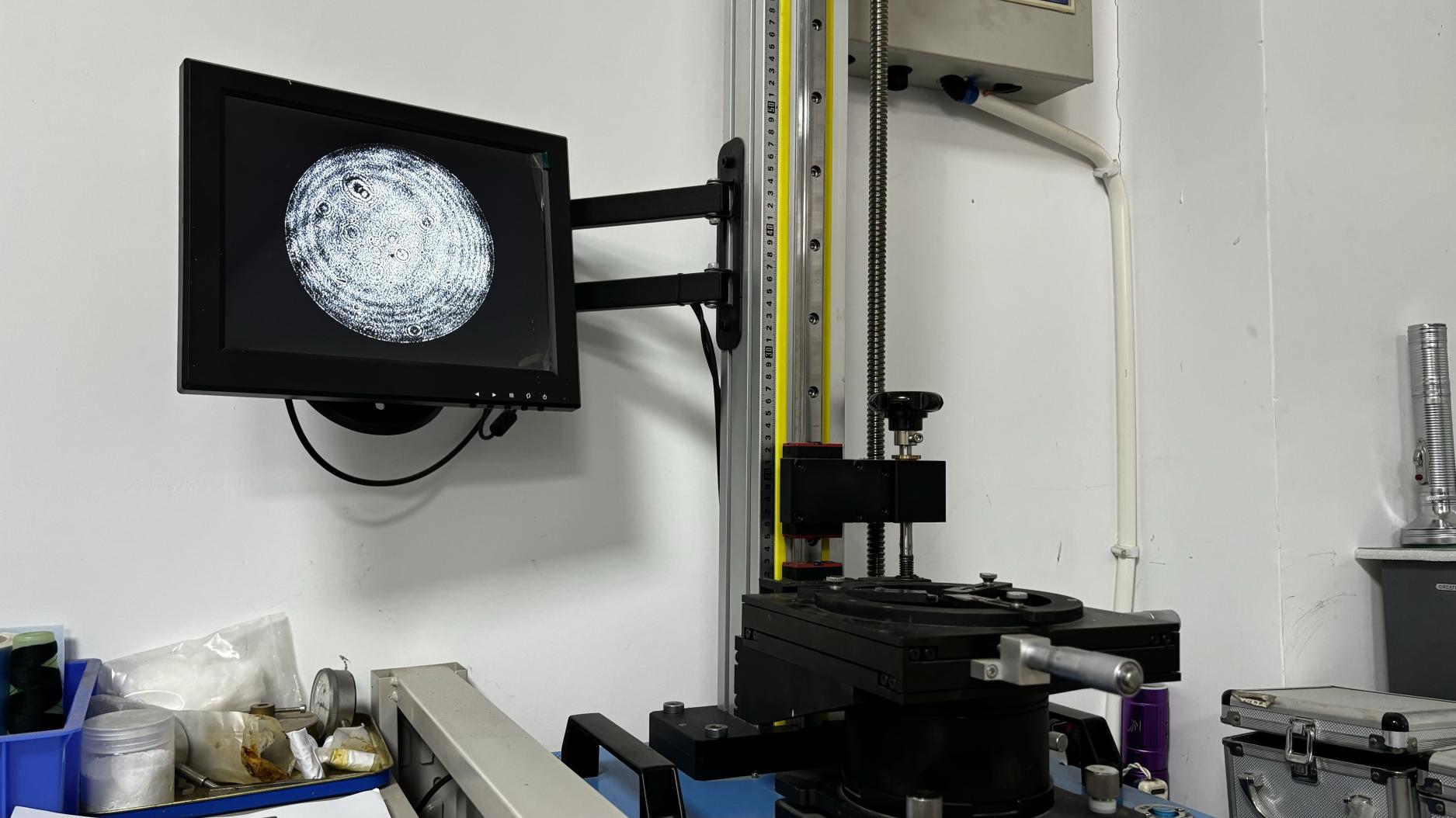

As networks expand, integrating copper-based RJ45 lines with high-speed fiber-optic backbones is a primary engineering objective. FiddlLink offers end-to-end setups optimized for modern environments:
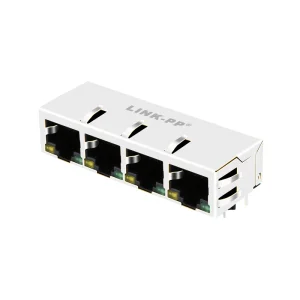
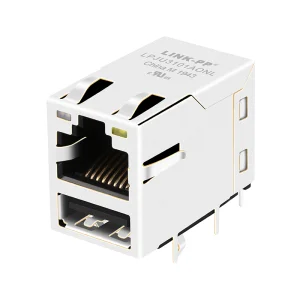
Optimized multi-port RJ45 connectors stacked with integrated SFP+ press-fit cages. Provides reliable 10G/25G copper interfaces and fast fiber uplinks on standard 1U server frames.
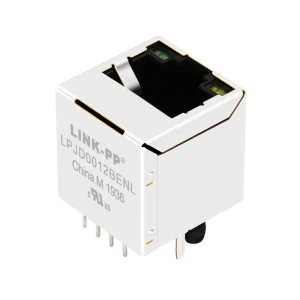
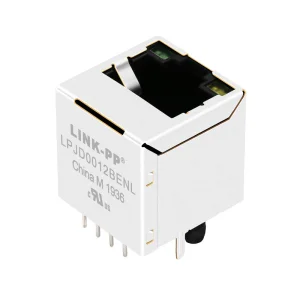
Fully-shielded, magnetic top-entry RJ45 jacks with built-in status LEDs. Engineered to operate under extreme vibration, temperature fluctuations, and electromagnetic noise.
Active SFP transceiver modules, copper patch panels, and terminal jacks customized to minimize link insertion losses and deliver high transmission speeds over long distances.
Get expert insights into the design, electrical properties, and industrial standards of RJ45 modular jacks and transceiver systems.
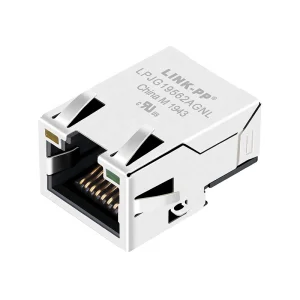
Modular jacks *with* internal magnetics (commonly referred to as MagJacks) incorporate magnetic cores (transformers/chokes) inside the connector housing. These elements isolate signals, prevent DC bias offset, and filter out common-mode electromagnetic noise before it reaches the PHY chip. Jacks *without* magnetics rely entirely on the motherboard’s discrete magnetic components. In space-restricted applications, MagJacks are preferred because they conserve board space and reduce the PCB footprint.
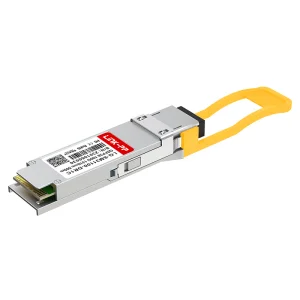
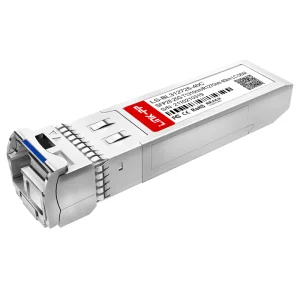
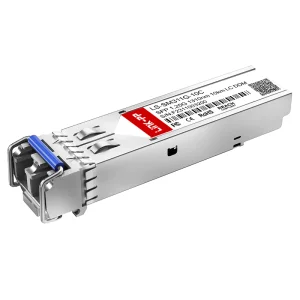
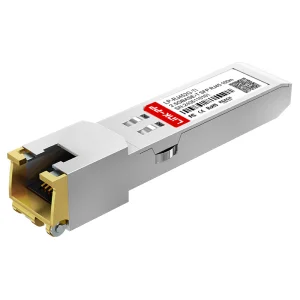
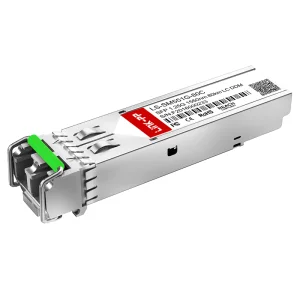
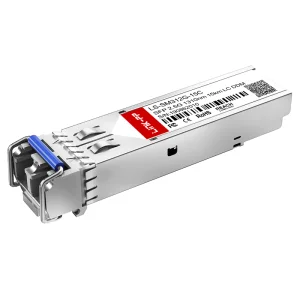
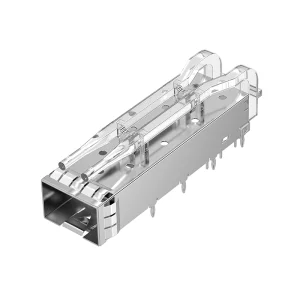
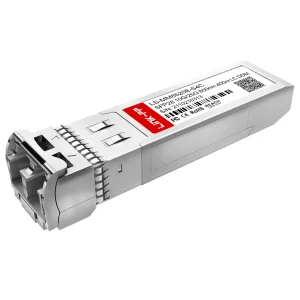
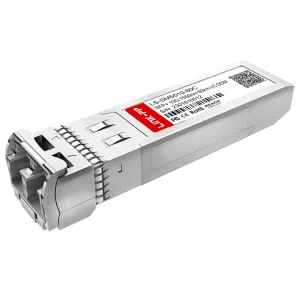
An SFP (Small Form-factor Pluggable) cage acts as the mechanical receptacle on the host PCB, providing structural shielding and heat dissipation. The pluggable SFP transceiver handles the electrical-to-optical (or optical-to-electrical) conversion. This modular architecture allows data center managers to configure ports on demand—inserting copper SFPs for short runs or single-mode optical SFPs for long-distance runs—without swapping out the entire switch motherboard.
To ensure reliable operation at 2.5G/5G/10G over copper lines, designs must control characteristic impedance (ideally 100 Ohms), minimize insertion loss, and reduce near-end crosstalk (NEXT). Effective EMI shielding, structured internal wire routing, and high-conductivity contact points (with 50µ" gold plating) are essential to prevent packet loss and maintain stable transmission links.
Browse our remaining high-density hardware portfolio, including optical modules and vertical top-entry magnetic jacks built for reliable networks.