FiddlLink
FiddlLink
FiddlLink
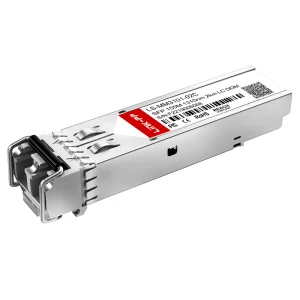
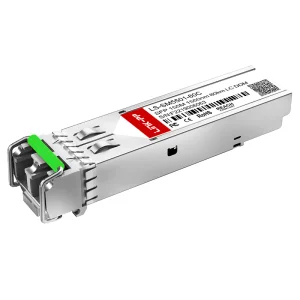
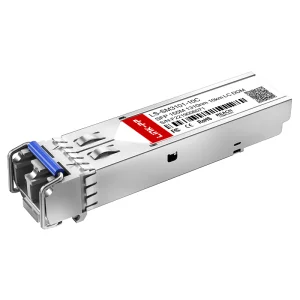
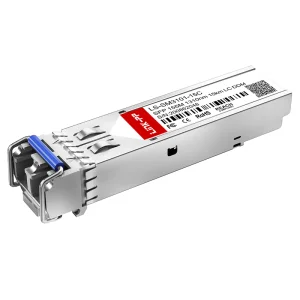
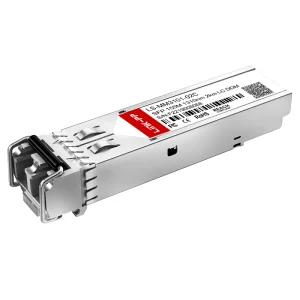
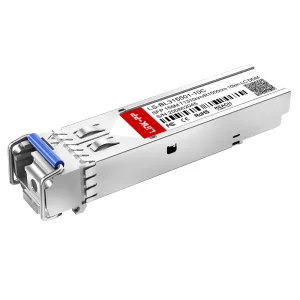
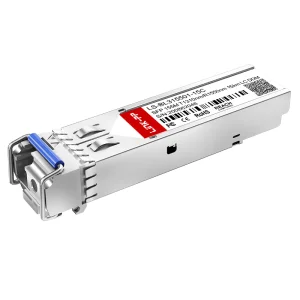
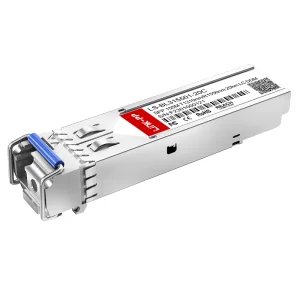
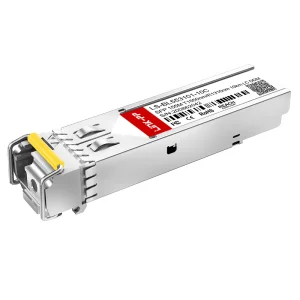
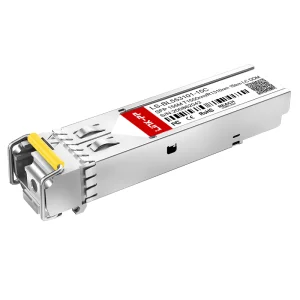
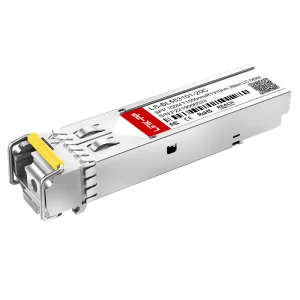
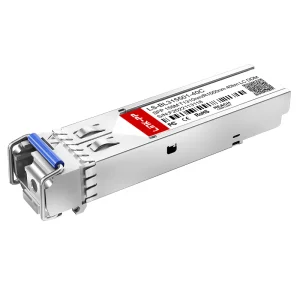
High-reliability, multi-vendor compatible optical modules engineered for industrial automation, power grids, and enterprise network infrastructure.
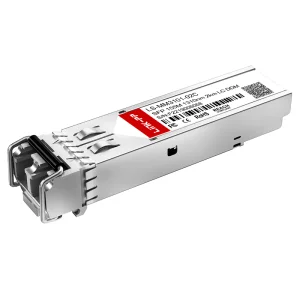
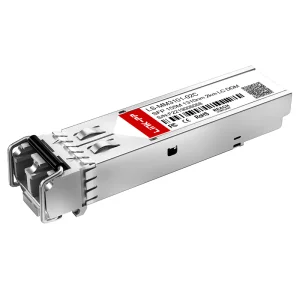
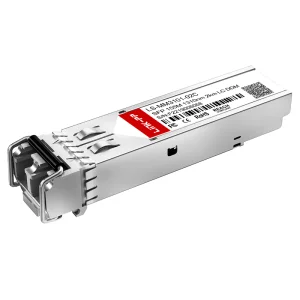
While modern data centers prioritize multi-gigabit and terabit transmission technologies, legacy optical platforms operating at 155M (STM-1/OC-3) and 622M (STM-4/OC-12) remain crucial elements of the global network infrastructure. These speeds represent the foundational benchmarks for Synchronous Digital Hierarchy (SDH) and Synchronous Optical Network (SONET) protocols, alongside Fast Ethernet connections. They provide optimal data density, robust propagation properties, and unmatched error tolerance over substantial distances.
Industrial networks, municipal traffic control systems, and high-voltage power substations rely heavily on these sub-gigabit frequencies due to their strict deterministic behavior and low latency profiles. Upgrading legacy systems unnecessarily introduces operational risks and overhead costs. Sustaining these networks with premium-grade 155M/622M SFP transceivers is key to keeping them operational and reliable.
China has established itself as the global epicenter for optical transceiver manufacturing, blending end-to-end supply chain control with high-precision optoelectronic assembly. Optical component factories leverage advanced silicon photonics integration, high-precision spherical and aspheric polishing, and automated multi-layer dielectric optical coating systems to manufacture high-yield, low-cost SFP components.
By housing raw material sourcing, TO-can semiconductor packaging, optical sub-assembly (OSA), and custom firmware programming within unified regional industrial zones, China-based suppliers like FiddlLink deliver rapid prototyping, extensive multi-vendor compatibility matrix matching, and strict quality control compliance that scales efficiently to meet global volume demands.
155M/622M SFP modules are critical components in several vital infrastructure applications:
For global tier-1 network operators and system integrators, procuring 155M and 622M SFPs requires strict adherence to reliability standards. Transceivers must comply with MSA (Multi-Source Agreement) form factors to ensure mechanical and electrical compatibility across hardware vendors. Digital Diagnostics Monitoring (DDM) or Digital Optical Monitoring (DOM) is critical for monitoring temperature, optical output power, receiver sensitivity, and supply voltage in real time. Ensuring transceivers feature EEPROM code custom-tailored for compatibility with brands like Cisco, Juniper, Moxa, and Hirschmann is key to reducing system integration friction.
Explore FiddlLink's production line, equipped with state-of-the-art optical fabrication, coating, and rigorous diagnostic equipment.


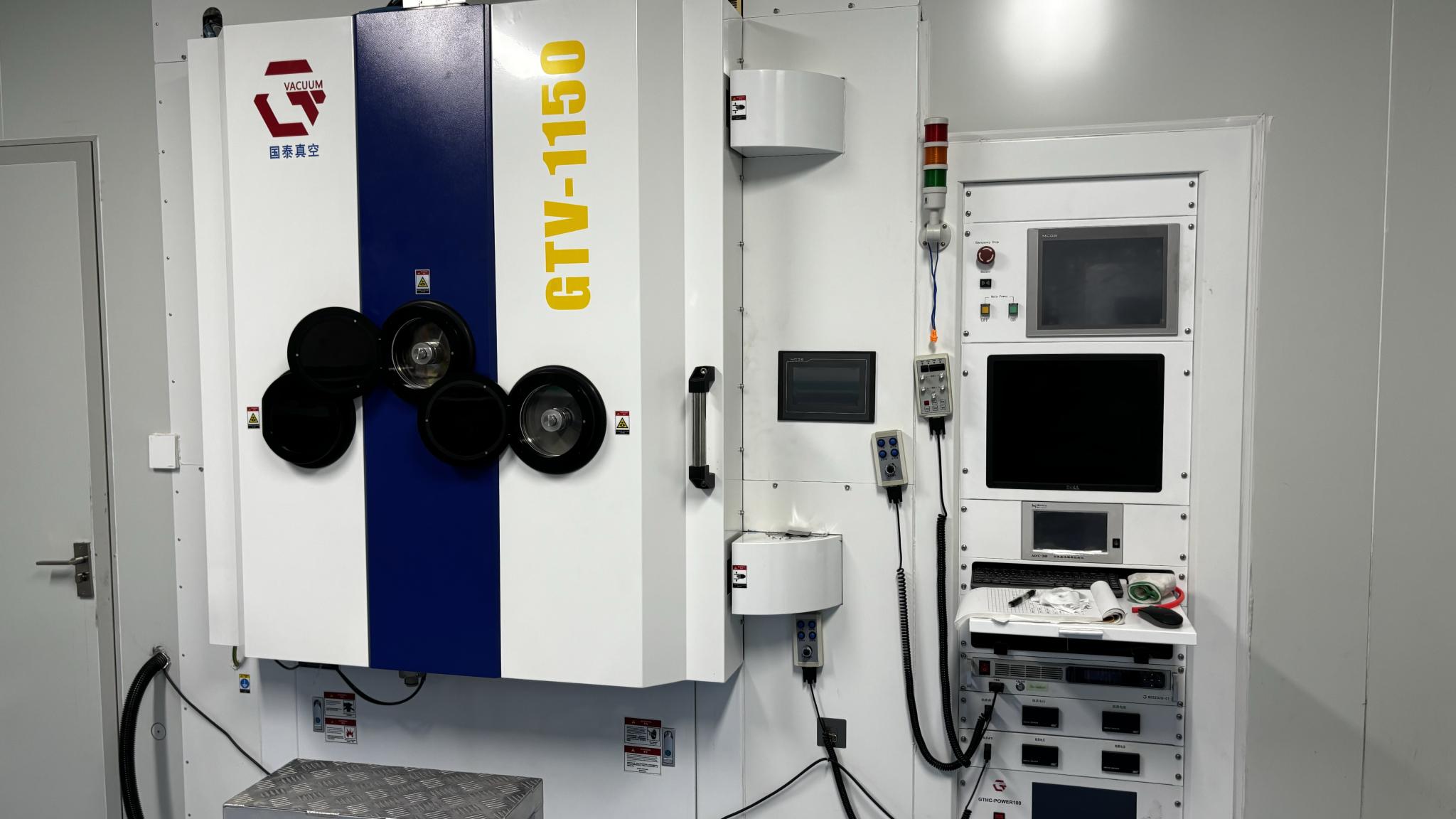
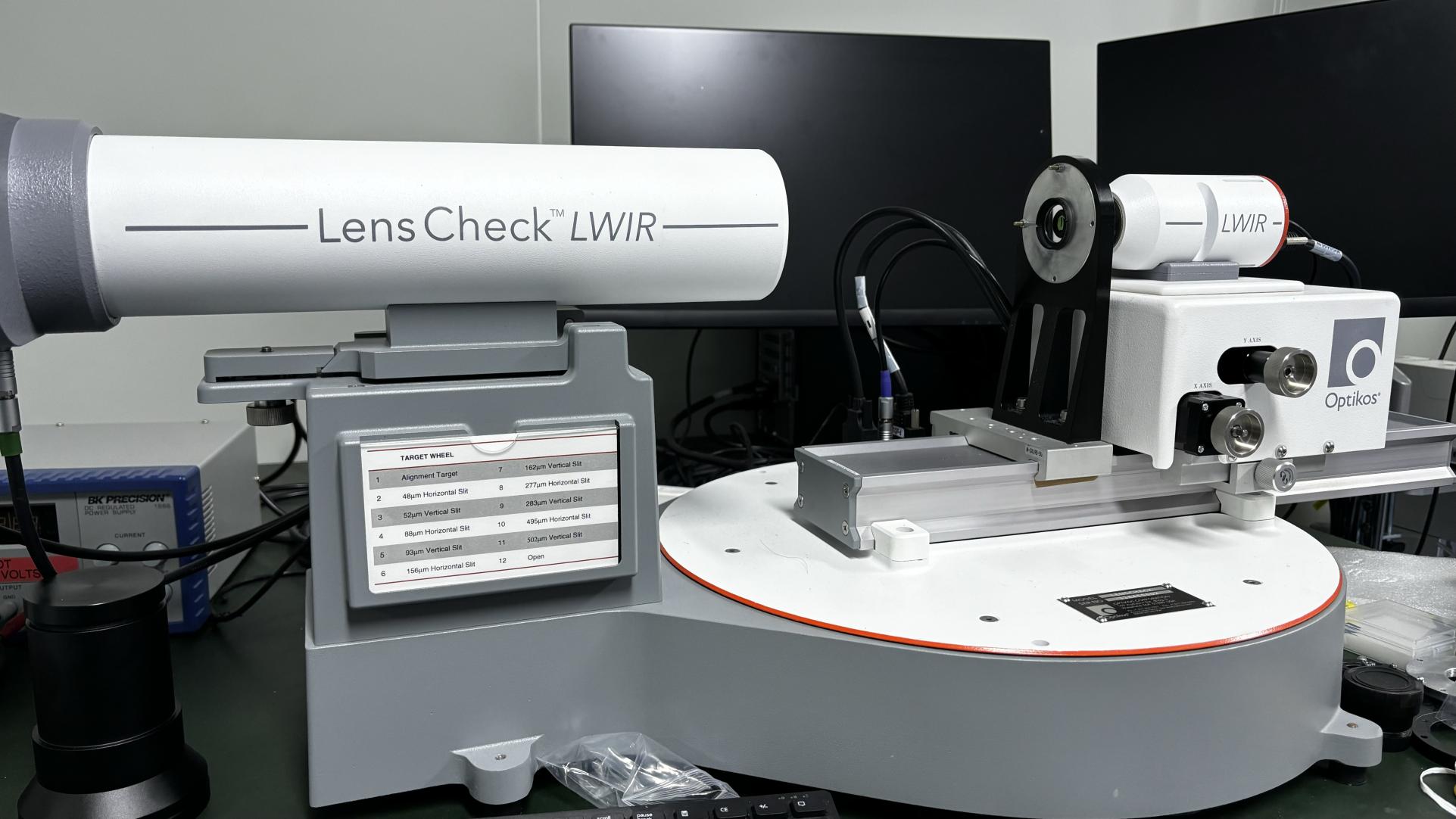
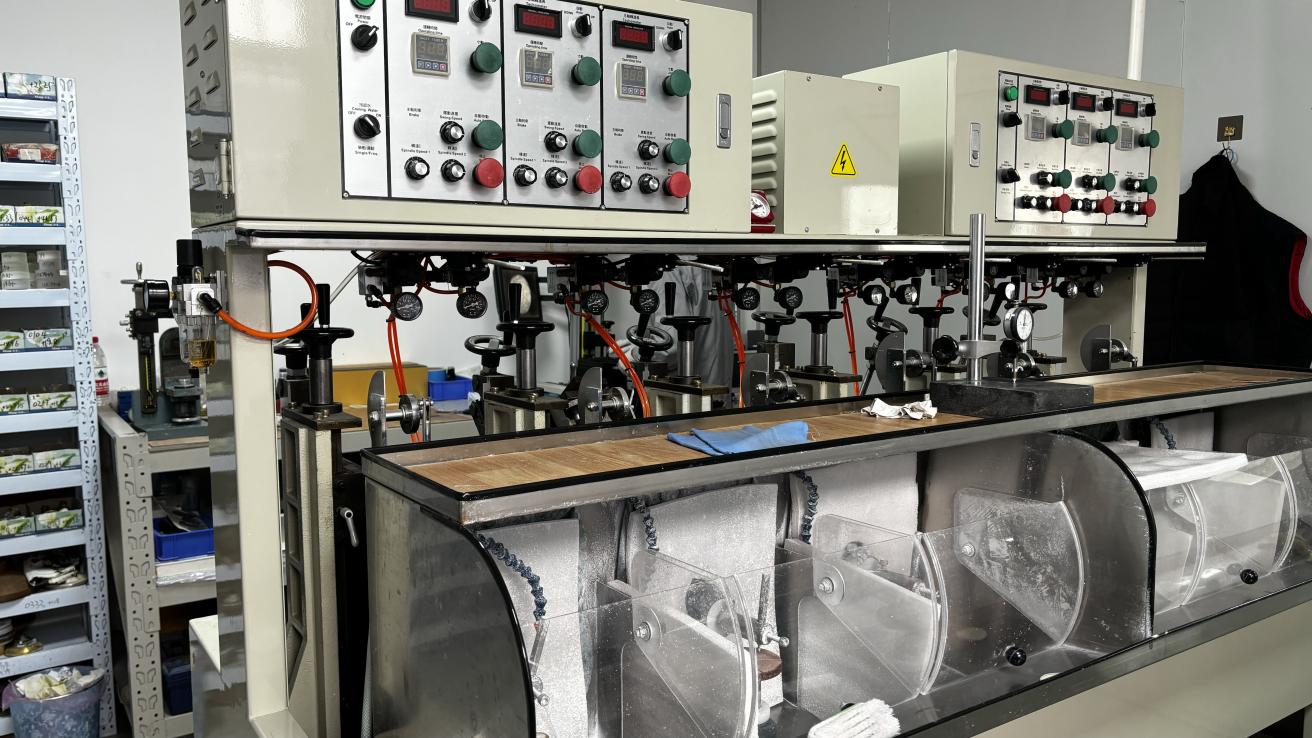
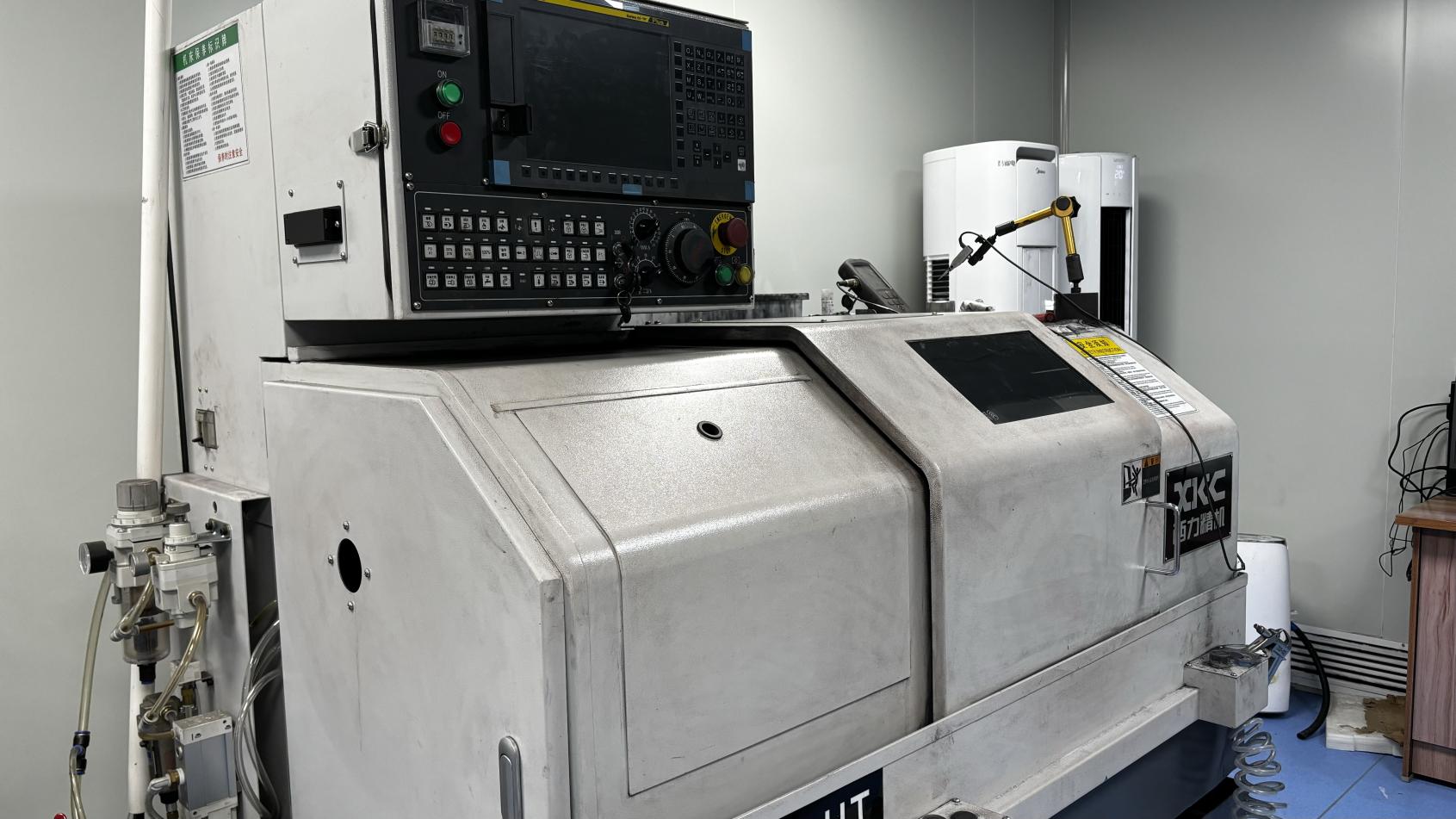
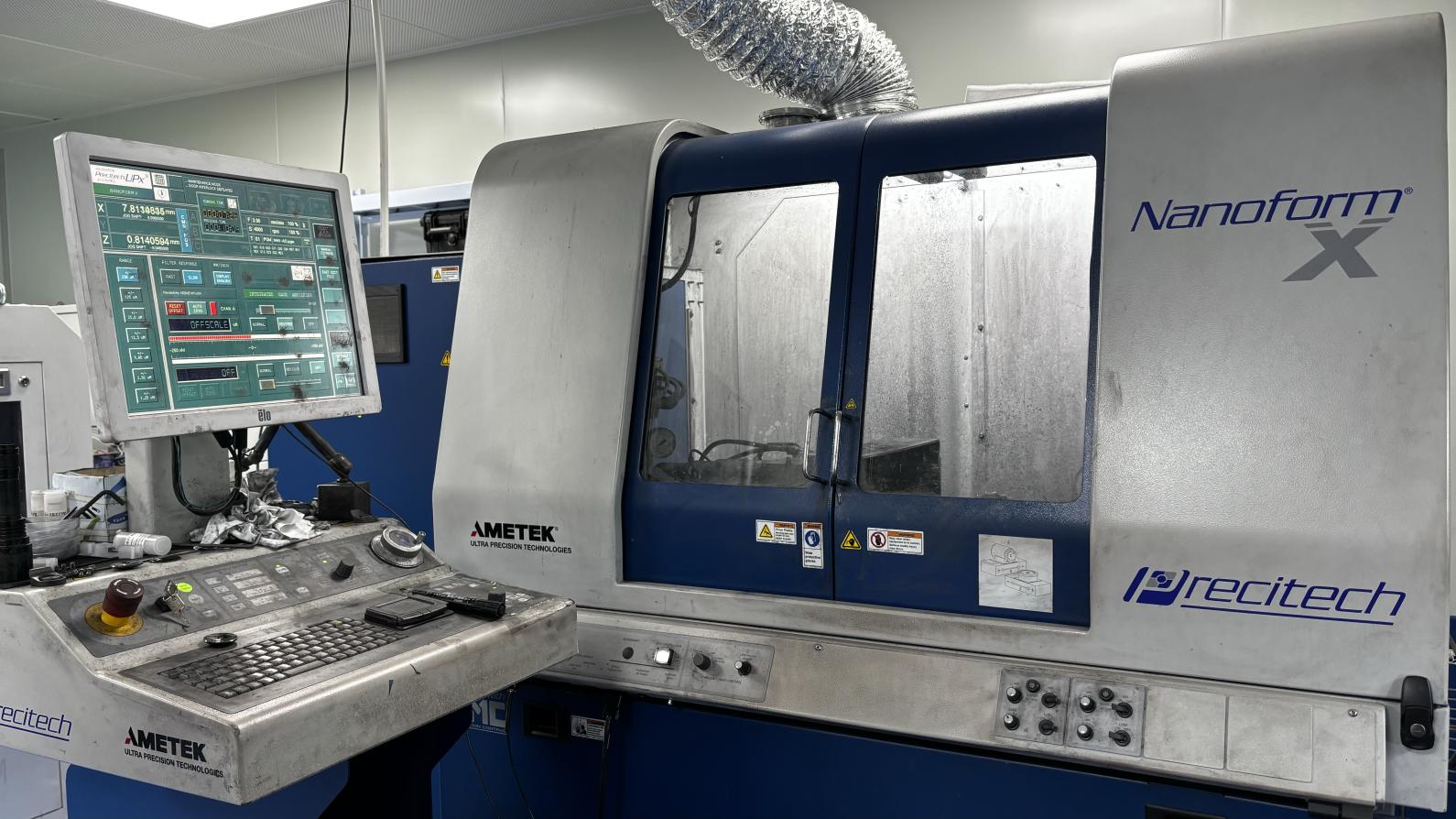
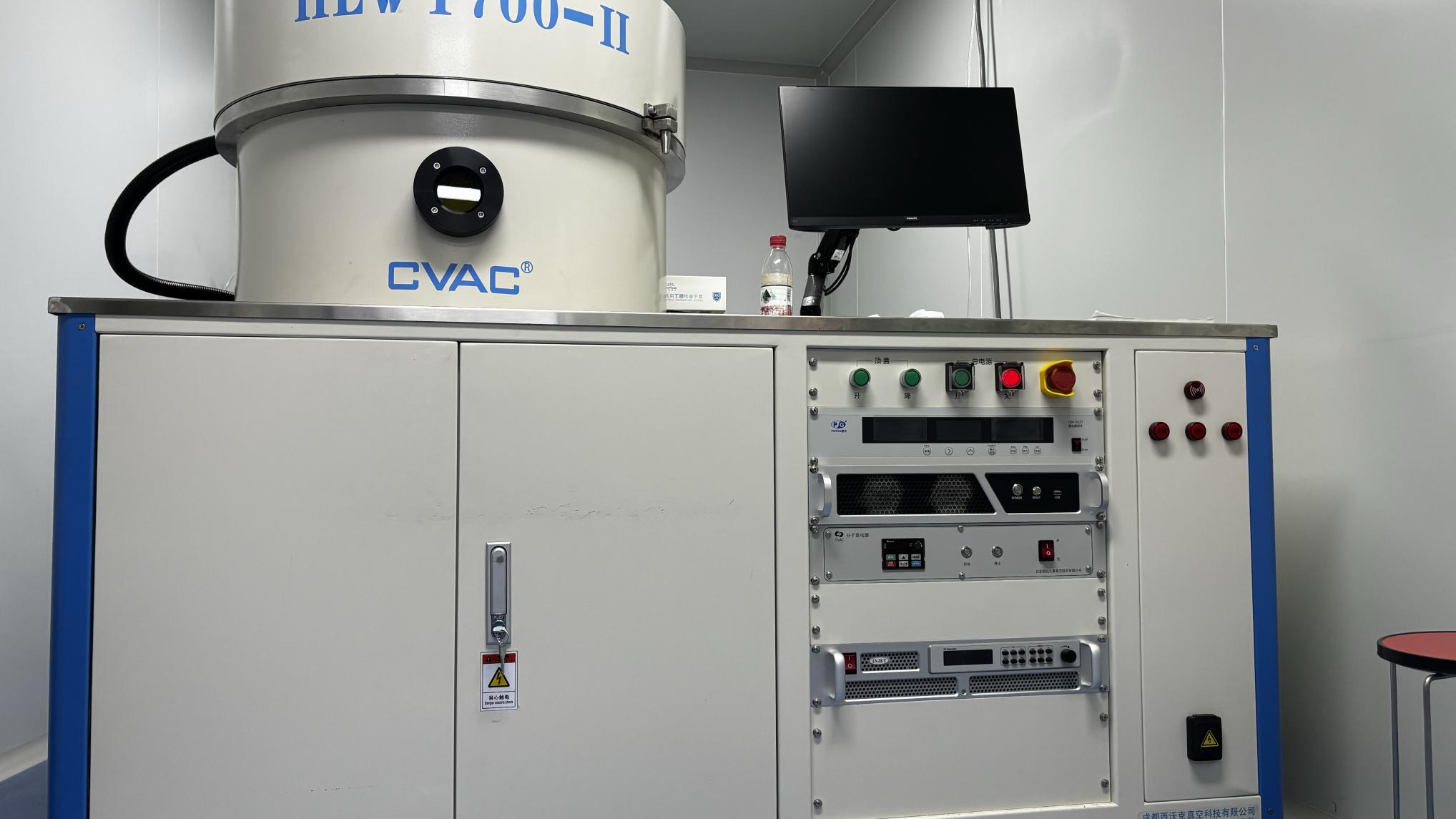


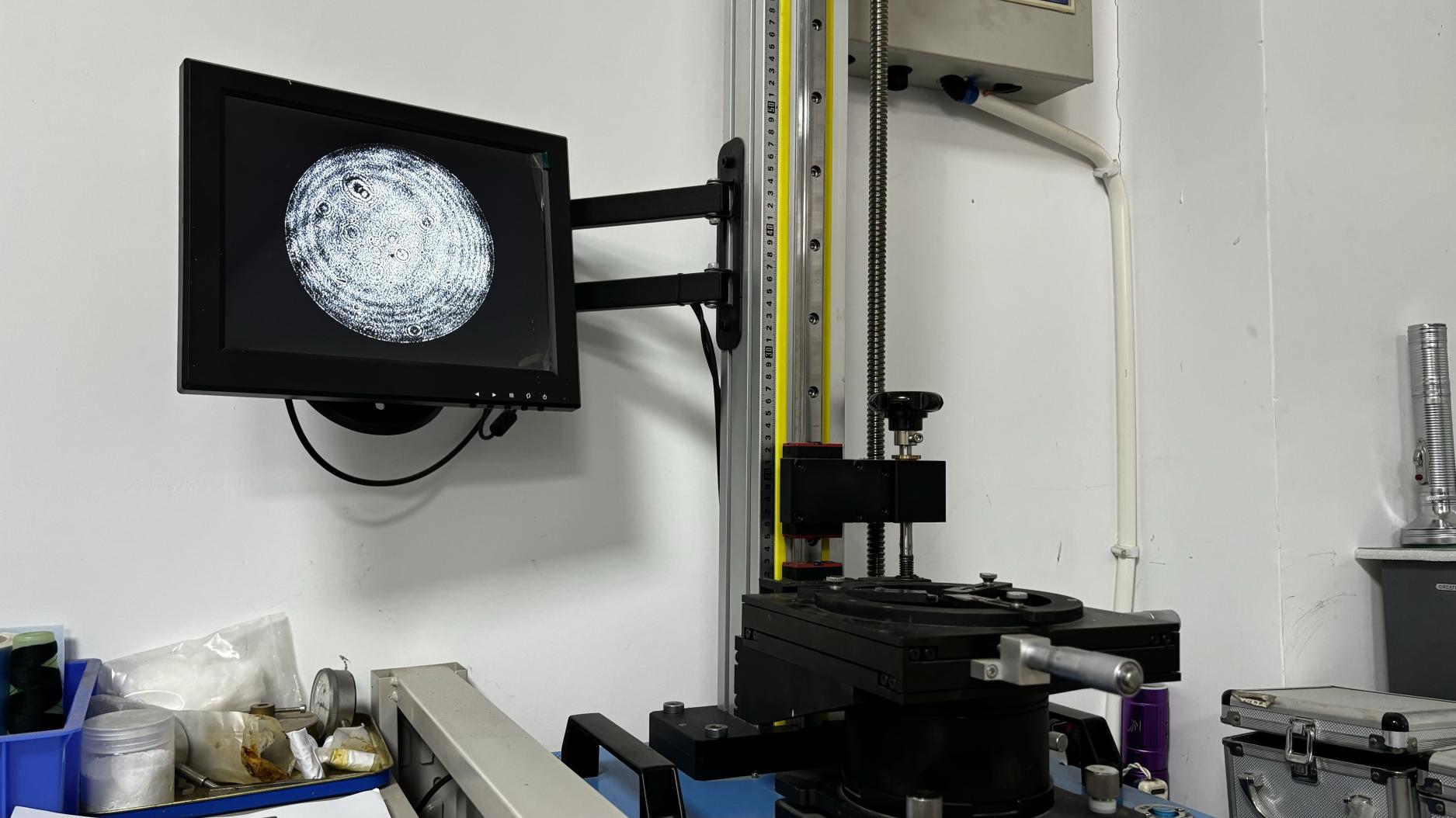
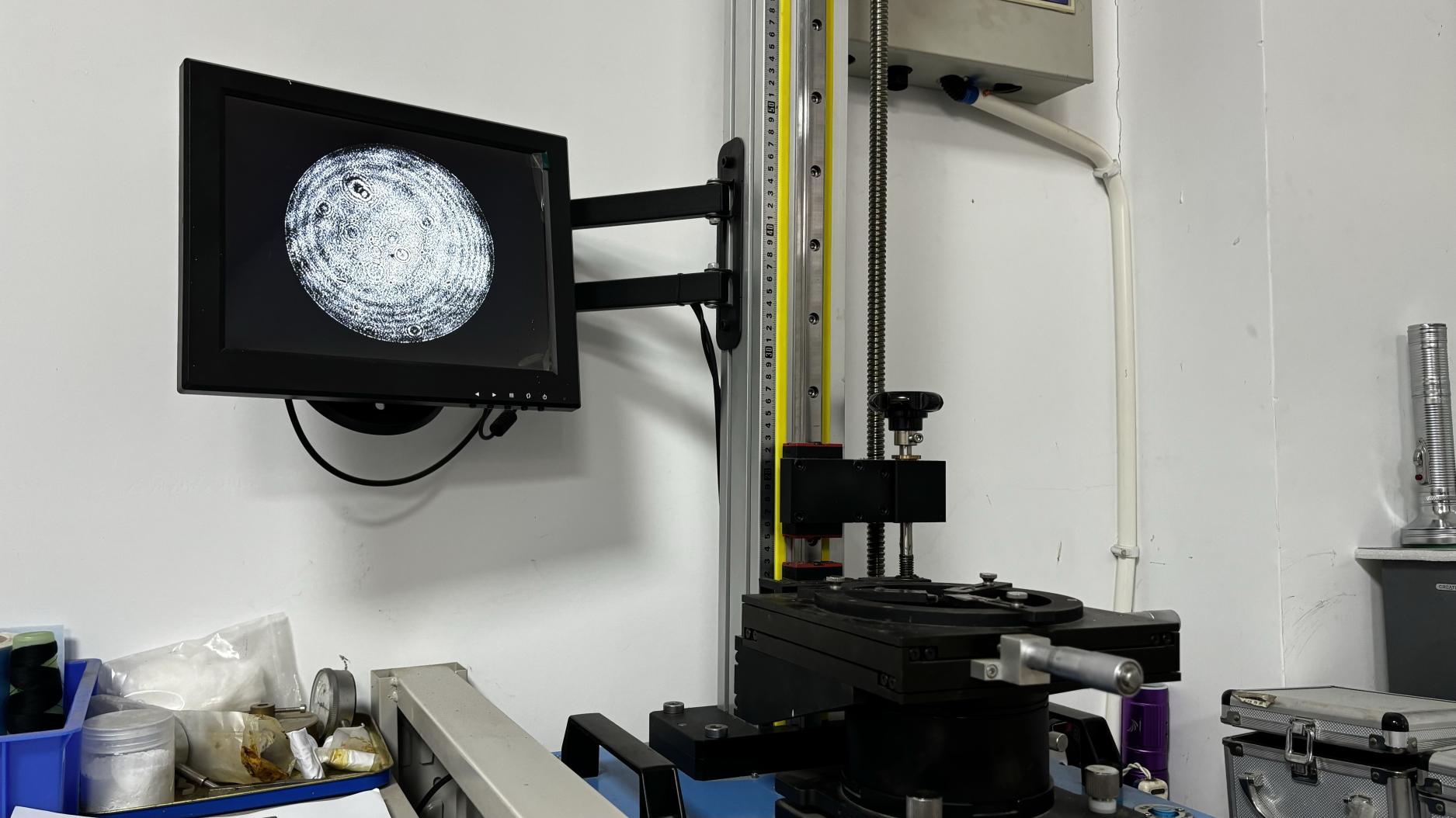
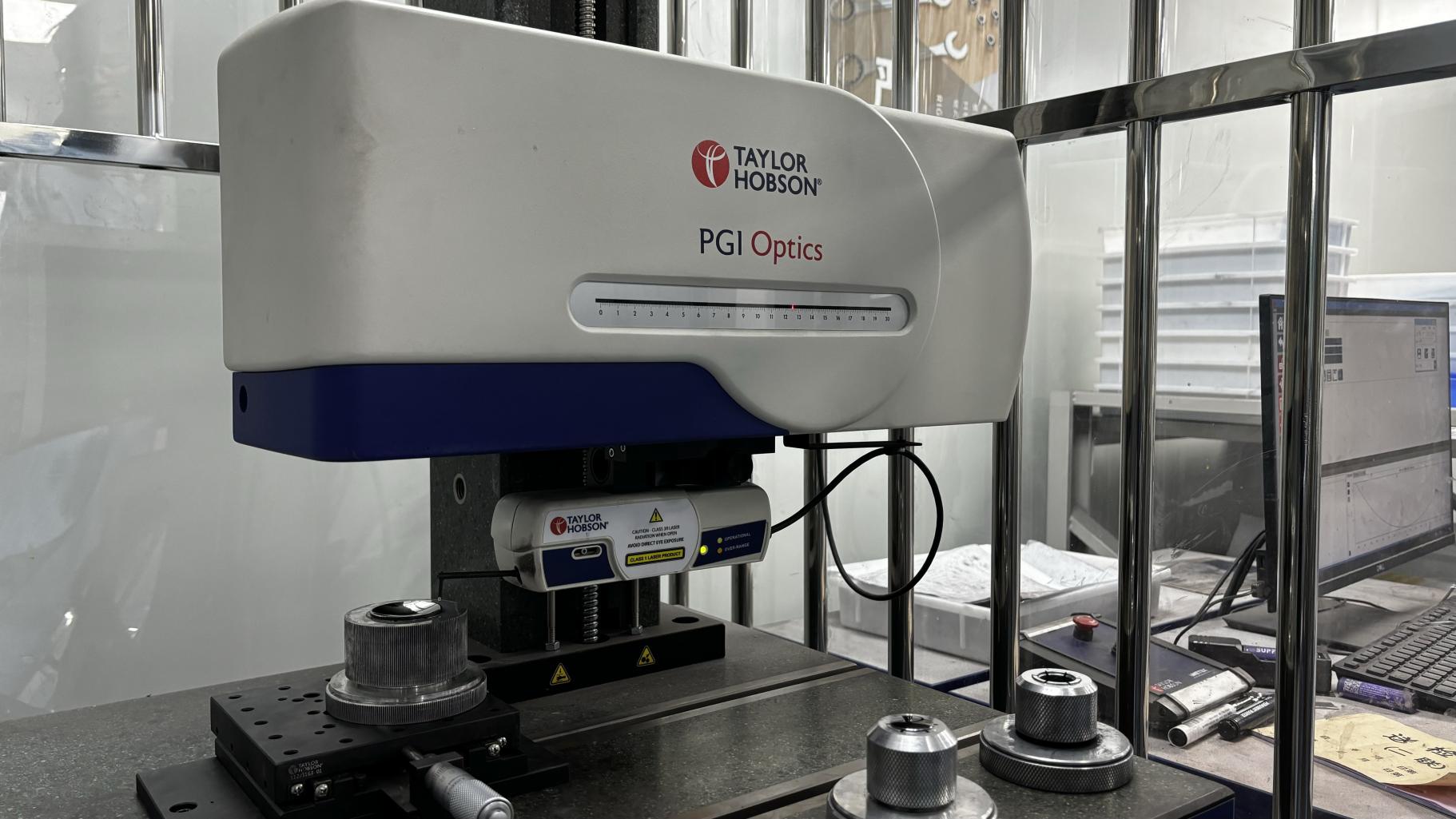
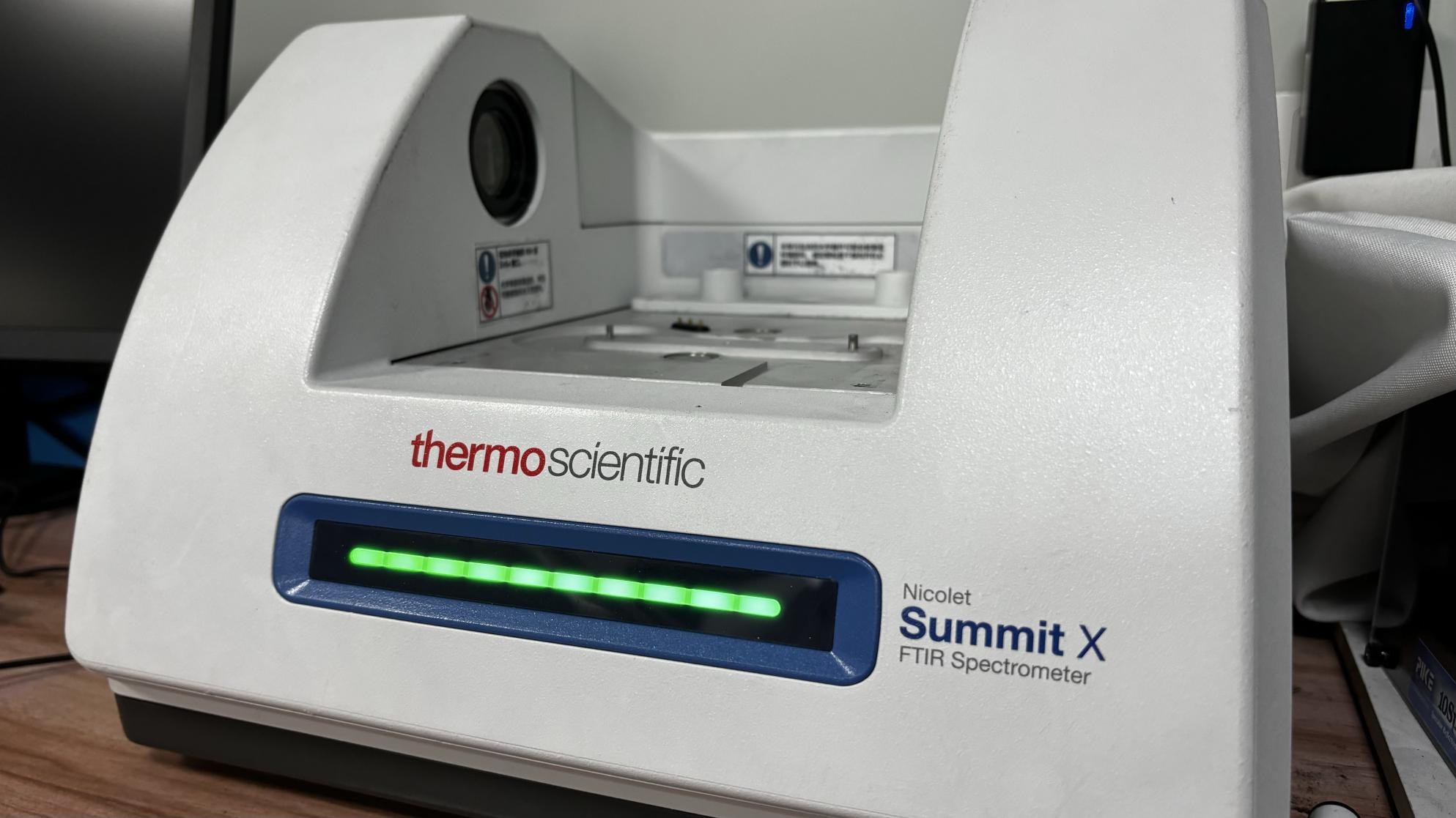
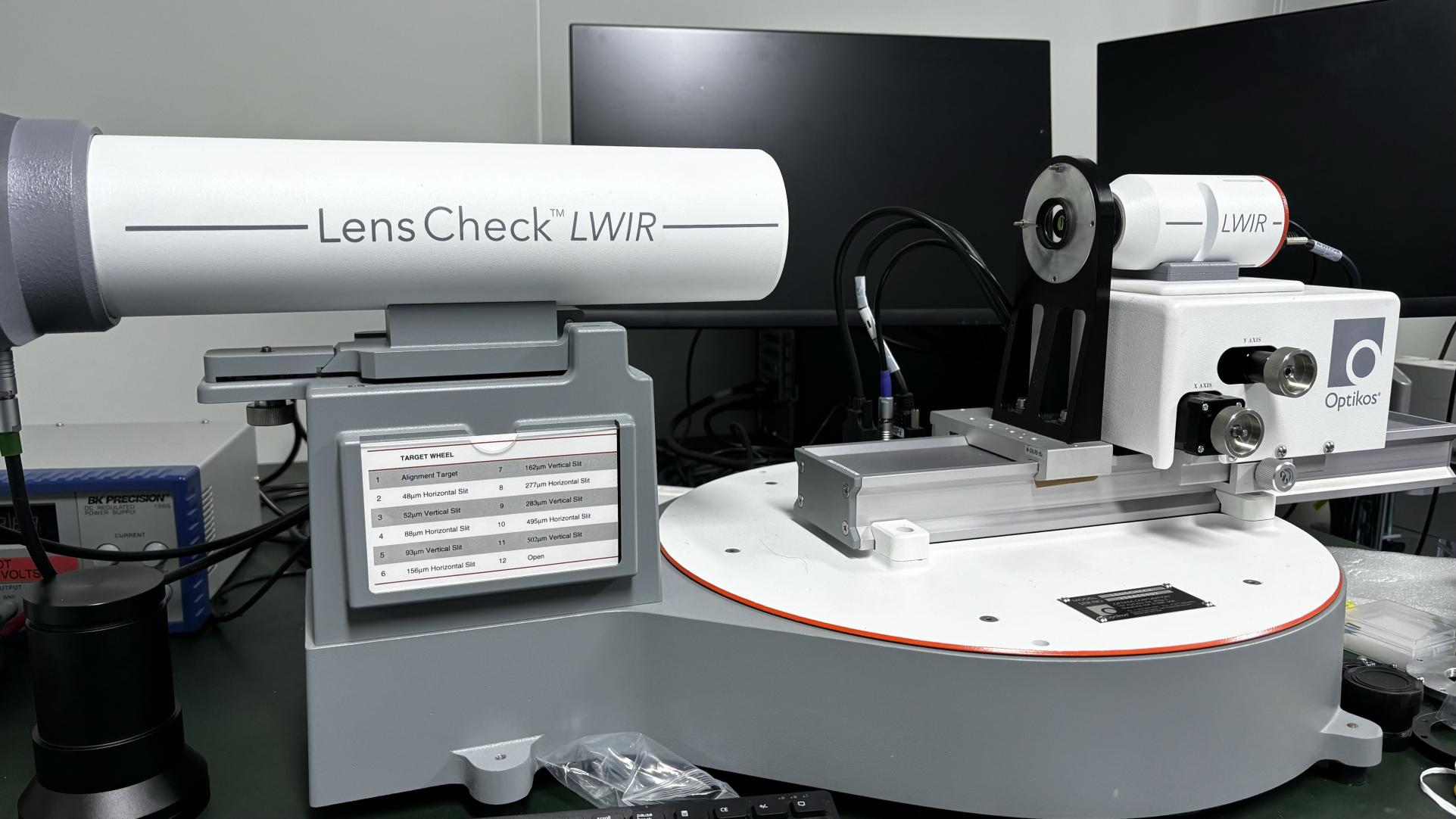

FiddlLink Optical Technology Co., Ltd. is a professional manufacturer and supplier of high-performance optical transceivers and fiber optic communication solutions. Established in 2016, the company specializes in the research, development, production, and global distribution of optical networking products for data centers, telecommunications networks, enterprise infrastructure, and cloud computing applications.
Our modern manufacturing facility covers an area of 380 square meters and is equipped with advanced production and testing equipment to ensure consistent product quality and reliable performance. With over 12 years of industry experience and 8 years of export experience, FiddlLink has built a strong reputation among customers worldwide for delivering innovative, cost-effective, and dependable optical communication products.
Quality is at the core of everything we do. FiddlLink operates a comprehensive quality management system supported by 42 professional quality control personnel. Every product undergoes rigorous inspections, including incoming material inspection, production process monitoring, optical performance testing, environmental reliability testing, and final product verification before shipment.
Driven by innovation, FiddlLink maintains a strong research and development team consisting of 126 experienced engineers and technical specialists. Our R&D department continuously develops new technologies and products to meet evolving market demands. In the past year alone, we successfully launched 186 new products covering various optical transceiver standards and network applications.
Get answers to common technical queries about legacy SFP transceiver compatibility, specifications, and deployment environments.
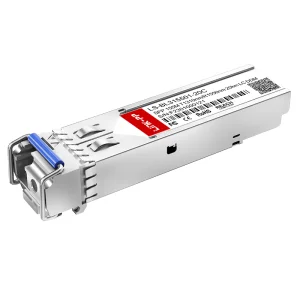
Explore simplex BiDi transceivers and specialized optical modules designed to optimize fiber density and cut down routing overhead.