FiddlLink
FiddlLink
FiddlLink
Explore our core line of industrial-grade 1x9 optical modules engineered for telecommunications, smart grid systems, legacy networking integrations, and rugged environments.
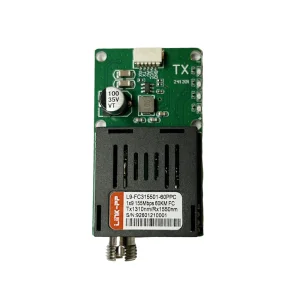
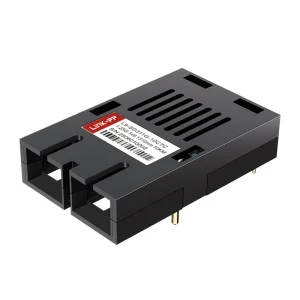
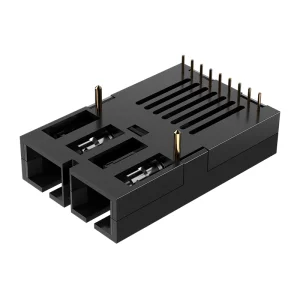
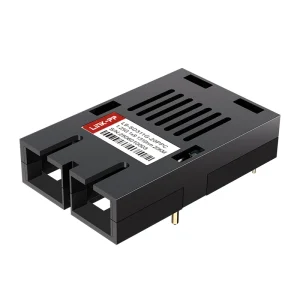
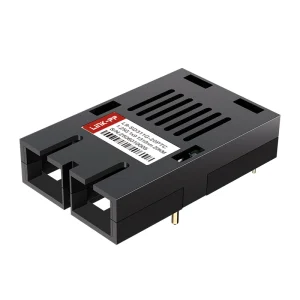
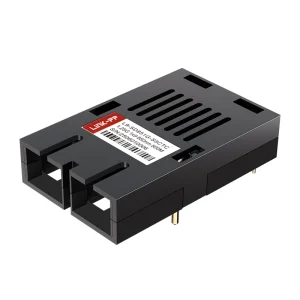
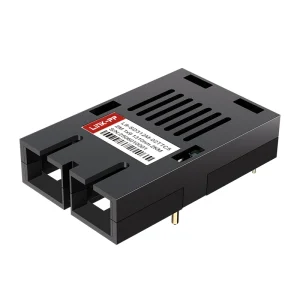
While standard hot-pluggable form factors like SFP, SFP28, and QSFP dominate modern multi-gigabit data centers, the robust 1x9 optical transceiver remains the backbone of rugged industrial communications. Featuring a single-row 9-pin design that is soldered directly to the host system PCB, 1x9 modules provide unparalleled protection against high-vibration, high-impact, and extreme temperature environments.
"For safety-critical architectures—such as electric utility sub-stations, military telemetry, rail transit signal controls, and marine applications—the reliability of a soldered-in-place 1x9 module is far superior to friction-fit hot-pluggable interfaces."
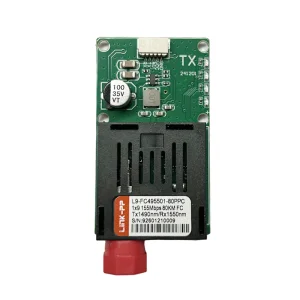
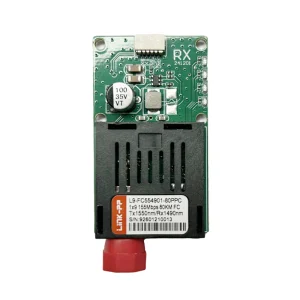
FiddlLink Optical Technology specializes in bridging this legacy interface with modern optical innovations. Our 1x9 modules offer options in Fast Ethernet (155Mbps) and Gigabit Ethernet (1.25Gbps) configurations, spanning long distances up to 80km via Bi-Directional (BiDi) single-fiber setups or dual SC/FC fiber connections.
Direct-to-PCB pinout eliminates connection loss caused by high-amplitude physical vibration, common in heavy industrial machinery, trains, and aerospace telemetry.
Available with standard Transistor-Transistor Logic (TTL) or Pseudo-Emitter Coupled Logic (PECL) signal inputs, making them compatible with legacy system microcontrollers and modern ASICs alike.
A trusted, quality-centric supplier and developer of high-performance fiber optic communications systems operating a global supply footprint.
Enterprise purchasers, systems integrators, and network distributors have requirements that go far beyond standard catalog sheets. Industrial infrastructure projects demand components that match strict longevity roadmaps—often requiring 1x9 transceivers to support operational life cycles of 10 to 15 years.
To fulfill this need, FiddlLink offers flexible OEM and ODM services. This includes hardware design modifications (e.g., custom optical ports, variations in pin height), bespoke label printing, individualized protective packaging, custom firmware configurations, and rigorous compatibility programming. Through our advanced software coding techniques, our modules are pre-programmed to function seamlessly alongside equipment from major routing, switching, and industrial network brands.
Whether integrating high-performance single-mode dual fiber transceivers or single-fiber BiDi 155M configurations, our team works directly with your engineers to ensure drop-in physical and logical compatibility.
Operating from our modern manufacturing base in China, FiddlLink leverages a highly optimized local optical communications cluster. With more than 850 strategic raw material and electronic components partners, we secure cost-effective active optical devices (TOSA and ROSA assemblies), photodetectors, laser diodes, and high-tolerance ceramic ferrules even during global raw materials shortages.
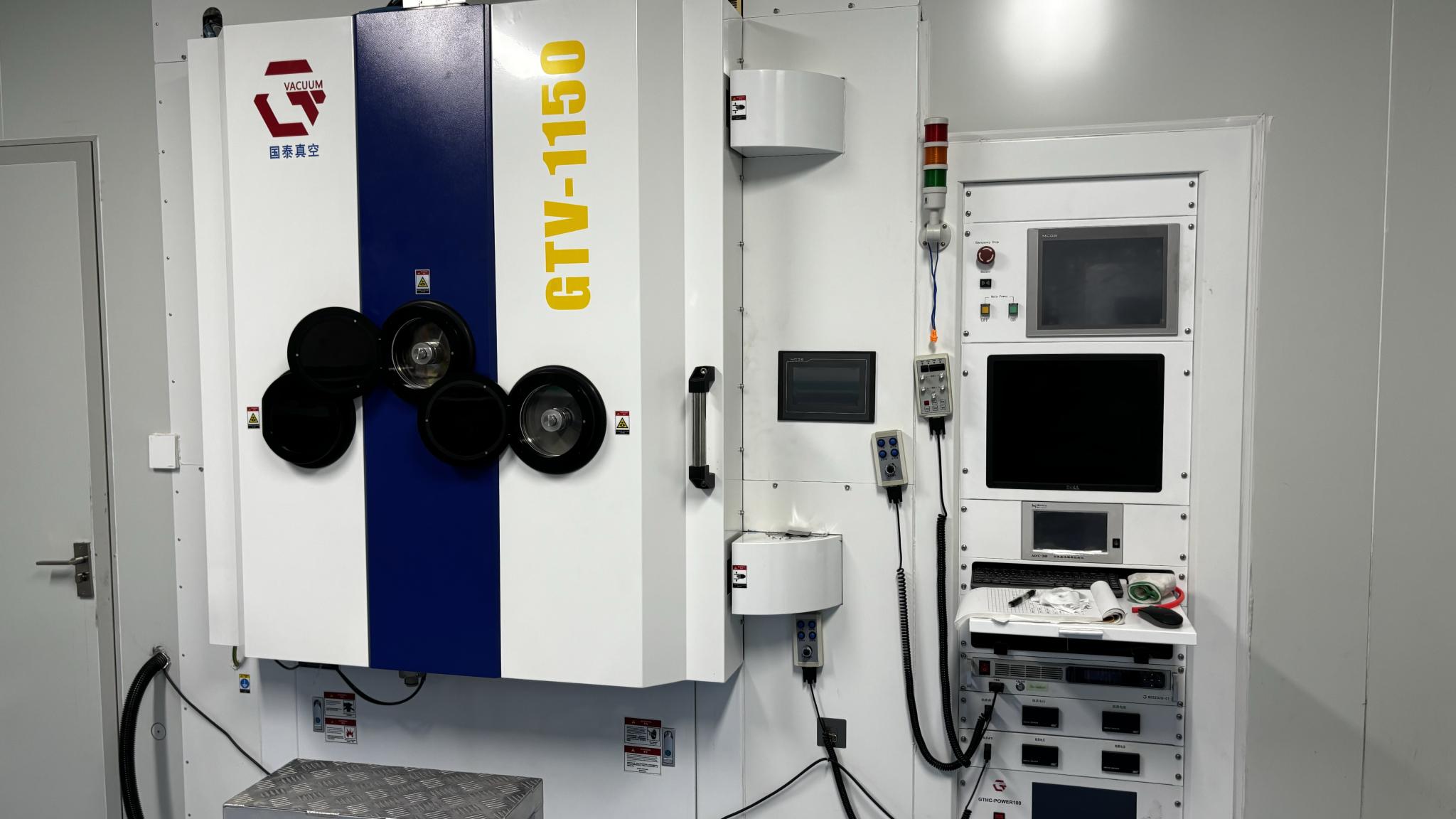
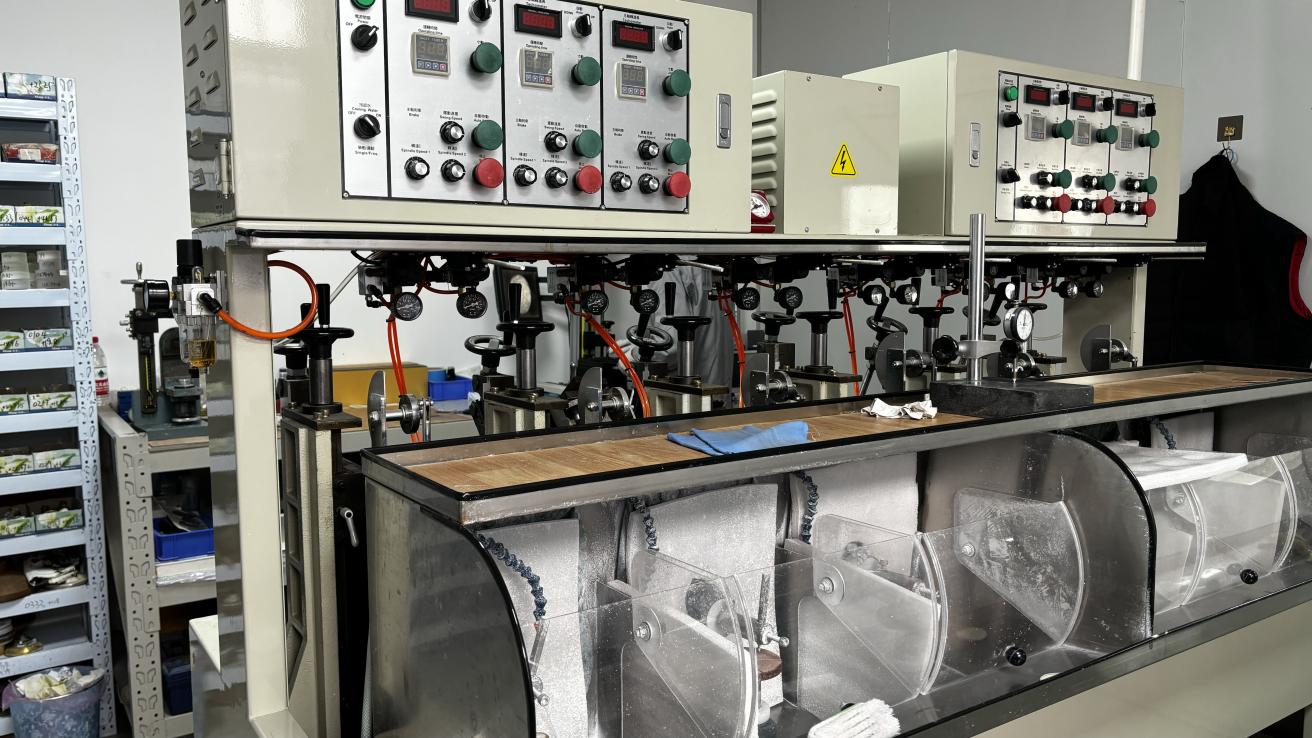
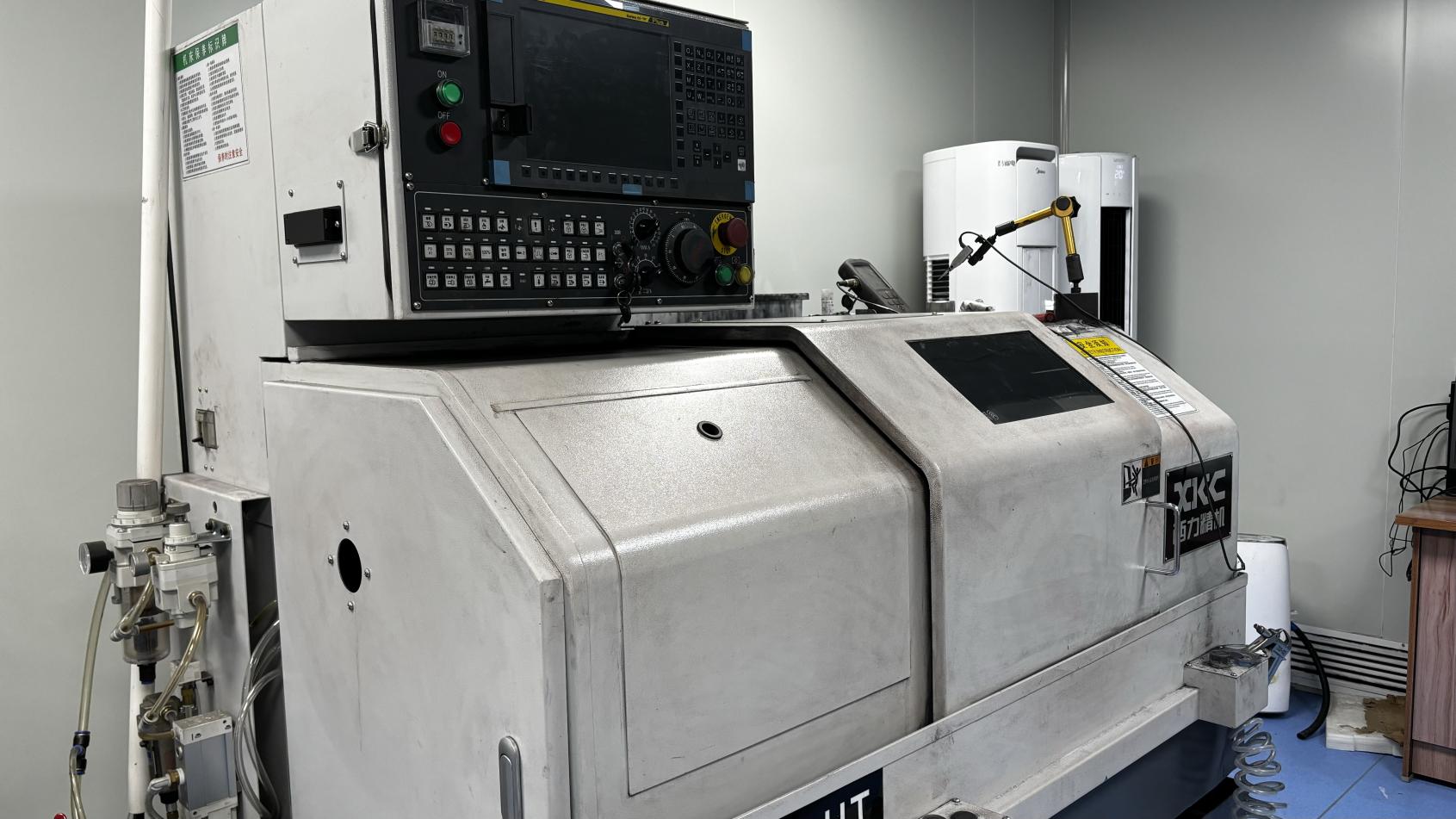
Our facility balances structural efficiency with state-of-the-art precision tools, enabling us to export highly competitive solutions across North America, Europe, Southeast Asia, the Middle East, and South America. With 8 years of dedicated export experience, our logistics network provides smooth clearance, reliable shipping lines, and complete compliance documentation for global deliveries.
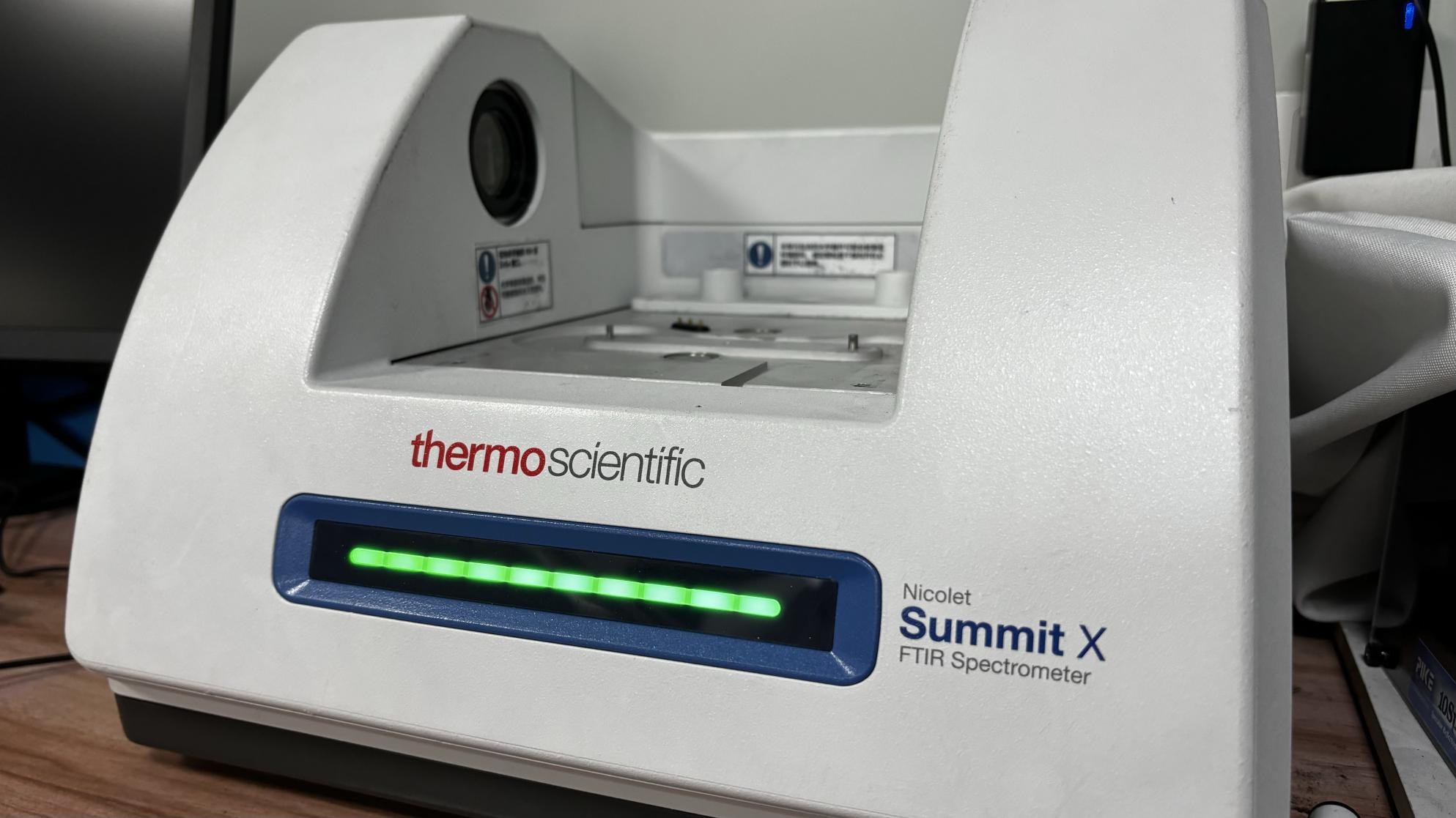
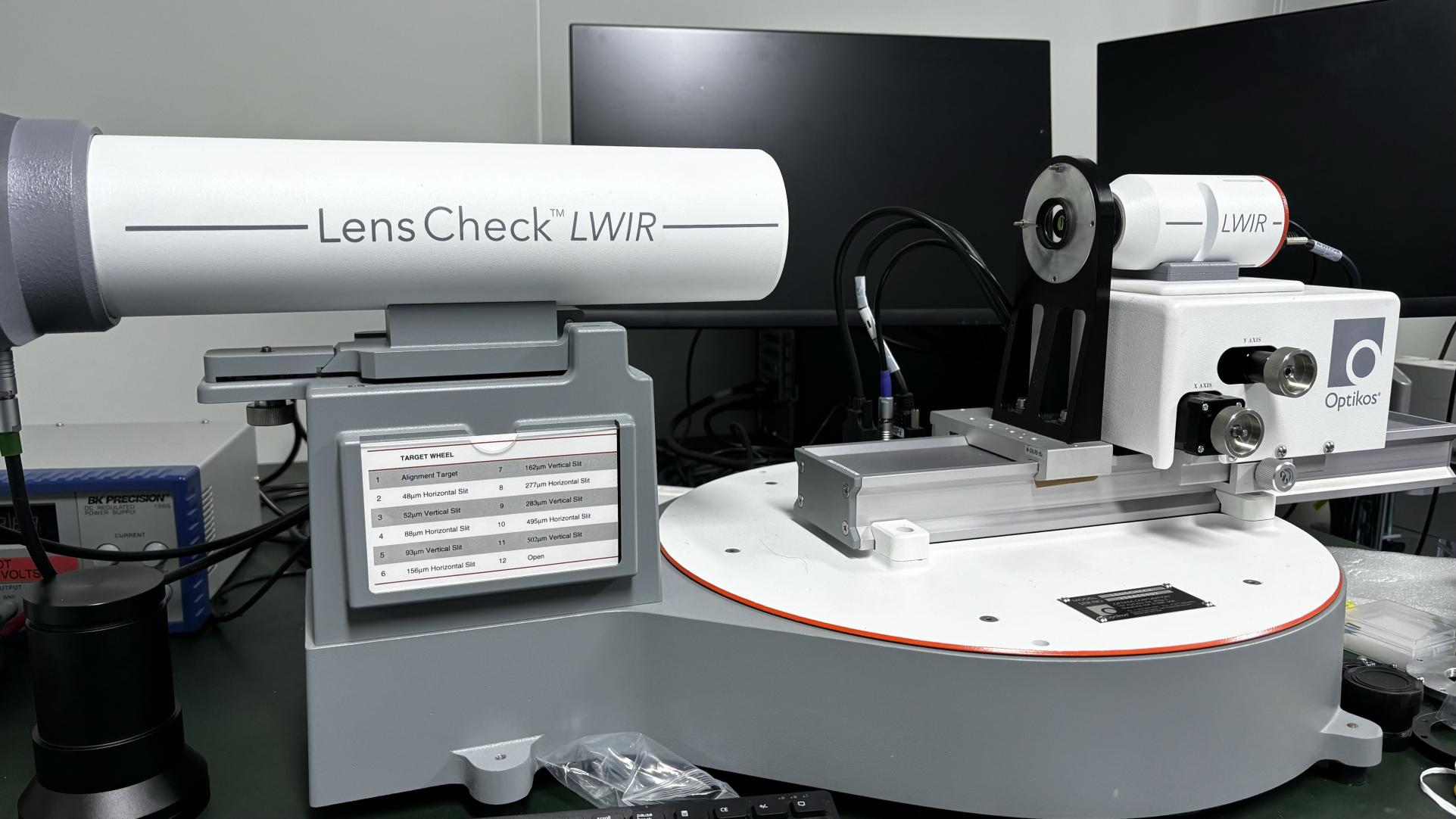
Every single optical transceiver leaving the FiddlLink line undergoes comprehensive optical and electrical validation, led by our 42 professional quality control inspectors.



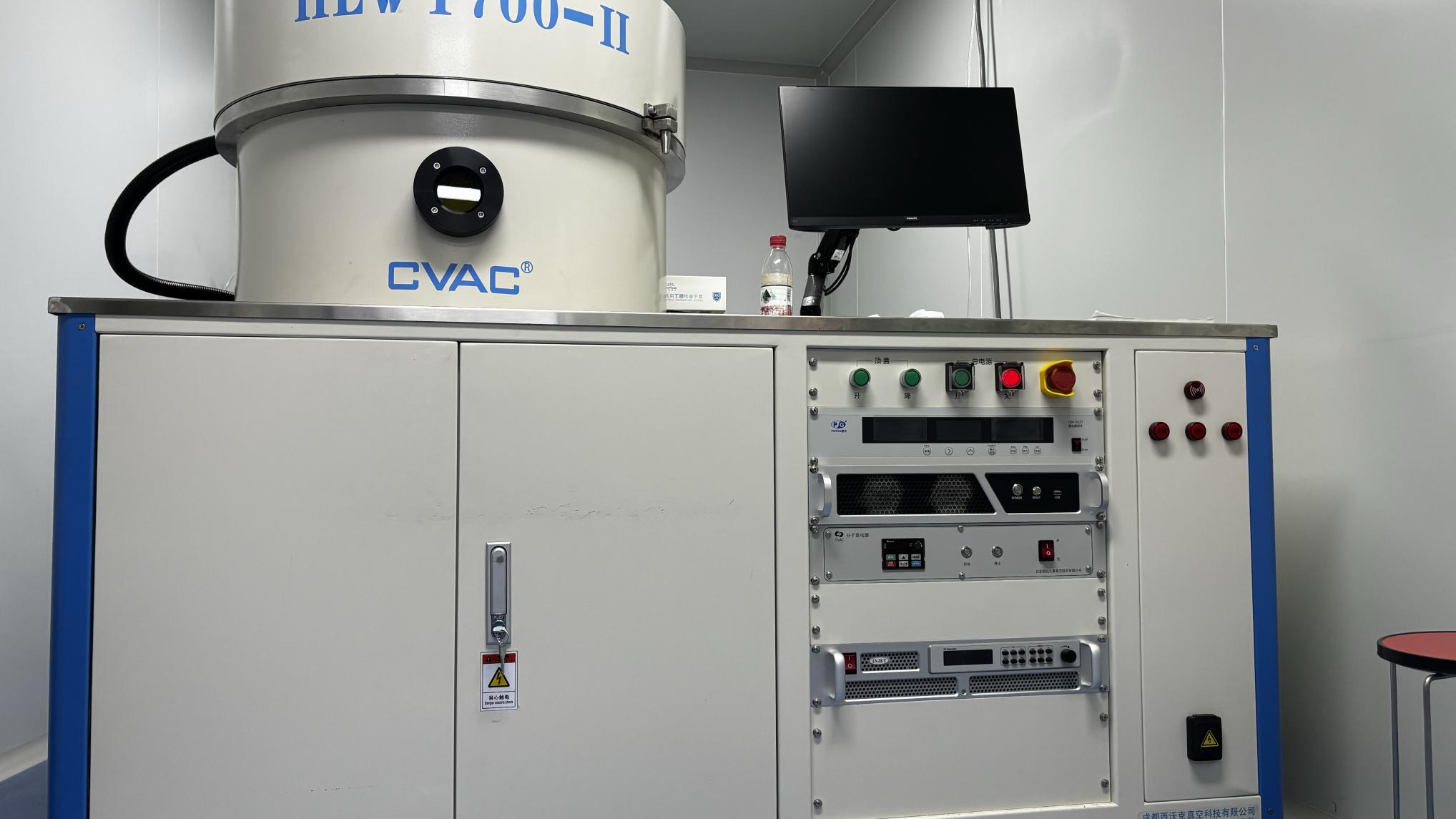
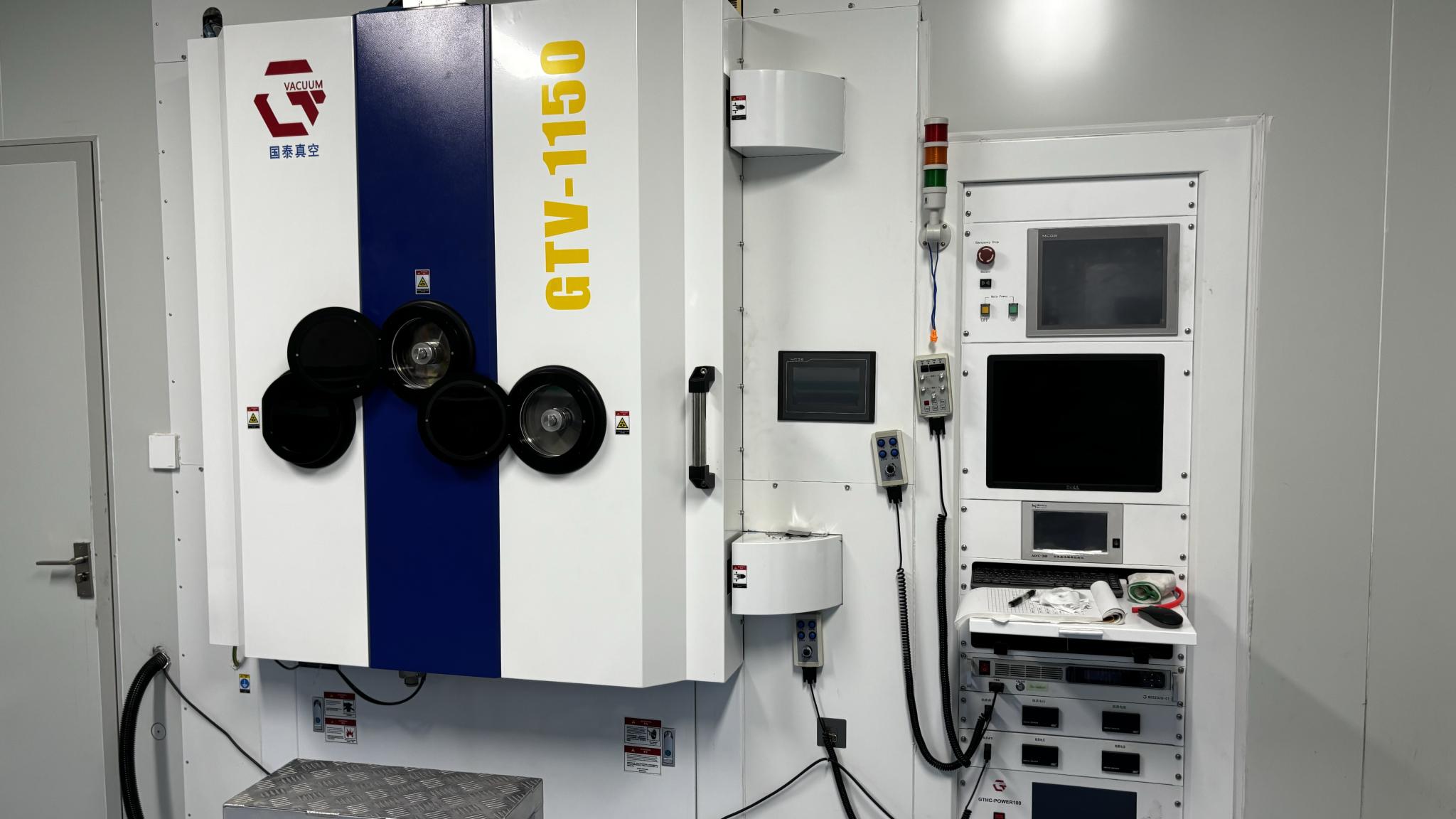

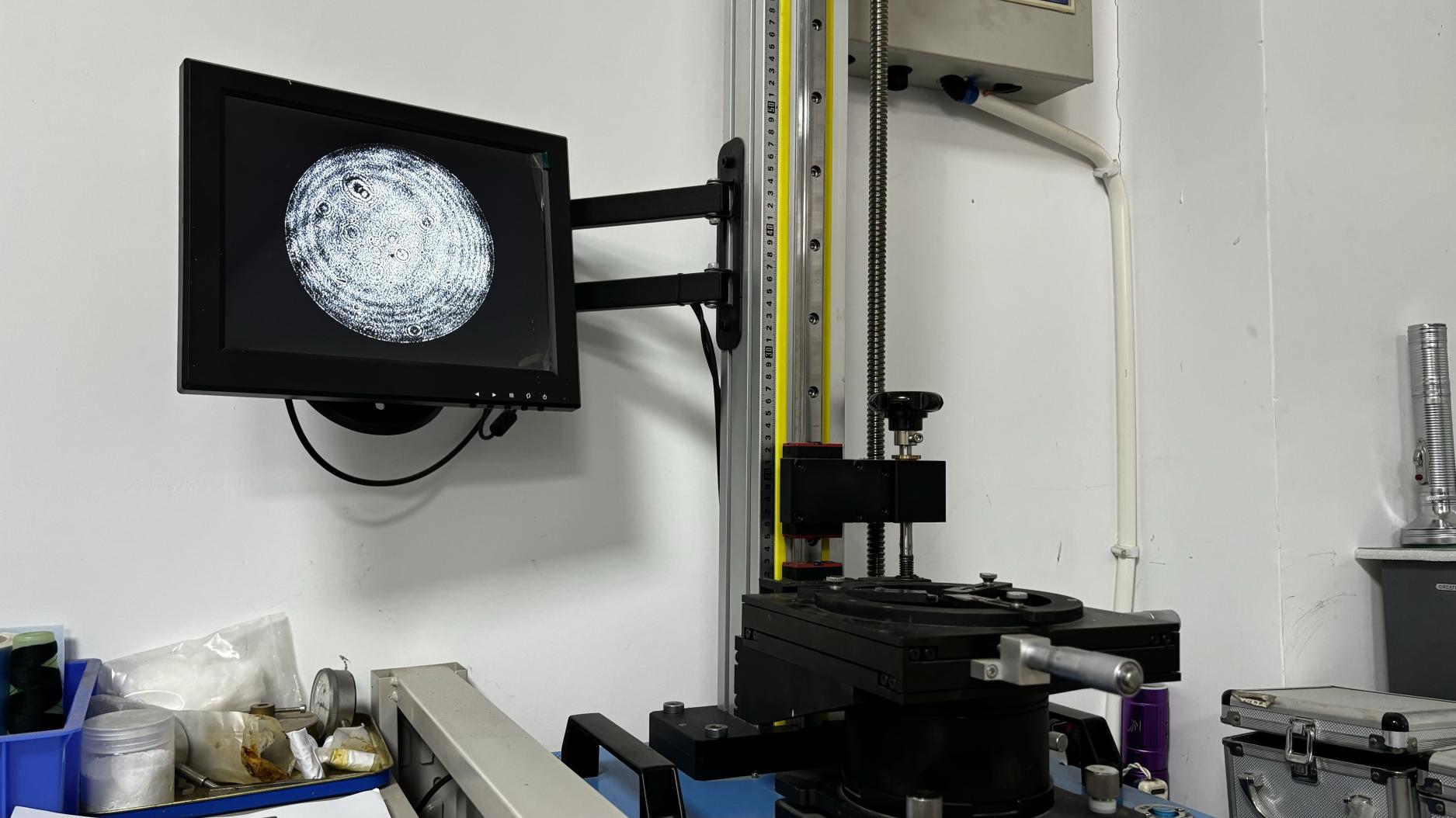
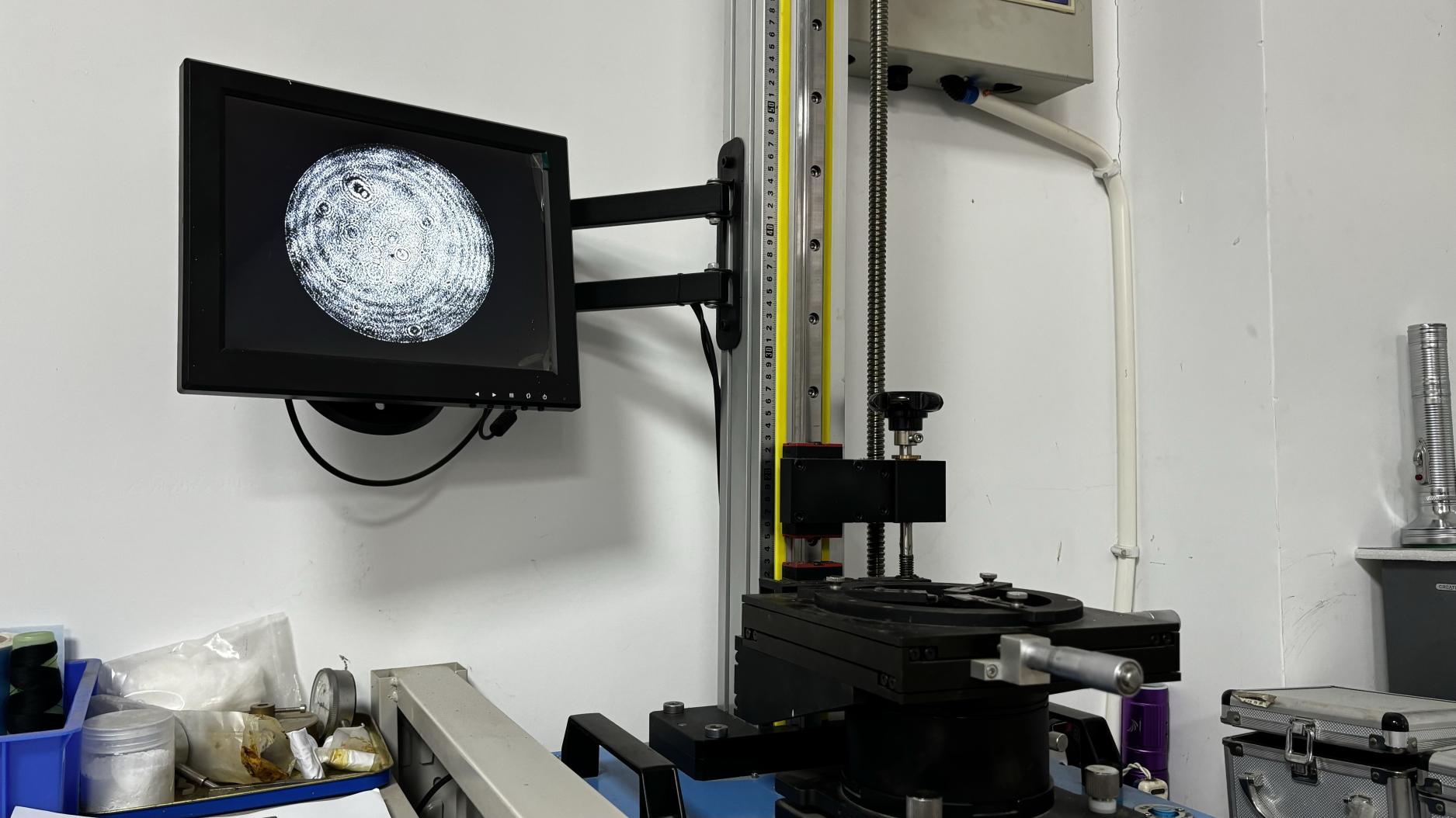

Operating across international borders demands uncompromising adherence to electrical safety and environmental policies.
We work with distribution hubs and integration engineers worldwide to ensure high-quality, real-time troubleshooting, network diagnostics, and customization setup assistance.
FiddlLink optical components comply with CE, FCC, RoHS, and REACH criteria, guaranteeing that all components meet low-emission and hazardous-substance guidelines.
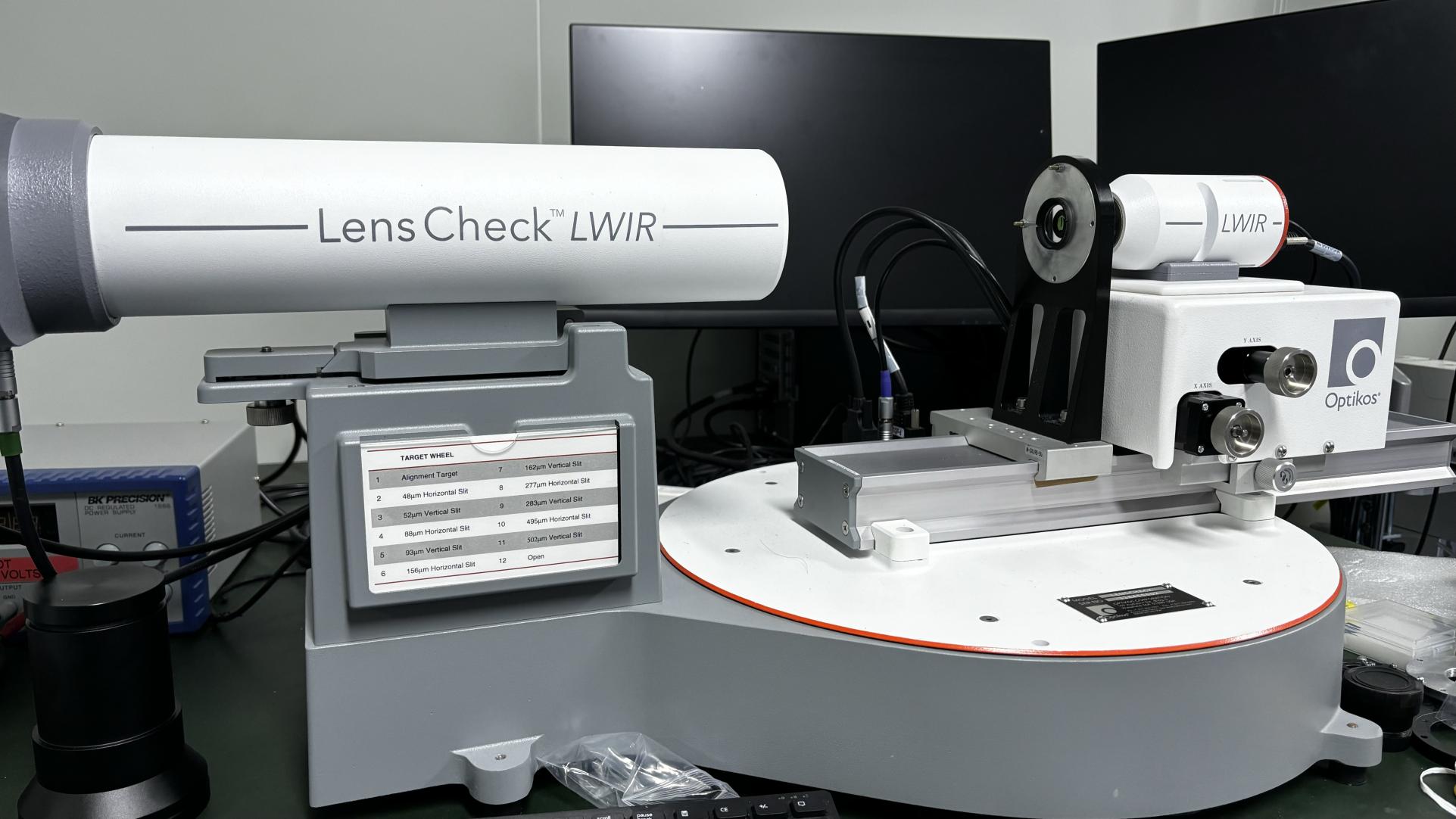
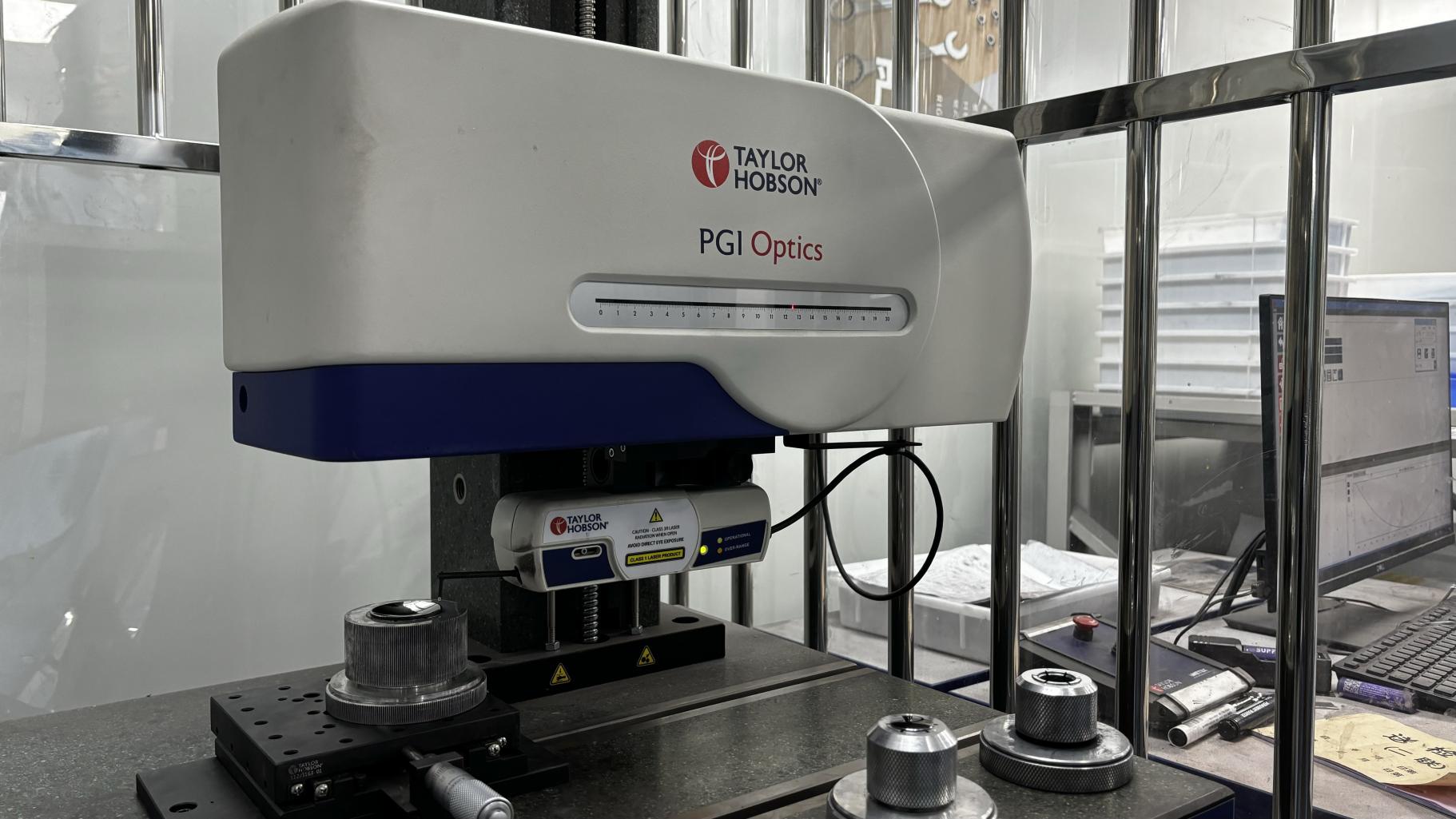
From Incoming Quality Control (IQC) of wafers and fibers to 3D interferometer verification and temperature cycling, we maintain strict control over performance variables.
Discover how system integrators deploy our single-mode and multimode 1x9 transceivers across critical industries.
In power transmission stations and manufacturing sites, high electromagnetic interference (EMI) degrades normal signals. Our 1x9 transceivers provide robust optical insulation. By converting copper Ethernet to fiber using SC duplex connectors, industrial systems gain noise-immune Ethernet backbones spanning up to 20km.
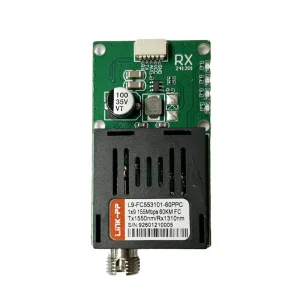
Our BiDi 155M Air/Ground TTL 1x9 optical modules are engineered for aviation control and tracking stations. Using single-fiber Bi-Directional multiplexing (TX-1310nm/RX-1550nm or TX-1550nm/RX-1310nm) combined with high-performance TTL logic circuits, these components transmit critical data up to 60km to 80km with negligible delay.
In rail systems, physical vibrations degrade standard hot-pluggable links. Soldering 1.25G Single Mode 1x9 modules onto roadside network controllers and signaling infrastructure ensures uninterrupted communications for train safety and data collection.
Common questions answered by FiddlLink's engineering and design support teams.
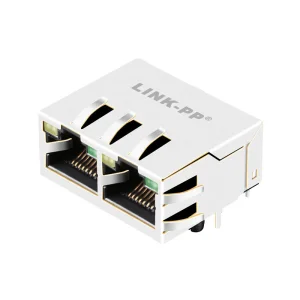
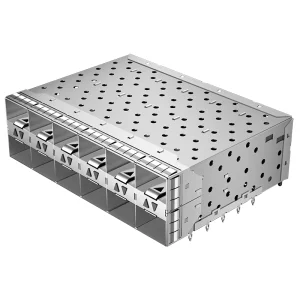
In addition to legacy 1x9 transceivers, FiddlLink supplies high-performance SFP cages, Ethernet connectors, and optical switches for global networks.