FiddlLink
FiddlLink
FiddlLink
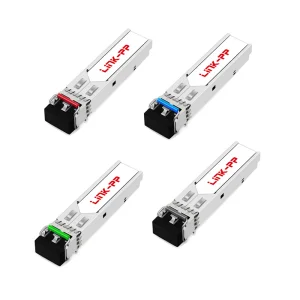
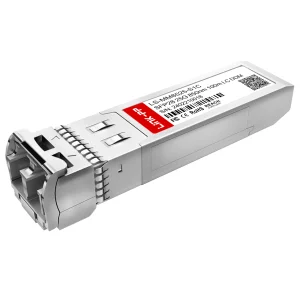
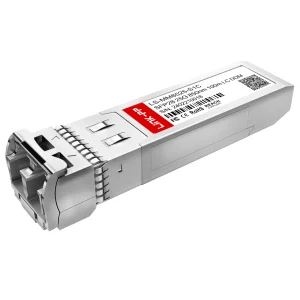
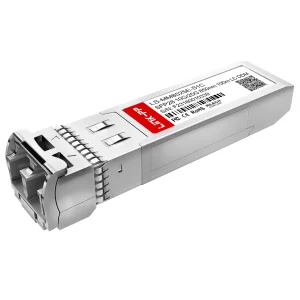
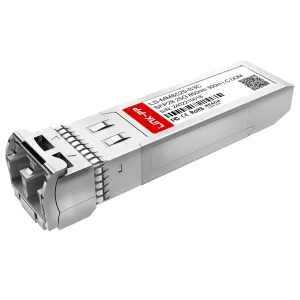
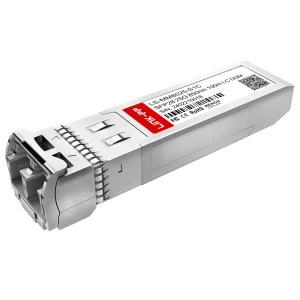
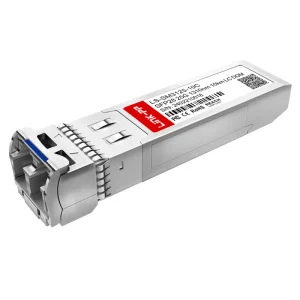
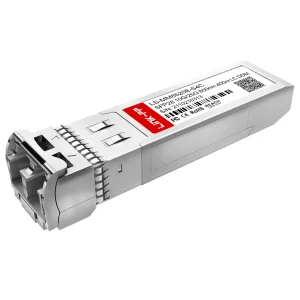
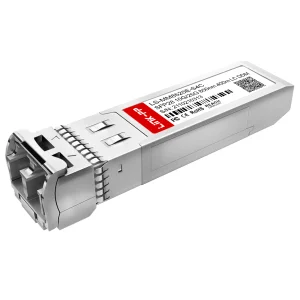
Explore our premium range of SFP28 transceiver modules engineered for 25Gb/s and 32Gb/s applications. These modules comply with SFF-8431, SFF-8432, and IEEE 802.3by standards, offering robust multi-vendor compatibility and exceptionally low power consumption.
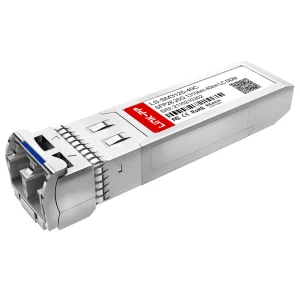
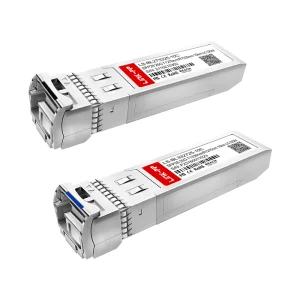
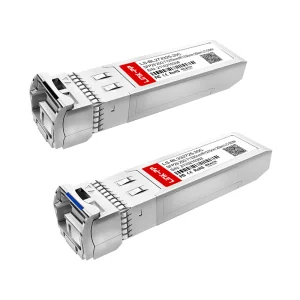
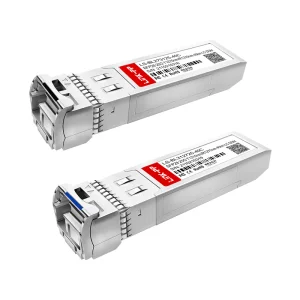
As modern data centers expand to support machine learning, high-frequency trading, and massive IoT aggregation, the limitations of traditional 10G SFP+ architectures become apparent. While 40G QSFP+ interfaces offered a temporary throughput fix, they utilize four parallel 10G lanes, causing substantial cabling overhead and sub-optimal switch port density.
Enter SFP28. Operating on a single 25Gb/s lane, SFP28 provides 2.5 times the bandwidth of 10G SFP+ while maintaining the exact same physical form factor. Furthermore, in enterprise Storage Area Networks (SANs), the 32G SFP28 Fibre Channel module has emerged as the definitive standard, ensuring back-compatibility with 16G and 8G storage infrastructures.
By deploying FiddlLink’s premium SFP28 modules, operators achieve significantly lower power-per-gigabit metrics, diminished heat dissipation requirements, and a streamlined structural path toward future 50G, 100G, and 400G networking designs.
Established in 2016, FiddlLink Optical Technology Co., Ltd. is a premier manufacturer and global supplier of high-performance optical transceivers and fiber optic communication systems. Our specialized product design serves critical operations within telecommunications networks, hyperscale data centers, enterprise infrastructure, and cloud computing architectures.
Our state-of-the-art facility spans over a 380 square meter cleanroom production floor, complete with advanced sub-assembly line cells and precision automated diagnostic instruments. With over 12 years of core industry expertise and 8 years of dedicated international export operations, FiddlLink has established key distribution networks across North America, Europe, Southeast Asia, the Middle East, and South America.
Supported by a robust R&D crew of 126 experienced engineers and an autonomous QA department containing 42 quality control experts, FiddlLink guarantees that every transceiver module shipped matches our rigorous performance specifications. In the last year alone, our engineers successfully launched 186 new high-speed optical transceivers, driving next-generation hardware designs to meet dynamically changing market trends.
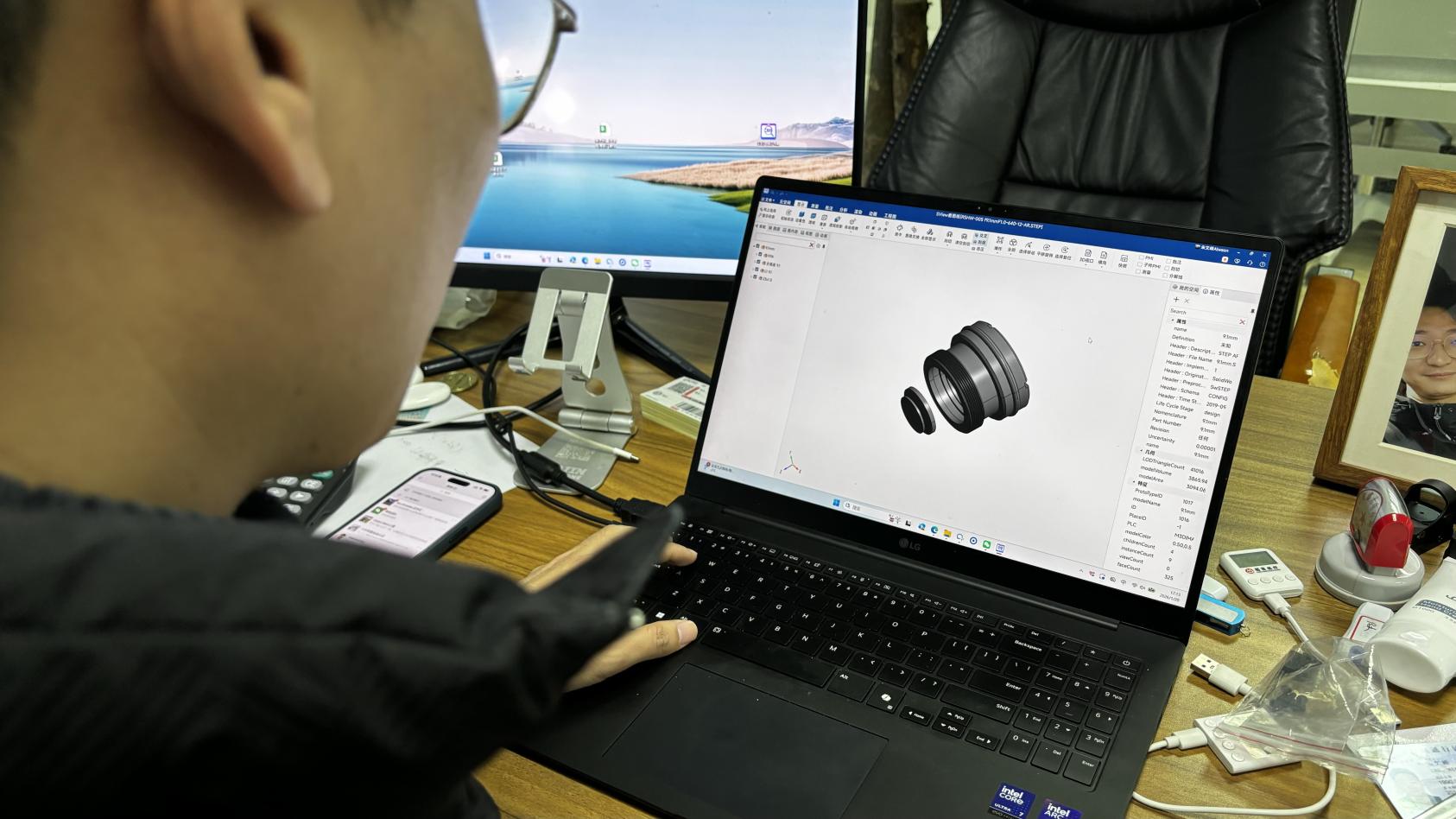
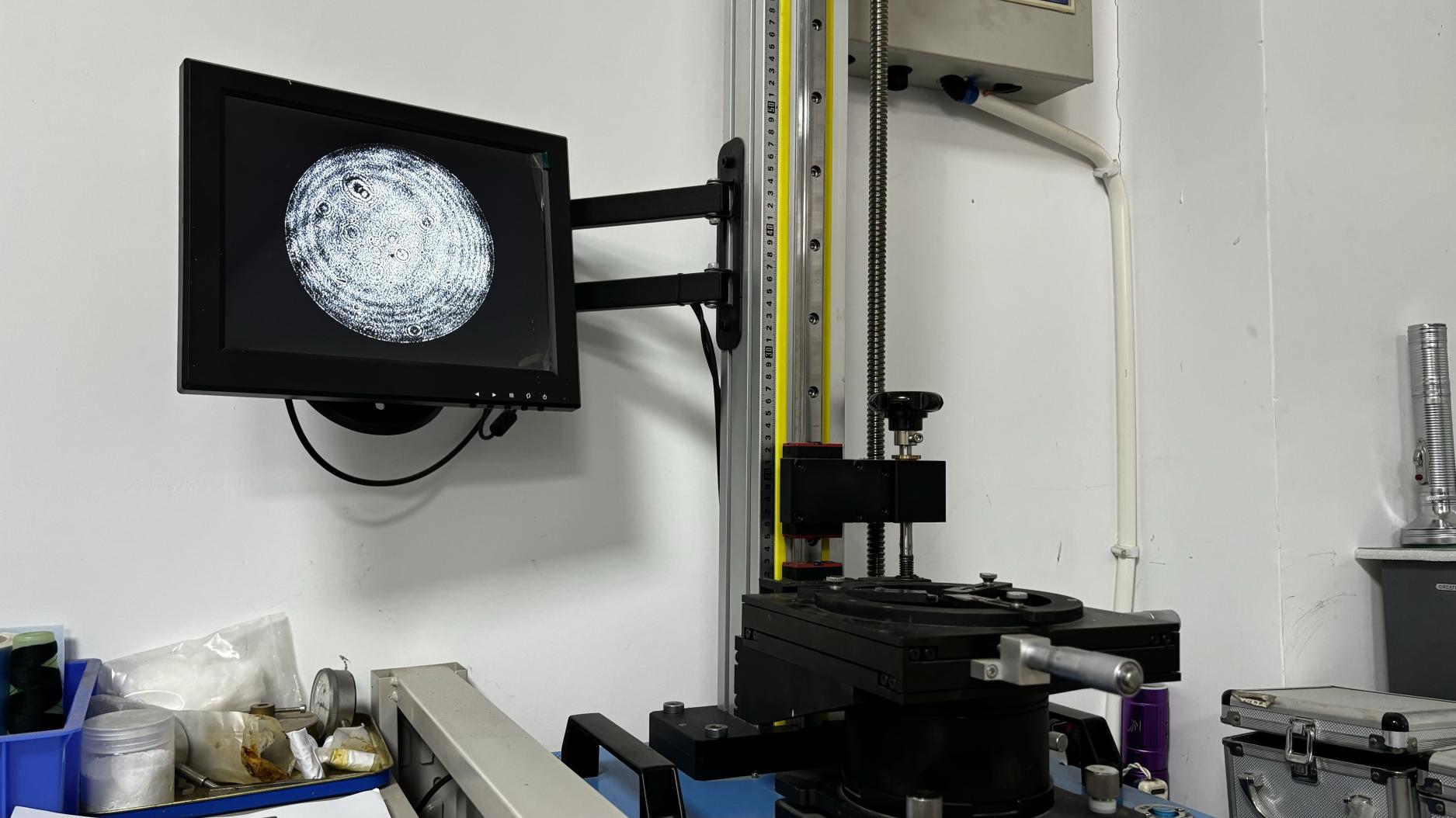
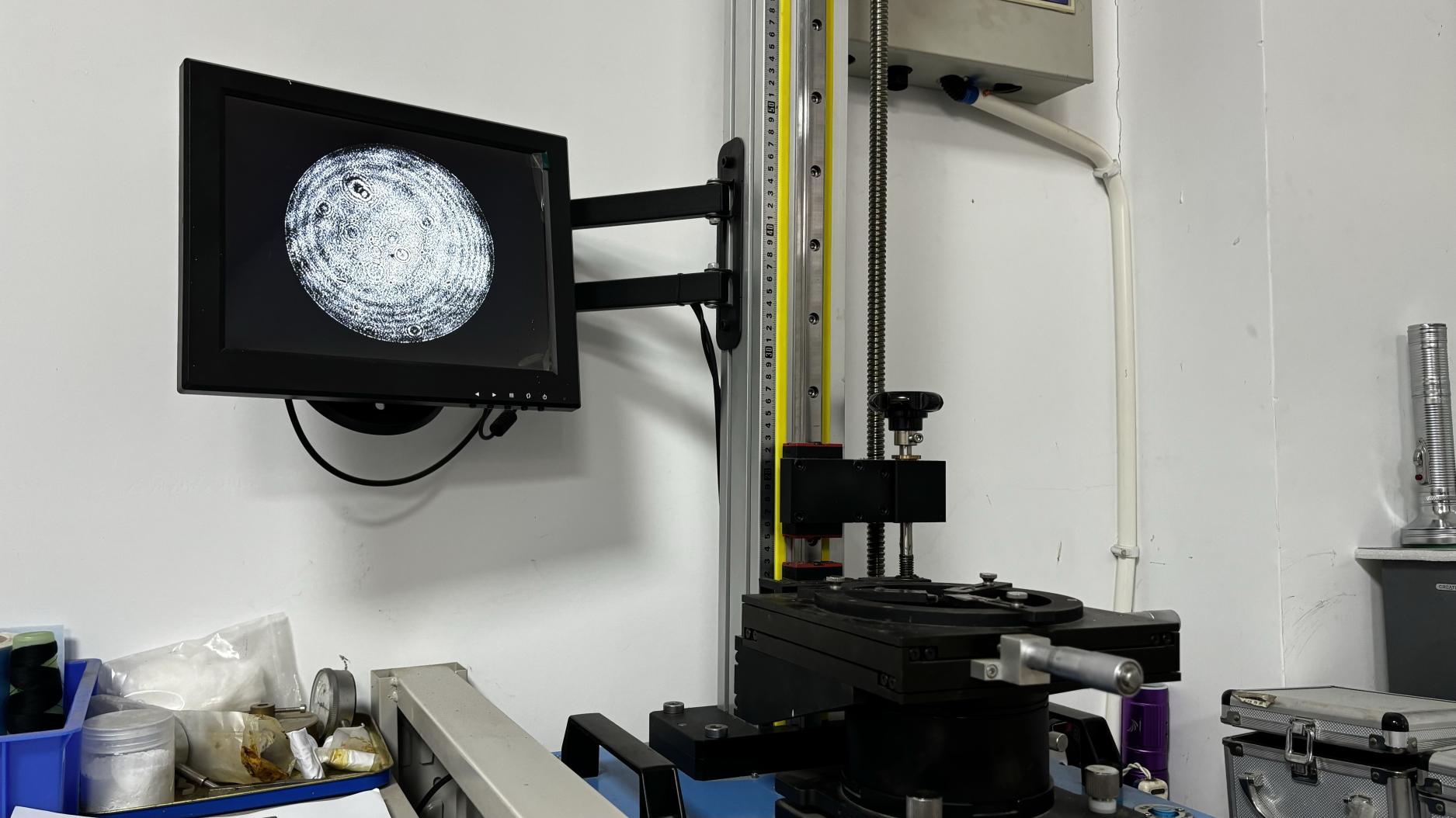
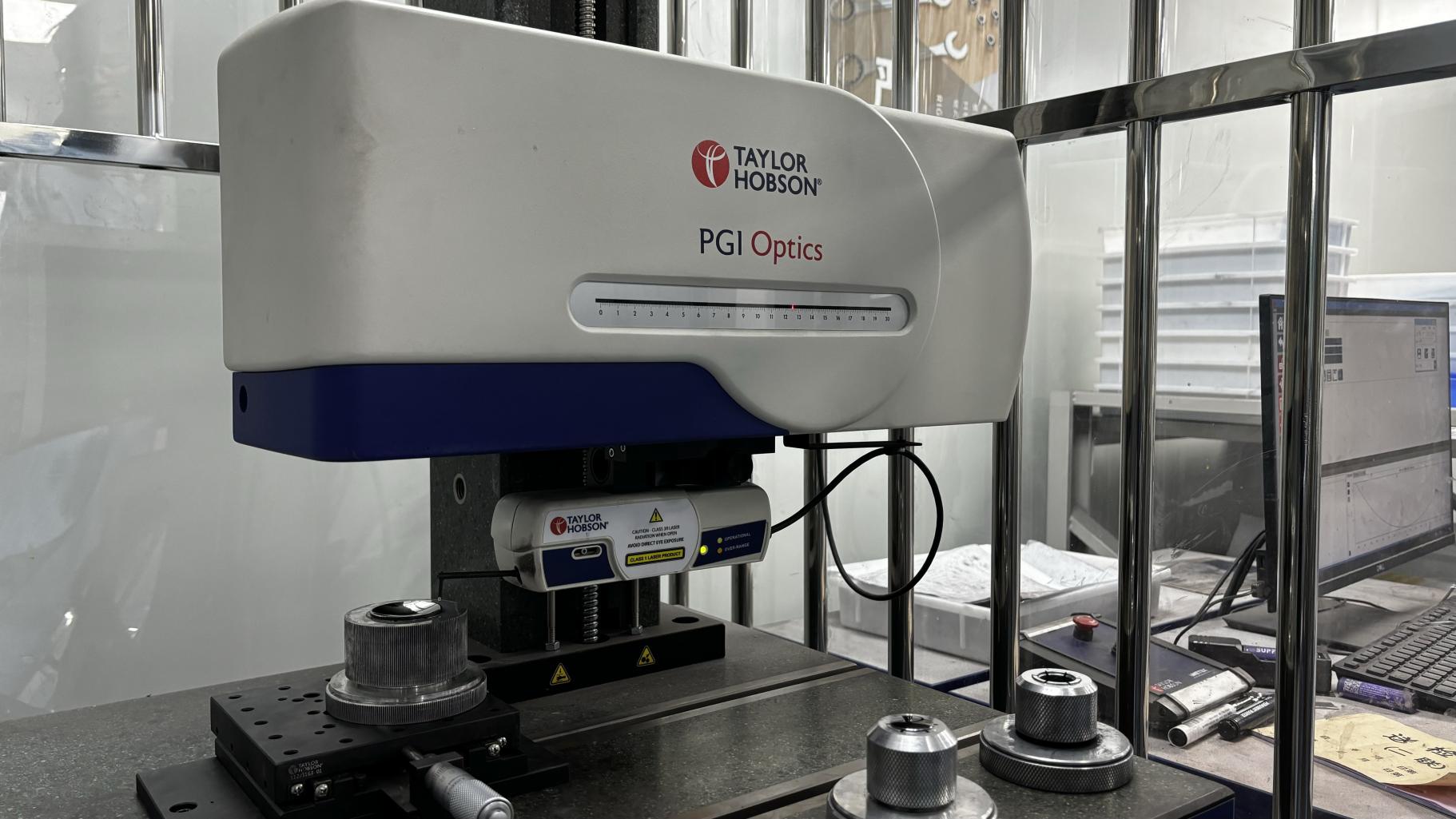
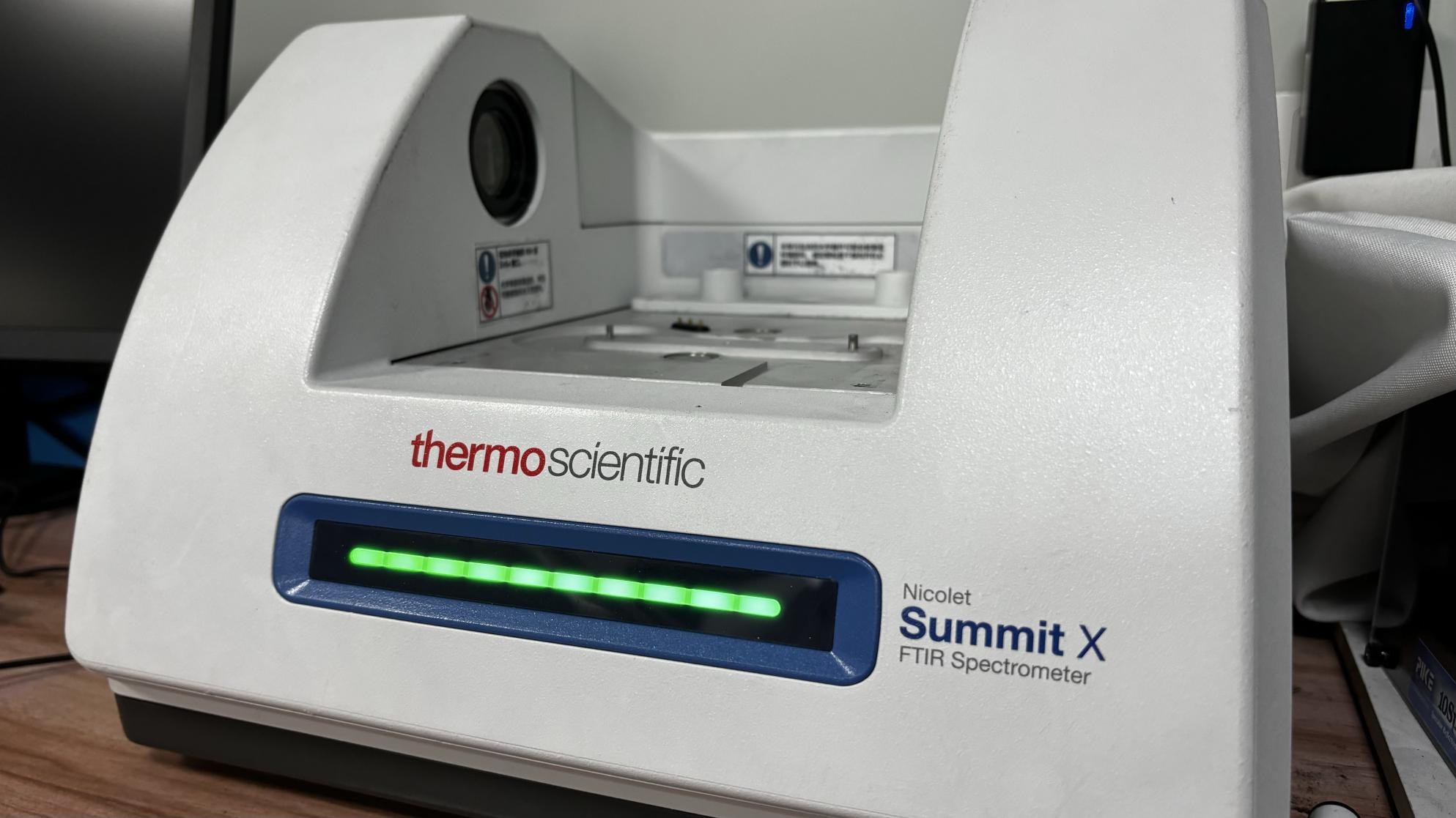
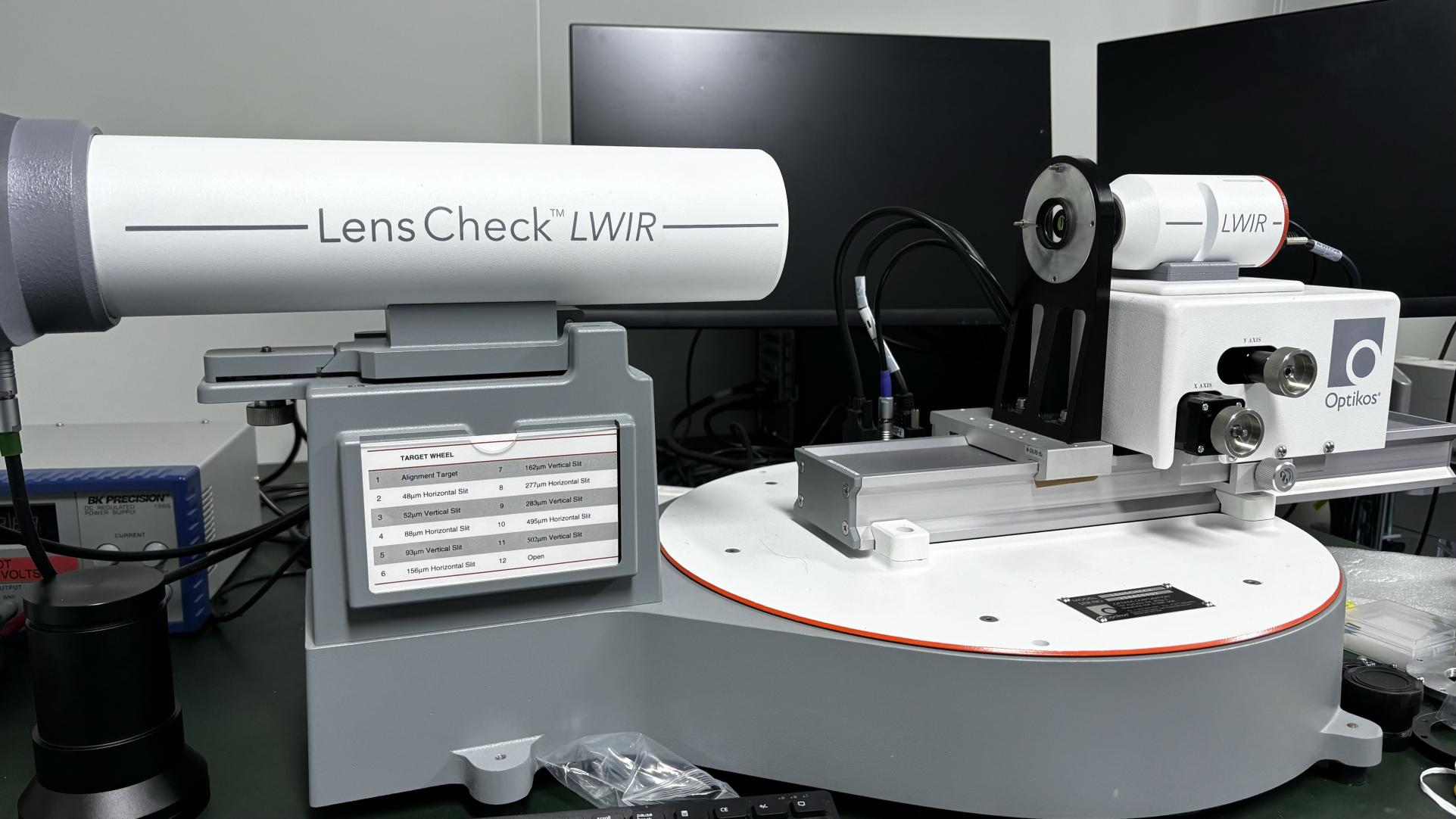
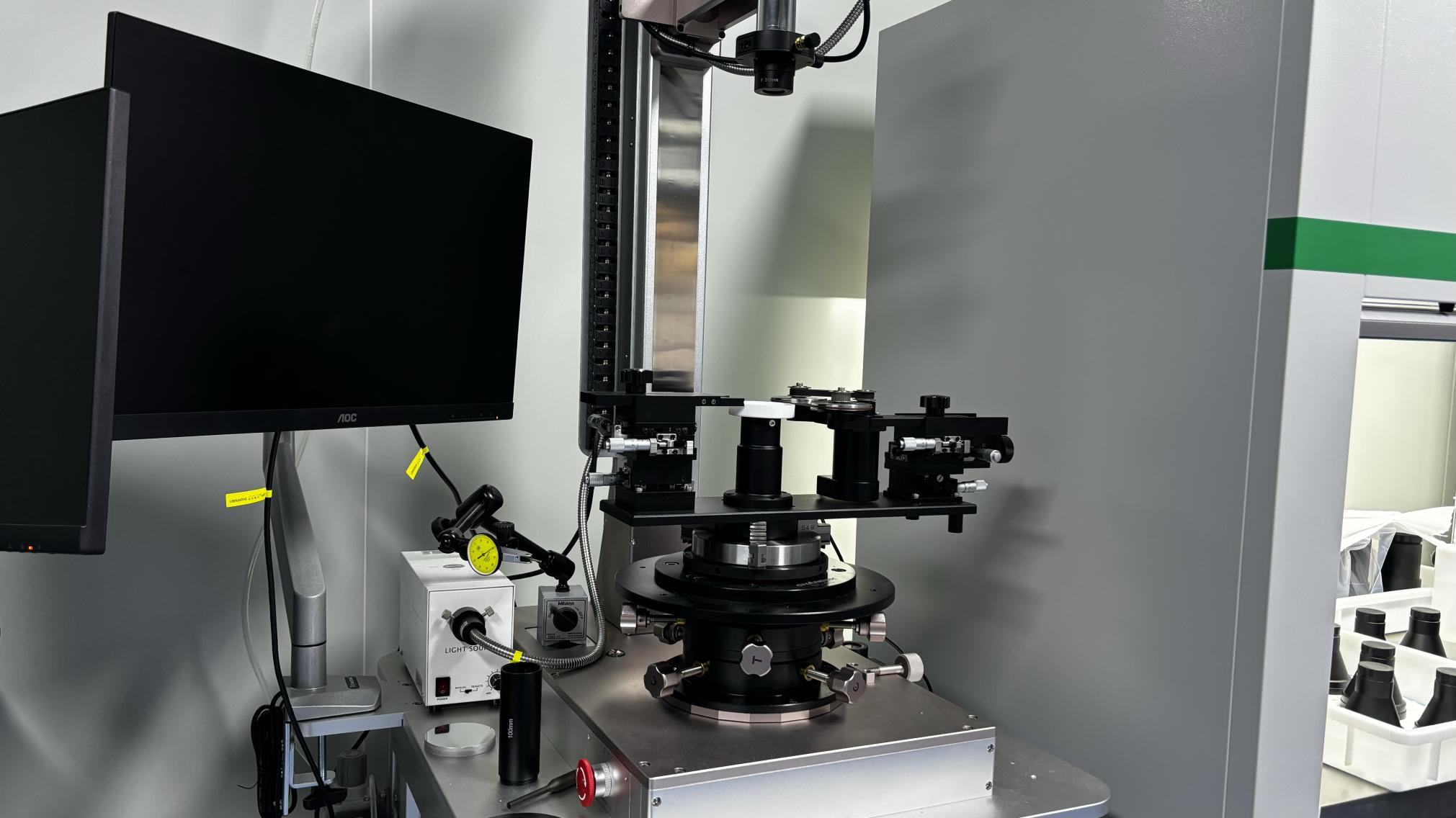
Consistent optical performance requires exceptional physical precision. Every component inside a FiddlLink transceiver—from the laser diode (TOSA) and photodetector (ROSA) to the micro-lenses and multiplexers—undergoes strict polishing, coating, alignment, and testing processes. Below is an inside look at our advanced hardware development workflow.
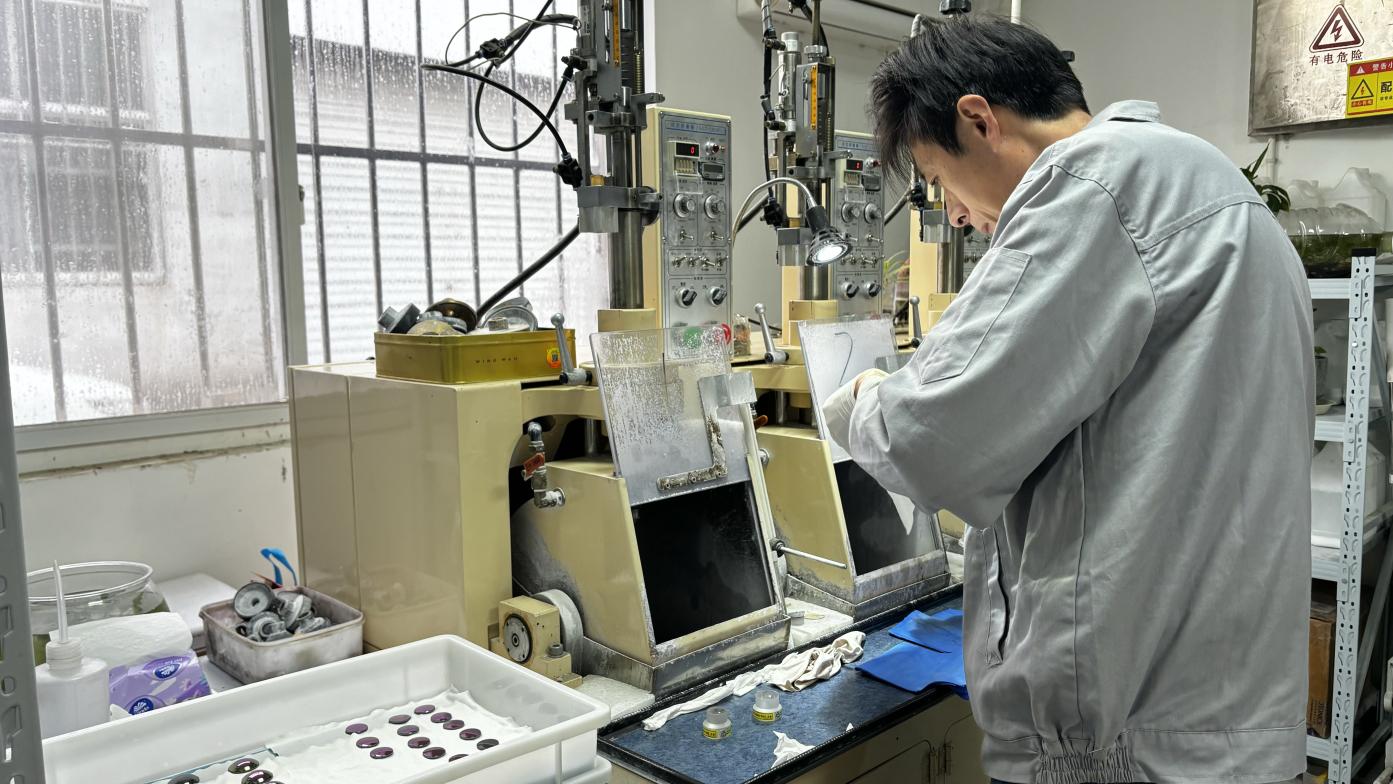
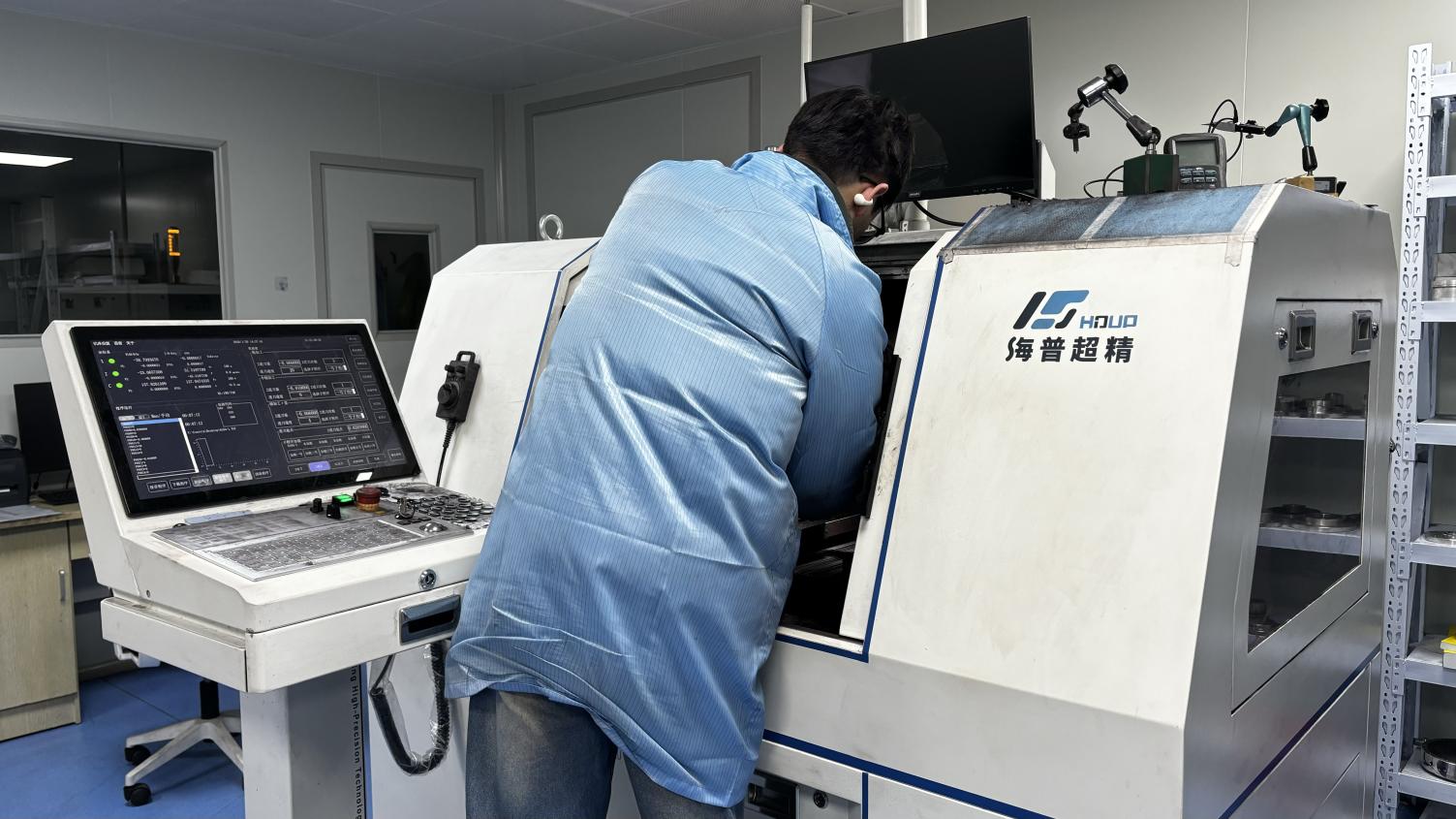
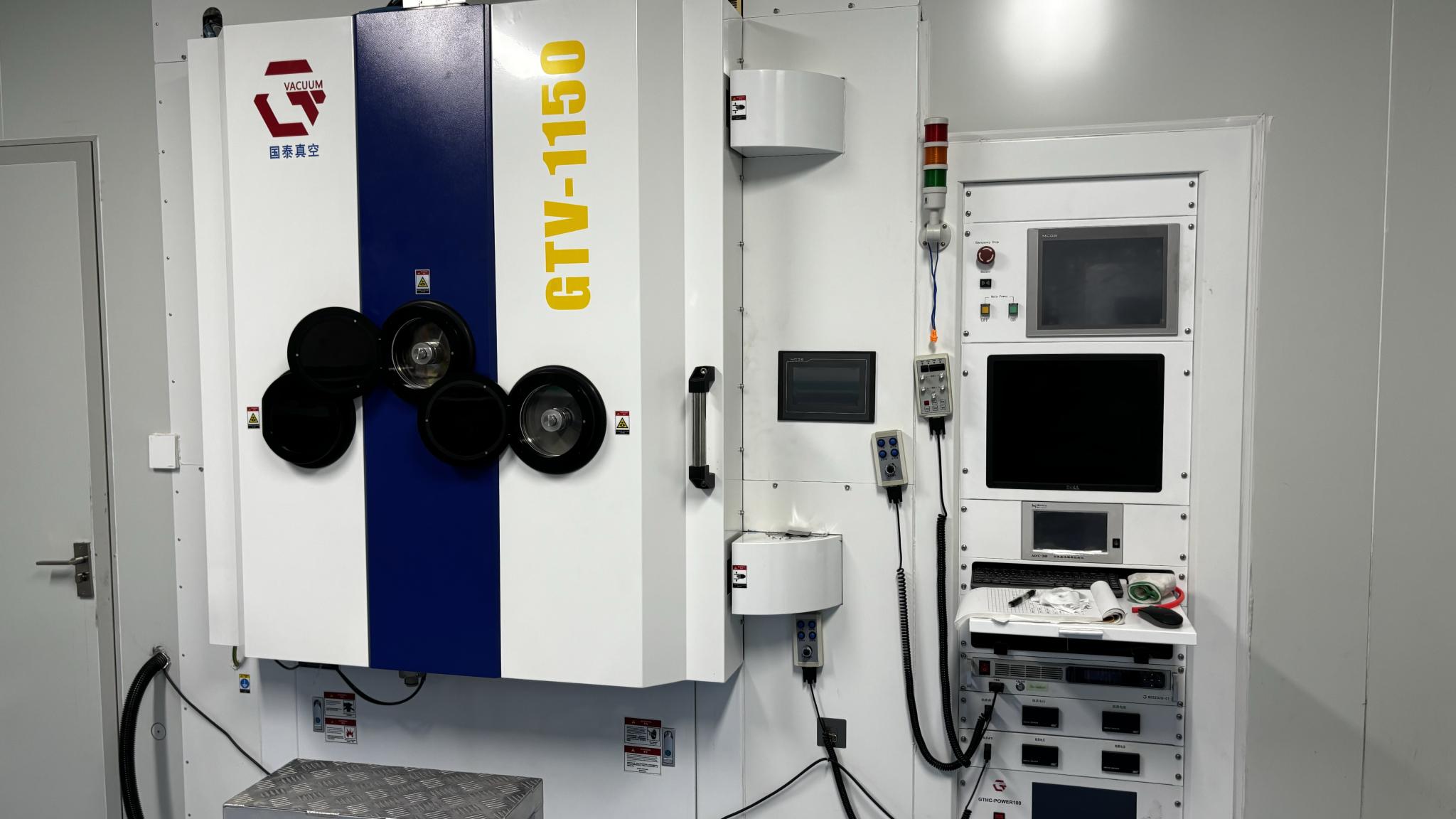
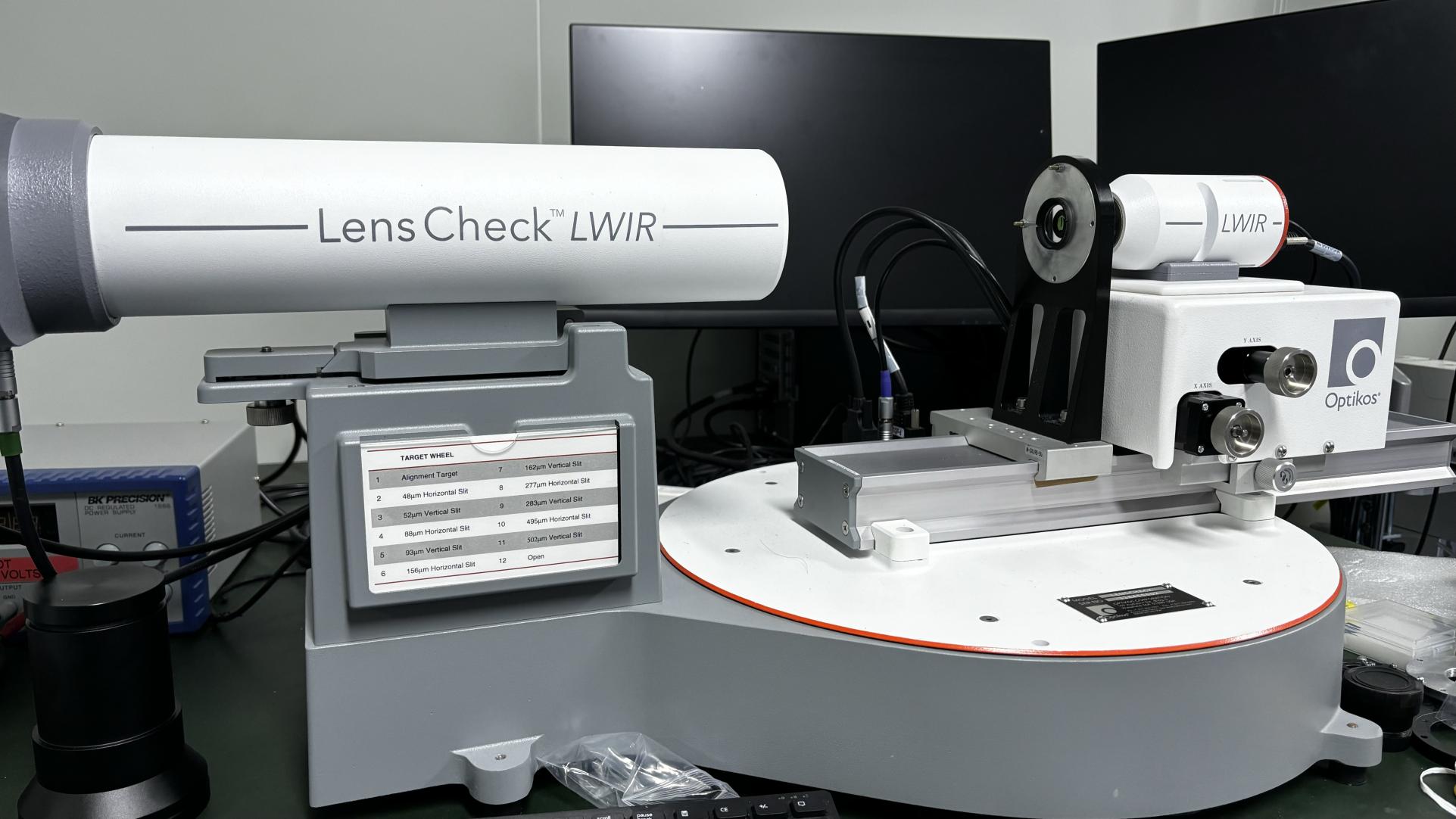
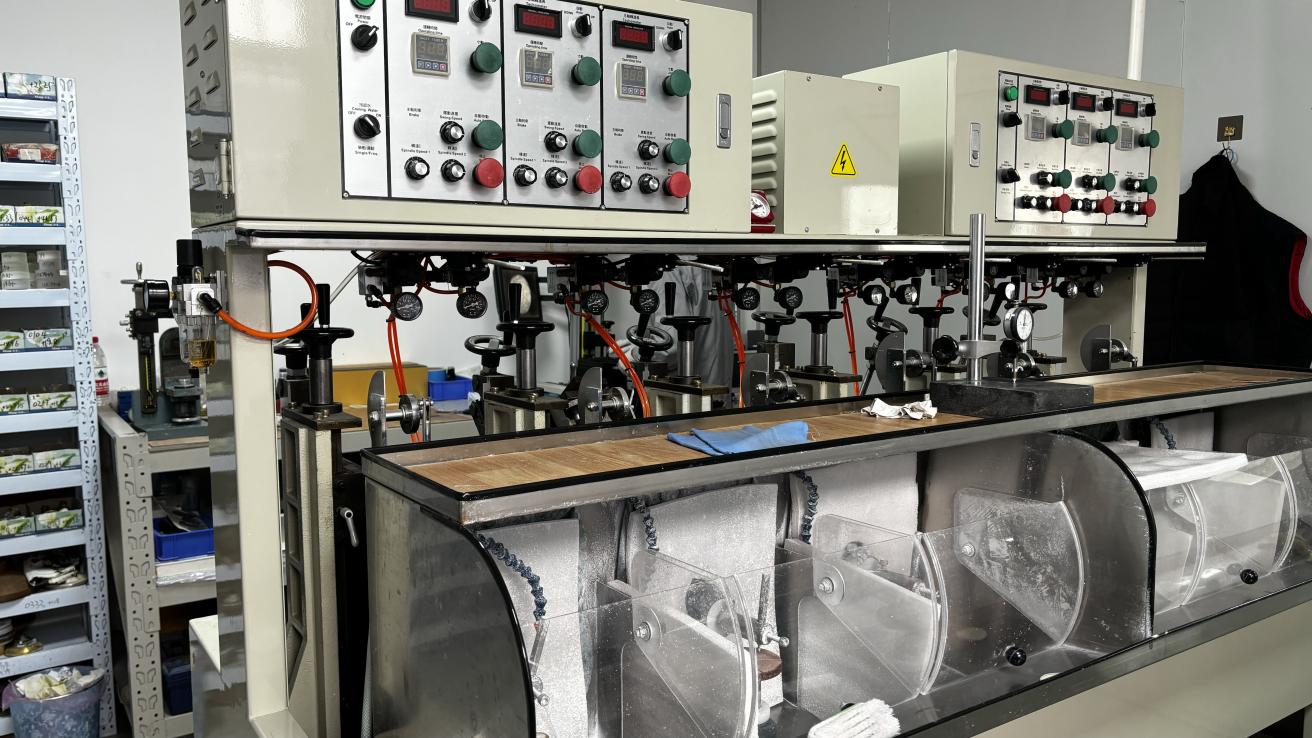
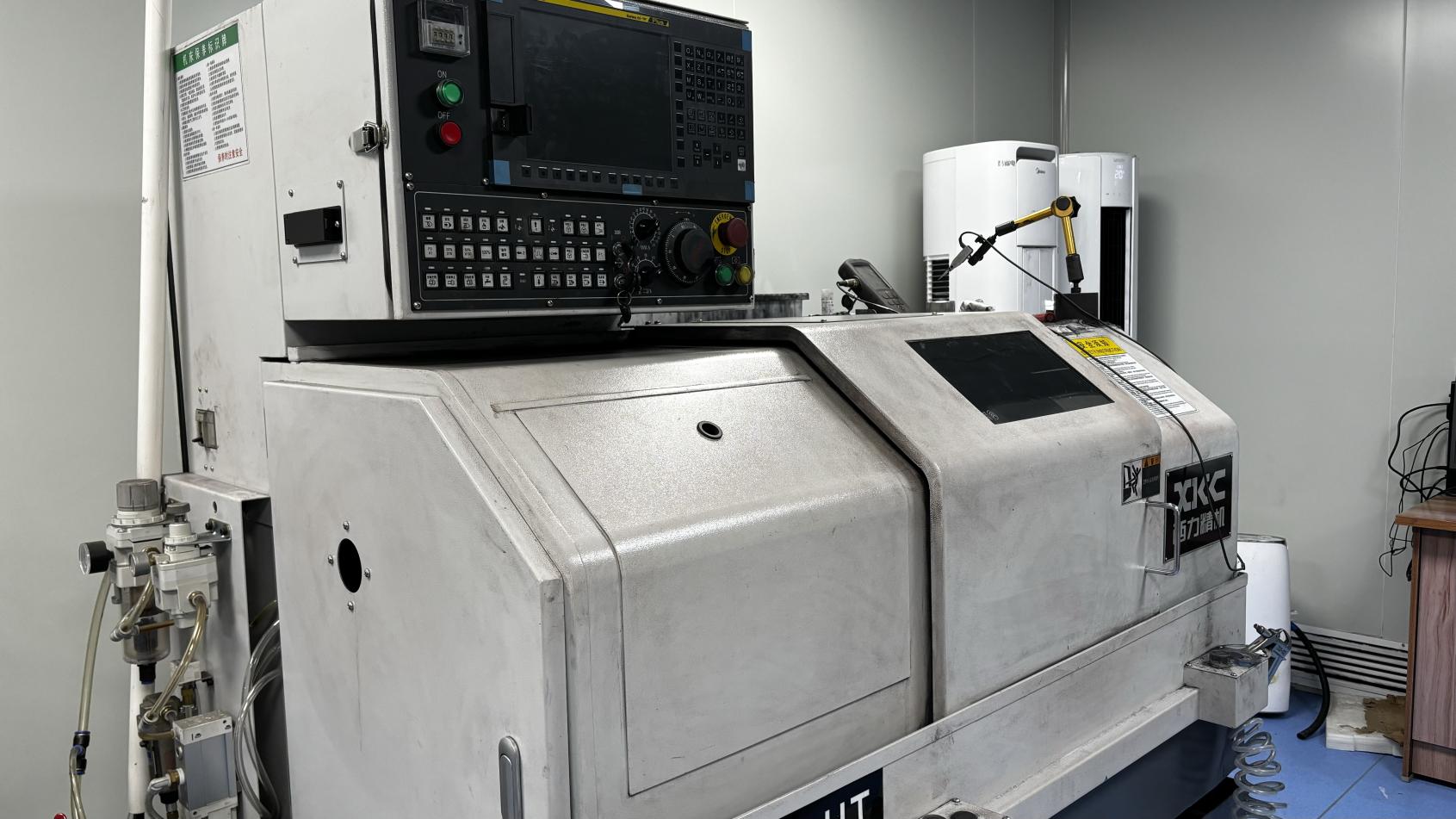
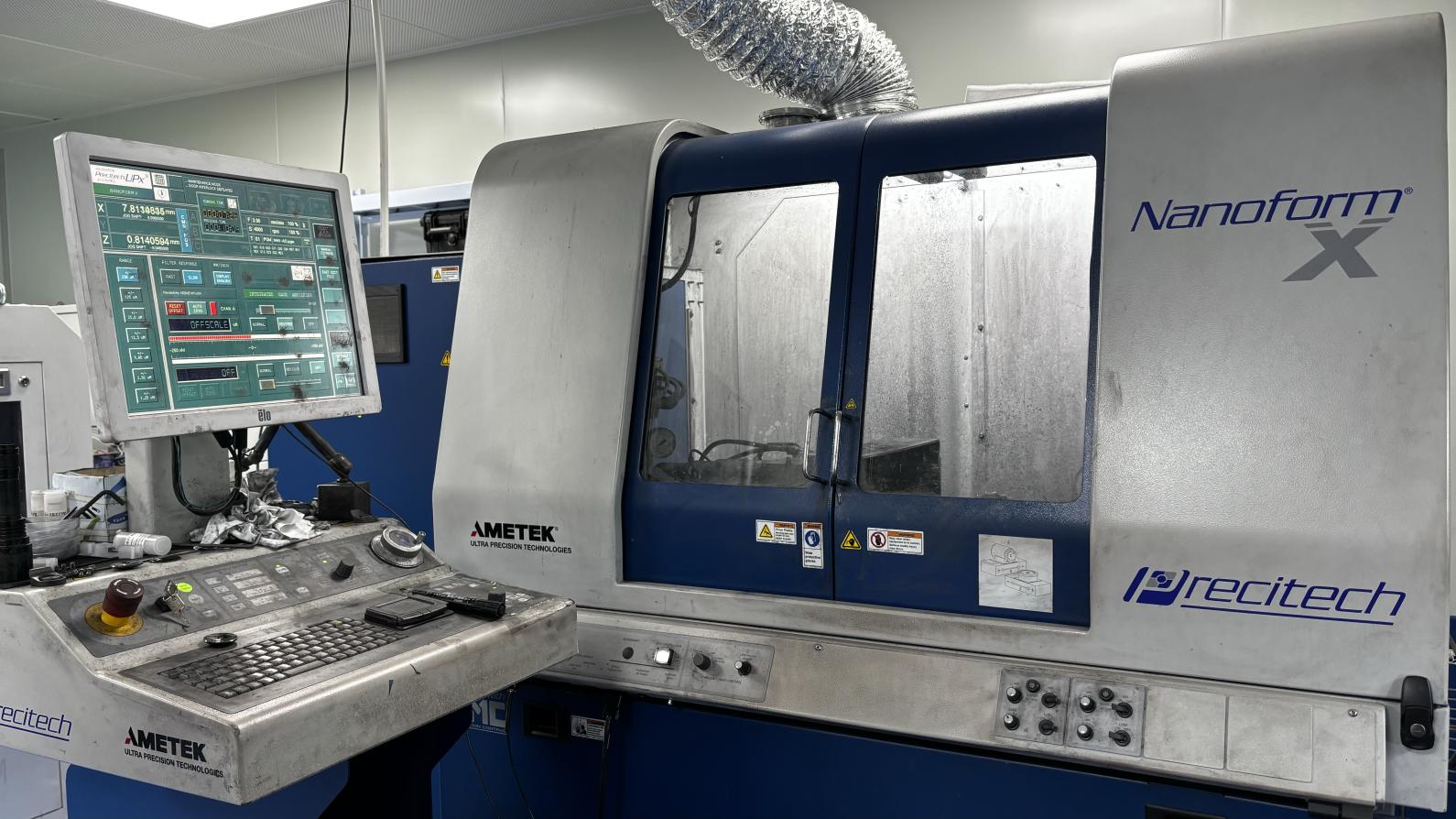
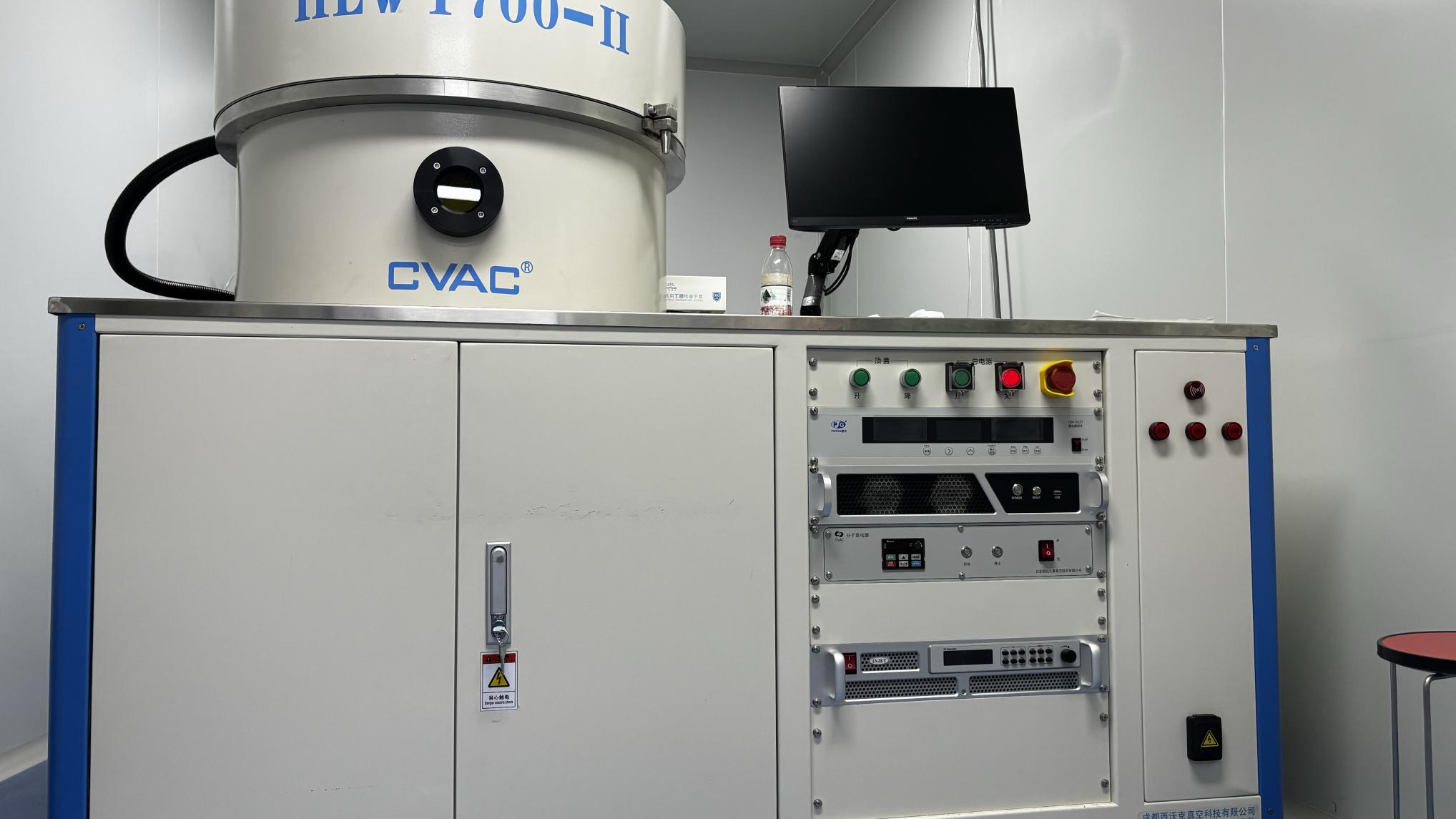

Enterprise network engineers and supply chain directors face complex challenges when sourcing optical hardware. The modern procurement landscape demands high volume, consistent quality, competitive pricing, and strict compatibility options.
Modern networks mix platforms like Cisco, Arista, Juniper, Dell, and Edgecore. Our transceivers are coded and verified at the factory to match the specific EEPROM signatures of major switch brands, eliminating link faults and firmware rejection issues.
Industrial-grade applications in telecommunication cells require operations between -40°C and 85°C. FiddlLink provides Commercial (0°C to 70°C), Extended (-20°C to 85°C), and Industrial grade options to prevent optical wavelength drift and fiber power degradation.
To bypass global component shortages, FiddlLink maintains strategic agreements with tier-one optoelectronic chip suppliers. With high-yield manufacturing and stockpiled key components, we guarantee reliable production cycles and fast delivery.
FiddlLink’s client assistance extends beyond the production line. We support network integrators and telecom distributors worldwide with comprehensive OEM/ODM customization services.
We offer custom engineering services to meet specific network design requirements, including custom hardware configuration, bespoke firmwares to match specialized switches, custom packaging, labeling, and laser etching.
All FiddlLink transceivers comply with recognized global standards, including RoHS, CE, FCC, and laser safety certifications (FDA/CDR Class 1). This ensures seamless integration into regulatory-compliant environments across North America, Europe, and Asia.
The continuous demand for higher bandwidth is driving optical networking technology forward. The SFP form factor is evolving past 25G/32G limits. Using PAM4 modulation, 50G SFP56 transceivers are seeing wider deployment, while SFP-DD (Double Density) interfaces allow 100G transmission over single SFP ports using two-lane architectures.
FiddlLink is actively investing in new product development, focusing on Silicon Photonics (SiPh) integration and Coherent Optical technology for the edge network. Our technical roadmap aims to provide 100G and 200G transceivers within compact, low-power envelopes. This research enables our customers to scale up link density and range while minimizing infrastructure upgrade costs.
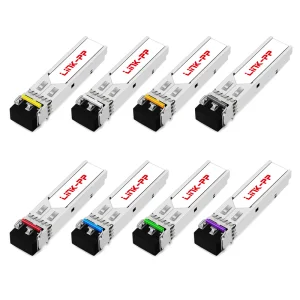
Discover our extended range of long-distance single-mode, CWDM, DWDM, and specialty dual-rate modules designed for metropolitan area networks (MANs) and remote edge site connectivity.