FiddlLink
FiddlLink
FiddlLink
Industry-standard, MSA-compliant, and rigorously tested hot-pluggable transceivers for mission-critical deployments.
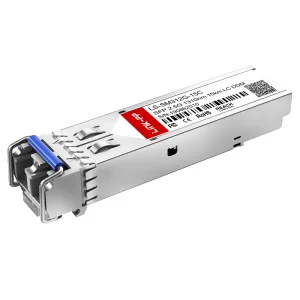
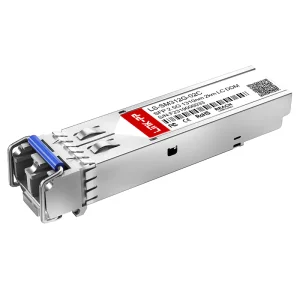
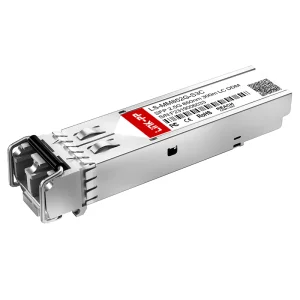
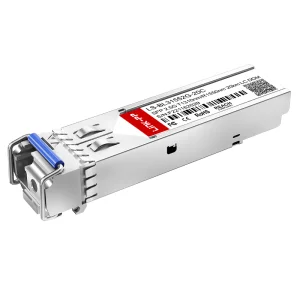
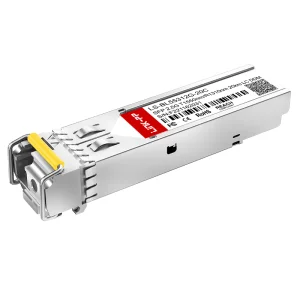
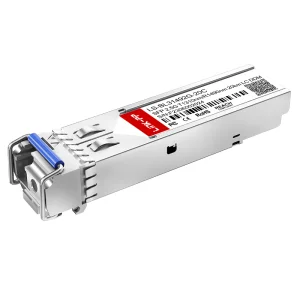
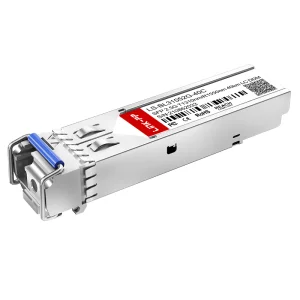
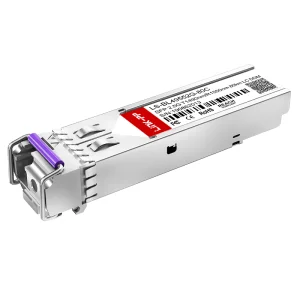
FiddlLink Optical Technology Co., Ltd. is a professional manufacturer and supplier of high-performance optical transceivers and fiber optic communication solutions. Established in 2016, the company specializes in the research, development, production, and global distribution of optical networking products for data centers, telecommunications networks, enterprise infrastructure, and cloud computing applications.
Our modern manufacturing facility covers an area of 380 square meters and is equipped with advanced production and testing equipment to ensure consistent product quality and reliable performance. With over 12 years of industry experience and 8 years of export experience, FiddlLink has built a strong reputation among customers worldwide for delivering innovative, cost-effective, and dependable optical communication products.
Driven by innovation, FiddlLink maintains a strong research and development team consisting of 126 experienced engineers and technical specialists. Our R&D department continuously develops new technologies and products to meet evolving market demands. In the past year alone, we successfully launched 186 new products covering various optical transceiver standards and network applications.
The global demand for bandwidth is accelerating at an unprecedented rate, driving the transition from legacy 1G networks to multi-gigabit infrastructures. Within this landscape, 2.5G to 6G SFP modules occupy a vital niche. They serve as the backbone for next-generation wireless base stations (CPRI/eCPRI front-haul), high-speed enterprise broadband connectivity (GPON/XG-PON upgrades), and edge routing equipment.
Furthermore, in the cellular telecommunications sector, the transition from 3G/4G to 5G requires ultra-reliable, low-latency fronthaul links. CPRI (Common Public Radio Interface) protocols rely heavily on SFP modules ranging from 2.4576 Gbps (CPRI Option 3), 3.072 Gbps (CPRI Option 4), 4.9152 Gbps (CPRI Option 5), to 6.144 Gbps (CPRI Option 6). Providing stable transceivers within these rate parameters is paramount for telecommunication operators globally.
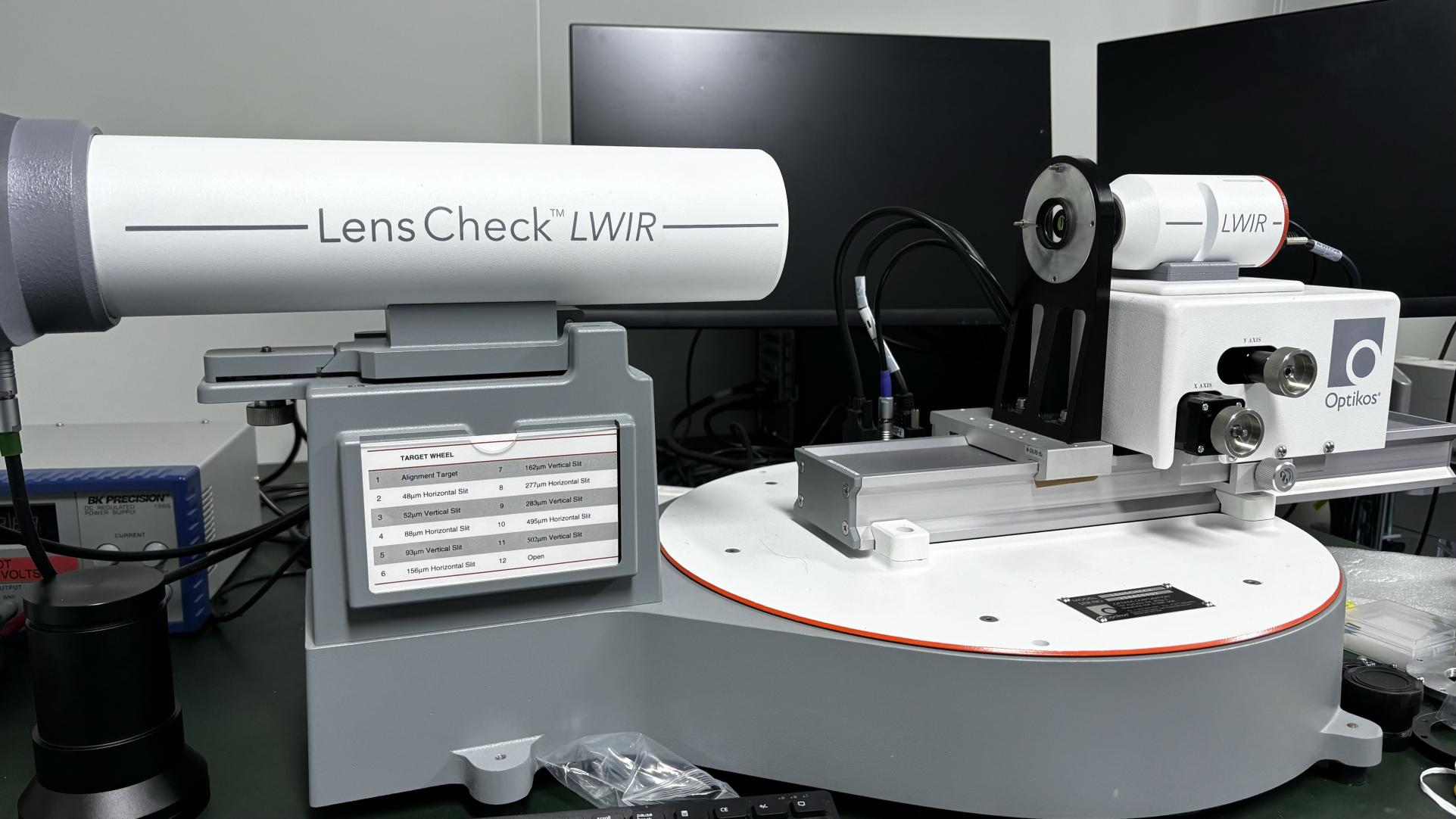
Equipped with state-of-the-art optical processing and test instruments, FiddlLink guarantees flawless interoperability and performance.





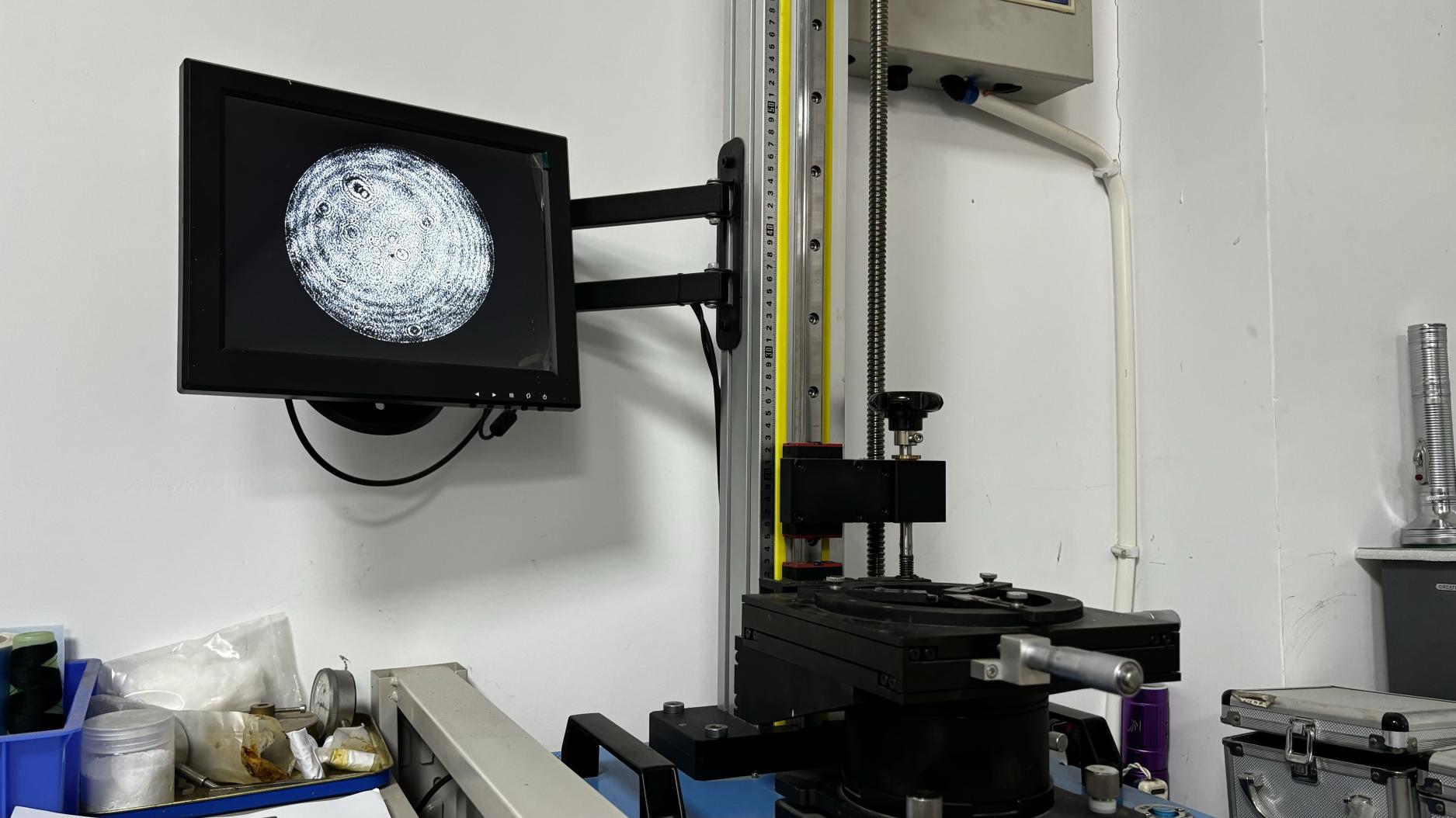
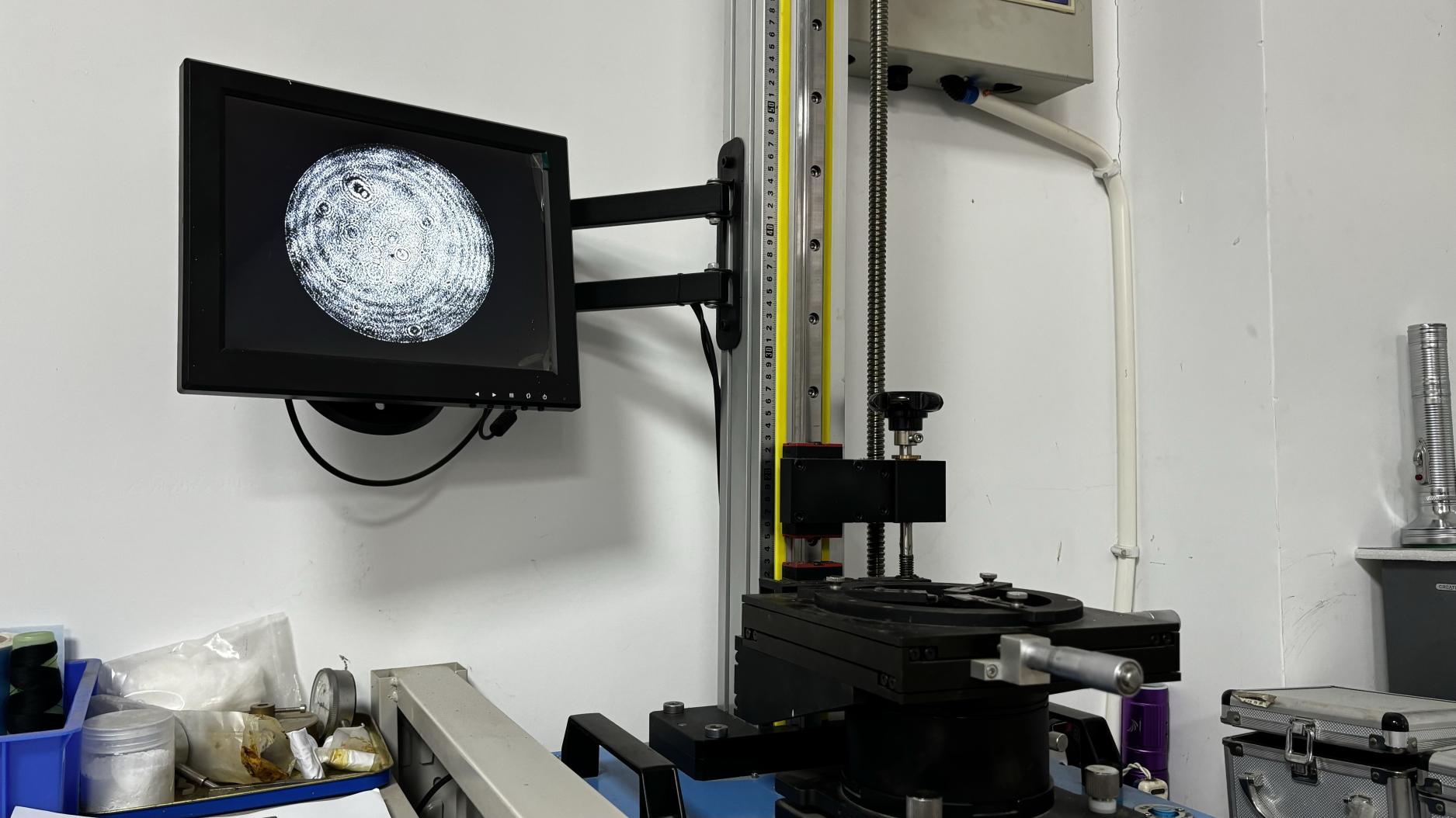
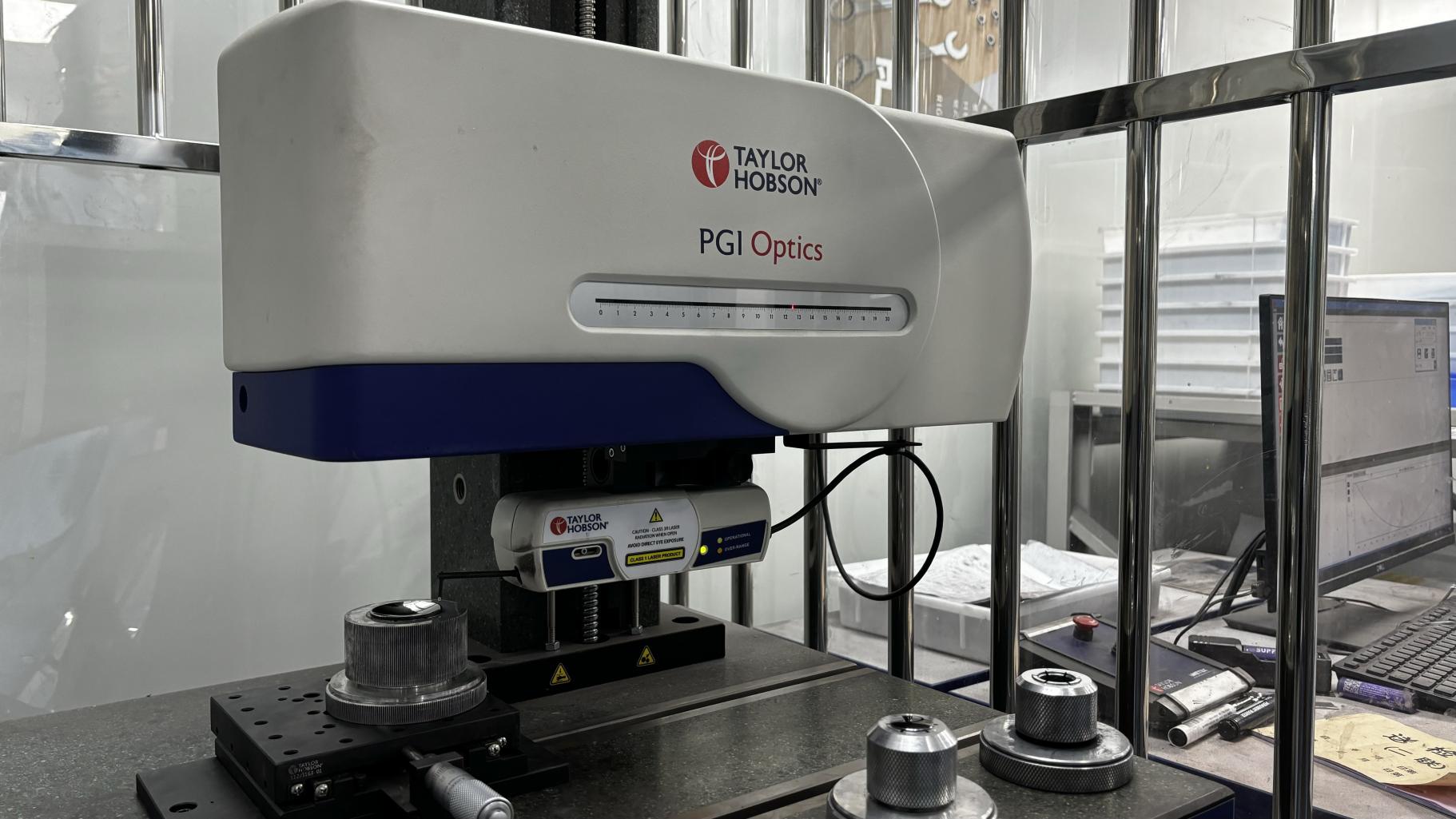
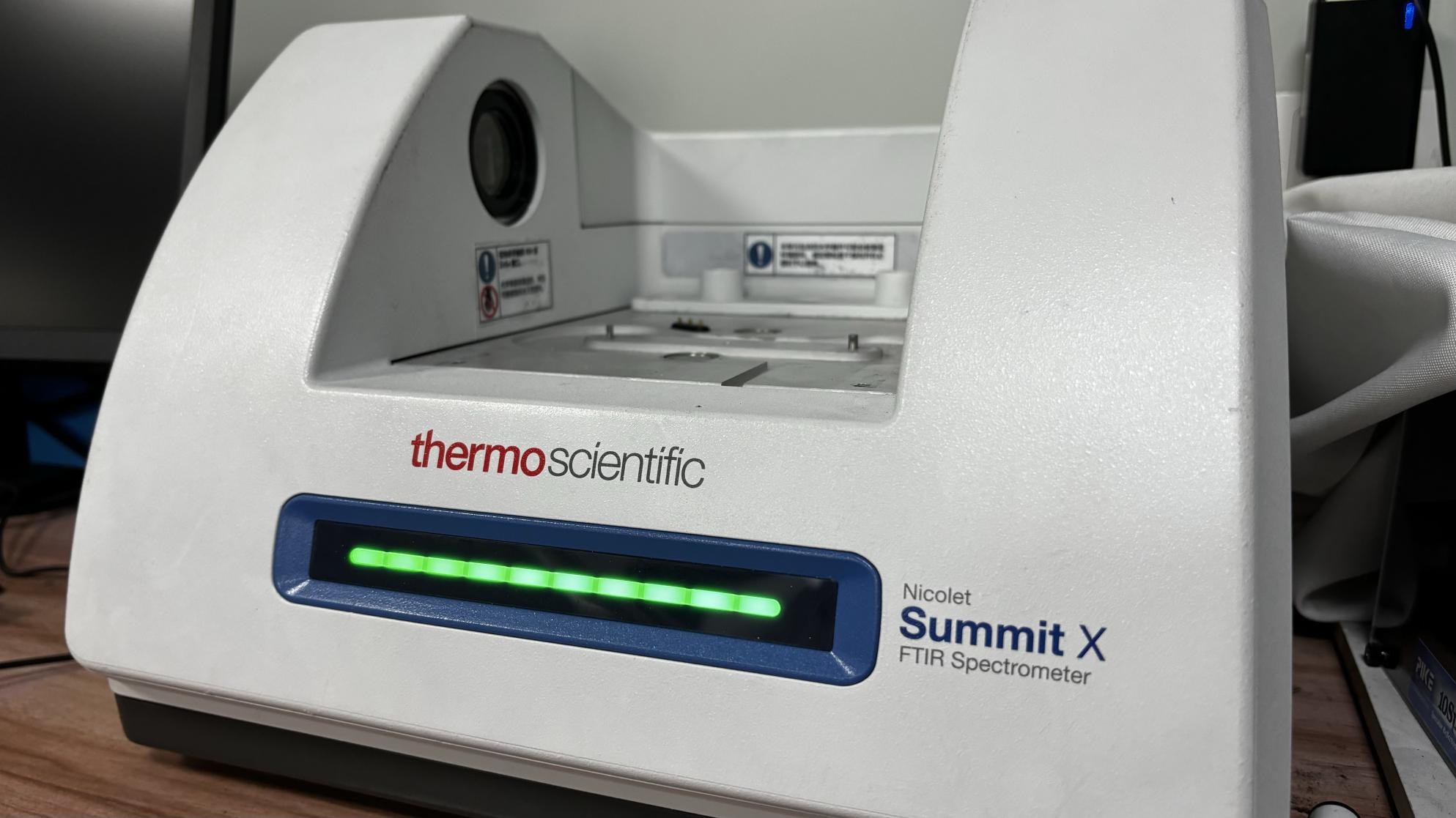

For system integrators, telecommunication networks, and corporate enterprise buyers, selecting a 2.5G~6G SFP Module factory requires assessing multiple variables beyond unit pricing. Procurement professionals seek suppliers who can mitigate supply chain risks, guarantee compatibility, and deliver long-term reliability.
One of the most persistent issues in fiber optic deployments is brand lock-in. OEM switches and routers (such as Cisco, Juniper, Huawei, Arista, and HP) employ software locks that reject third-party optics. FiddlLink addresses this problem through our comprehensive compatibility programming department. Our transceivers are configured with EEPROM signatures matching your target brand, ensuring seamless plug-and-play capability without triggering device errors.
FiddlLink's high-reliability transceivers incorporate DDM technology in accordance with SFF-8472. This feature permits real-time tracking of critical operating metrics, including:
Standard commercial-grade SFP modules are rated for temperatures between 0°C and 70°C. For industrial settings, remote cellular base stations, or outdoor FTTx cabinets, procurement teams must request Industrial Temperature (-40°C to 85°C) versions. FiddlLink produces both Commercial and Industrial-grade SFP modules, implementing rigorous temperature cycling testing to verify transceiver performance under extreme environments.
Our 2.5G~6G SFP Modules are deployed across a variety of network topologies globally, resolving complex transmission challenges in telecommunications, campus networks, and industrial systems.
As cellular network operators transition toward virtualized Radio Access Networks (vRAN), optical fronthaul links between the Baseband Unit (BBU) and Remote Radio Head (RRH) require consistent, low-latency connections. FiddlLink's 6G CPRI optical transceivers provide highly reliable fiber links over distances ranging up to 40km. These modules support CPRI Option 3 to Option 6 protocols, ensuring stable mobile voice and data transmission.
To support next-generation FTTH (Fiber to the Home) services, internet service providers (ISPs) must upgrade local exchange hubs and central offices. By integrating our 2.5G SFP Bidirectional (Bidi) modules, operators can double the bandwidth capability of existing single-mode fiber links, avoiding the costly layout of new physical cable networks.
Modern commercial buildings deploy multi-gigabit access points to handle high density client networks. Standard 1G Ethernet backhaul links create significant data bottlenecks. Upgrading to 2.5G/5G switches outfitted with compatible FiddlLink SFP modules delivers an immediate, cost-efficient boost to network throughput without requiring recabling.
Operating a professional production facility requires strict adherence to international regulatory frameworks. To guarantee reliable performance in diverse environments, FiddlLink transceivers comply with the following standards:
Quality is at the core of everything we do. FiddlLink operates a comprehensive quality management system supported by 42 professional quality control personnel. Every product undergoes rigorous inspections, including incoming material inspection, production process monitoring, optical performance testing, environmental reliability testing, and final product verification before shipment.
As communication systems advance toward higher frequencies and wider bandwidths, the technology supporting 2.5G to 6G optical architectures continues to progress. FiddlLink's engineering team is focused on developing next-generation optical solutions, focusing on:
Expert technical answers addressing common deployment and compatibility questions.
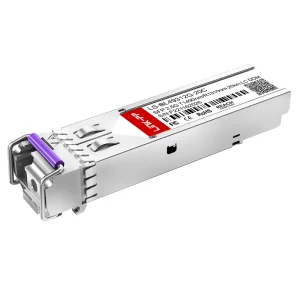
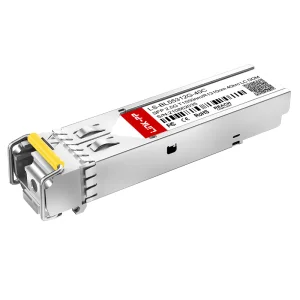
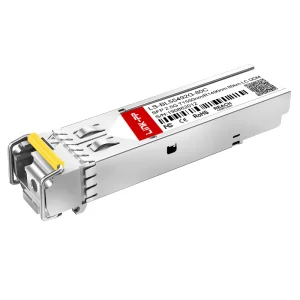
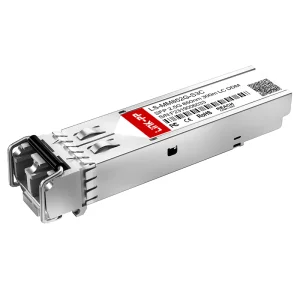
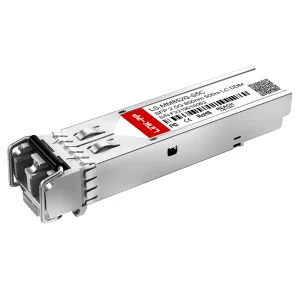
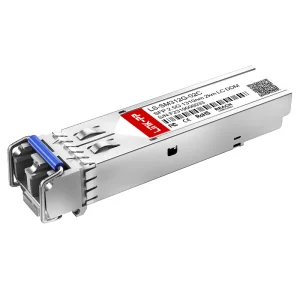
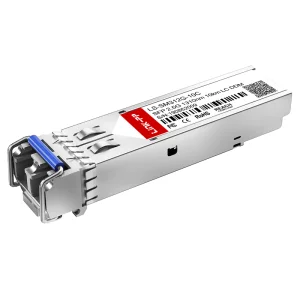
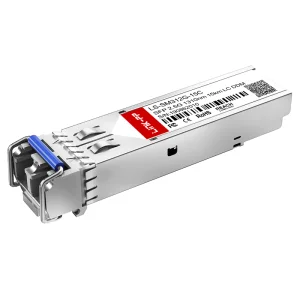
High-reliability Bidi, Duplex, and Industrial-grade SFP transceivers tailored to global telecom specifications.