FiddlLink
FiddlLink
FiddlLink
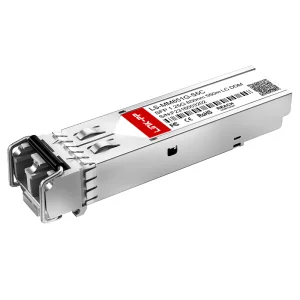
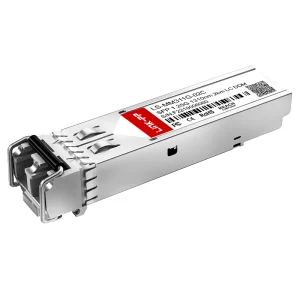
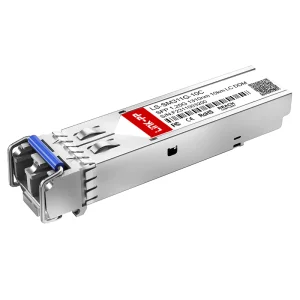
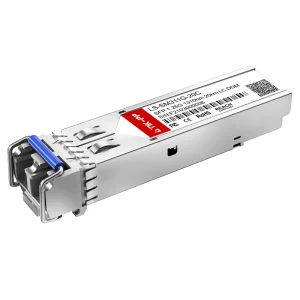
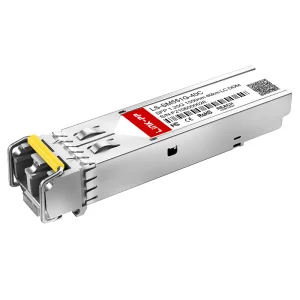
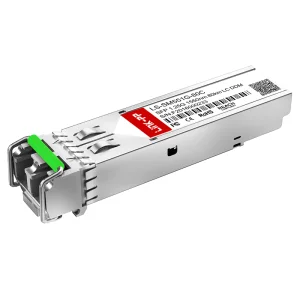
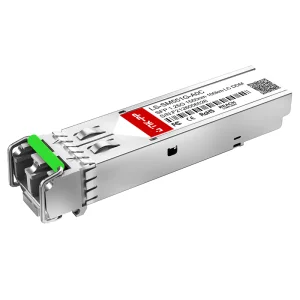
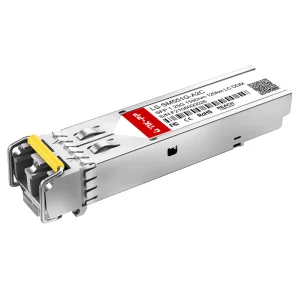
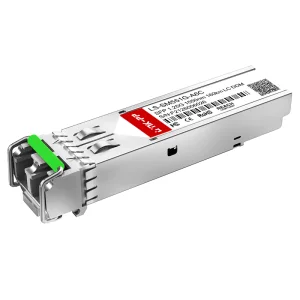
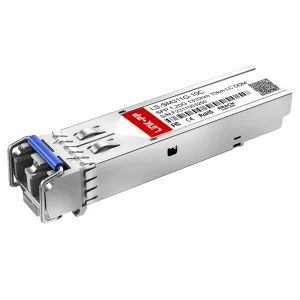
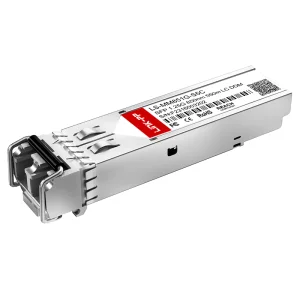
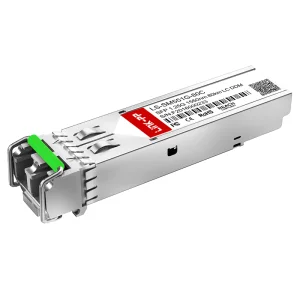
Explore our hot-pluggable optical transceivers compliant with SFP Multi-Source Agreement (MSA) standards for diverse transmission distances and optical interfaces.
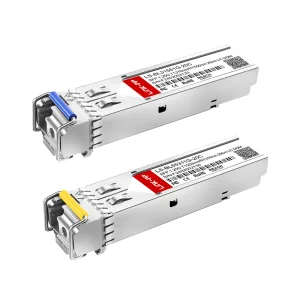
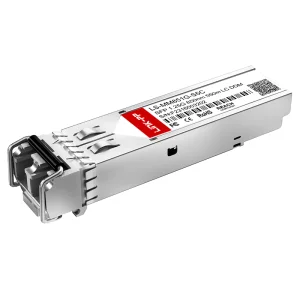
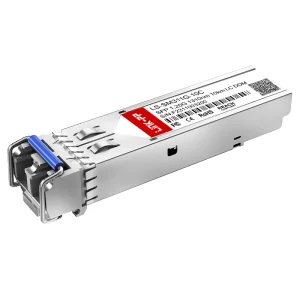
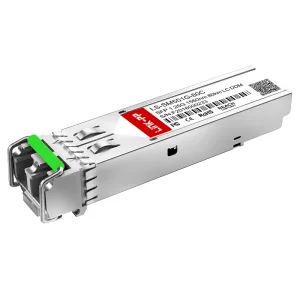
Evaluating the persistent engineering requirements, economic efficiency, and architectural robustness of gigabit optical modules in modern transmission networks.
In an era dominated by rapid transitions to 100G, 400G, and even 800G optical links within hyper-scale data centers, the 1.25G SFP (Small Form-Factor Pluggable) optical transceiver remains a cornerstone of global industrial networking, enterprise LAN infrastructure, and telecommunication access loops. The persistent demand for Gigabit Ethernet (GbE) and 1G Fiber Channel architectures stems from their unmatched stability, low power profiles, structural maturity, and highly optimized cost-to-performance ratio.
From an enterprise and industrial networks perspective, 1.25G SFP modules form the physical-layer interface connecting edge devices, industrial switches, IP surveillance nodes, and base station control panels. Operating over Singlemode Fiber (SMF) or Multimode Fiber (MMF), these hot-swappable transceivers enable network administrators and systems integrators to modularly scale system reaches from 550 meters (using 850nm VCSEL transmitters) up to extended reaches of 120km and 160km (utilizing highly-stabilized DFB or EML lasers operating at 1550nm). This high-performance versatility makes the 1.25G SFP indispensable for macro-infrastructure projects across the globe.
Industries worldwide rely on seamless data transmission. Today, manufacturing systems, utility networks, and municipal transportation systems rely heavily on Gigabit Fiber Rings (specifically ring topologies such as ERPS - Ethernet Ring Protection Switching) to ensure zero-loss failover scenarios. Standardizing on 1.25G SFP modules ensures low latency, minimal thermal dissipation, and broad physical-layer cross-compatibility across hardware manufacturers like Cisco, Juniper, Ubiquiti, Mikrotik, and Huawei.
FiddlLink Optical Technology Co., Ltd. has been at the forefront of this industrial demand since our incorporation in 2016. Drawing on over 12 years of core industry experience and 8 years of specialized global export history, we produce reliable, high-integrity optical transceivers designed to withstand harsh operating conditions and comply strictly with modern Multi-Source Agreements (MSA).
How FiddlLink utilizes state-of-the-art machinery and rigorous testing protocols to assure Zero-Defect rates in high-speed optical communications.
Our specialized micro-optical assembly labs are optimized for precise component alignment. With a robust R&D crew of 126 engineers, we focus heavily on maintaining high alignment yields, minimizing insertion loss, and maximizing optical return loss (ORL).
Under the supervision of our 42 dedicated quality assurance professionals, every 1.25G SFP transacts through a rigorous lifecycle of inspections, including incoming substrate testing, in-situ alignment, automated optical parameter verification, and temperature chamber testing.
We employ advanced spherical and aspheric surface polishing systems. Precision end-face polishing is a critical step in guaranteeing minimal back-reflection and optimum coupling efficiency between internal lasers (VCSEL/DFB) and external fiber connectors.
Our facility handles the complete production workflow, from the initial optical design phase to final packaging. By integrating high-resolution profilometry, center deviation measurement, and interferometer analysis into our physical processing line, FiddlLink guarantees that every 1.25G SFP meets or exceeds industrial standards. In the past fiscal year alone, our specialized engineering framework launched 186 customized optical products, providing critical OEM/ODM hardware options for network switch providers and telecommunications companies worldwide.
Direct visual proof of FiddlLink’s end-to-end manufacturing workflow. Every tool is calibrated to international standards.



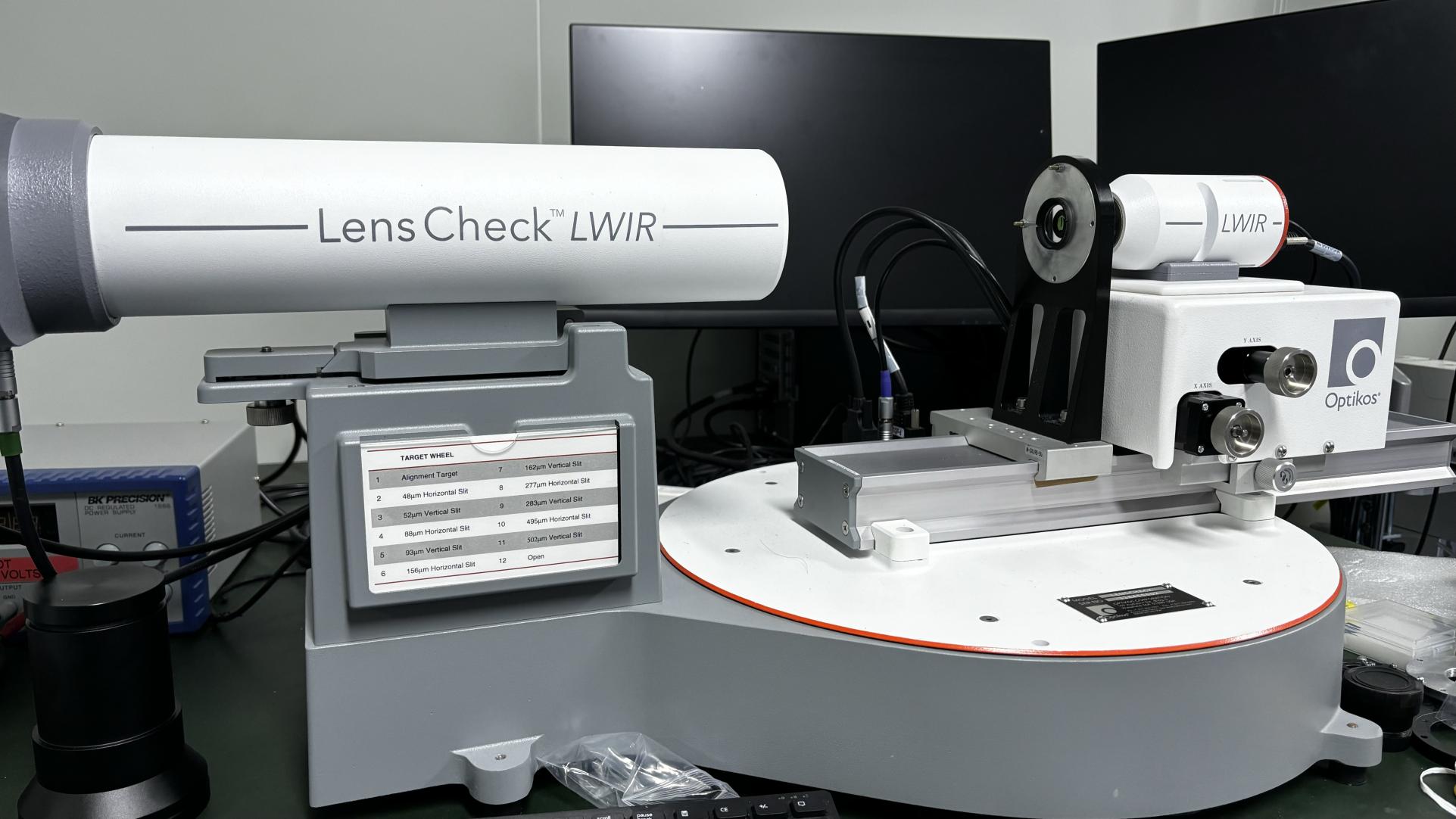

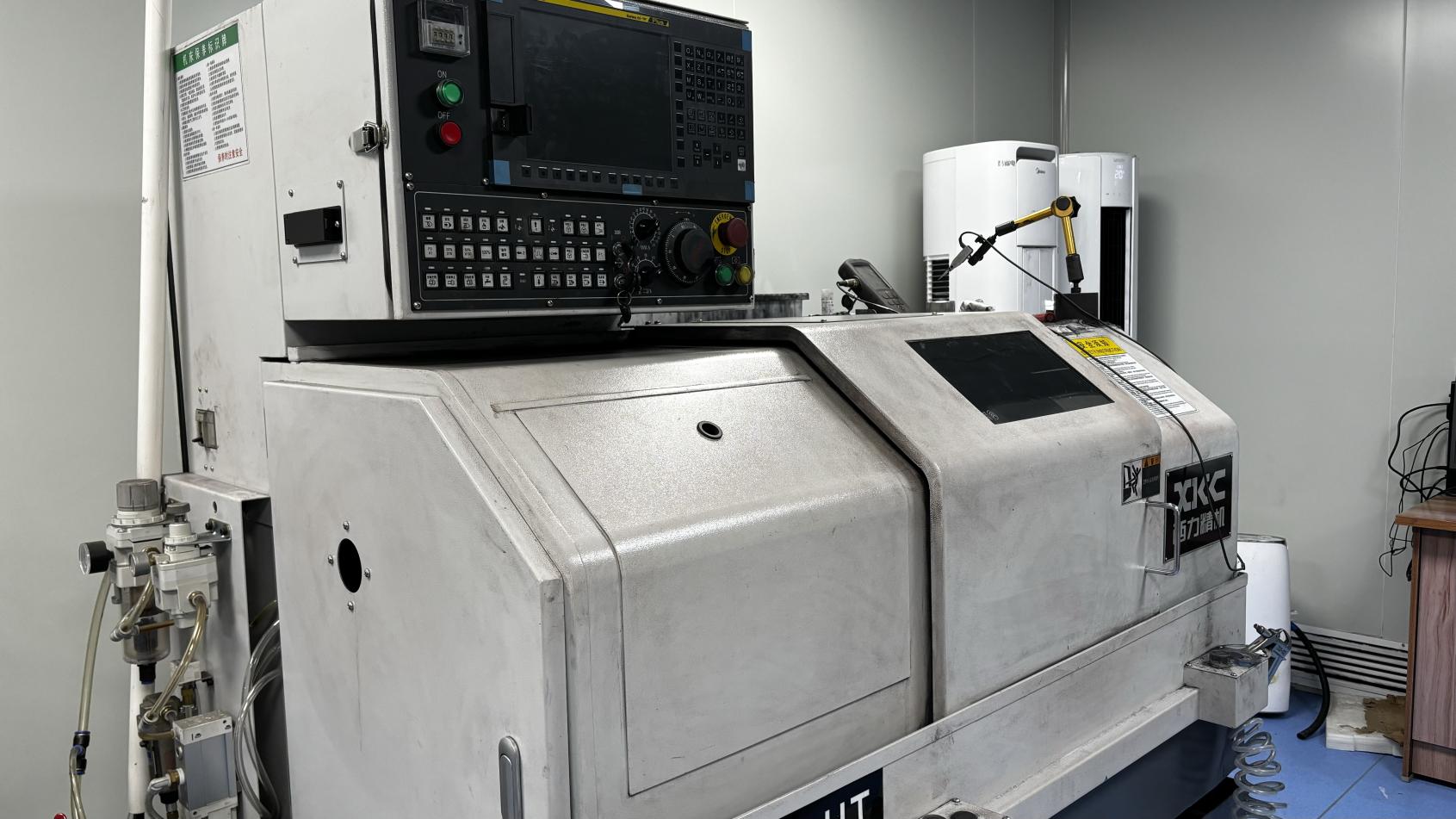

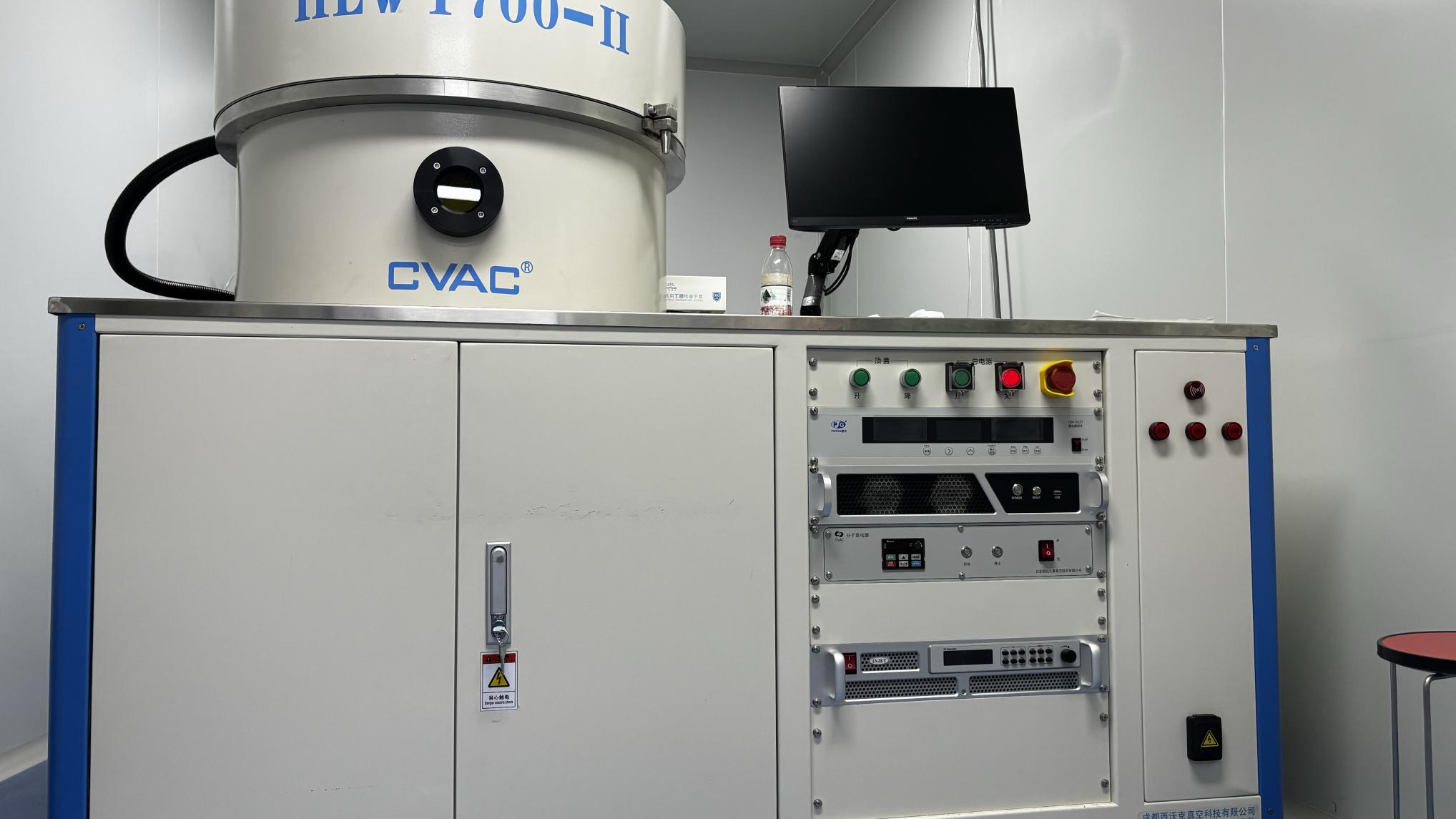




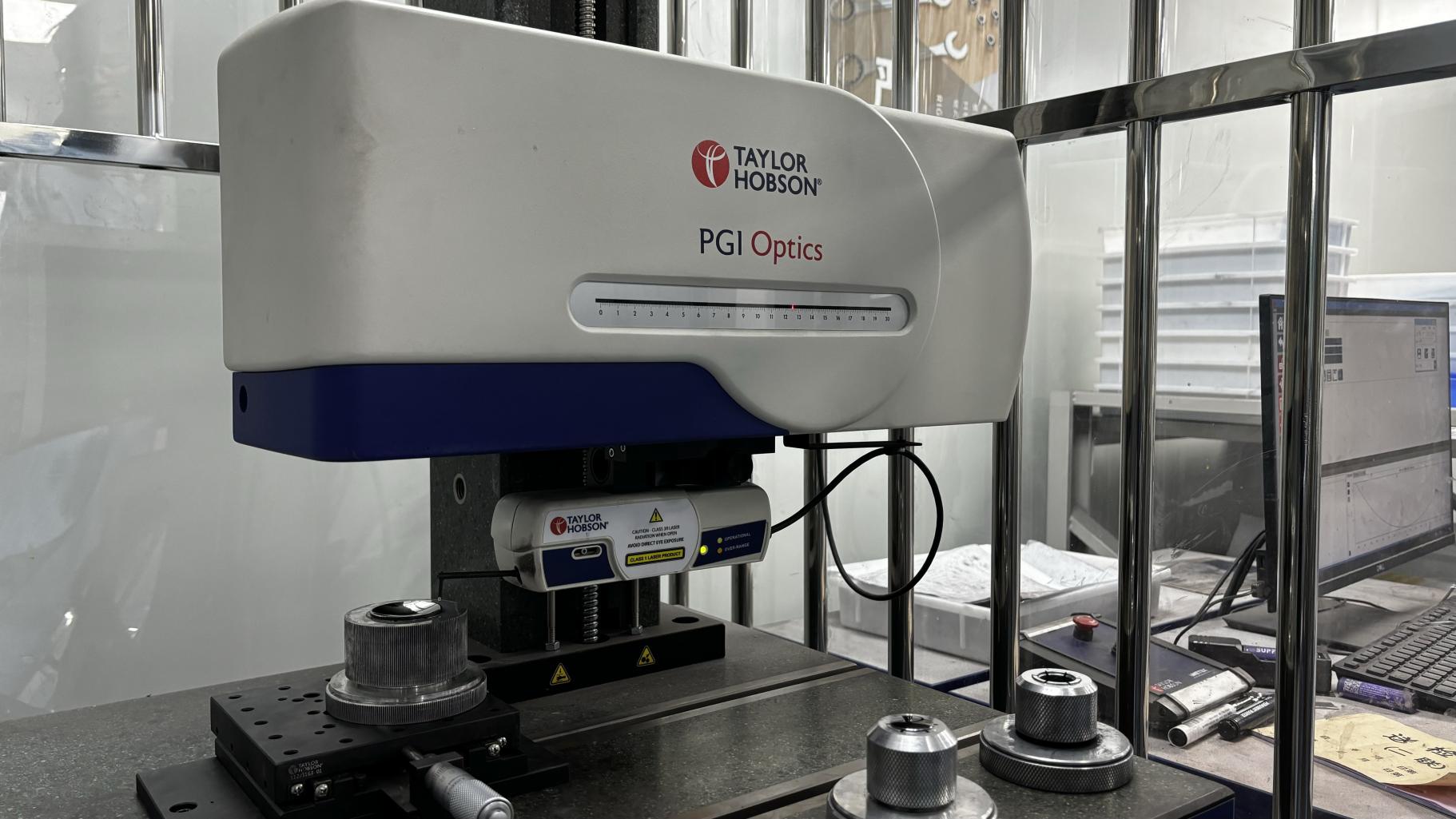
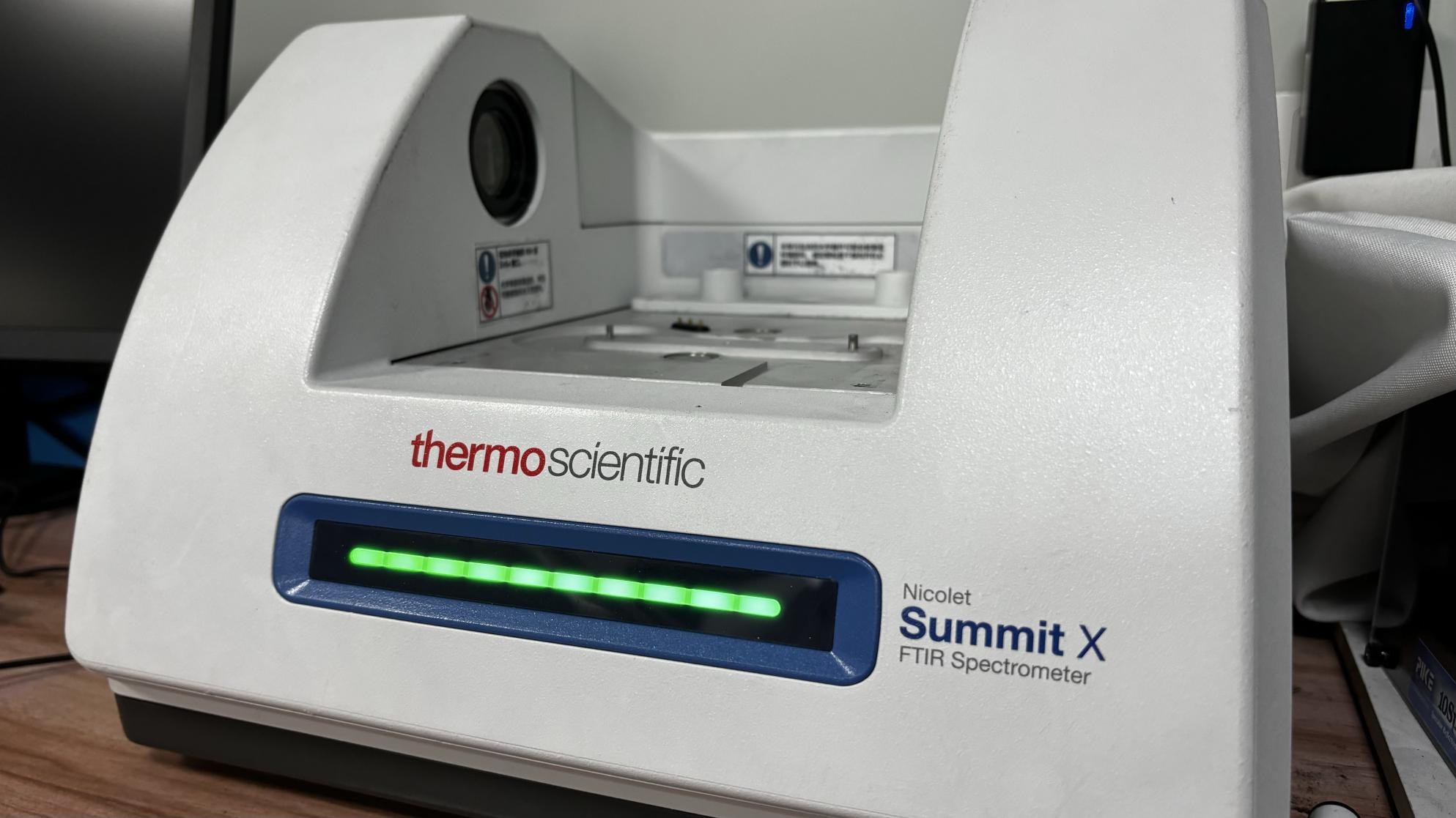
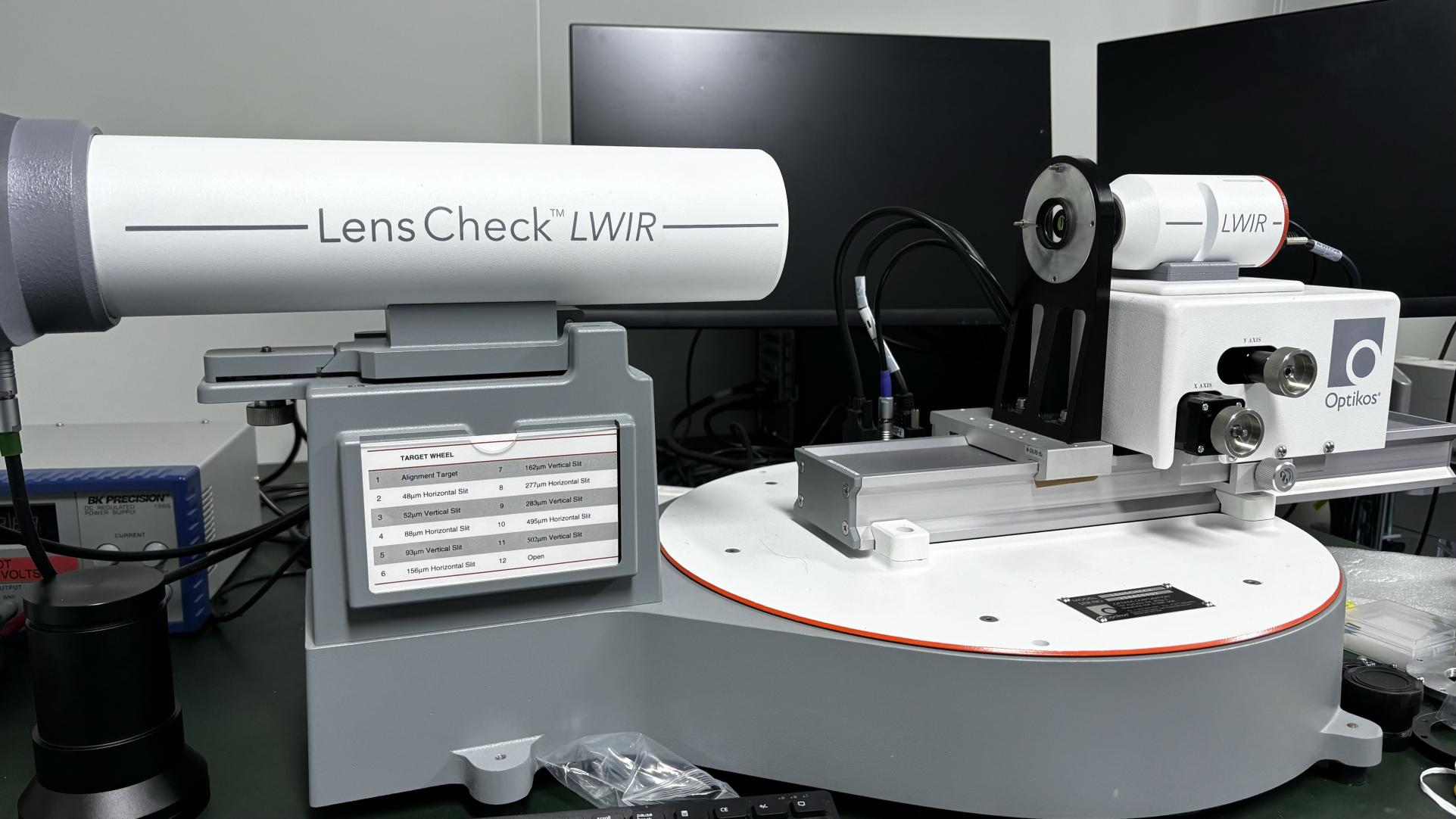

Understanding where and how FiddlLink 1.25G SFPs stabilize critical communications across multiple sectors.
Optical networks are the silent engines of modern society. Although high-capacity backbone lines employ coherent dense wavelength division multiplexing (DWDM) at 400G and above, the edge of these systems depends heavily on cost-efficient, low-latency gigabit modules. The following scenarios demonstrate where 1.25G SFP transceivers play a vital role:
In Fiber-to-the-Home (FTTH) and Fiber-to-the-Building (FTTB) layouts, optical line terminals (OLT) and optical network units (ONU) connect through 1.25G interfaces. This provides reliable broadband access to residential and light commercial users without requiring the high-power cooling systems typical of 10G interfaces.
Power distribution stations and wind farms rely on optical loops to carry SCADA control data. 1.25G SFPs, particularly single-fiber BiDi modules (1310nm/1550nm), provide long-range, electromagnetic-interference-proof telemetry channels over single-mode fibers up to 40km or 80km.
Roadway monitoring networks connect roadside IP cameras and sensors to regional management facilities. Using 1.25G SFP modules within industrial-hardened switches allows for error-free video transmission even under extreme temperature variations (-40°C to +85°C).
A primary challenge for network administrators is host compatibility. Switch brands often enforce proprietary software restrictions on their SFP slots. FiddlLink addresses this by using EEPROM coding platforms to dynamically program modules for specific vendors. This guarantees that our transceivers function as direct replacements for original brand components, helping to lower capital and operating costs.
Rigorous quality processes and environmental standards backing every module shipped from our facility.
The manufacturing process at FiddlLink adheres strictly to global industry regulations. Our 1.25G SFP modules comply with the INF-8074i specification, which defines the physical and electronic interface of Small Form-factor Pluggable transceivers. Furthermore, our optical components undergo complete environmental testing to meet CE, FCC, RoHS, and REACH requirements.
To support next-generation network diagnostic requirements, our transceivers feature Digital Diagnostics Monitoring (DDM), also known as Digital Optical Monitoring (DOM) per the SFF-8472 industry standard. This technology enables network equipment to monitor real-time operating parameters of the SFP, such as optical output power, optical input power, temperature, laser bias current, and transceiver supply voltage. Implementing DDM allows network administrators to proactively detect fiber degradations, optimize link performance, and reduce downtime.
As global energy consumption increases, the carbon footprint of optical networks remains an important industry concern. Future product development at FiddlLink focuses on designing ultra-low-power transceivers. By optimizing driver circuitry and utilizing high-efficiency laser configurations, we aim to reduce typical transceiver power consumption to less than 0.8W per module, helping to support greener data transmission systems worldwide.
Professional engineering answers to common inquiries regarding 1.25G SFP module compatibility, operation, and specifications.
DDM (Digital Diagnostics Monitoring), also referred to as DOM (Digital Optical Monitoring), enables real-time tracking of critical transceiver parameters, including optical transmit power, optical receive power, bias current, module temperature, and voltage. Non-DDM modules transmit optical signals but lack the built-in diagnostic chip, making it harder to troubleshoot fiber degradations remotely.
This depends on the configuration of the host switch. Many 10G SFP+ switch ports are designed to accept 1.25G SFP transceivers, but you may need to manually configure the port speed to 1000Mbps (1G) in the switch operating system, as automatic negotiation is not always supported. Refer to your switch manufacturer's specifications for port speed compatibility.
BiDi (Bidirectional) SFP modules use Wavelength Division Multiplexing (WDM) to transmit and receive signals over a single strand of fiber (simplex LC/SC connector). They operate in pairs using two different wavelengths—for example, one module transmits at 1310nm and receives at 1550nm, while the opposite module transmits at 1550nm and receives at 1310nm. This allows network operators to double their fiber capacity without running new cables.
FiddlLink has established an advanced compatibility coding facility. We program the EEPROM of our modules using vendor-specific database codes. This ensures that the host switches recognize our transceivers as original, authorized hardware, eliminating warning messages and compatibility lockouts.
High-performance transceivers designed for long-haul networks and specific wavelength applications.