FiddlLink
FiddlLink
FiddlLink
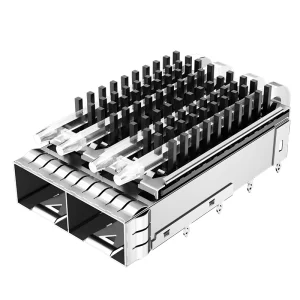
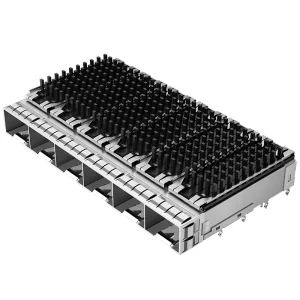
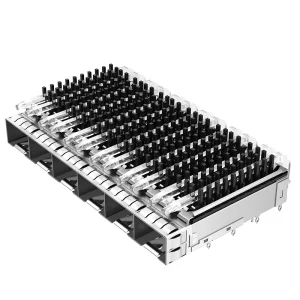
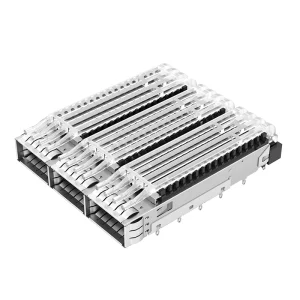
Explore our engineering-grade ganged SFP interconnect solutions featuring multi-point EMI suppression and customized thermal heatsinks.
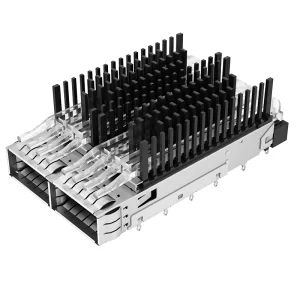
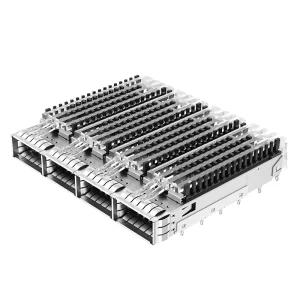
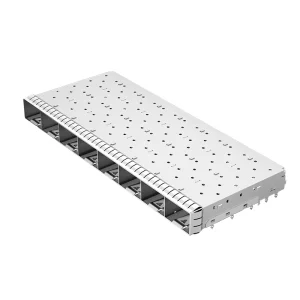
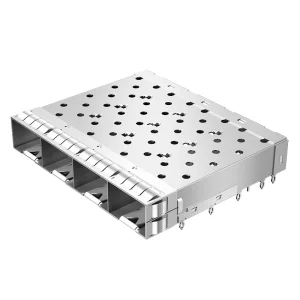
In the rapidly changing landscape of high-speed data transmission, hardware design engineers face a continuous challenge: packing more bandwidth into increasingly constrained printed circuit board (PCB) layouts. The 1xN ganged SFP (Small Form-Factor Pluggable) cage configuration has emerged as a cornerstone architecture to solve this issue. "Ganged" cages feature a side-by-side array configuration (such as 1x2, 1x4, 1x6, or 1x8 ports) enclosed in a single metallic housing. This design maximizes port density along the I/O panel edge, minimizes board footprints, and optimizes high-frequency electromagnetic interference (EMI) containment.
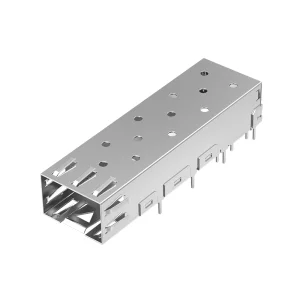
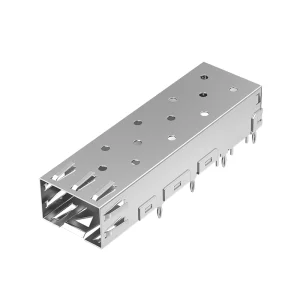
Unlike individual single-port SFP cages, 1xN ganged designs share internal structural walls. This reduces the overall horizontal width required for multiple ports compared to placing several single cages next to each other. However, this high concentration of high-frequency channels introduces mechanical, electrical, and thermal challenges. Design engineers must carefully manage signal integrity (SI), mechanical tolerances, and thermal dissipation pathing to prevent packet loss, transceiver degradation, and hardware failures.
At data rates reaching 10 Gbps (SFP+), 25 Gbps (SFP28), and 56 Gbps (SFP56), any gap in the metal shielding can act as a slot antenna, radiating electromagnetic energy. Ganged cages mitigate this through specialized external spring fingers or elastomeric conductive gaskets that compress against the bezel panel, ensuring low-impedance ground paths.
Ganged SFP cages are secured and grounded to the system PCB using one of two primary termination methods:
As optical transceivers process higher data rates, their power dissipation increases, often exceeding 1.5W to 2.5W per module. Without adequate cooling, the internal laser diodes can exceed safe operating temperatures, leading to wavelength shifts, reduced optical output, or premature failure.
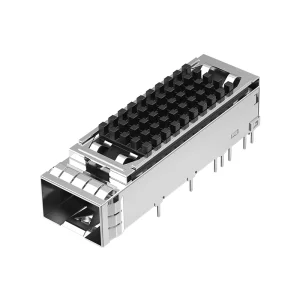
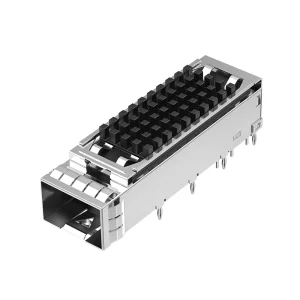
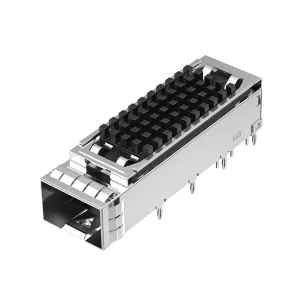
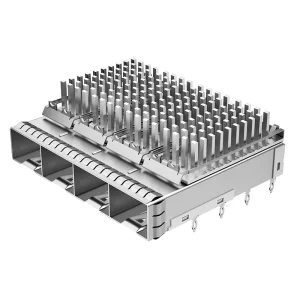
To address this, premium 1xN ganged cages incorporate integrated clip-on heatsinks. These heatsinks rest directly on the metal shell of the inserted SFP module. They feature various fin designs (such as pin-fin, straight-fin, or cross-cut configurations) optimized for different system airflow directions. The heatsink is held in place by a stainless steel clip that applies constant vertical force, ensuring low thermal resistance at the contact interface.
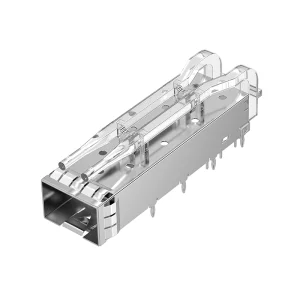
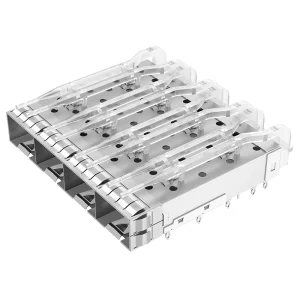
In dense networking environments, technicians rely on visual status indicators. Integrating LEDs directly onto the PCB underneath the cage requires a way to guide the light to the front panel. Integrated light pipes—made of optical-grade polycarbonate—are designed to route light over or around the metal cage body, delivering bright, distinct visual indicators to the front bezel. Design engineers must select cages with light pipes that minimize light leakage between adjacent ports, preventing false status readings in adjacent channels.
Leveraging state-of-the-art manufacturing facilities and deep engineering expertise to deliver reliable optical interconnect hardware globally.
The manufacturing of SFP cages is a highly specialized segment of the electronics components industry. Leading global exporters, such as FiddlLink Optical Technology Co., Ltd., operate at the intersection of precision stamping, metallurgy, and high-frequency RF simulation. SFP cages must comply with strict international multi-source agreements (MSAs) to ensure physical compatibility across different transceiver brands.
From a commercial standpoint, the demand for 1xN ganged SFP cages is heavily concentrated in major global industrial hubs. In North America and Europe, the rapid expansion of hyperscale data centers (driven by AI workloads and cloud computing) is driving demand for ultra-dense 1x6 and 1x8 ganged cages. Meanwhile, manufacturing and assembly hubs in the Asia-Pacific region consume high volumes of 1x2 and 1x4 ports for industrial automation, carrier-grade routers, and edge networking boxes.
To secure these supply chains, global buyers look for manufacturers that maintain rigorous quality standards, such as ISO 9001, and offer extensive customization options (OEM/ODM). As high-frequency requirements tighten, having an in-house R&D team capable of running advanced thermal and electromagnetic simulations is essential for keeping projects on schedule and within technical tolerances.
The future of ganged cage design is closely linked to the evolution of network speeds. While SFP+ (10G) and SFP28 (25G) remain the workhorses of enterprise networks, the industry is transitioning toward 112G and 224G architectures. This transition shapes the future technology roadmap in several key areas:
Using copper alloys with high electrical conductivity, protected by advanced nickel underplating and tin coatings, prevents oxidation and helps eliminate tin whiskers—a critical requirement for telecom hardware that is expected to operate continuously for over a decade.
Integrating high-performance TIMs directly onto the underside of heatsinks ensures optimal thermal contact with the transceiver module, reducing thermal resistance even under high insertion cycle conditions.
As optical engines move closer to the host ASIC, SFP cage designs must adapt to complex board routing requirements, including hybrid mechanical structures that blend traditional pluggable cages with internal high-speed cable assemblies.
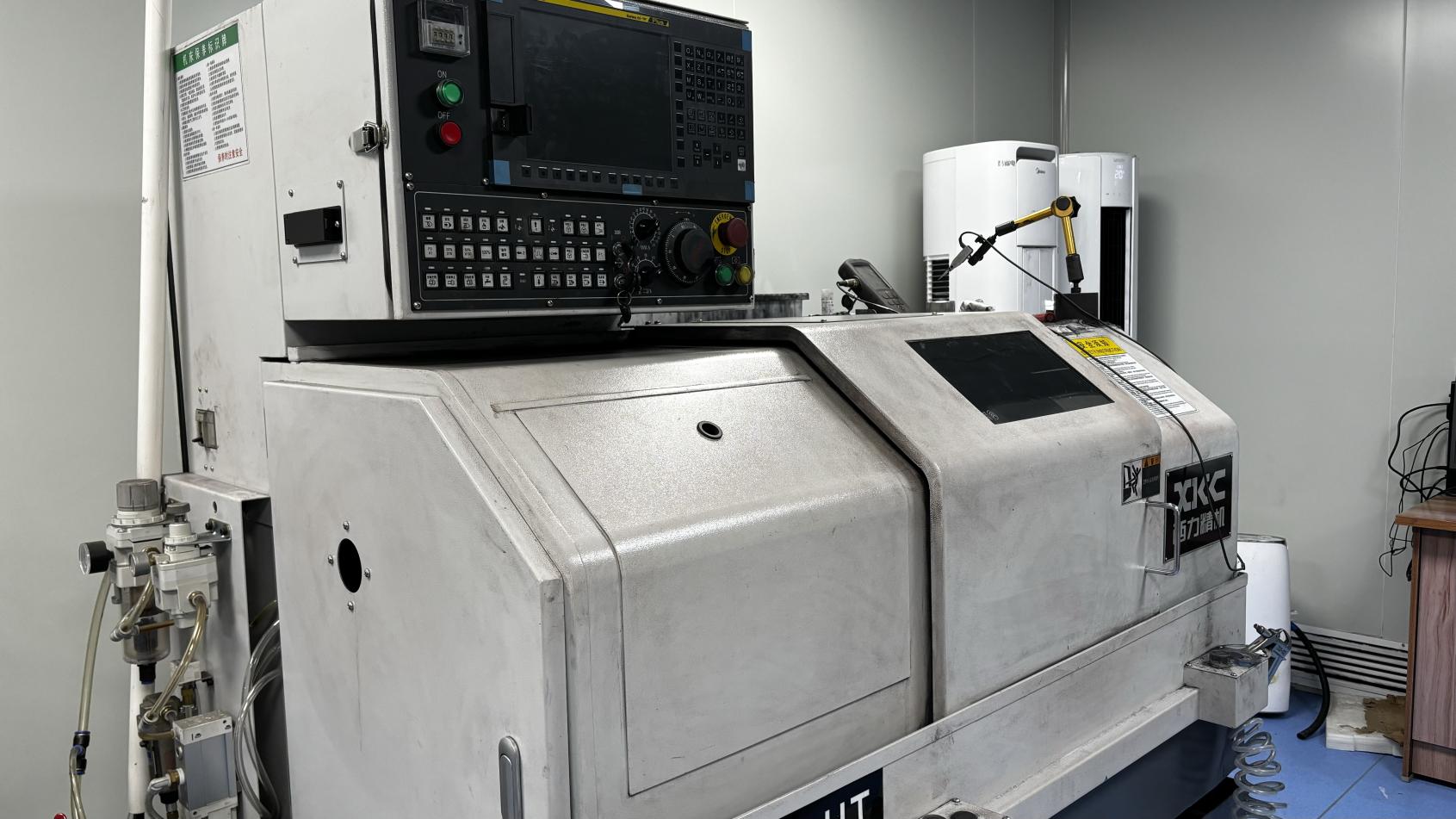
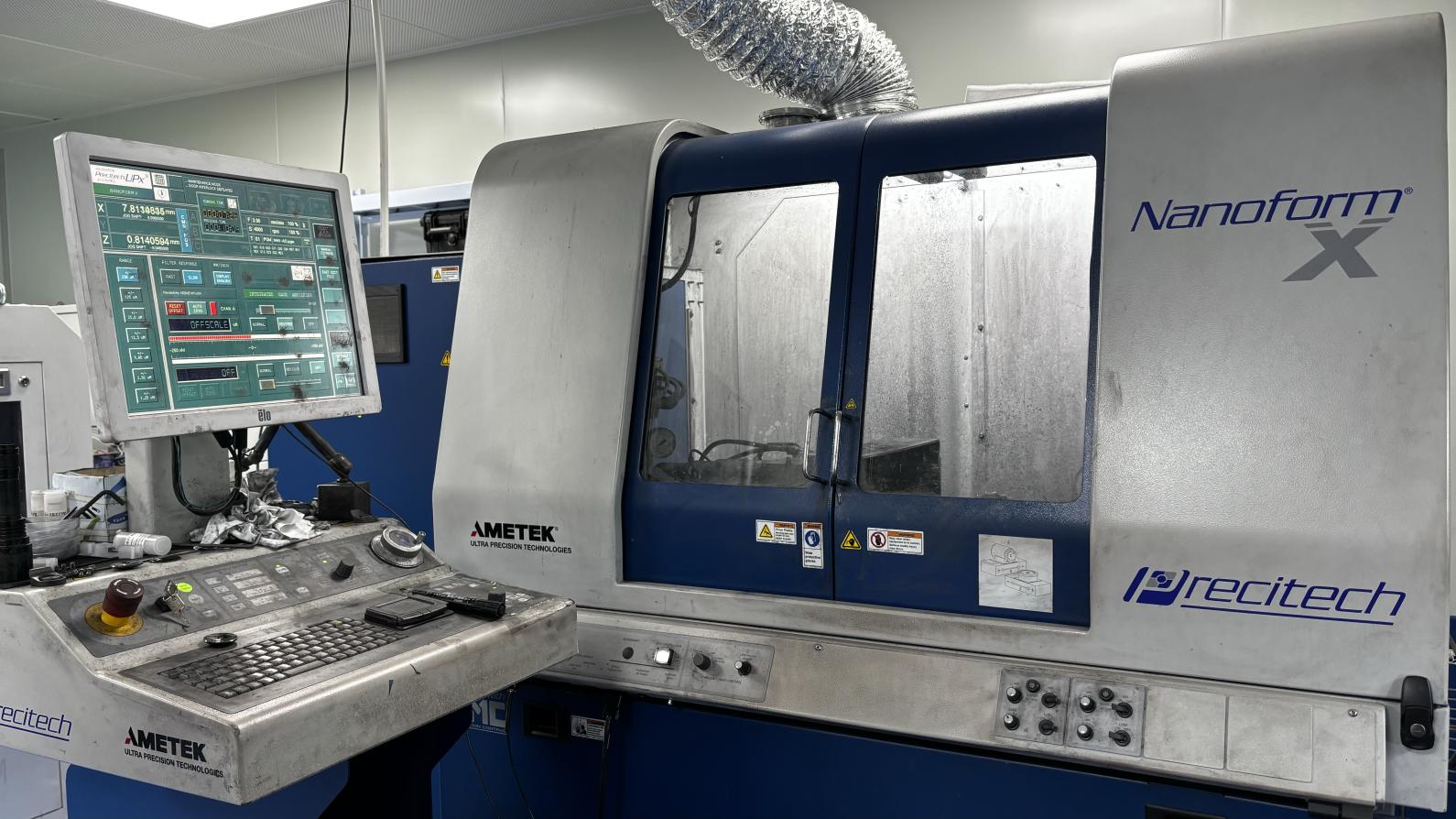
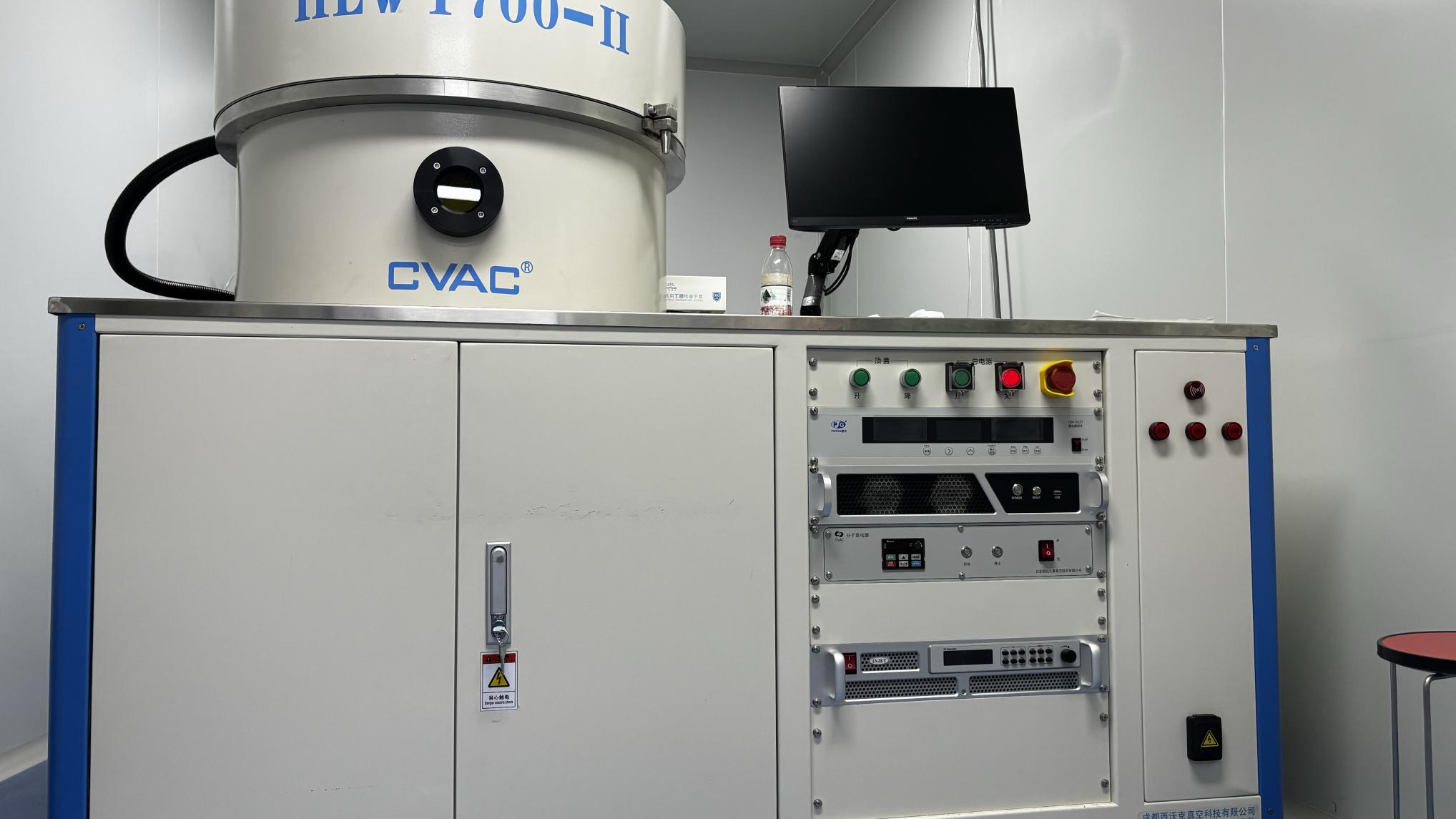
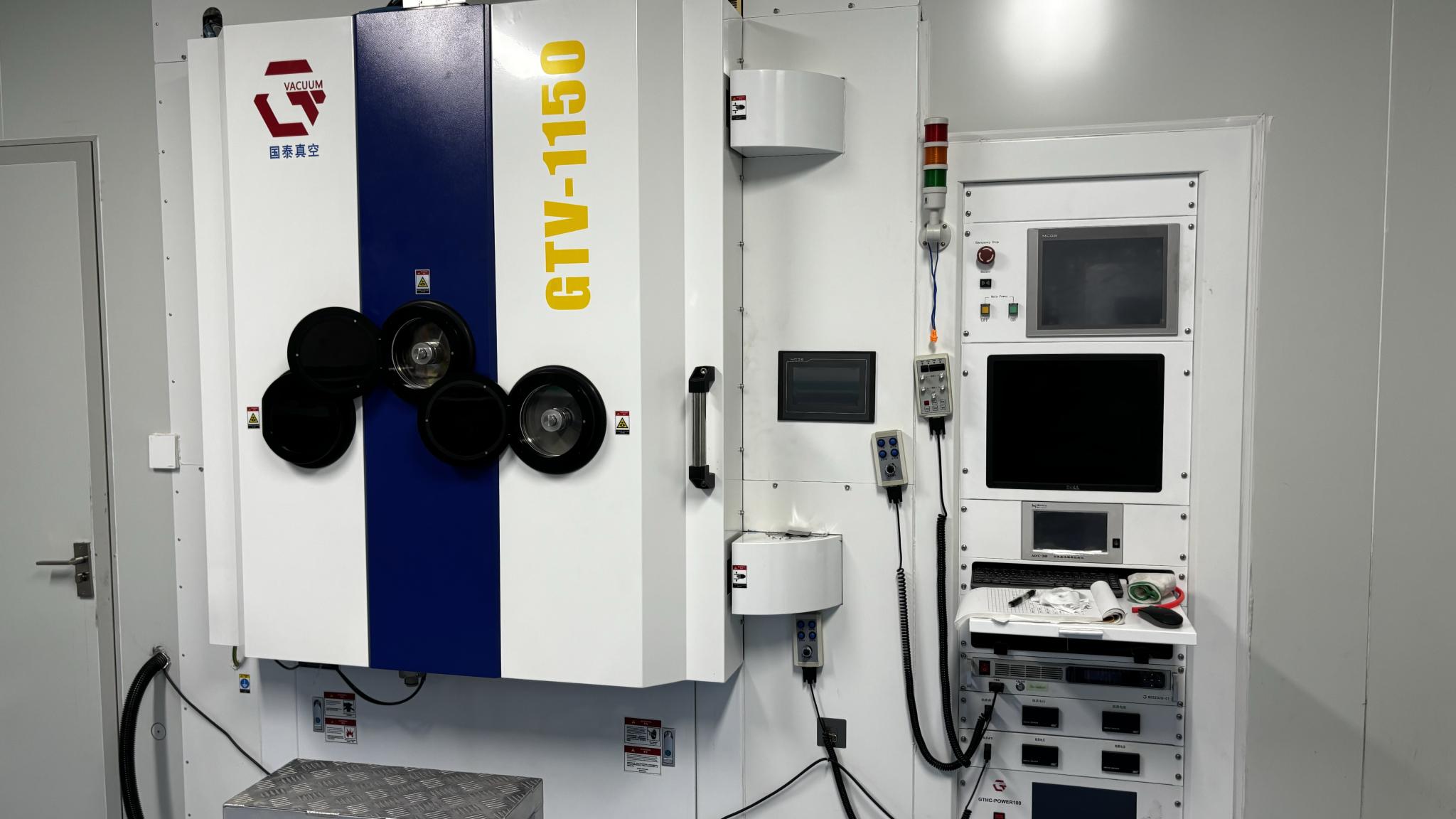
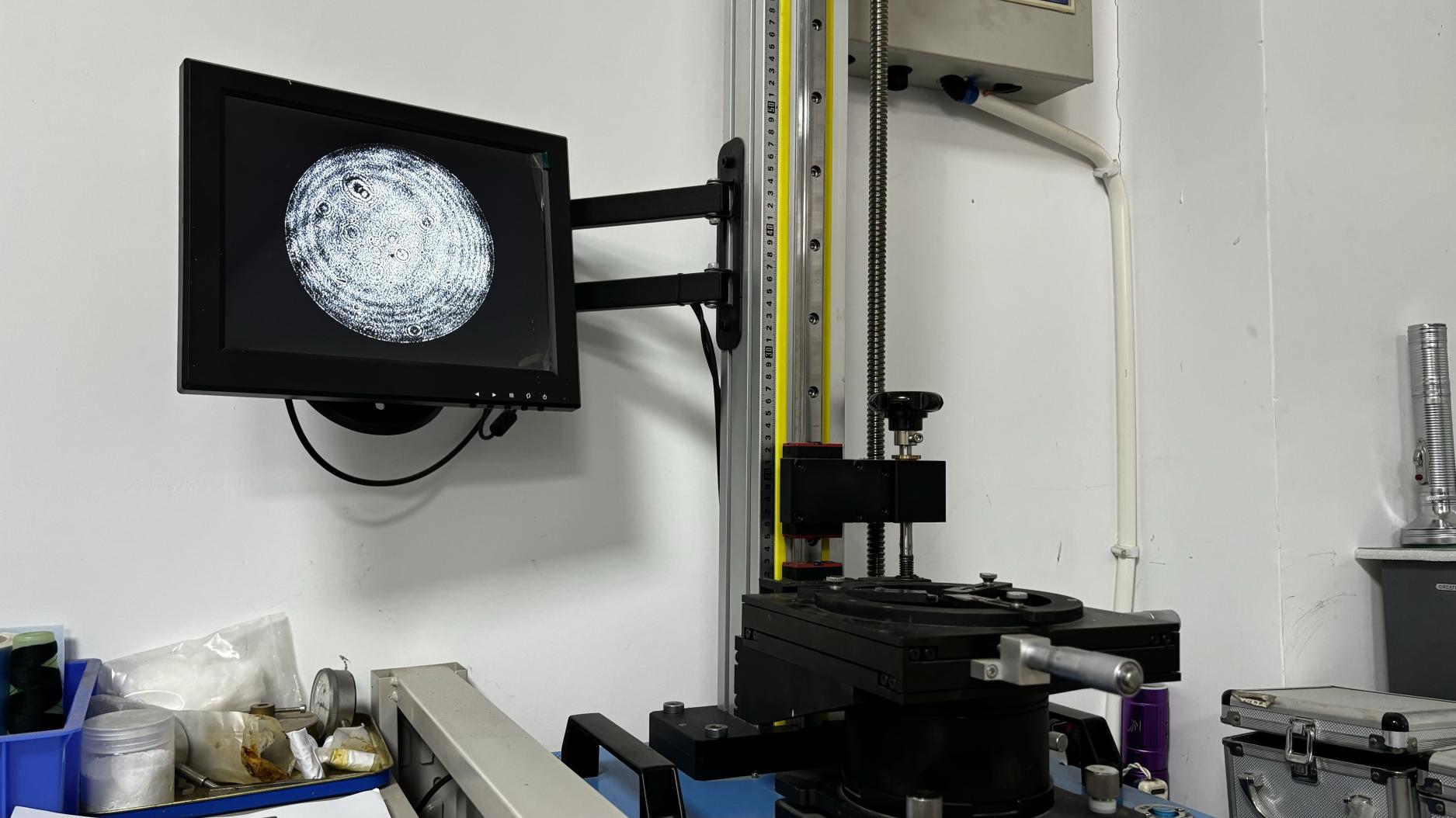
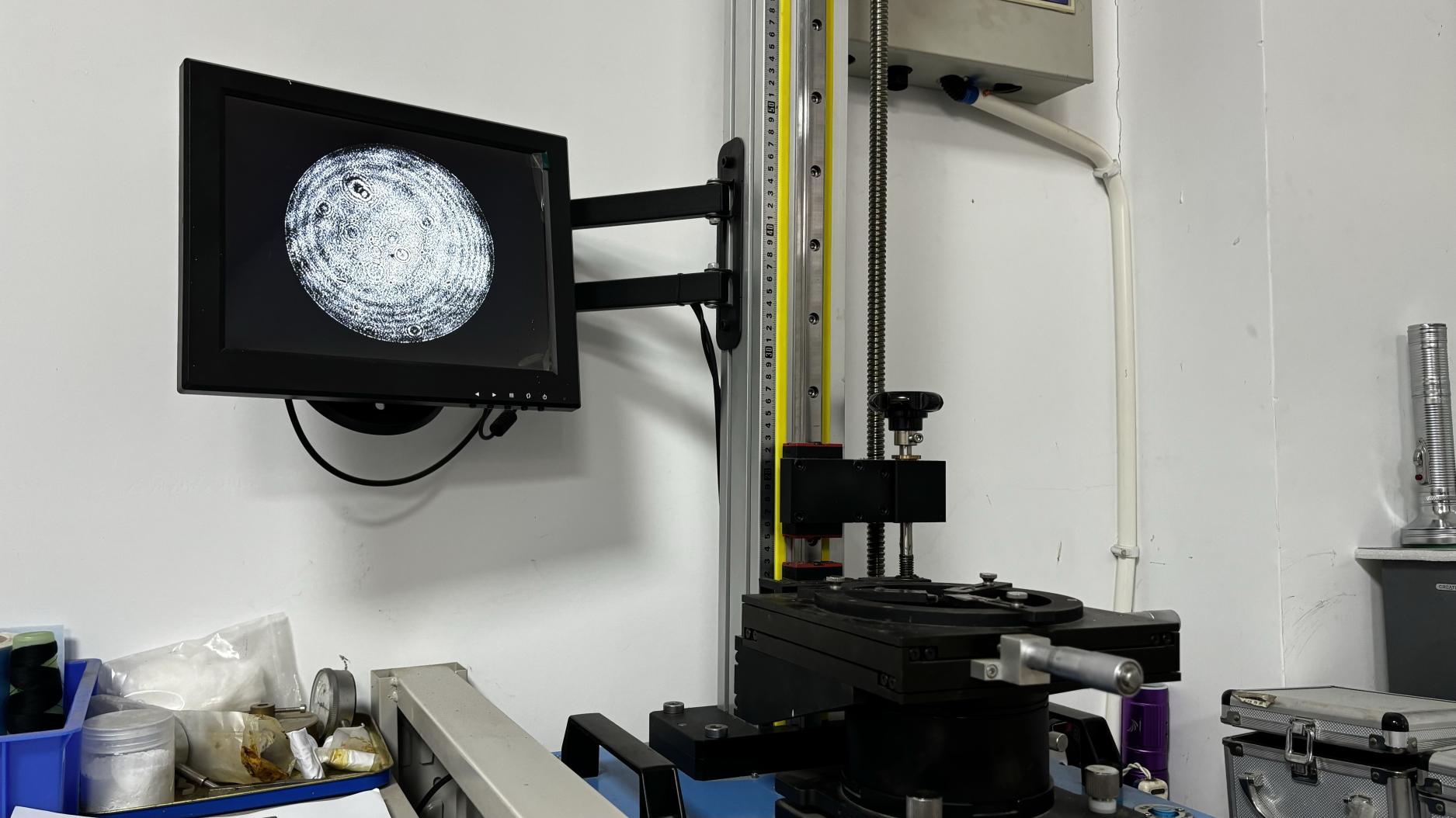
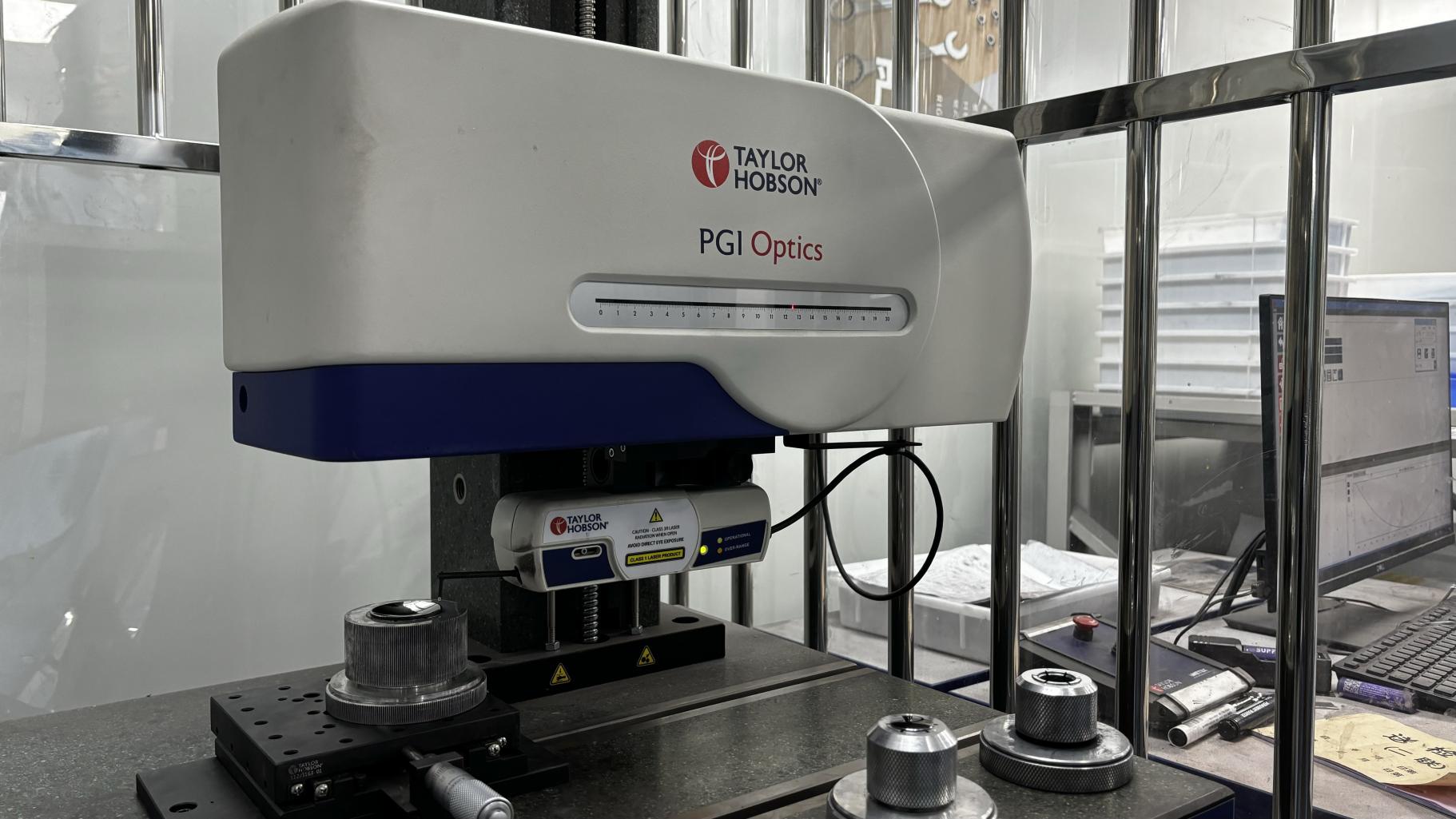
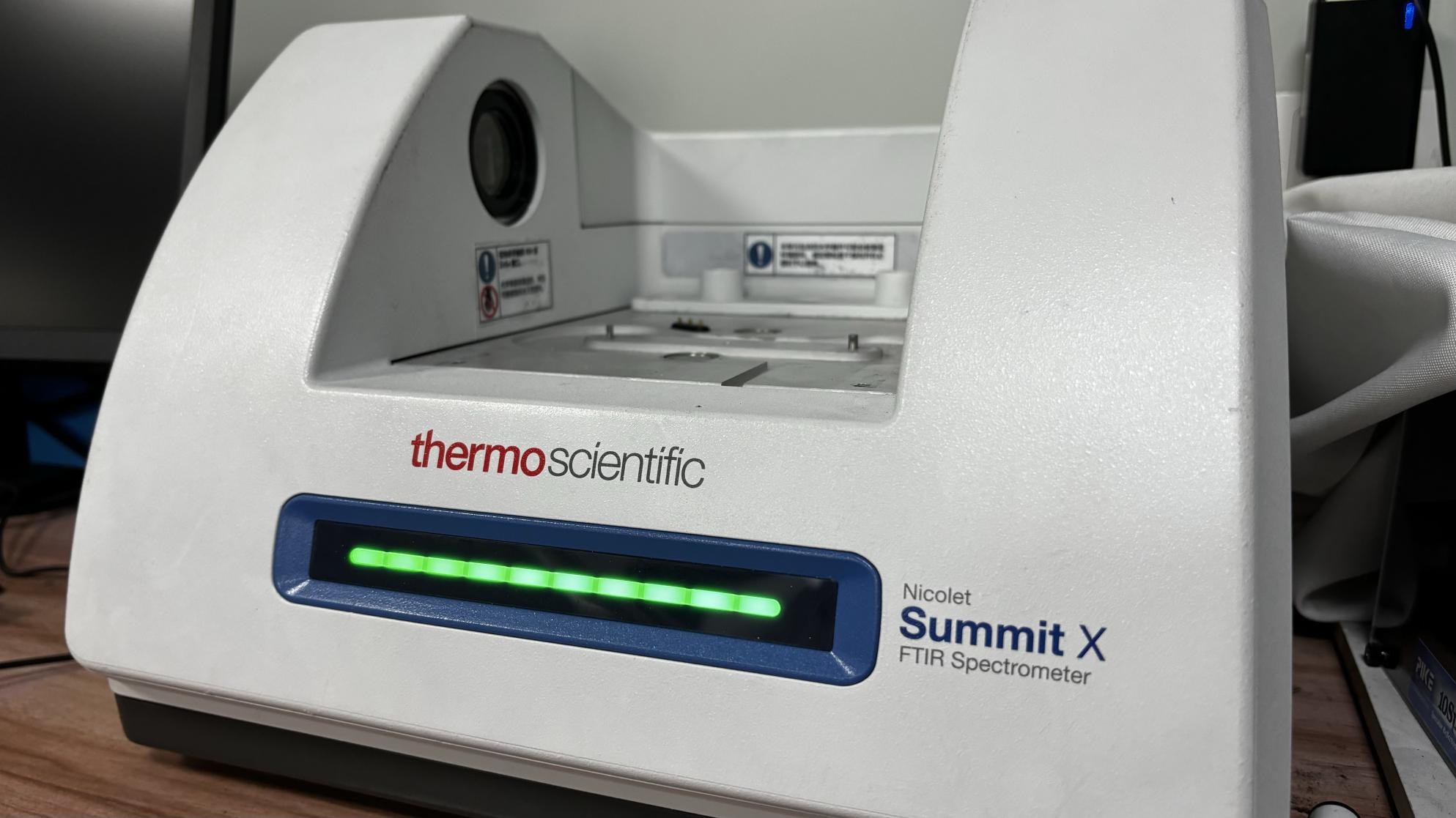
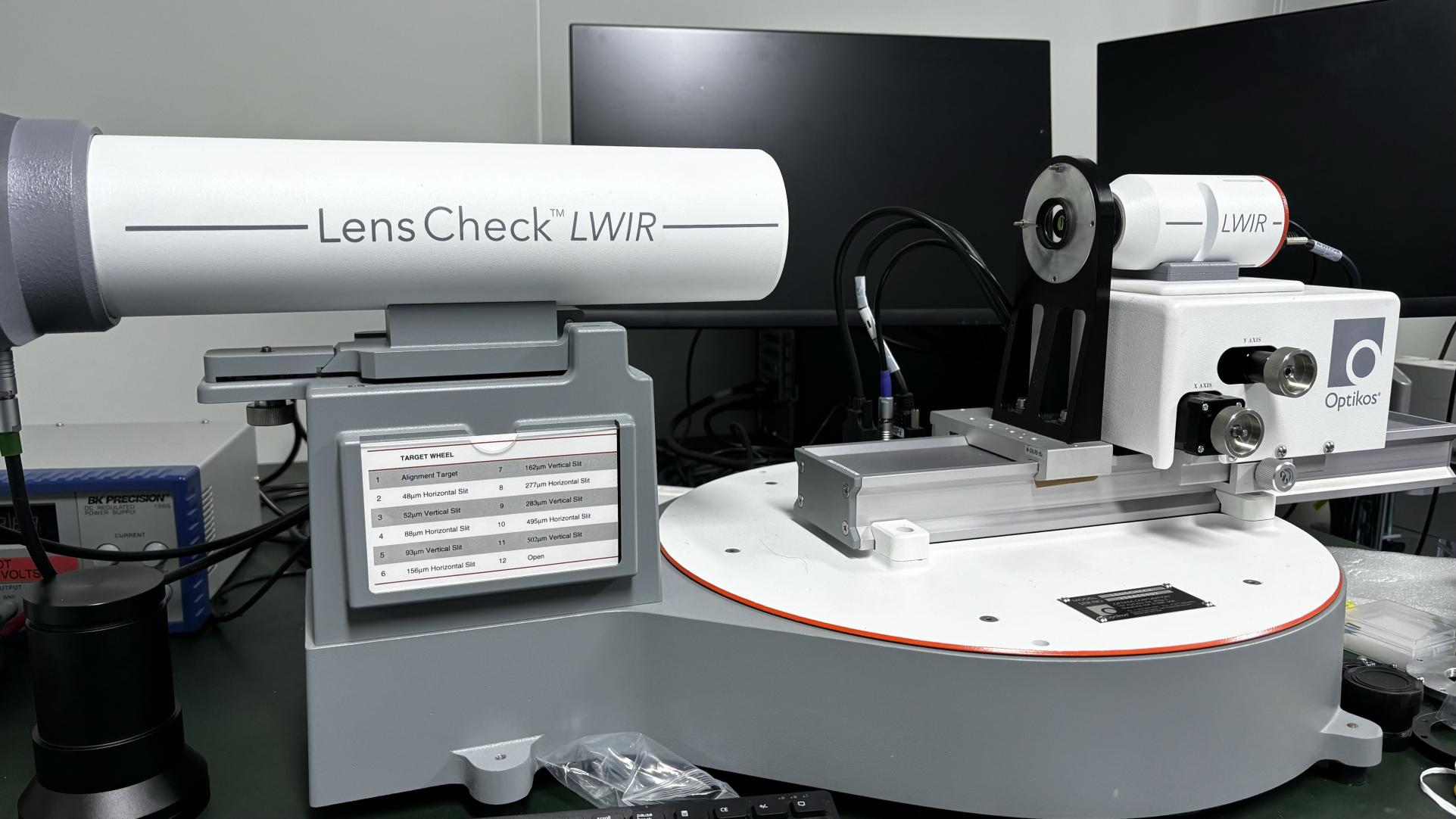
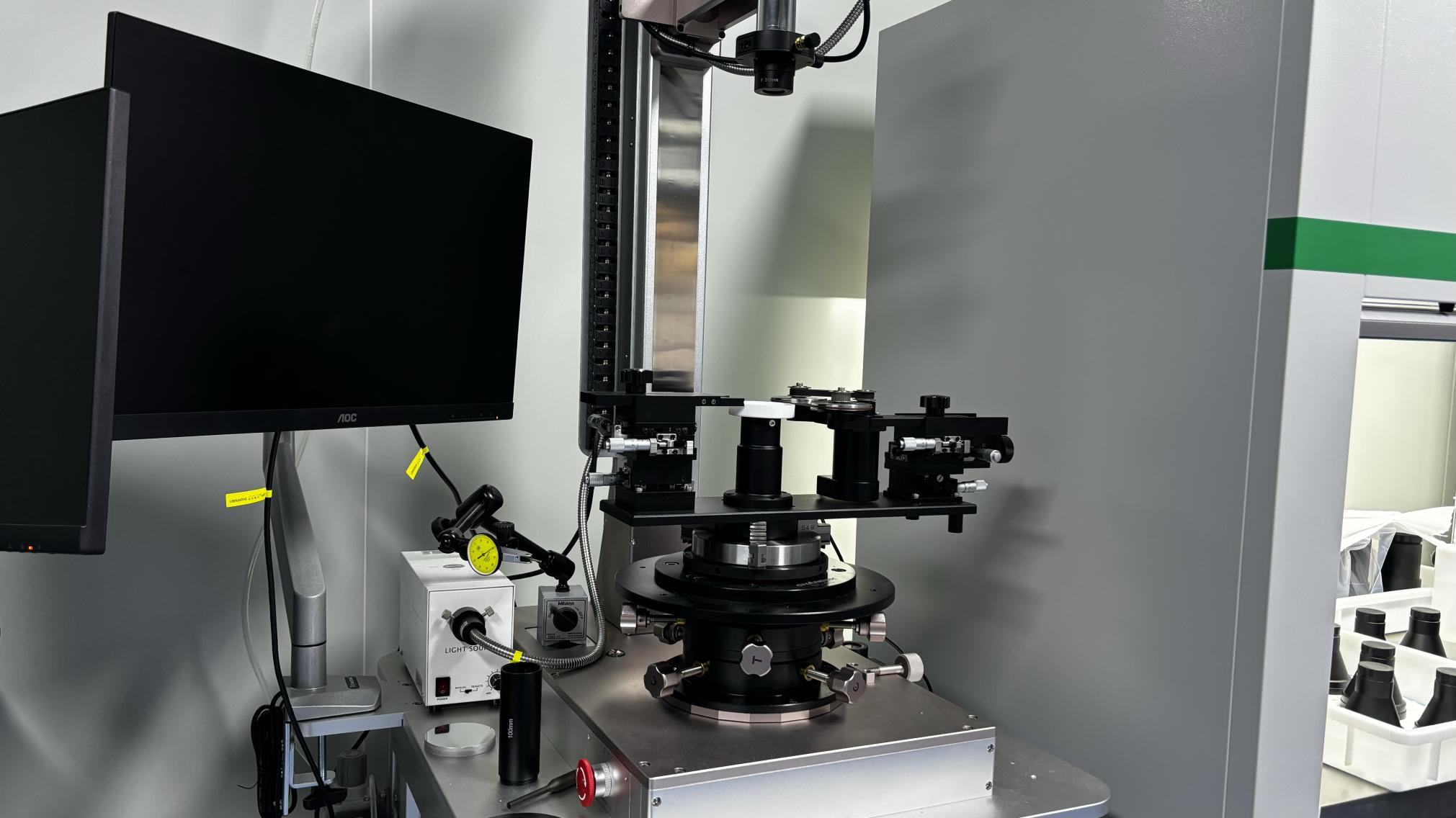
Take a look inside our high-precision optical components manufacturing and quality inspection processes, where we ensure strict tolerance limits for all components.

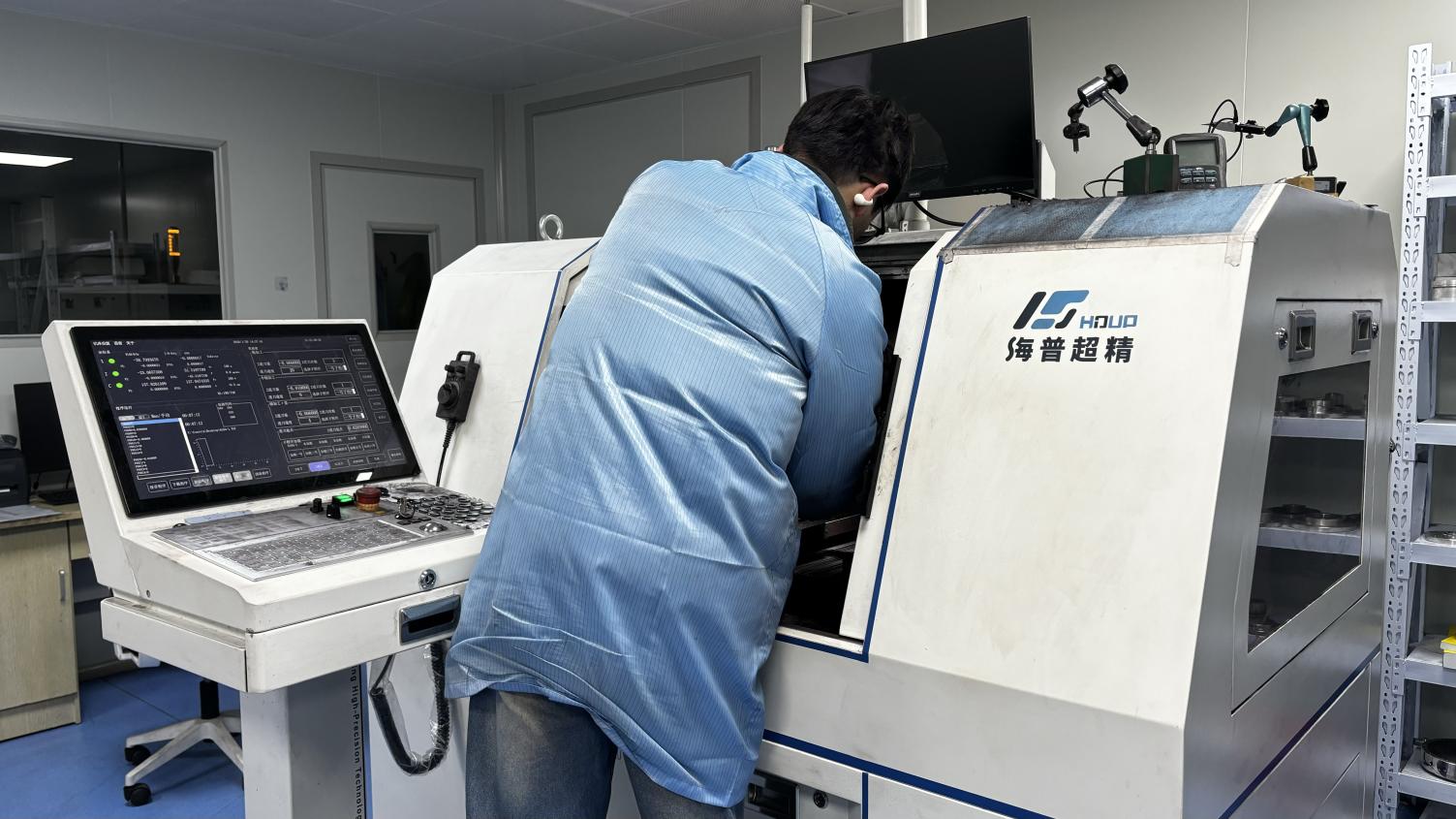
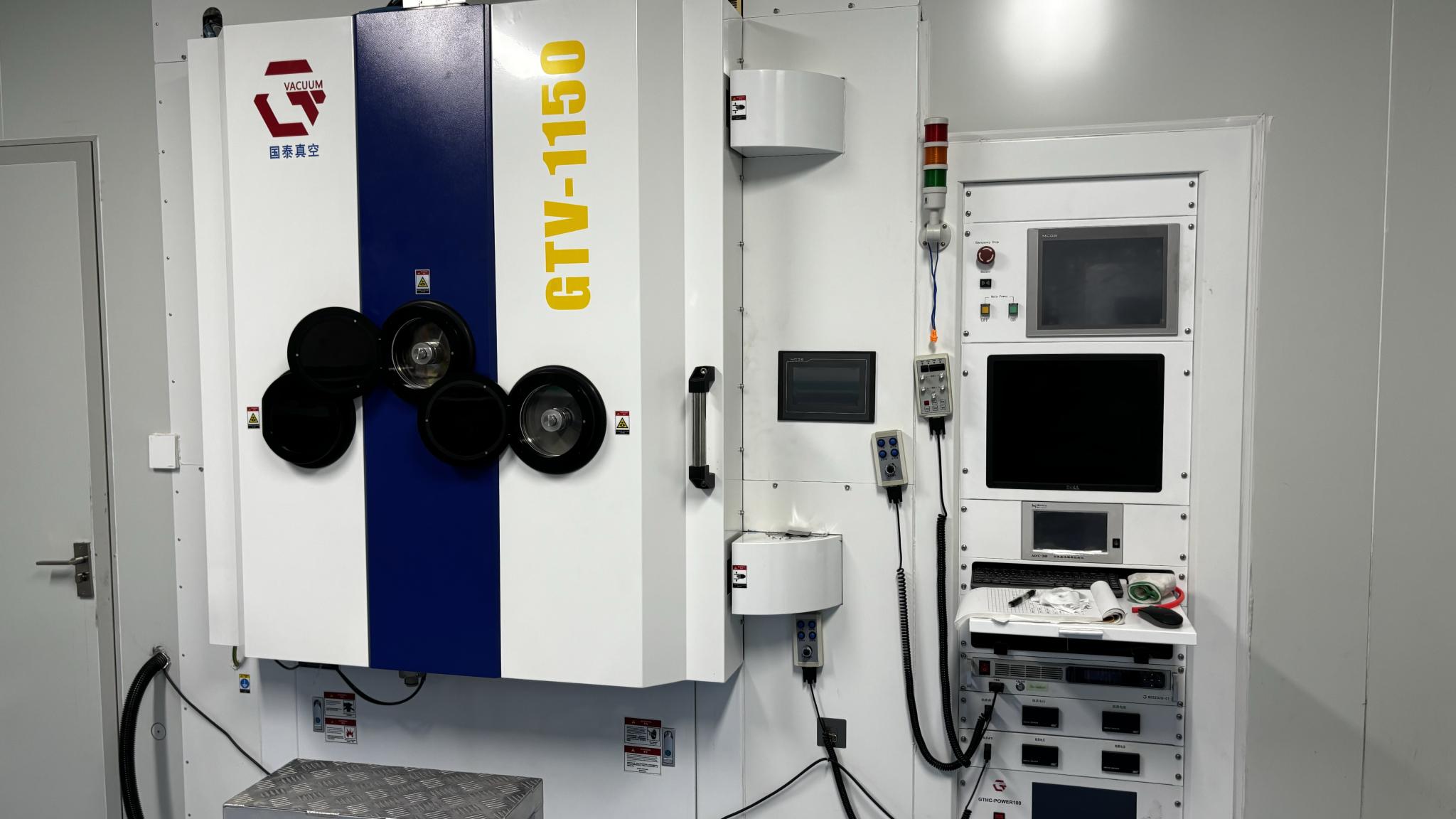
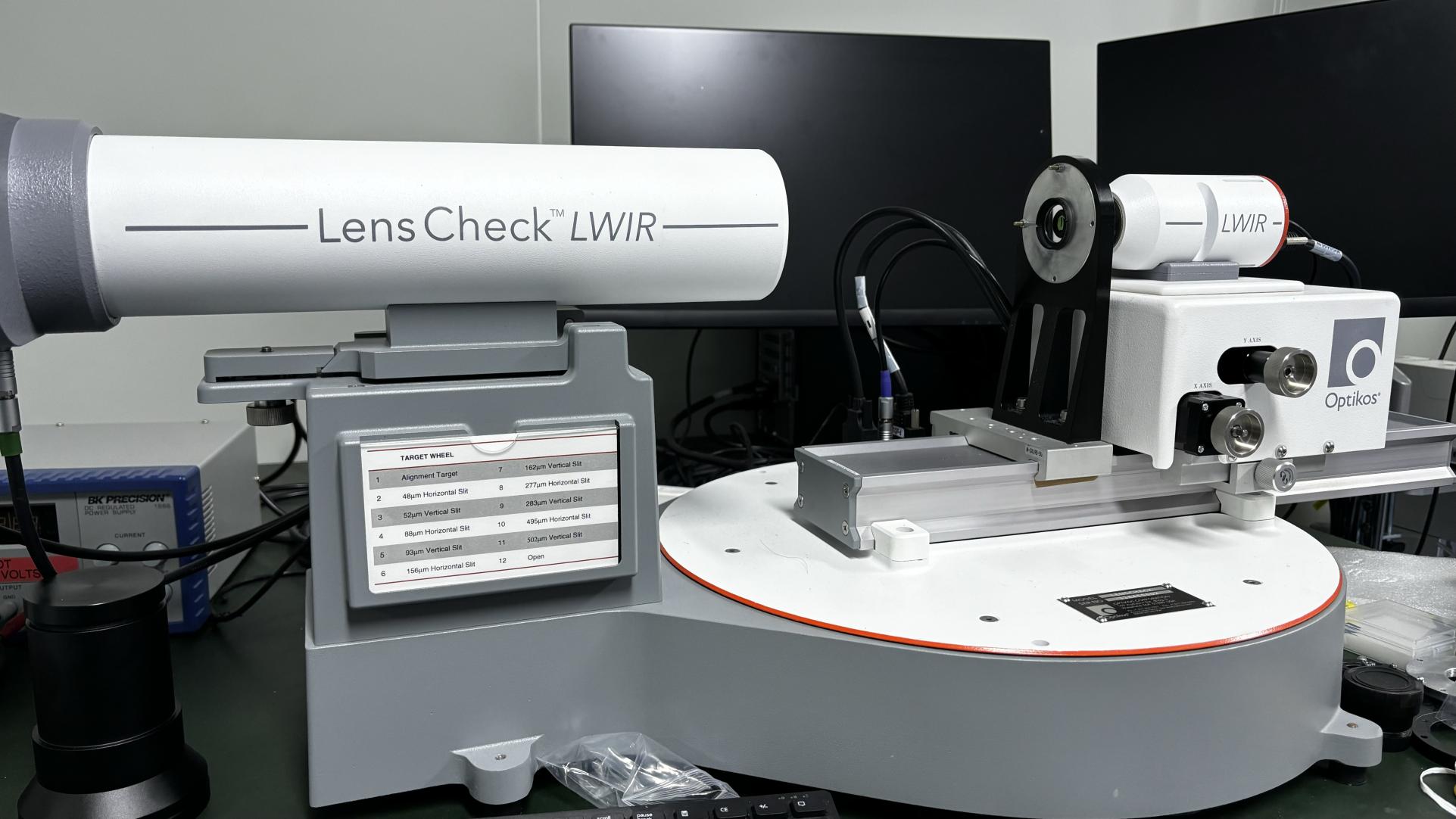
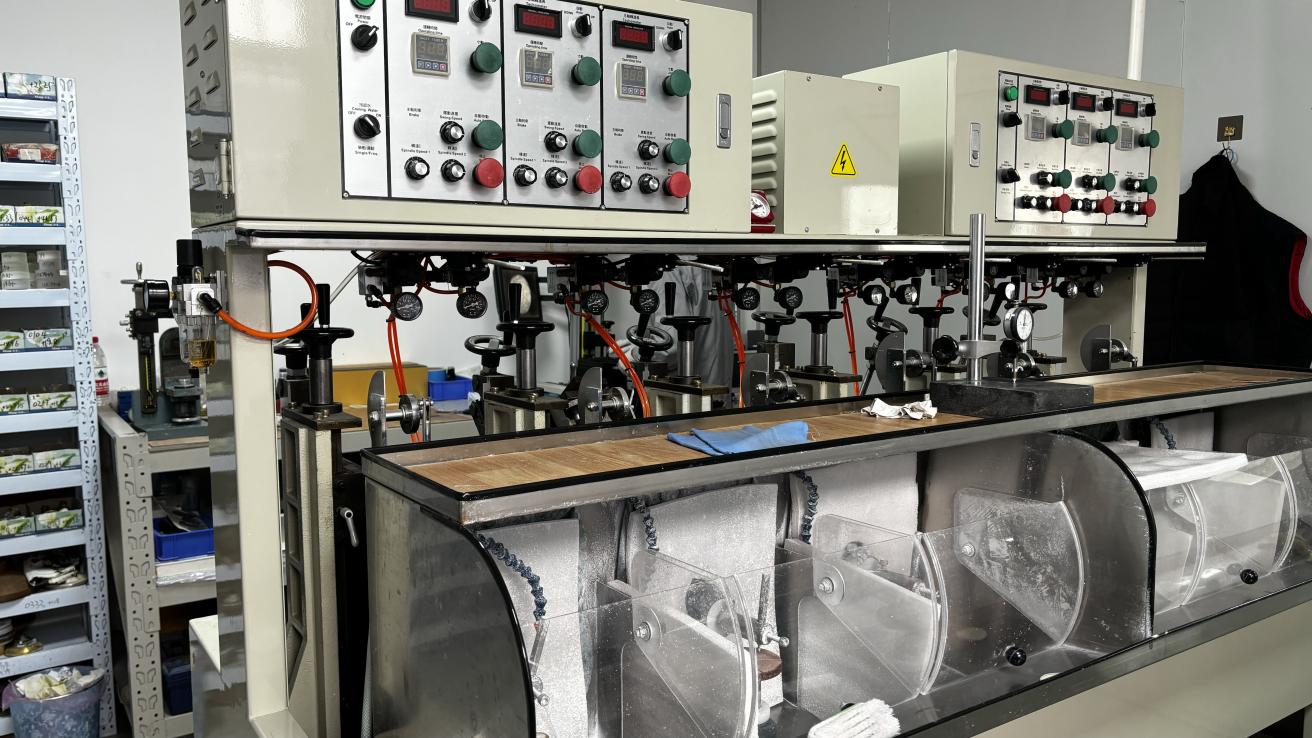

The practical deployment of SFP cages varies depending on the specific application environment and regional requirements:
In outdoor and remote cell site configurations, equipment is exposed to extreme temperatures and moisture. Designers here typically select ruggedized 1x2 or 1x4 SFP cages with press-fit terminations and thick nickel/tin plating. These components must withstand high mechanical vibrations and thermal cycling while maintaining a secure, gas-tight electrical connection.
Data centers prioritize density and thermal management above all else. For these systems, 1x8 ganged configurations featuring integrated low-profile heatsinks and multi-path light pipes are common. This setup allows companies to maximize I/O throughput along top-of-rack (ToR) switches while keeping temperatures stable under high-compute workloads.
Edge systems operating on factory floors or in transportation hubs are subject to electrical noise and space constraints. 1x1 or 1x2 ganged SFP cages with EMI-shielded gaskets are used in these environments to protect sensitive control circuitry from electromagnetic interference.
Every production run at FiddlLink undergoes a rigorous 5-step inspection: incoming raw material validation, process monitoring, dimensional testing, optical/electrical performance validation, and final compliance testing.
Critical design and procurement insights for SFP cage integration, selection, and system testing.
Press-fit cages feature compliant pins that are pressed into plated-through holes on the PCB, creating a gas-tight, solderless mechanical and electrical connection. This method offers superior signal integrity at high frequencies (reduced parasitic capacitance) and simplifies rework. THT cages require wave or hand soldering, providing high mechanical strength but requiring a more complex assembly and rework process, along with higher thermal stress on the board during production.
Ganged configurations place multiple high-speed optical transceivers close to each other, raising local temperatures. Integrated heatsinks sit directly on the metal shell of the inserted SFP modules, transferring heat away to the surrounding air stream. This helps maintain laser diode temperatures within safe operating limits, preventing performance degradation and extending component lifespan.
EMI leakage is controlled using metal spring fingers or elastomeric gaskets that establish multiple low-impedance contact points with the system bezel panel. This forms a continuous Faraday cage around the connector port, preventing electromagnetic radiation from escaping and causing interference on adjacent components.
Yes, our SFP cages are fully compliant with Small Form-factor Pluggable (SFP) Multi-Source Agreements (MSAs). This guarantees mechanical and electrical compatibility with SFP transceiver modules from major manufacturers worldwide.
Yes, our team of 126 engineers offers complete OEM and ODM services. We can customize pin configurations, heatsink fin profiles, light pipe configurations, and sheet metal thicknesses to match your specific hardware design requirements.
Select from our range of high-durability press-fit and through-hole SFP cages designed for stable long-term performance.