FiddlLink
FiddlLink
FiddlLink
Optimized for regional ISP rings, high-speed campus routing, and edge computing nodes in the Greater Los Angeles Area.
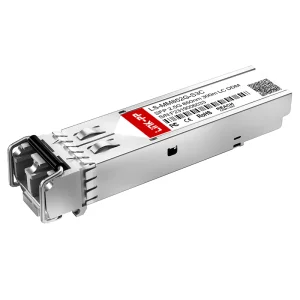
Exploring the requirements for 2.5G~6G SFP deployment across Southern California's carrier-dense ecosystems.
The Los Angeles metropolitan area is one of the most critical network exchange points on the planet. Driven by the massive data flows transiting through flagship carrier hotels like One Wilshire (600 S. Grand Ave) and an extensive constellation of Edge data centers stretching from Downtown LA to El Segundo, the region serves as the primary digital gateway between North America and the Asia-Pacific. However, managing high-density traffic requires a careful balance between bandwidth capability, heat dissipation, and hardware compatibility.
While 10G and 100G architectures dominate core routing backbones, 2.5G to 6G optical interfaces occupy a crucial tier in mid-mile access networks, municipal WAN installations, and enterprise campus networks. These intermediate speed configurations allow local operators to scale their digital services effectively, bypassing the unnecessary capital expenditures associated with complete fiber and switch structural changes. As legacy installations reach capacity, FiddlLink's precision-engineered 2.5G~6G SFP transceivers offer the ideal physical-layer transition pathway.
"In high-density metro installations across Los Angeles, fiber conservation is key. Utilizing Wavelength Division Multiplexing (WDM) and Bidirectional (Bidi) SFP modules allows enterprise network architects to double their network capability over existing single-strand single-mode fiber (SMF) runs."
To ensure dependable long-term network performance, our transceivers conform strictly to Multi-Source Agreement (MSA) SFF-8472 guidelines. Key physical layer specifications include:
| Transceiver Configuration | Wavelength (TX / RX) | Fiber Type | Distance Reach | Optical Budget (dB) | Connector Interface |
|---|---|---|---|---|---|
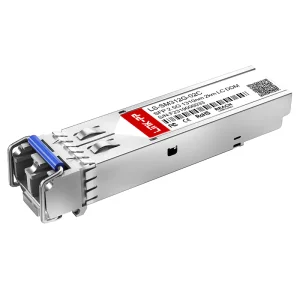
| 2.5GBASE-SX Multimode | 850nm / 850nm | MMF (OM3/OM4) | 300m / 550m | 8.5 dB | Duplex LC |
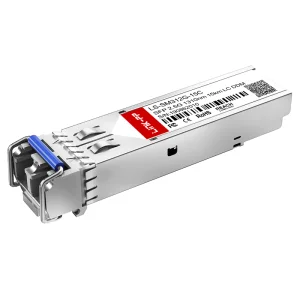
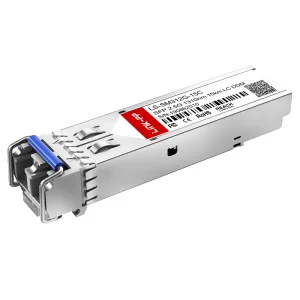
| 2.5GBASE-LX Single Mode | 1310nm / 1310nm | SMF (G.652) | 2km / 15km | 12.0 dB / 15.0 dB | Duplex LC |
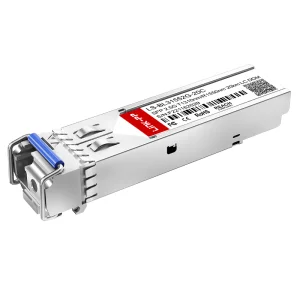
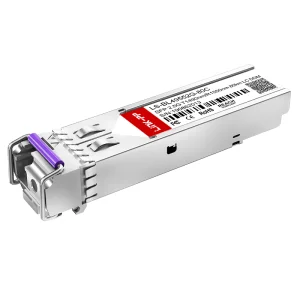
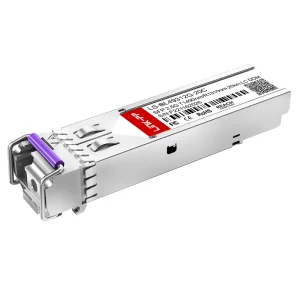
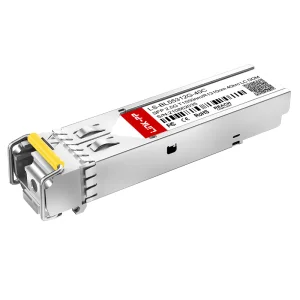
| 2.5G Bidi Single Mode | 1310nm-TX / 1550nm-RX | Simplex SMF | 20km / 40km | 15.0 dB / 20.0 dB | Simplex LC |
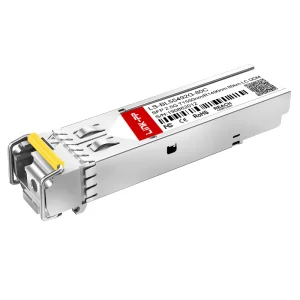
| 2.5G Bidi Extended Reach | 1490nm-TX / 1550nm-RX | Simplex SMF | 80km | 28.0 dB | Simplex LC |
The deployment of 5G across Los Angeles requires extensive network densification. To connect Remote Radio Heads (RRH) to Baseband Units (BBU) at cell sites, operators rely heavily on the Common Public Radio Interface (CPRI) standard. CPRI Line Rate Options 3 (2457.6 Mbps), 4 (3072.0 Mbps), and 5 (4915.2 Mbps) map directly onto 2.5G to 5G module architectures.
For CPRI Option 6 (6144.0 Mbps), our 6G SFP+ and standard SFP transceivers provide low-latency pathways designed to tolerate extreme outdoor environment profiles. Featuring a wide industrial operating temperature range (-40°C to 85°C), these units ensure consistent link uptime even when mounted in uncooled outdoor pole-top enclosures throughout Southern California's hot summers.
Delivering advanced fiber optic communication solutions directly from our modern production facility to Los Angeles and beyond.
FiddlLink Optical Technology Co., Ltd. is a professional manufacturer and supplier of high-performance optical transceivers and fiber optic communication solutions. Established in 2016, the company specializes in the research, development, production, and global distribution of optical networking products for data centers, telecommunications networks, enterprise infrastructure, and cloud computing applications.
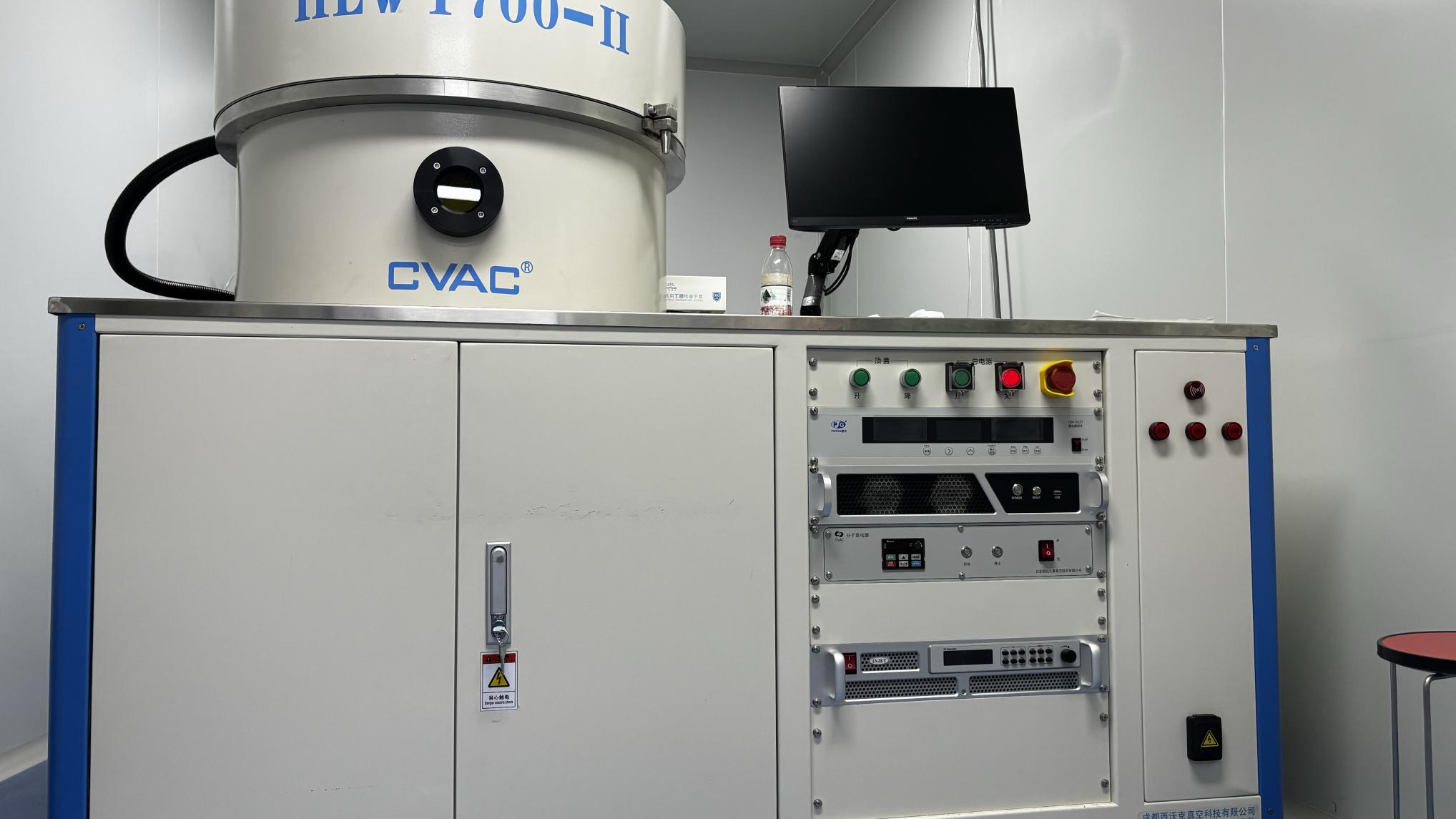
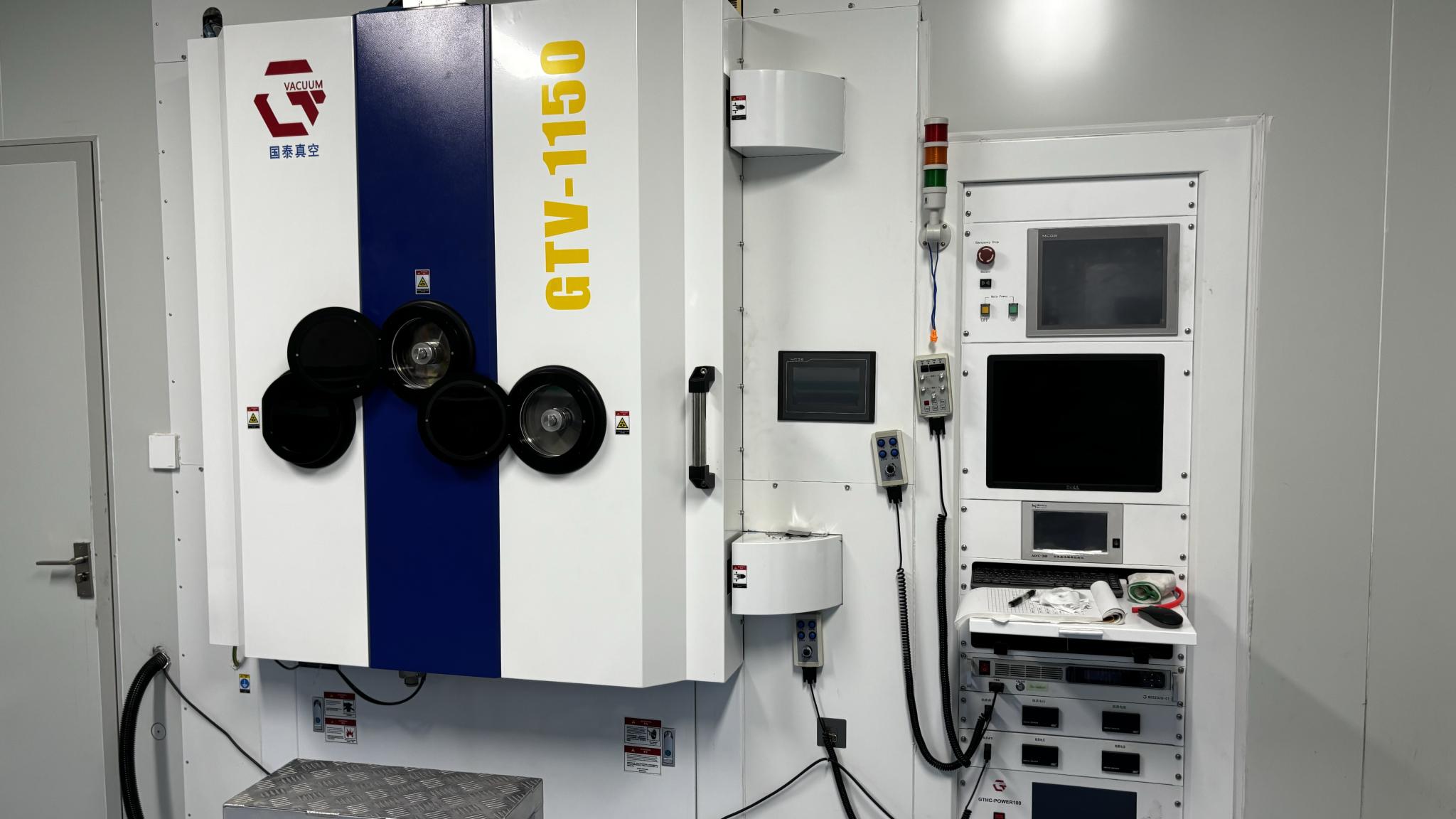
Our manufacturing facility is equipped with advanced production and testing machinery to ensure consistent product quality and reliable performance. With over 12 years of industry experience and 8 years of export experience, FiddlLink has built a strong reputation among customers worldwide for delivering innovative, cost-effective, and dependable optical communication products.
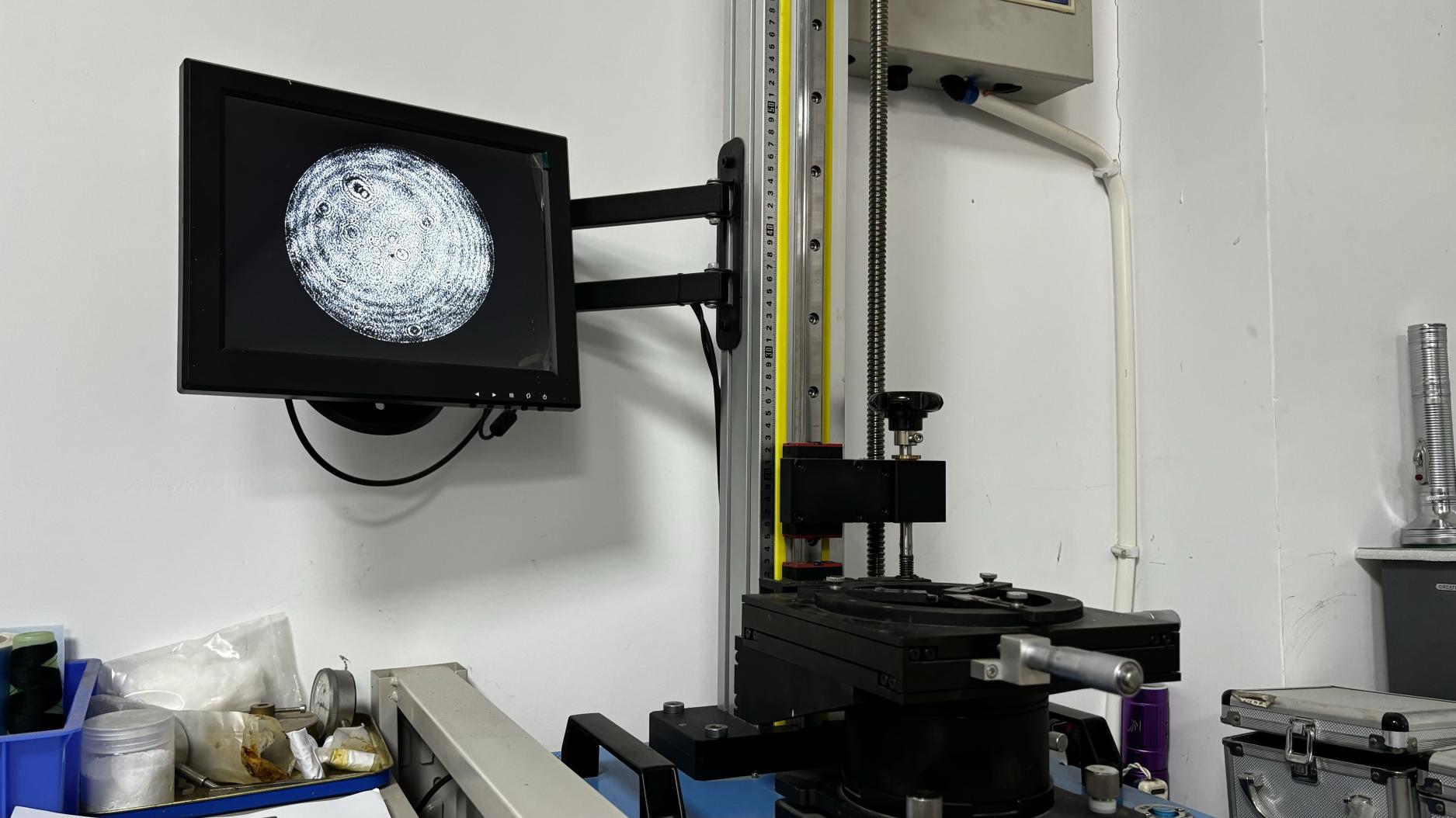
Quality is at the core of everything we do. FiddlLink operates a comprehensive quality management system supported by 42 professional quality control personnel. Every product undergoes rigorous inspections, including incoming material inspection, production process monitoring, optical performance testing, environmental reliability testing, and final product verification before shipment.
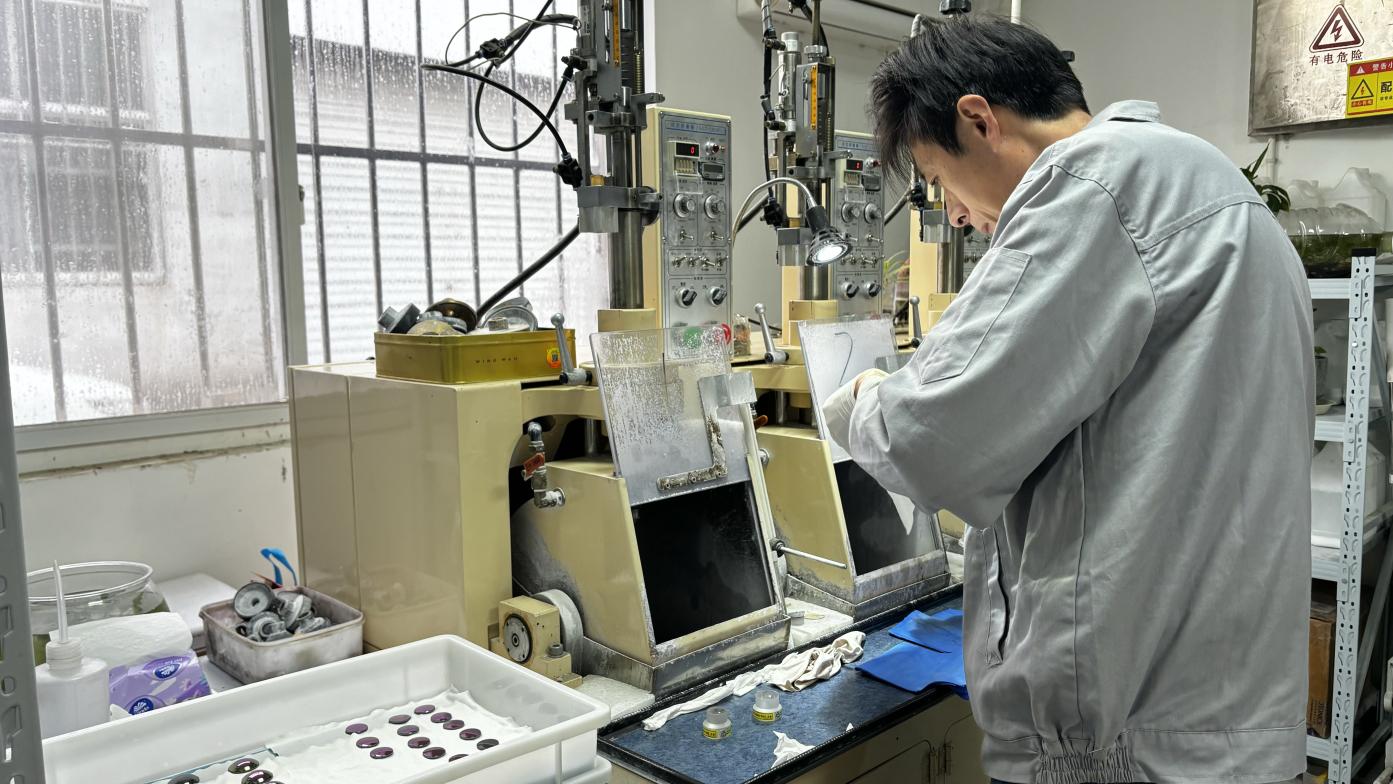
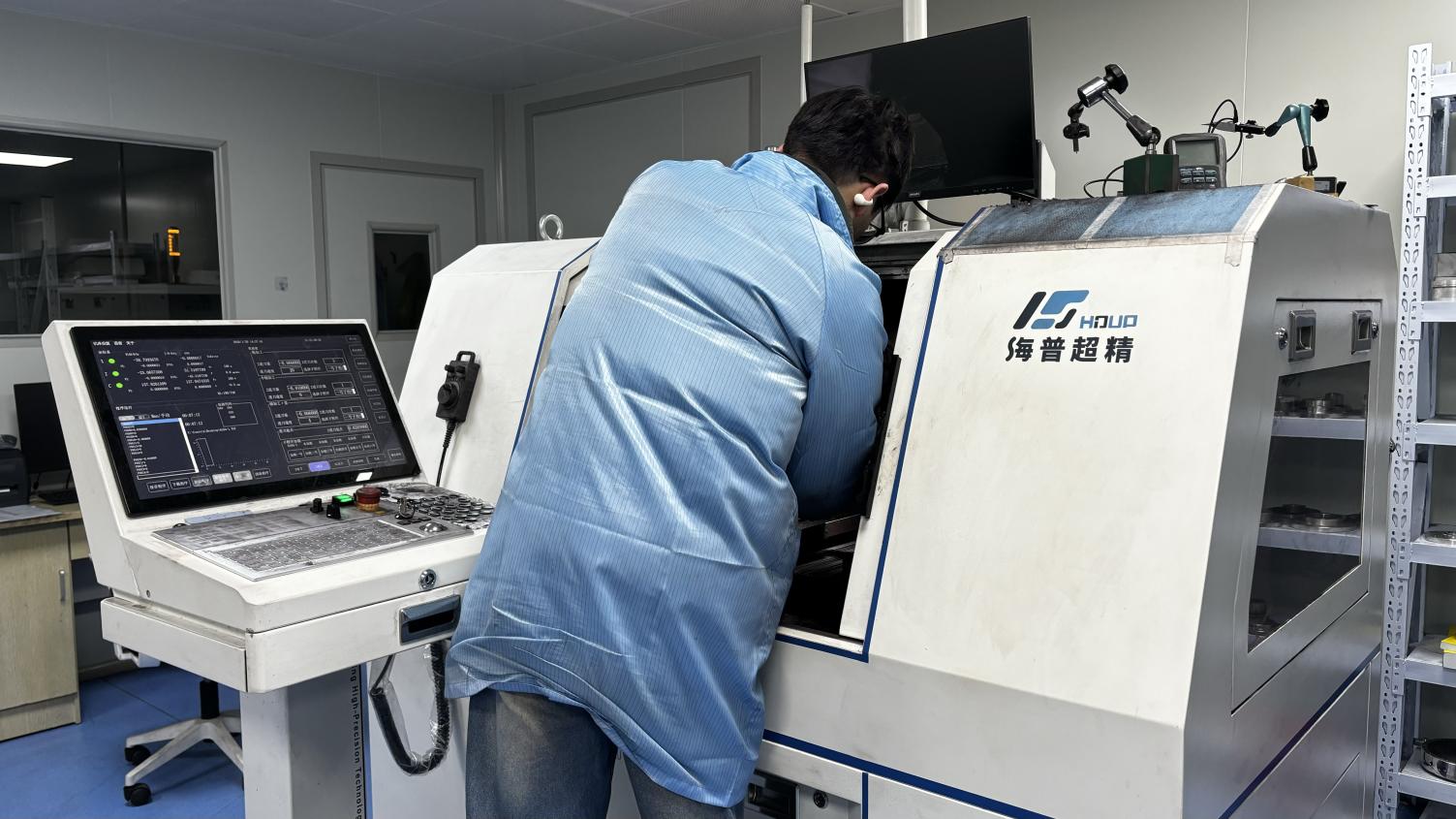
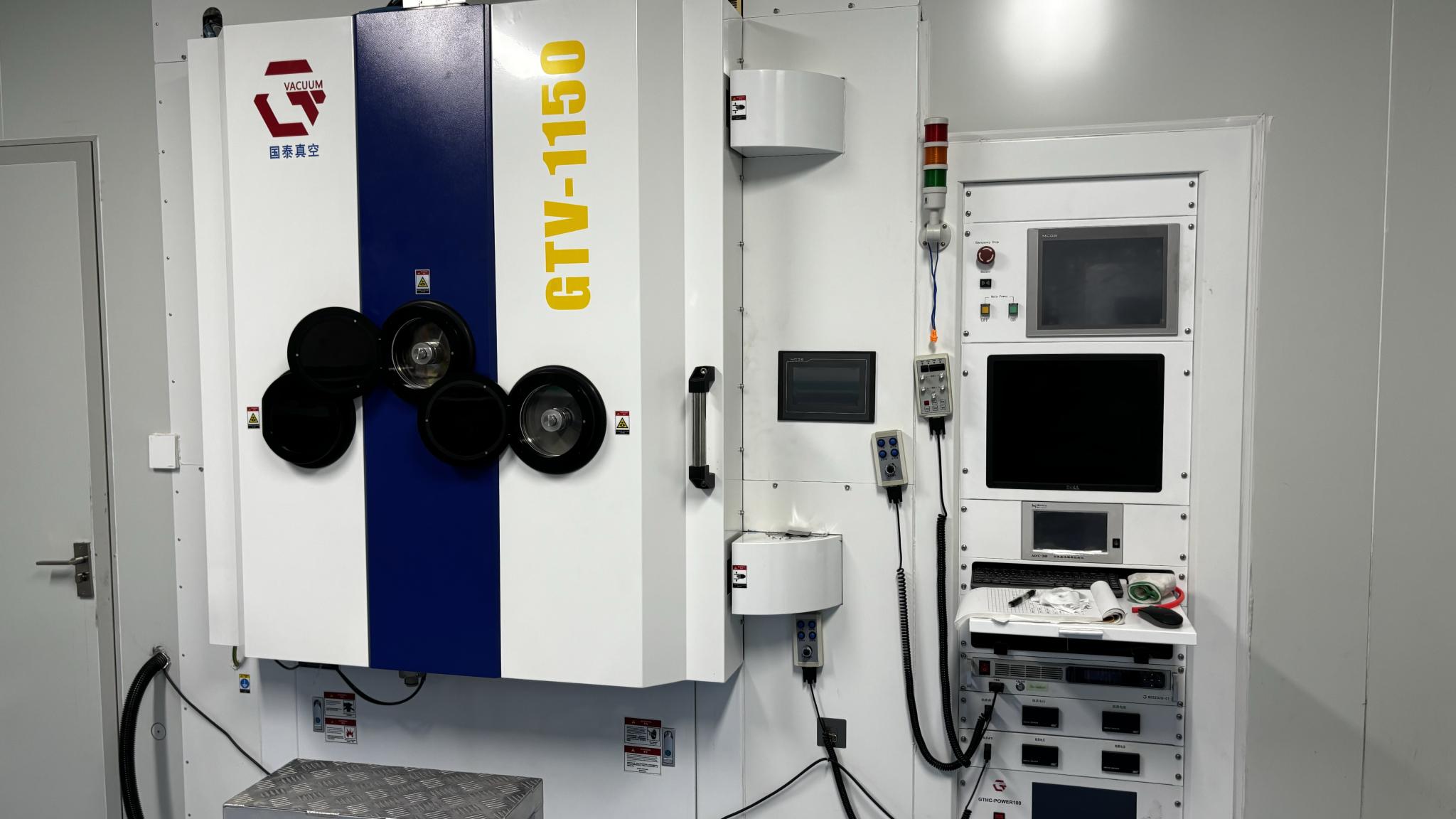
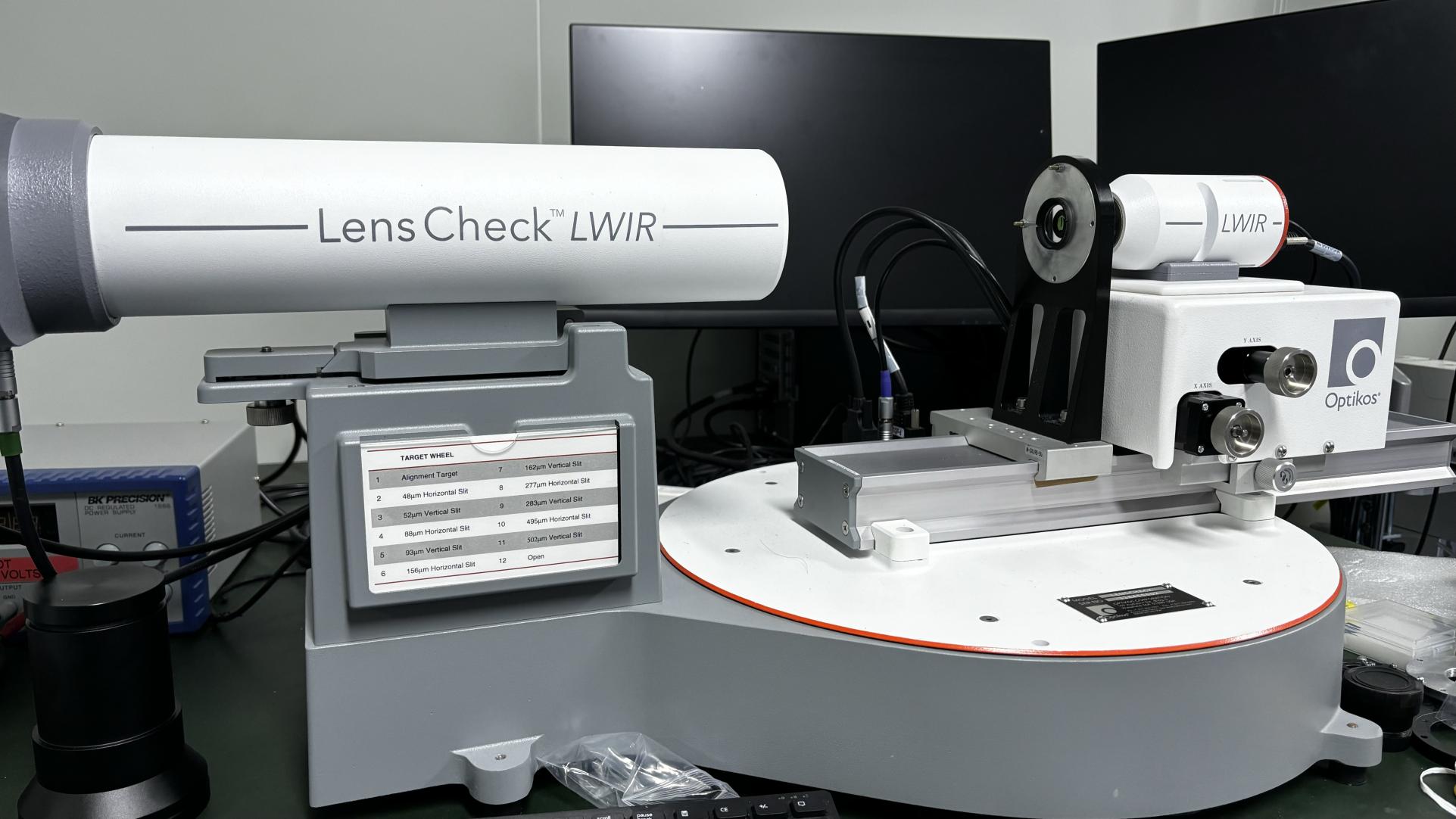
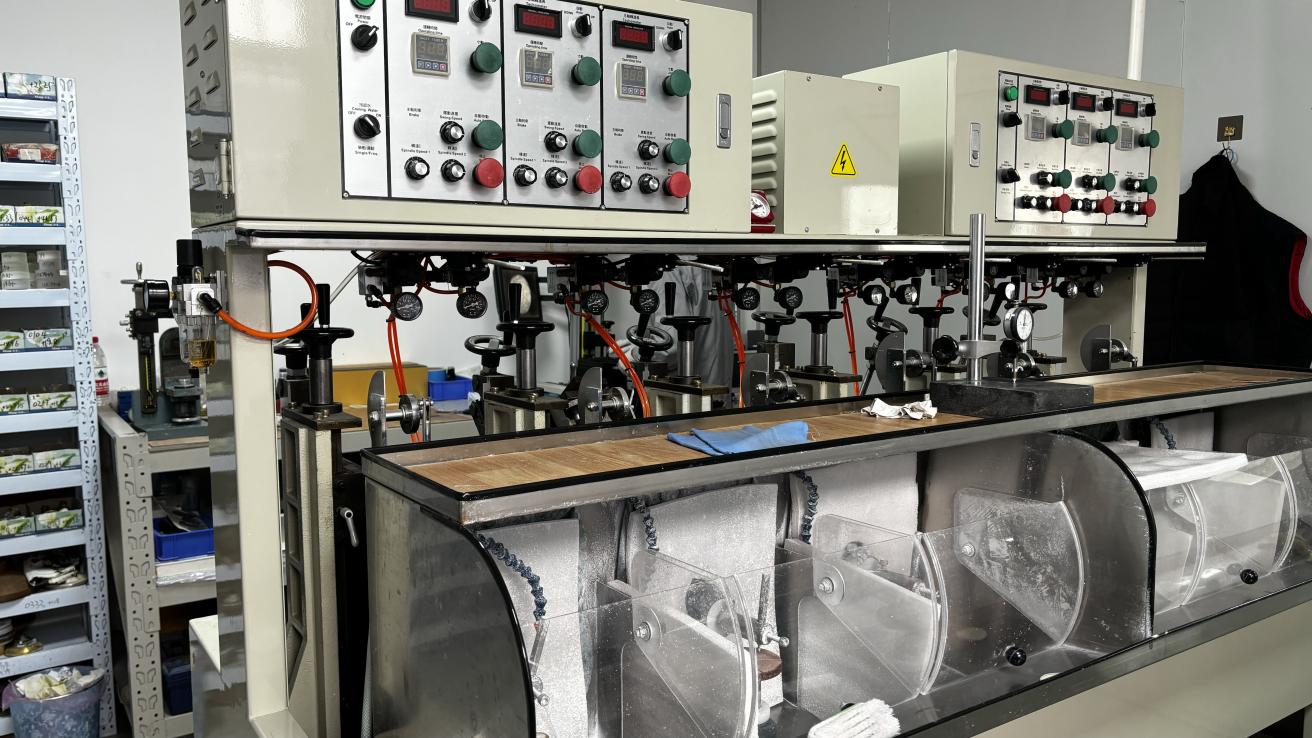
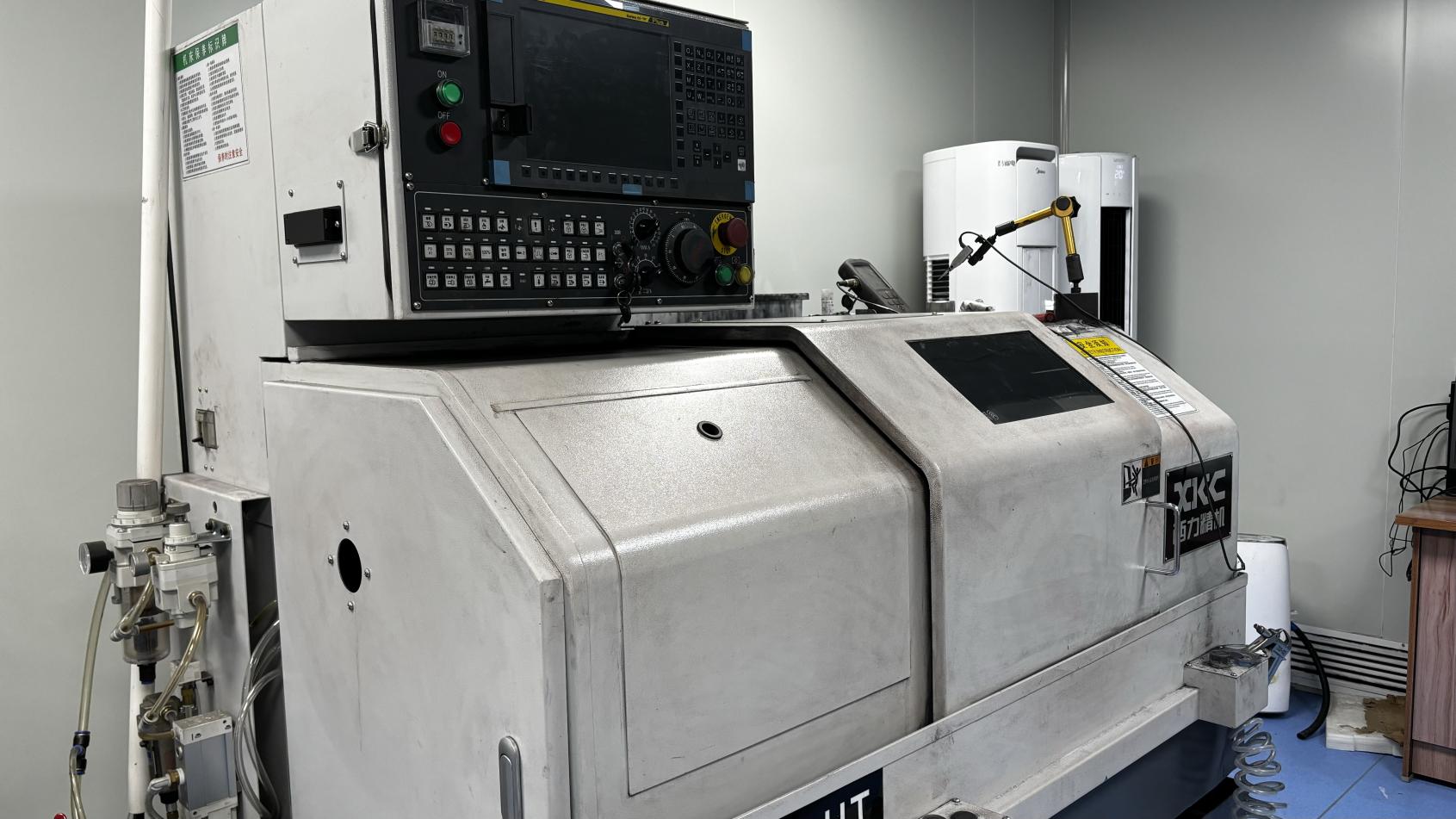
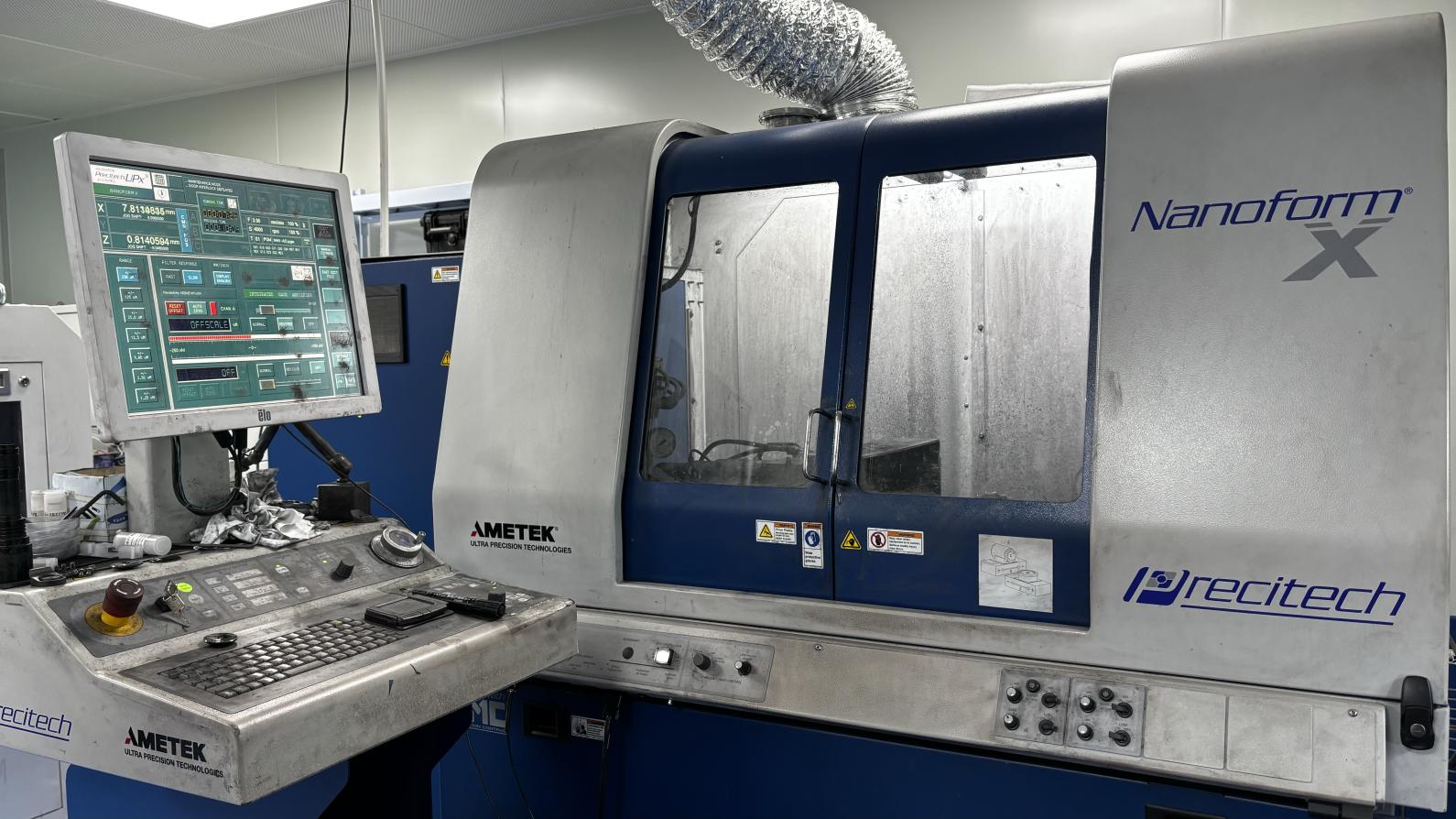
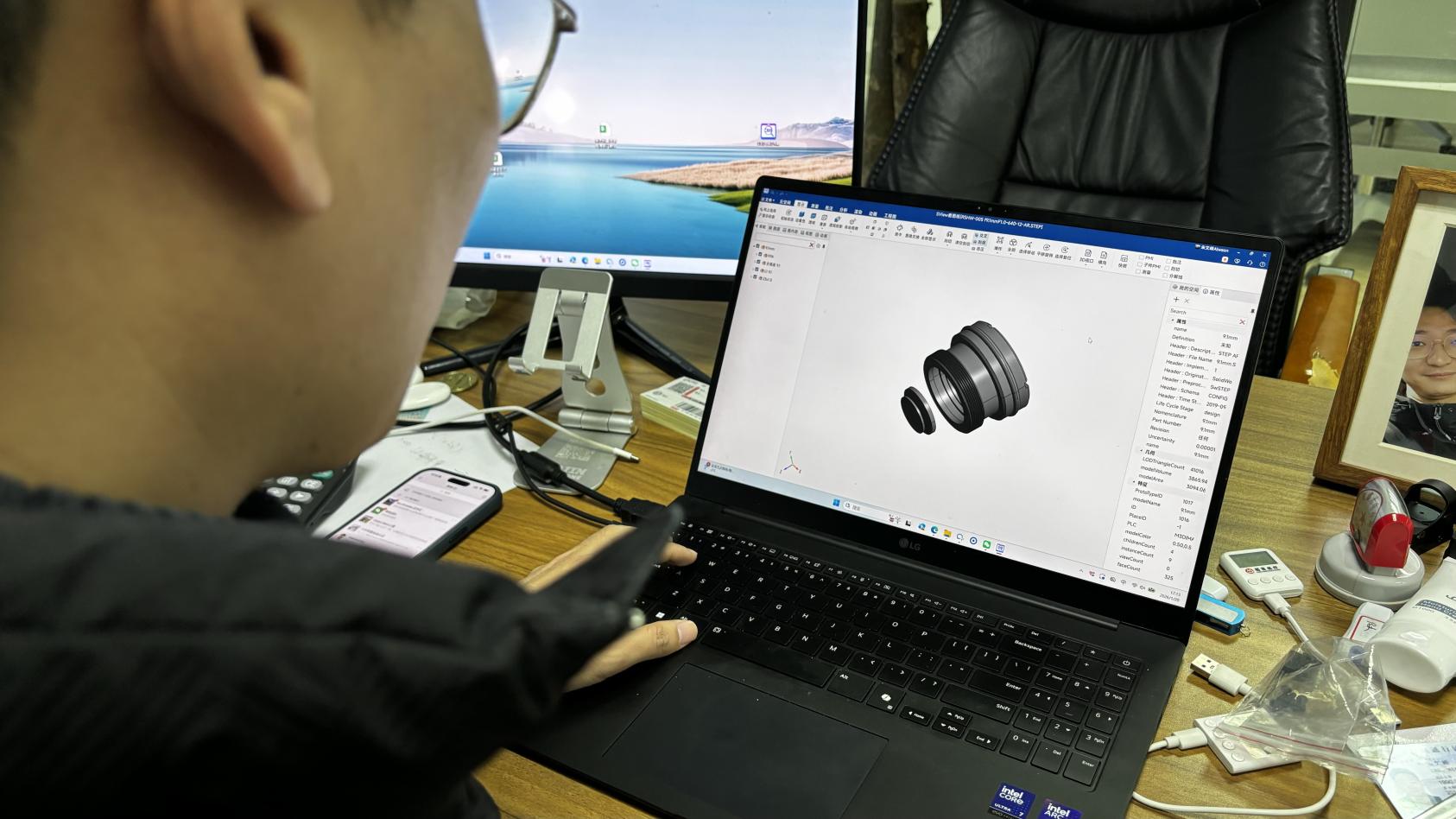
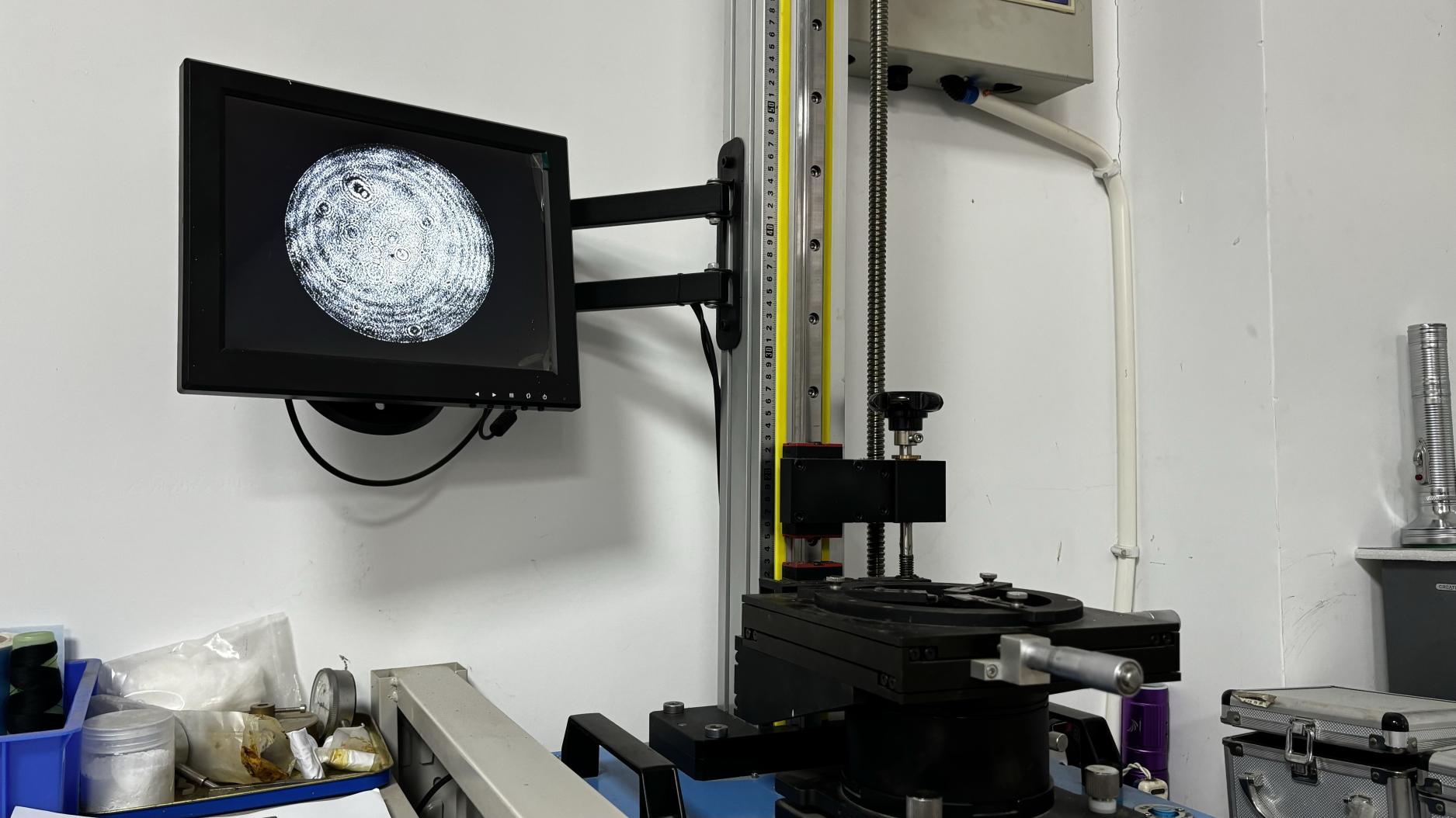
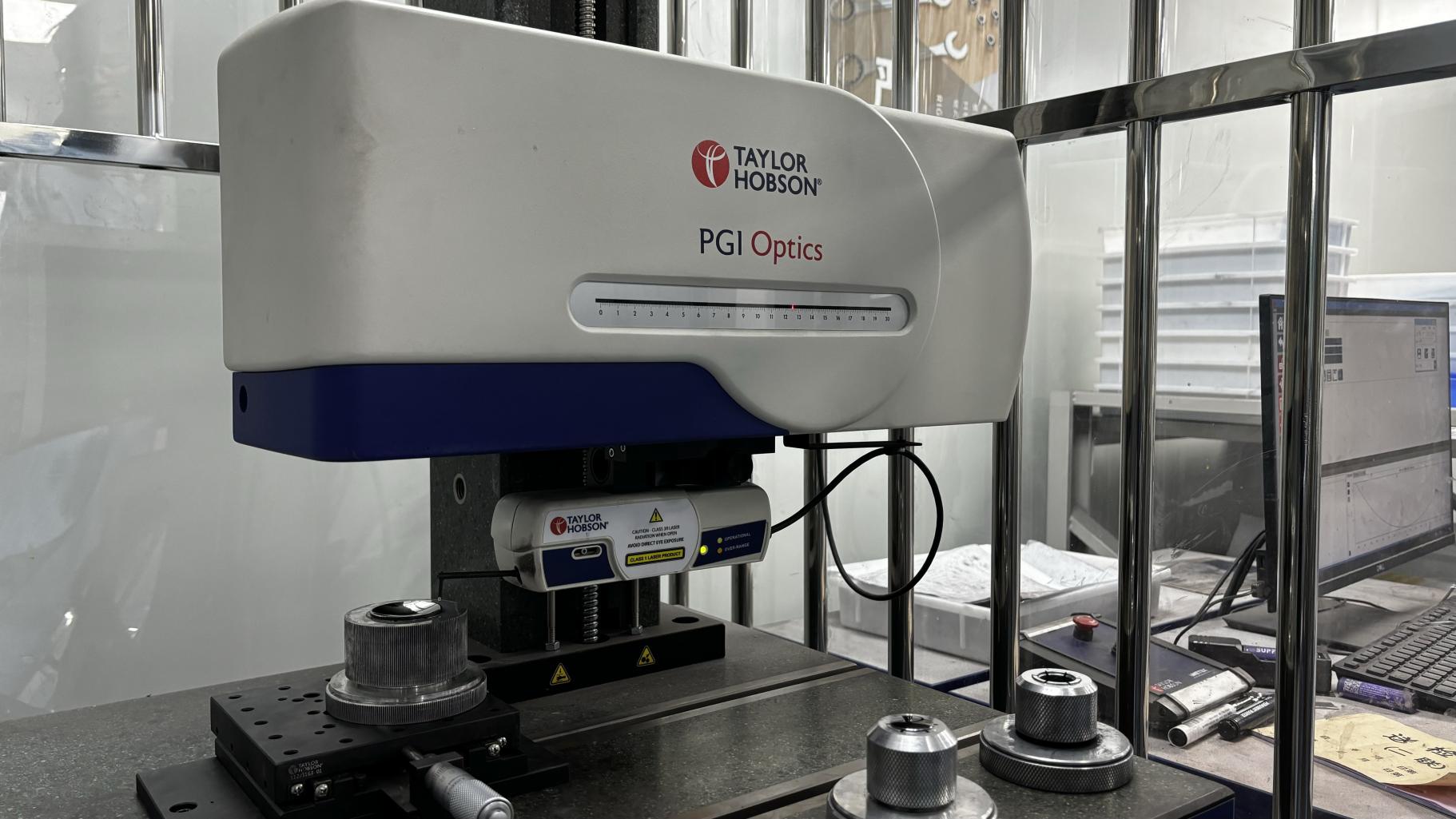
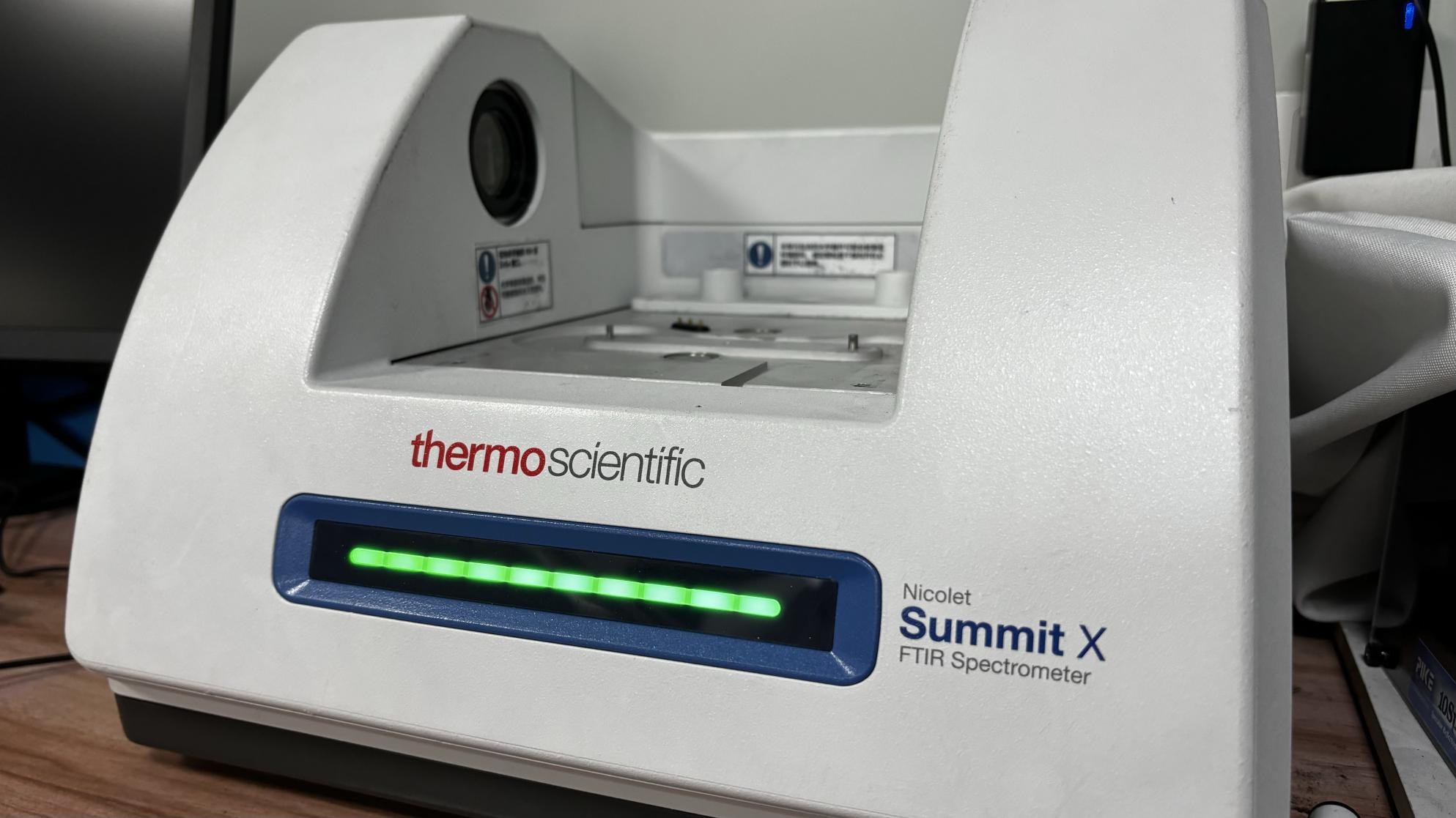
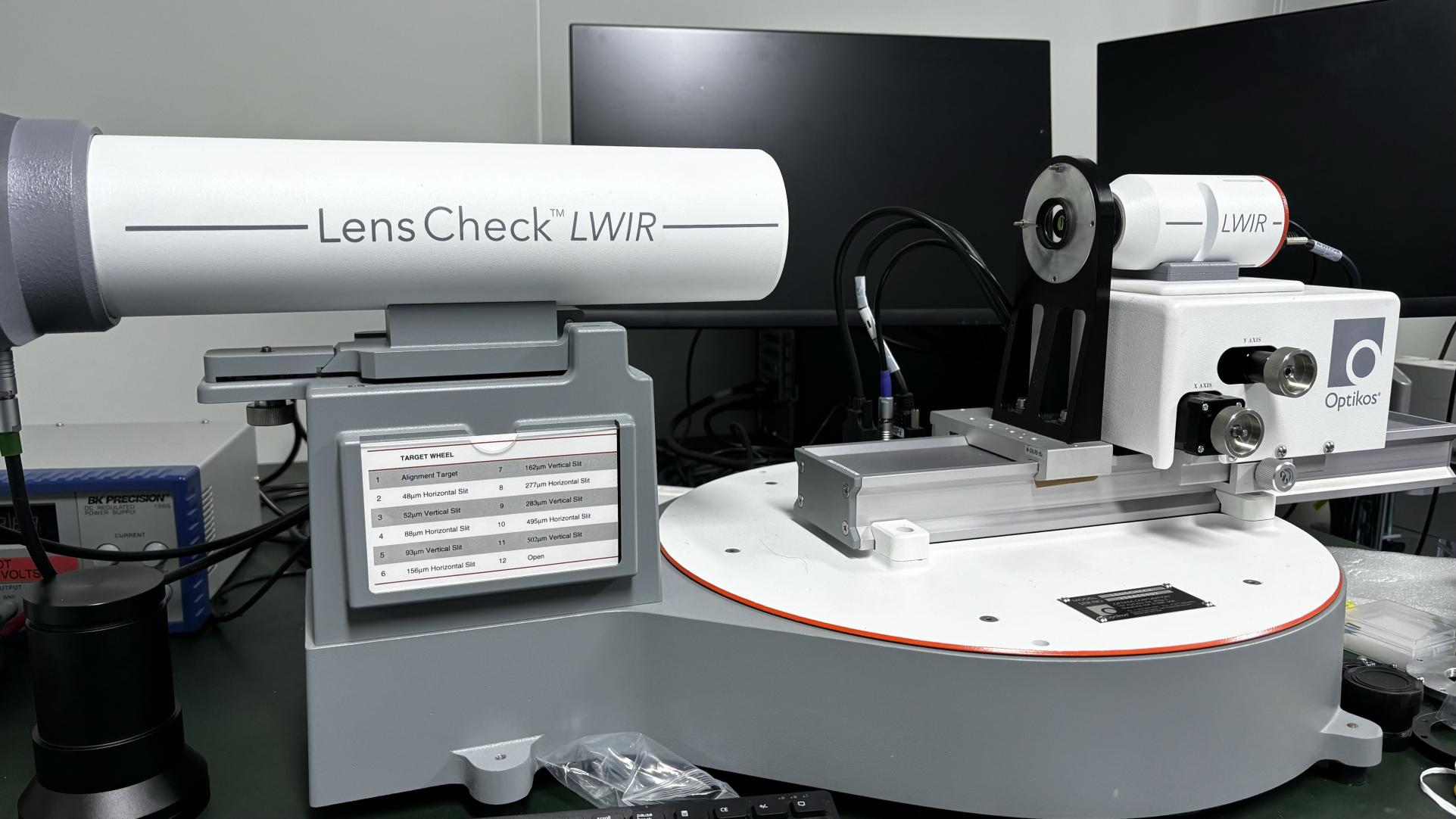
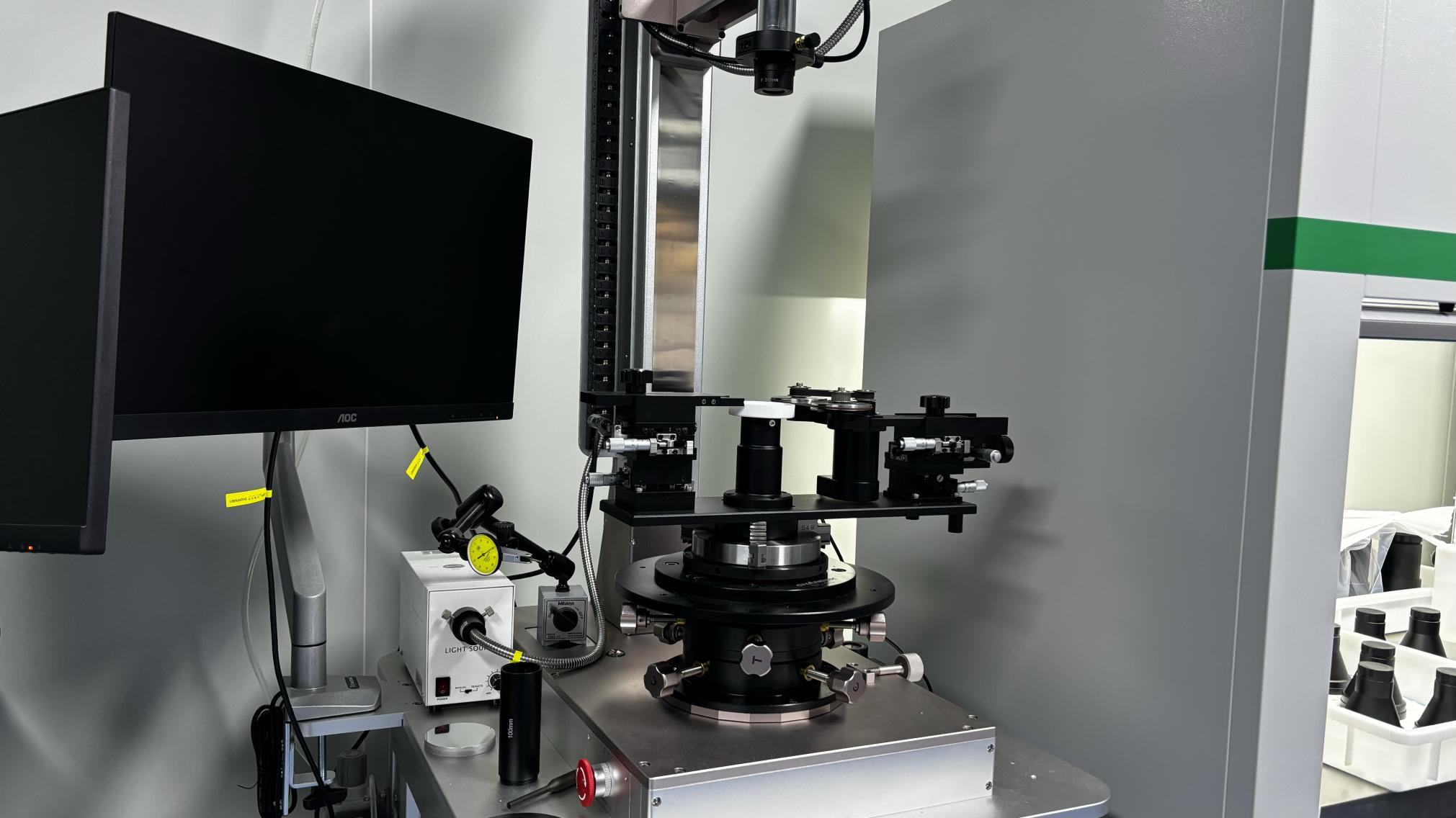
A look inside our facility showing the optical polishing, coating, and diagnostic steps that ensure zero-defect production.
The major challenge in deploying 3rd-party optical transceivers into systems from vendors like Cisco, Arista, Juniper, or HPE is host system compatibility. Network equipment manufacturers often program their hardware to check for proprietary digital signatures on the transceiver EEPROM.
FiddlLink solves this issue through our dedicated firmware custom flashing service. Using advanced validation systems, our engineers program the vendor-specific identification codes, serial formatting, and checksum algorithms onto the SFP's EEPROM. This ensures that when our SFP modules are plugged in, they are instantly recognized by the host switch or router without triggering software warnings or port disabled statuses.
For Los Angeles-based system integrators managing mixed network environments, this firmware customization simplifies sourcing, helps standardise procurement, and reduces operational risk.
Our engineering team performs direct emulation testing across more than 50 major networking platforms. Every transceiver is verified on-switch to guarantee 100% compatibility with:
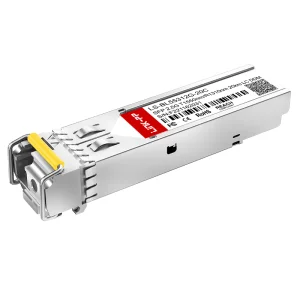
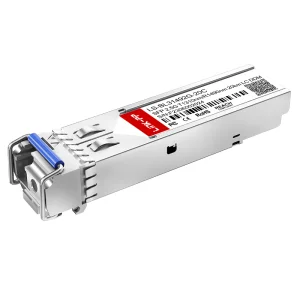
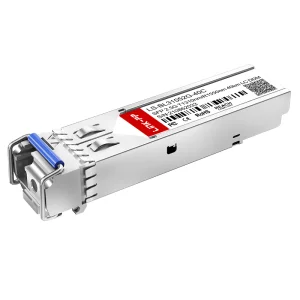
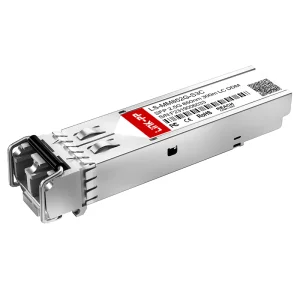
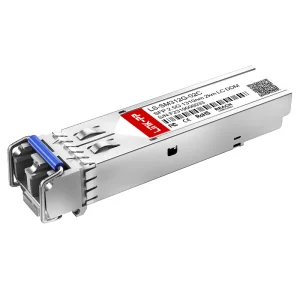
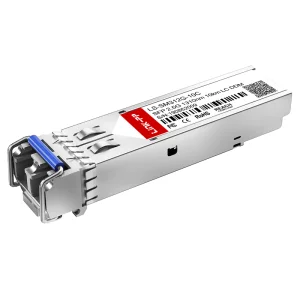
Explore our full line of Duplex and Simplex Bidi SFP optical transceivers built for long-haul networks and enterprise backhauls.
Get answers to critical integration, shipping, and compatibility questions regarding 2.5G~6G SFPs.