FiddlLink FiddlLink

China Best LED Driver Manufacturer & Exporters

Empowering Global Smart Cities, Telecom Grids, and Industrial Power Architectures with High-Performance Driver Electronics & High-Speed Connectivity Infrastructure.

FiddlLink Optical Technology: Industry Capabilities & Capacity

Established in 2016, FiddlLink Optical Technology Co., Ltd. has developed into a premium developer and supplier of high-performance optical transceivers, network transformers, and advanced solid-state lighting components.

$18M+
Annual Export Revenue
12+
Years Industry Experience
126
R&D Engineers
850+
Strategic Partners

Industry Whitepaper: The Evolution of Intelligent LED Drivers & Connectivity

The global transition to intelligent architectural lighting, smart city infrastructure, and unified IoT communication nodes has radically reshaped the requirements for electrical regulation. Today, a LED Driver is no longer simply a device that converts AC line voltage to a constant DC current. Modern LED drivers act as the brain of the luminaire, managing thermal telemetry, performing multi-protocol communication (DALI-2, 0-10V, PWM, Matter, PoE), and ensuring high power factor efficiency alongside minimal total harmonic distortion (THD).

1. Global Trends in Smart Lighting: The Rise of DALI-2 & Power-over-Ethernet (PoE)

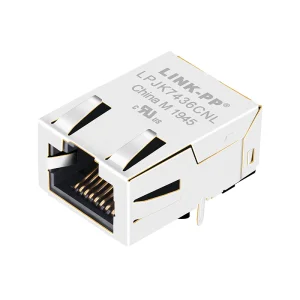
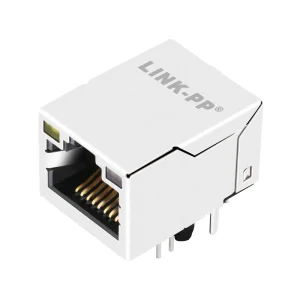
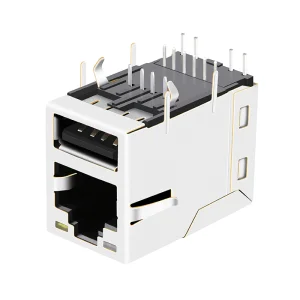
Smart building automation demands deep integration between lighting circuits and local Area Networks (LANs). In standard commercial environments, this convergence is heavily driven by PoE (Power over Ethernet) lighting systems. By combining data transmission and power supply over a single Category cable, buildings can dispense with traditional high-voltage electrical conduits. This is where high-quality Ethernet interfaces, such as low-profile RJ45 connectors and network transformers, bridge the gap between telecom infrastructure and solid-state LED controllers.

Furthermore, DALI-2 certification has become the benchmark for professional LED drivers in commercial spaces, ensuring multi-vendor interoperability, precise linear and logarithmic dimming curves down to 0.1%, and comprehensive diagnostics. Diagnostic feedback includes real-time energy tracking, operational temperature alerts, and lamp failure detection. By reporting this telemetry back to the centralized cloud control room via high-reliability SFP transceivers, facility operators can implement preventative maintenance schedules, slashing operational expenditure (OPEX) by up to 35%.

2. Sourcing Requirements for Global Enterprises

Enterprise procurement professionals look beyond simple per-unit pricing when evaluating LED driver manufacturers and optical communication exporters. The key parameters of concern are:

  • Electrical Safety & Compliance Standards: Full compliance with UL8750 (Class 2 output pathways for shock hazard mitigation), EN61347-1, EN61347-2-13, CE, FCC Class B, and RoHS regulations is mandatory for legal importation into North American and European markets.
  • Thermal Management & Reliability: Industrial drivers must operate continuously in harsh environments, from cold storage facilities (-40°C) to steel mills (+60°C). High-grade thermally conductive potting compounds, electrolytic capacitors rated for over 100,000 operational hours at elevated temperatures, and robust over-voltage/surge protection circuits (typically 4kV to 10kV line-to-line/line-to-earth protection) are required.
  • Dimming Performance: Flicker-free dimming across the entire output range is essential to avoid digital camera interference, barcode scanner failures, and occupant fatigue. This is achieved using high-frequency Pulse Width Modulation (PWM) combined with Constant Current Reduction (CCR) methodologies.

Key Tech Integration: Power & Communication

Class 2 Power Isolation

Designed with galvanic isolation barriers to prevent high voltage leaks from the primary AC line to the secondary low-voltage DC output, protecting equipment and human safety.

Intelligent Surge Protection

Features robust internal metal oxide varistors (MOVs) and transient voltage suppressors (TVS) capable of absorbing electrical transients up to 10kV without degrading components.

PoE & Optical Integration

Direct communication architecture utilizing high-speed Ethernet systems. Transceivers link driver clusters directly to commercial Building Management Systems (BMS).

3. China Factory 4.0: Supply Chain Resilience and Engineering Excellence

The dominant position of Chinese manufacturers in the global LED driver and communication component industry is supported by three structural advantages: supply chain vertical integration, automated manufacturing, and engineering agility.

At FiddlLink, this engineering excellence is reflected in our robust production design. The manufacturing pipeline leverages Surface Mount Technology (SMT) lines combined with automated optical inspection (AOI) to guarantee solder-joint reliability. We employ sophisticated testing methods to ensure structural integrity across all components. Our specialized facility layout, optimized across 380 square meters, is dedicated to high-precision optics, electronic validation, and mechanical assembly. Backed by 126 expert R&D engineers, we are equipped to rapidly adapt product designs to customer requirements.

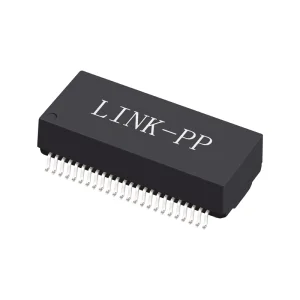
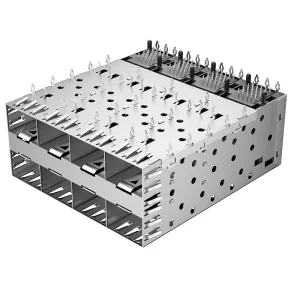
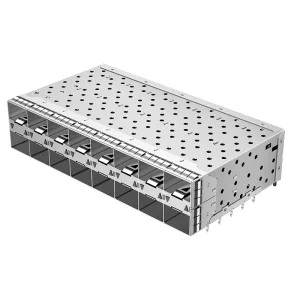
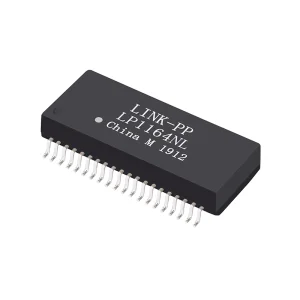
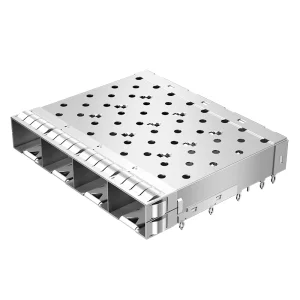
This integration is critical for items requiring exact electromagnetic interference (EMI) shieldings, such as our press-fit EMI shielded cages, or for high-frequency isolation systems, like the network transformer modules. Our 42 quality control professionals conduct comprehensive reliability testing on every batch. This encompasses thermal shock chamber aging, vibration simulation, salt spray testing for coastal applications, and high-voltage dielectric isolation tests.

By keeping raw materials, coil winding, stamping, and testing facilities in close geographical proximity, FiddlLink ensures production continuity even when global logistics are disrupted. This structural resilience allows us to support over 850 strategic partners with consistent lead times and reliable capacity.

4. Application Scenarios: Commercial, Industrial, and Telecommunications

High-reliability power driver electronics and fiber optic systems serve distinct, critical requirements across multiple industries:

  • Industrial High-Bay Facilities: Steel foundries, chemical plants, and logistics hubs require high-power LED drivers (up to 1000W) with exceptional thermal dissipation properties. These environments are prone to voltage drops and harmonic distortions, necessitating active Power Factor Correction (PFC > 0.98) and a low THD (< 10%) to protect adjacent equipment.
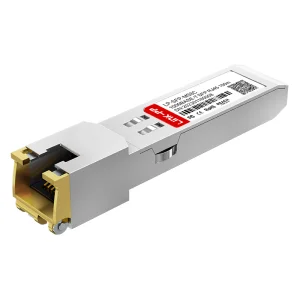
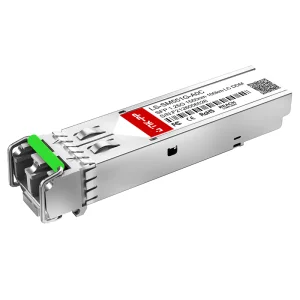
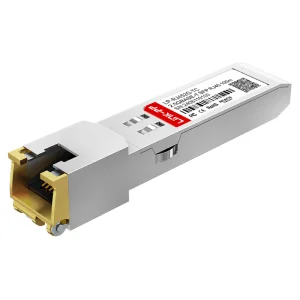
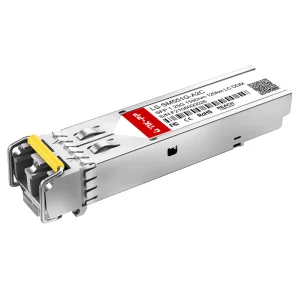
  • Telecom Central Offices and Data Centers: Precision network equipment relies on reliable power distribution and high-speed data interconnects. Devices like our 1000BASE-EZX SFP optical modules extend networks up to 100km, providing clean data transport to core infrastructure. These systems are often paired with robust power-over-ethernet setups to control terminal monitoring devices.
  • Smart City Outdoor Infrastructure: Streetlights and municipal installations operate in high-humidity, dust-laden environments subject to lightning strikes. Industrial IP67-rated waterproof drivers, paired with robust RJ45 connections and press-fit SFP cages, enable nodes to communicate over optical backhauls while withstanding outdoor conditions.

Factory 4.0 Equipment & High-Precision Testing Facilities

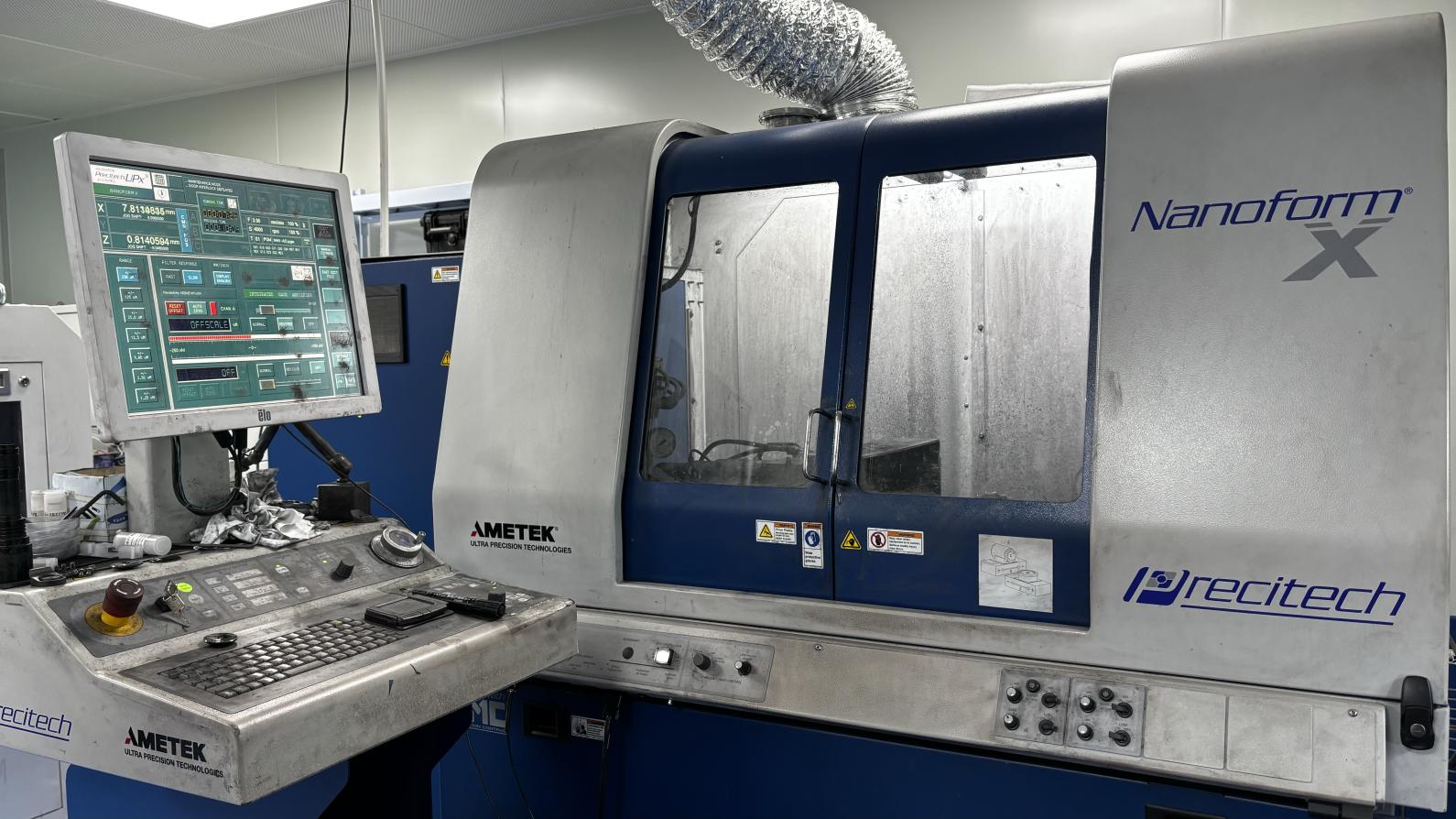
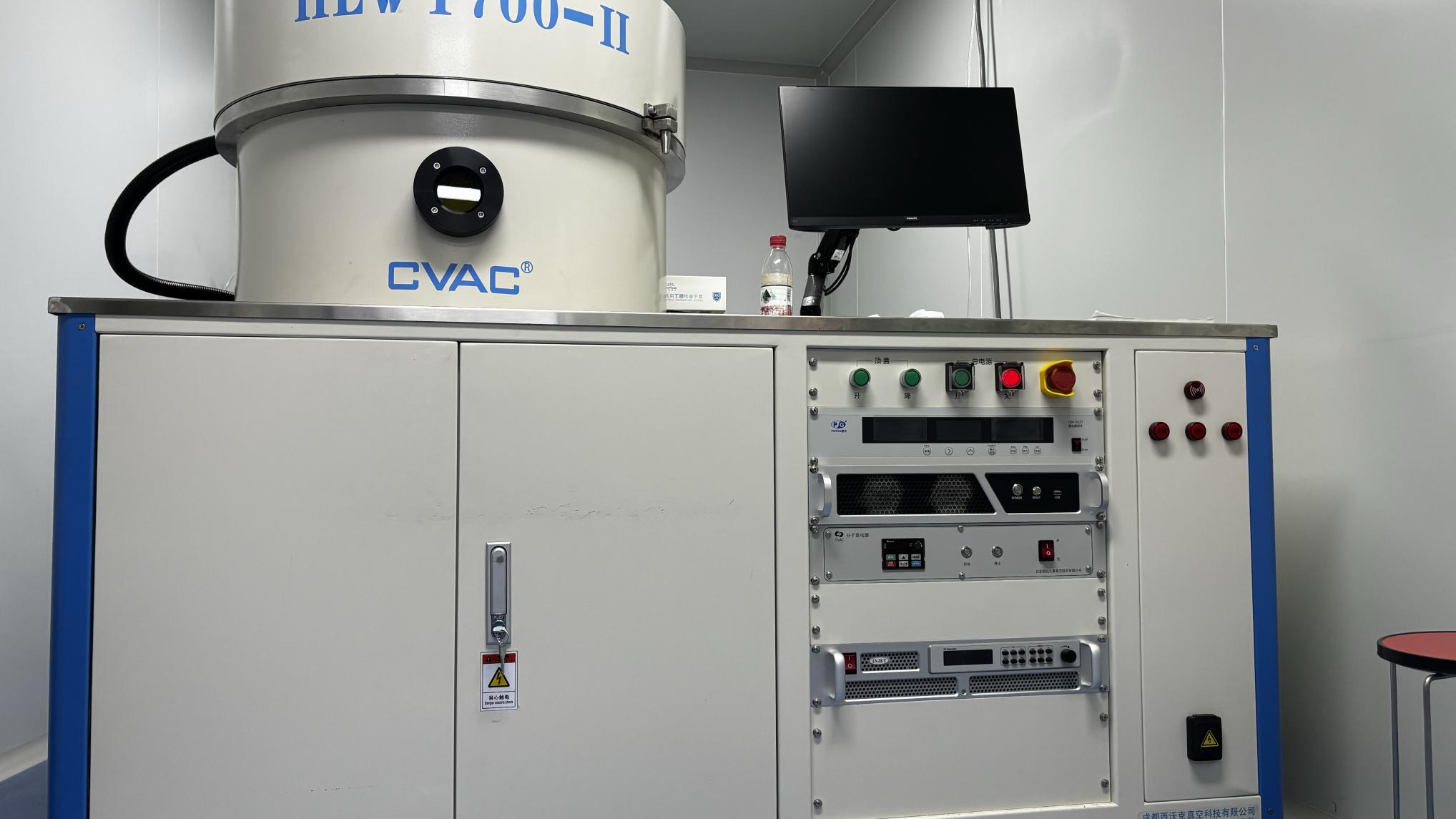
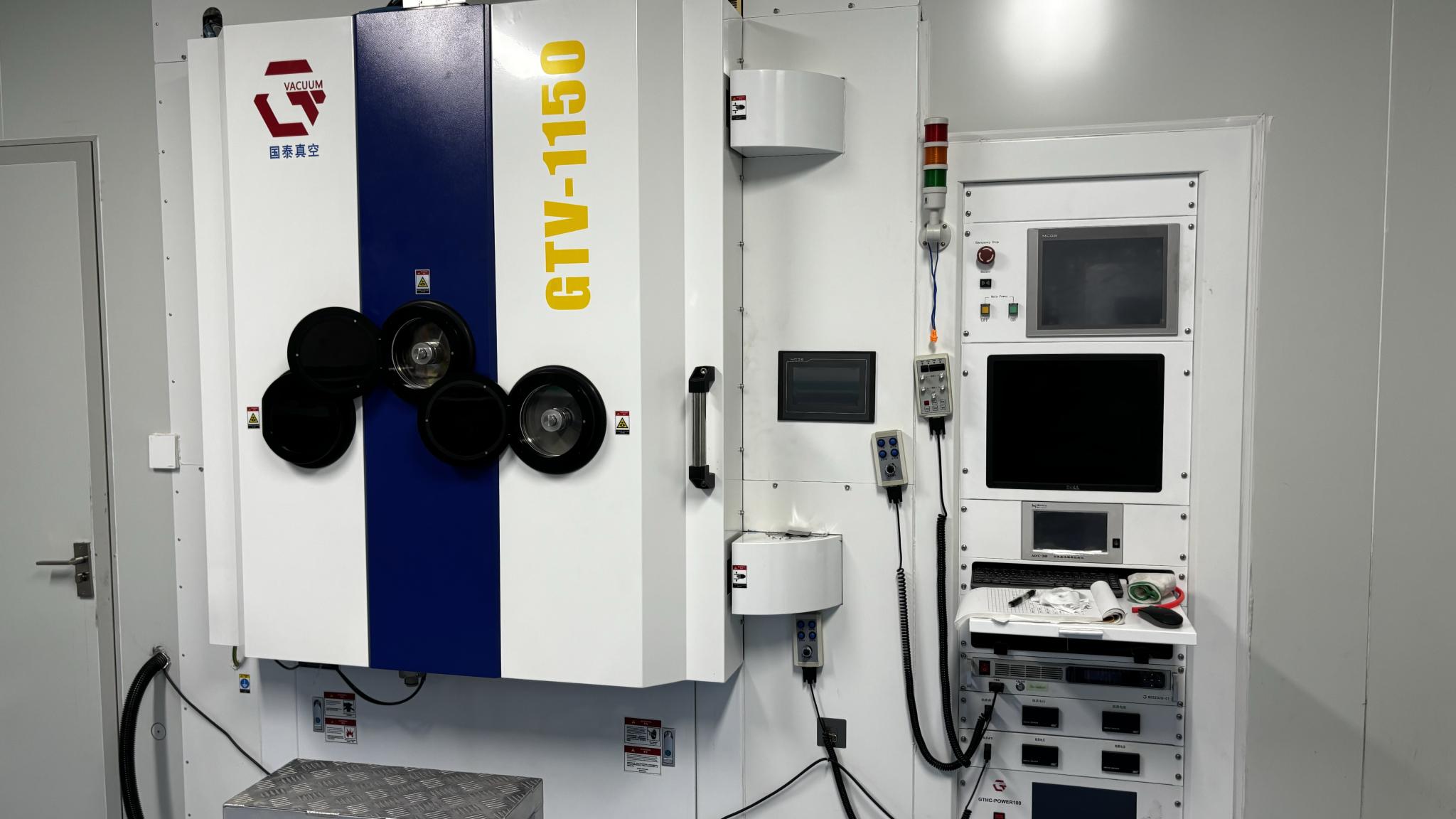
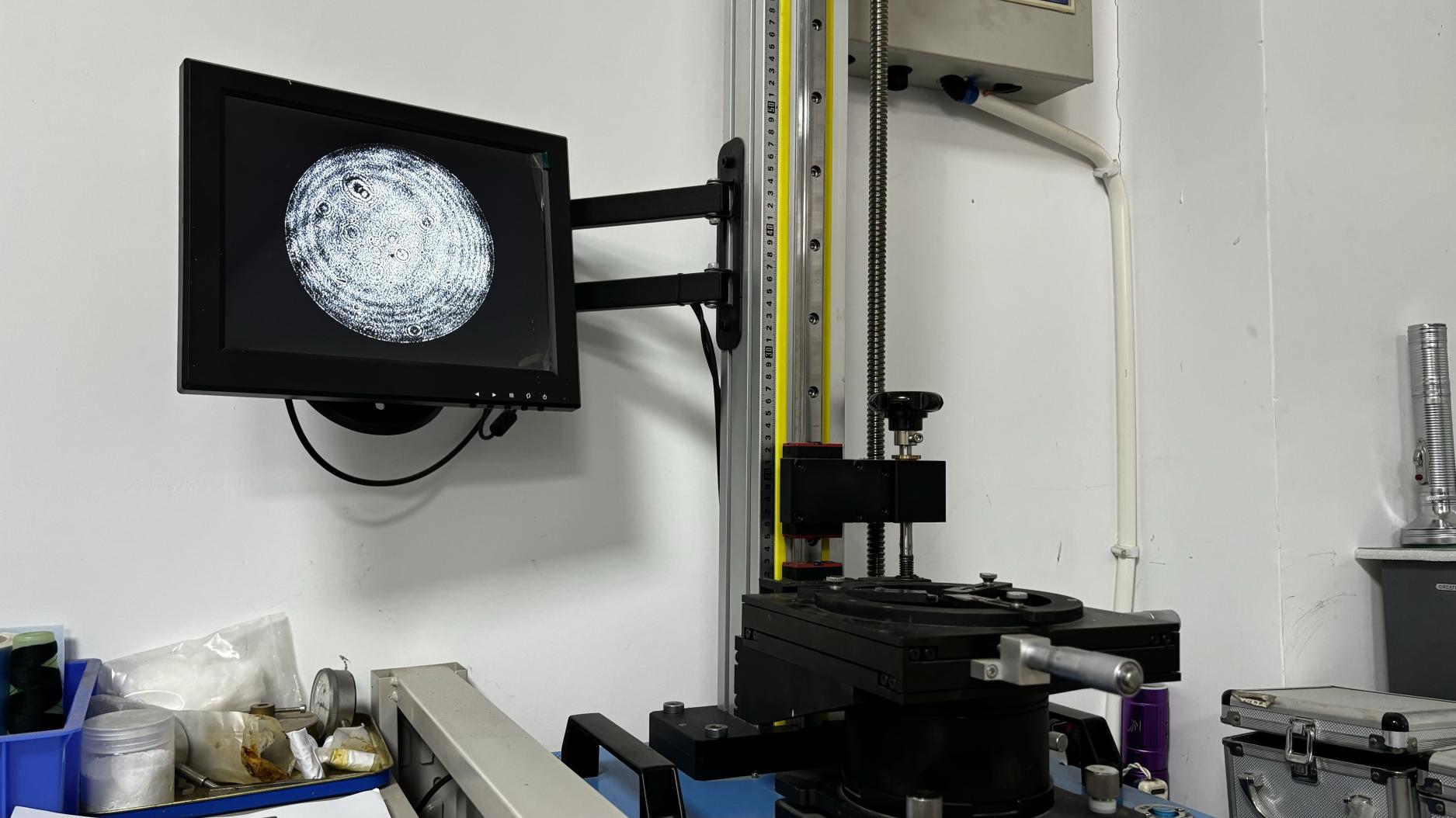
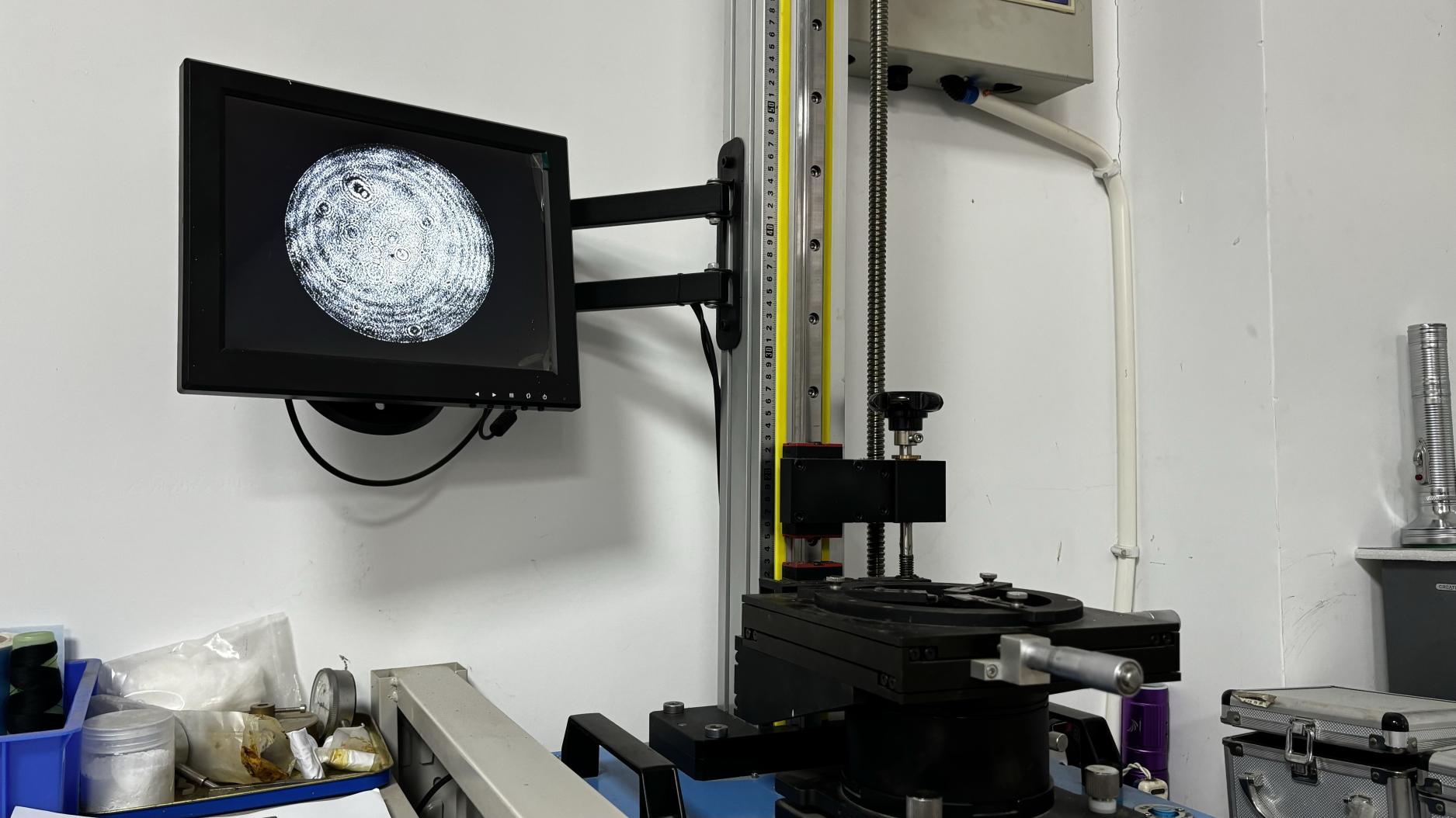
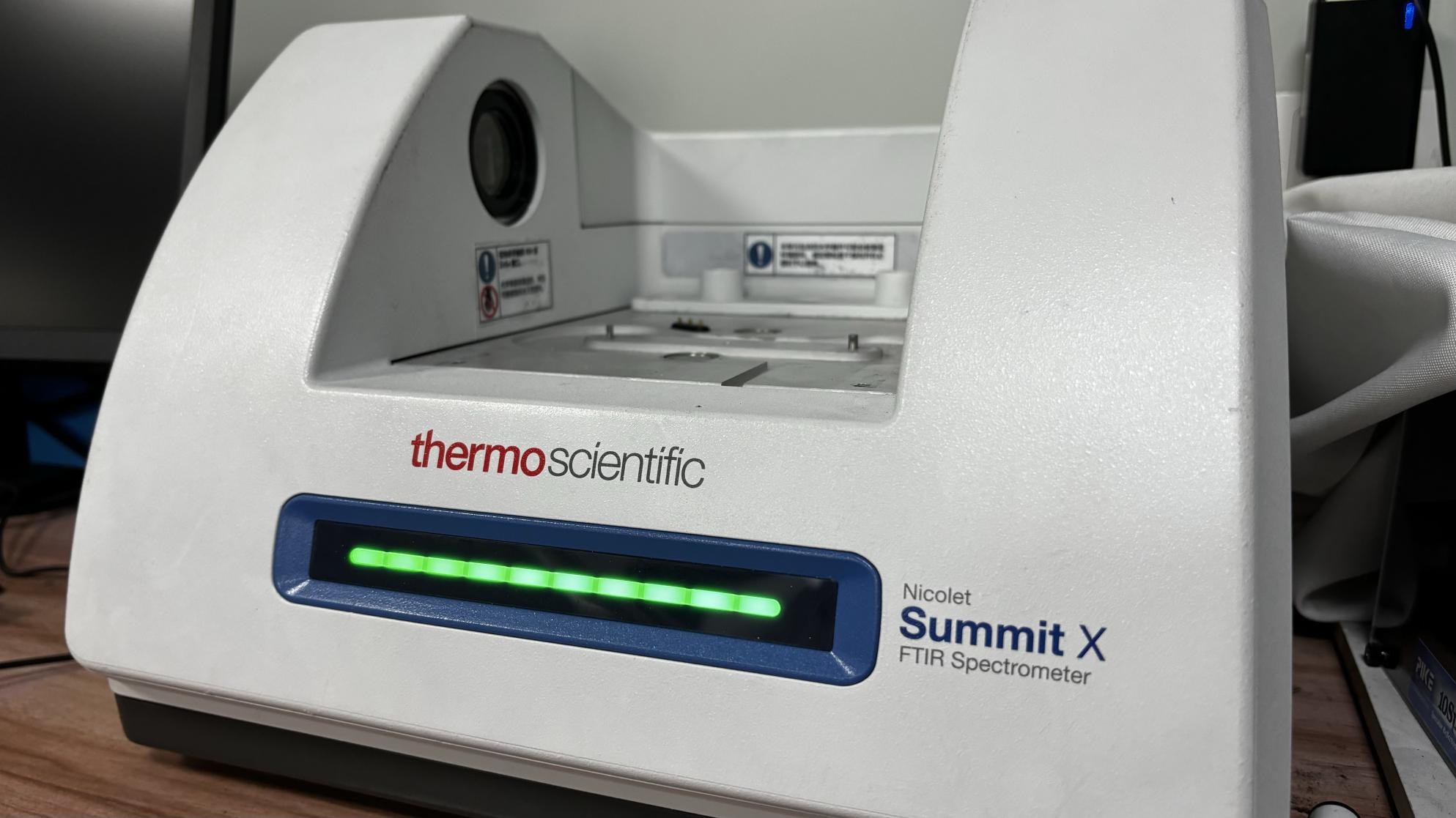
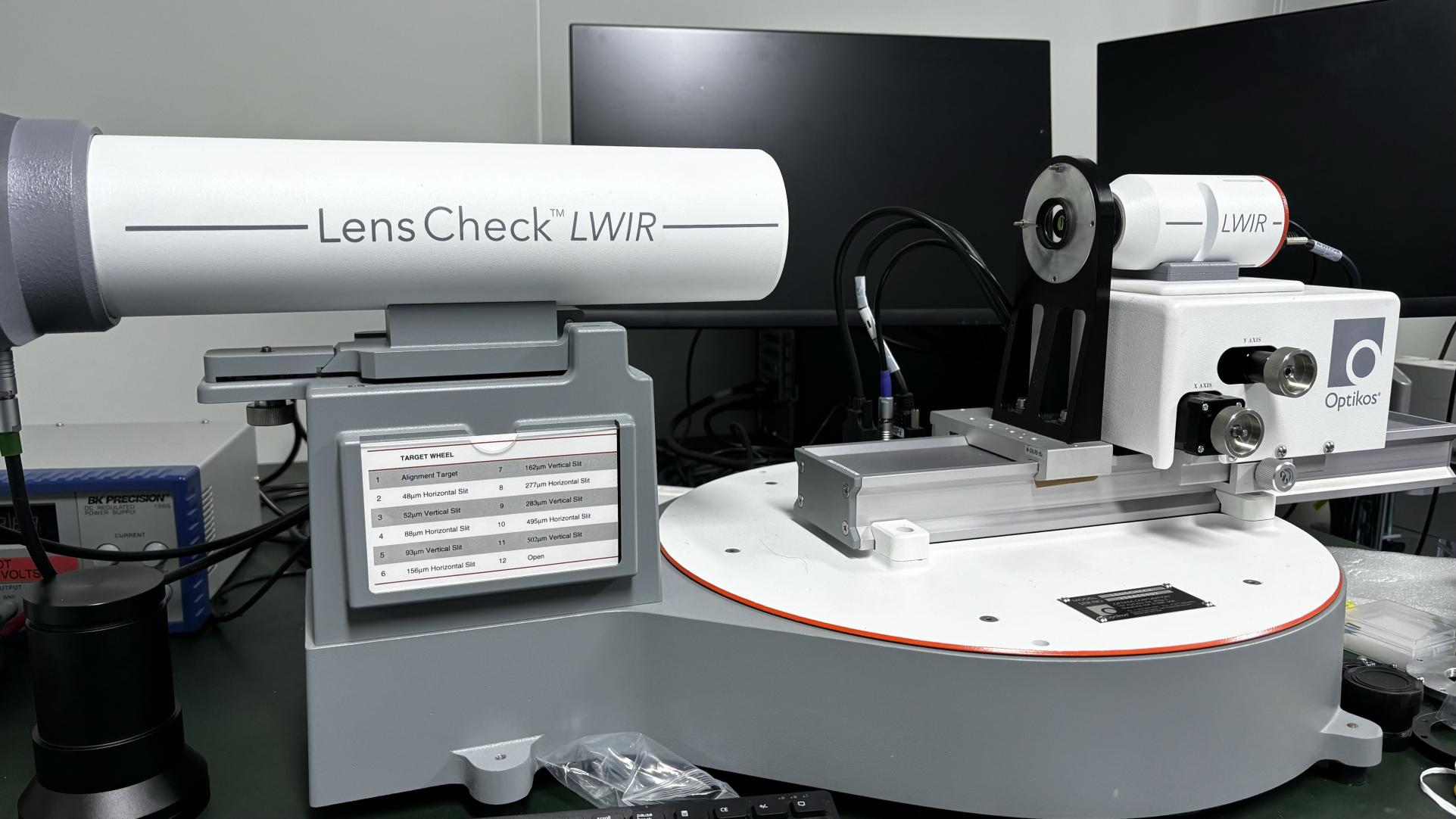
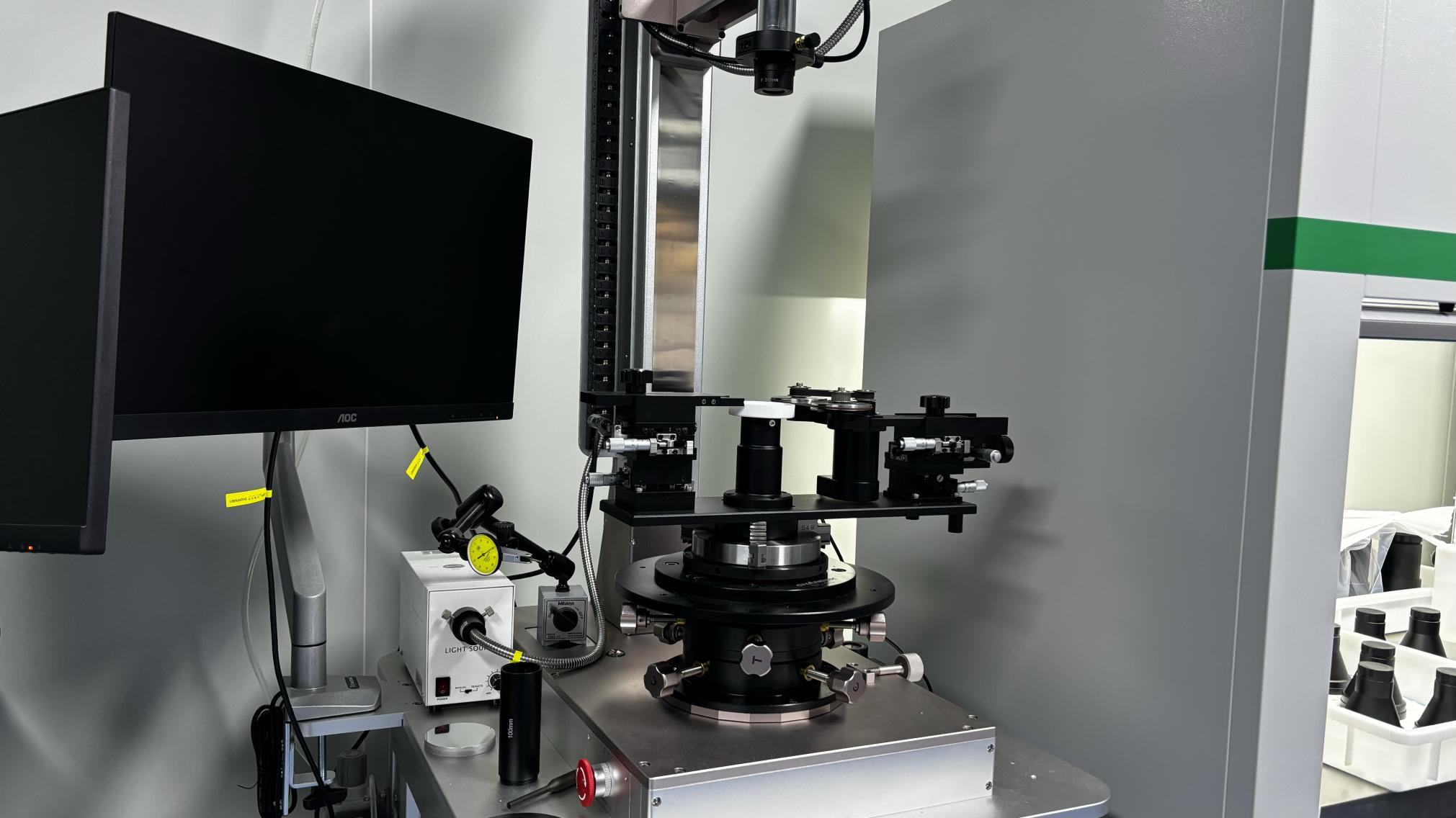
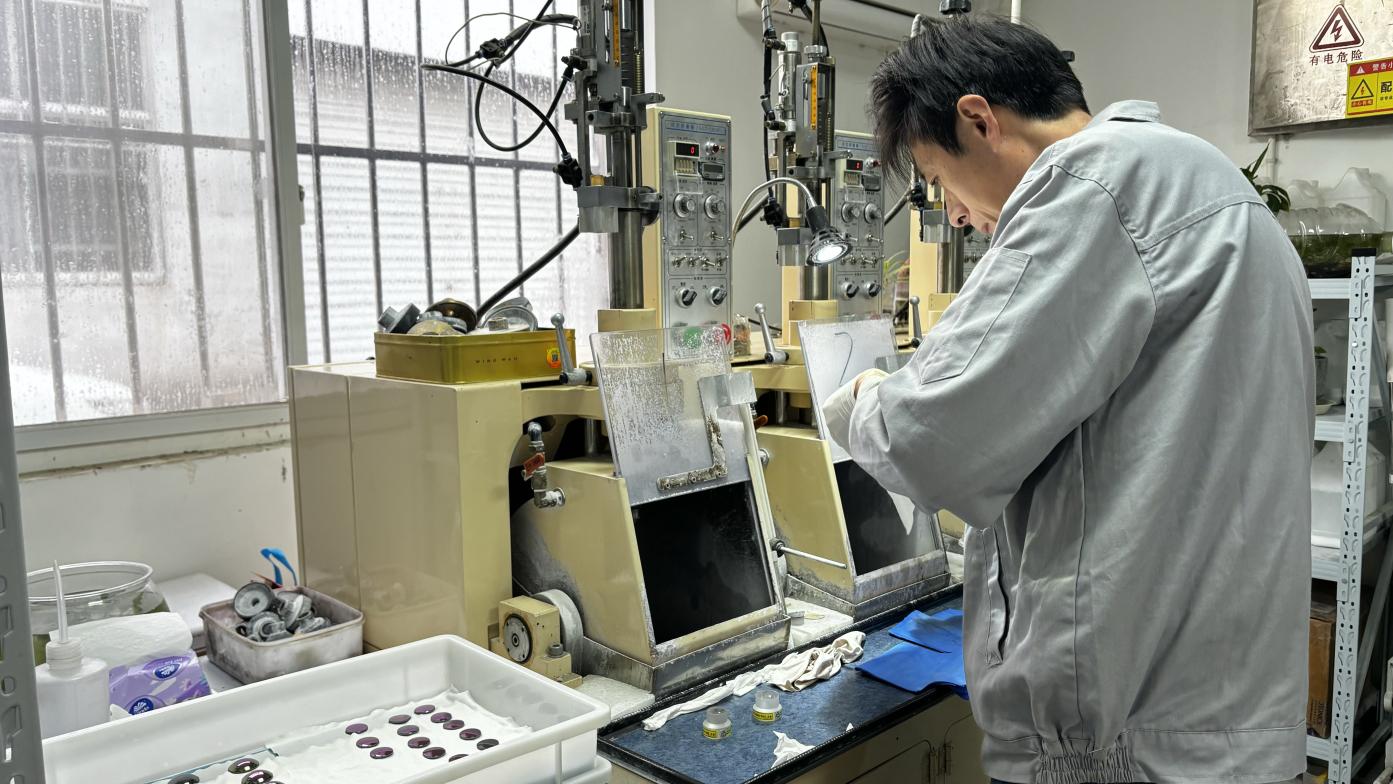
Our advanced manufacturing facility utilizes state-of-the-art precision equipment, ensuring sub-micron level tolerances and consistent quality for electronics and optical communications components.
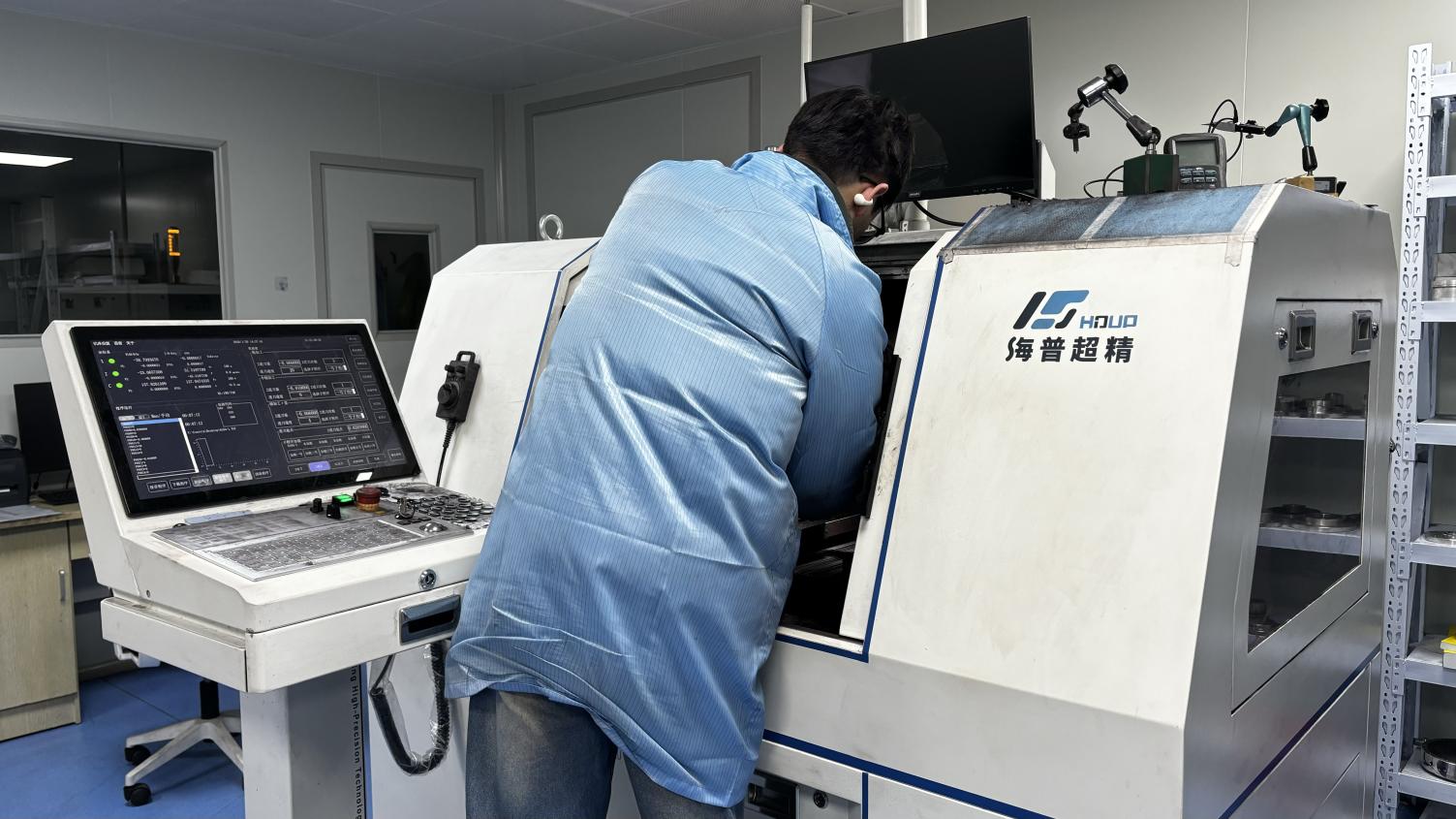
Detection Machine
Detection & Inspection
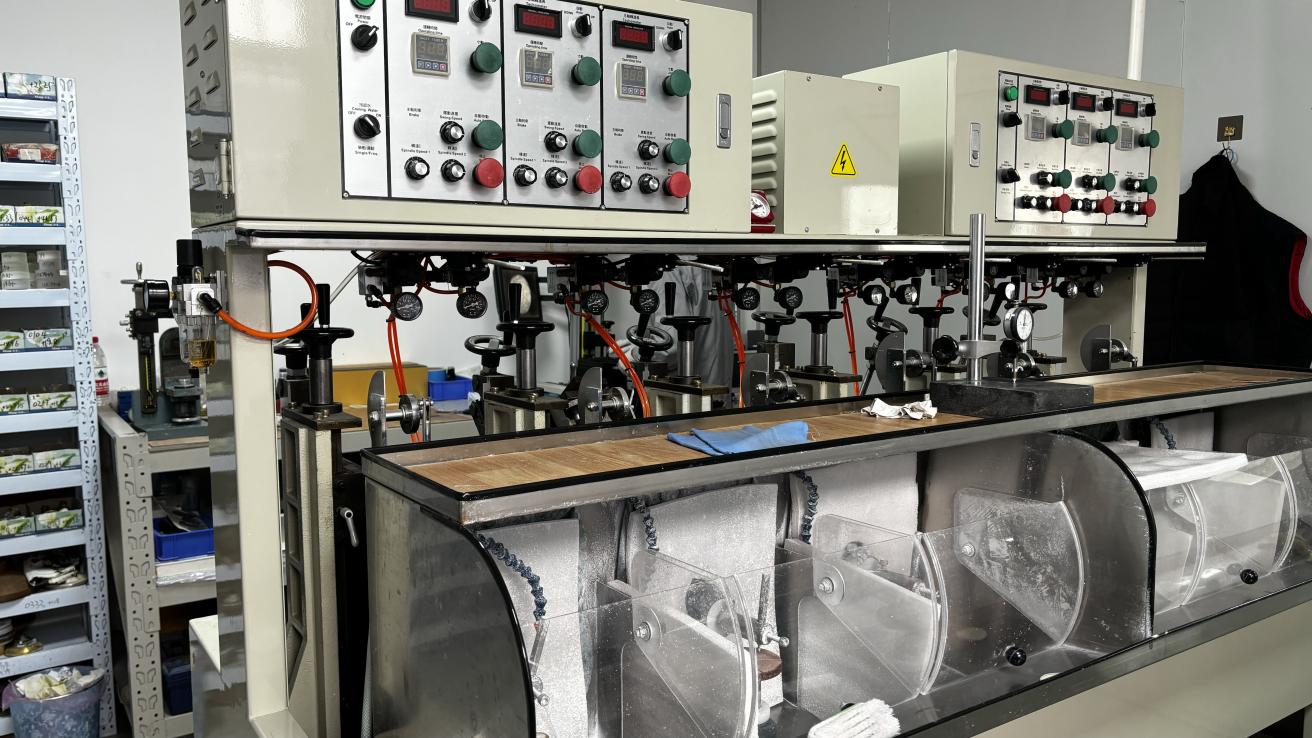
Spherical Polishing
Spherical Polishing
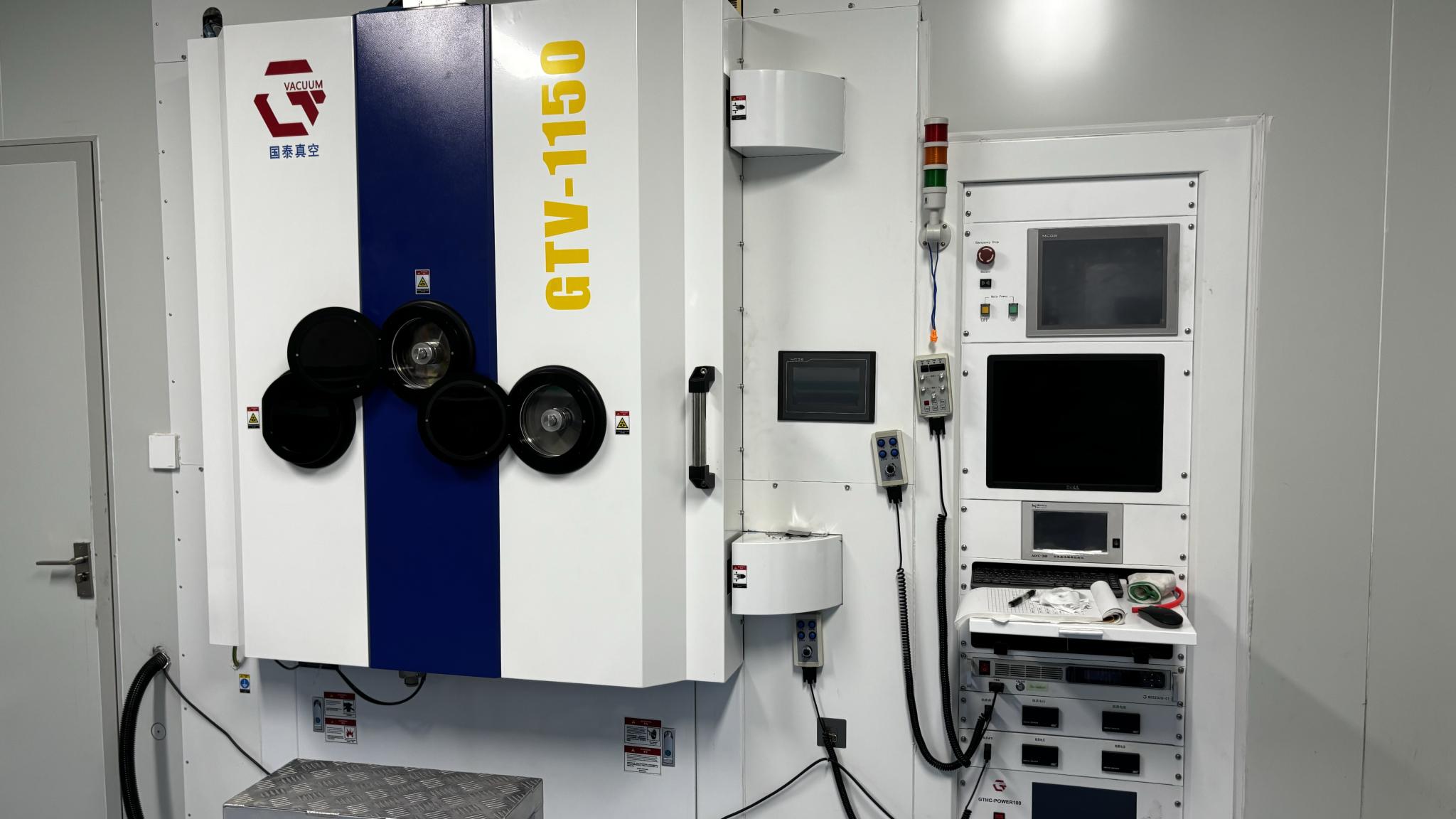
Coating Process
Coating Division
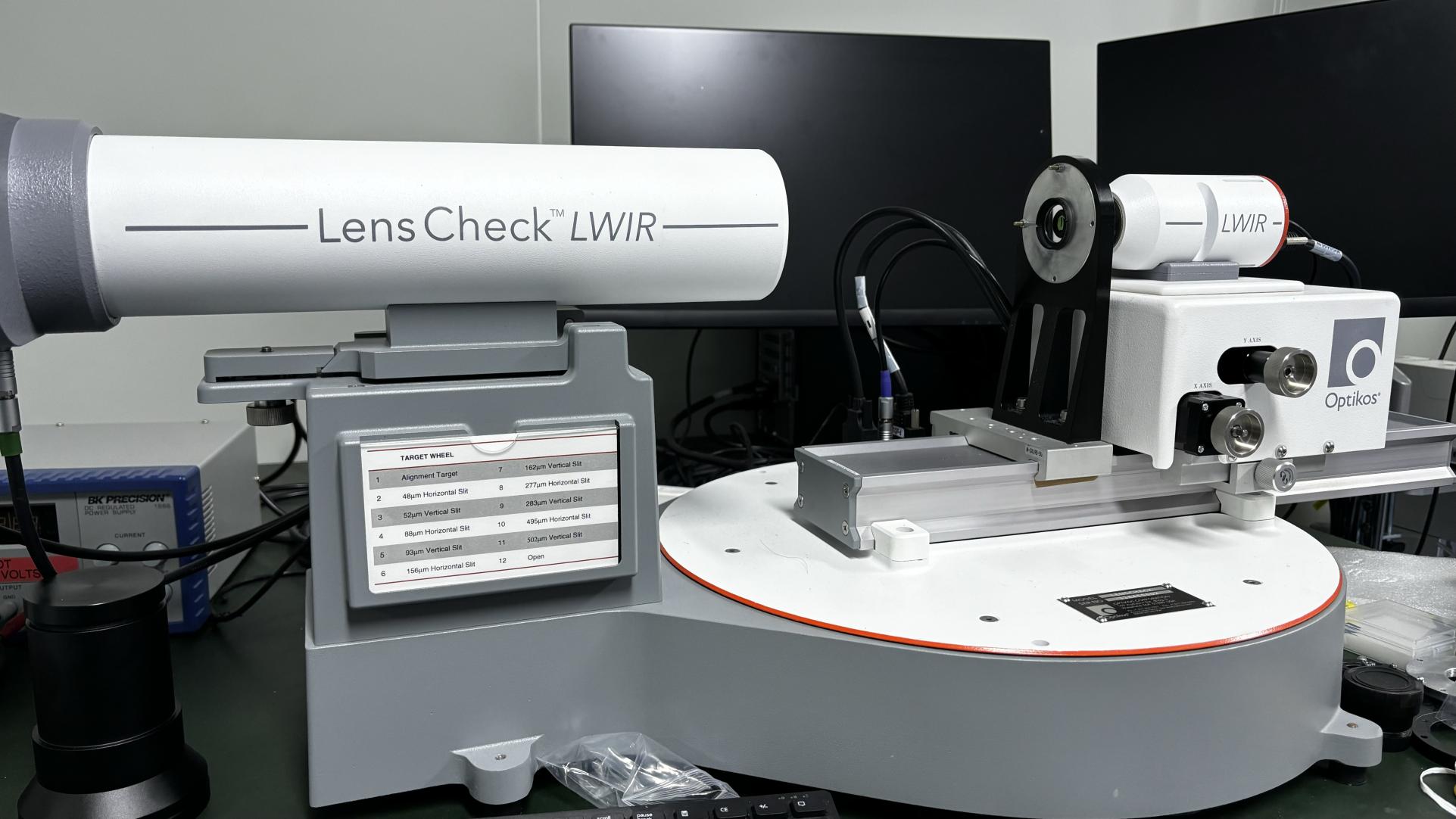
Detection Facility
Quality Verification Detection
Polishing Machine
Polishing Machine
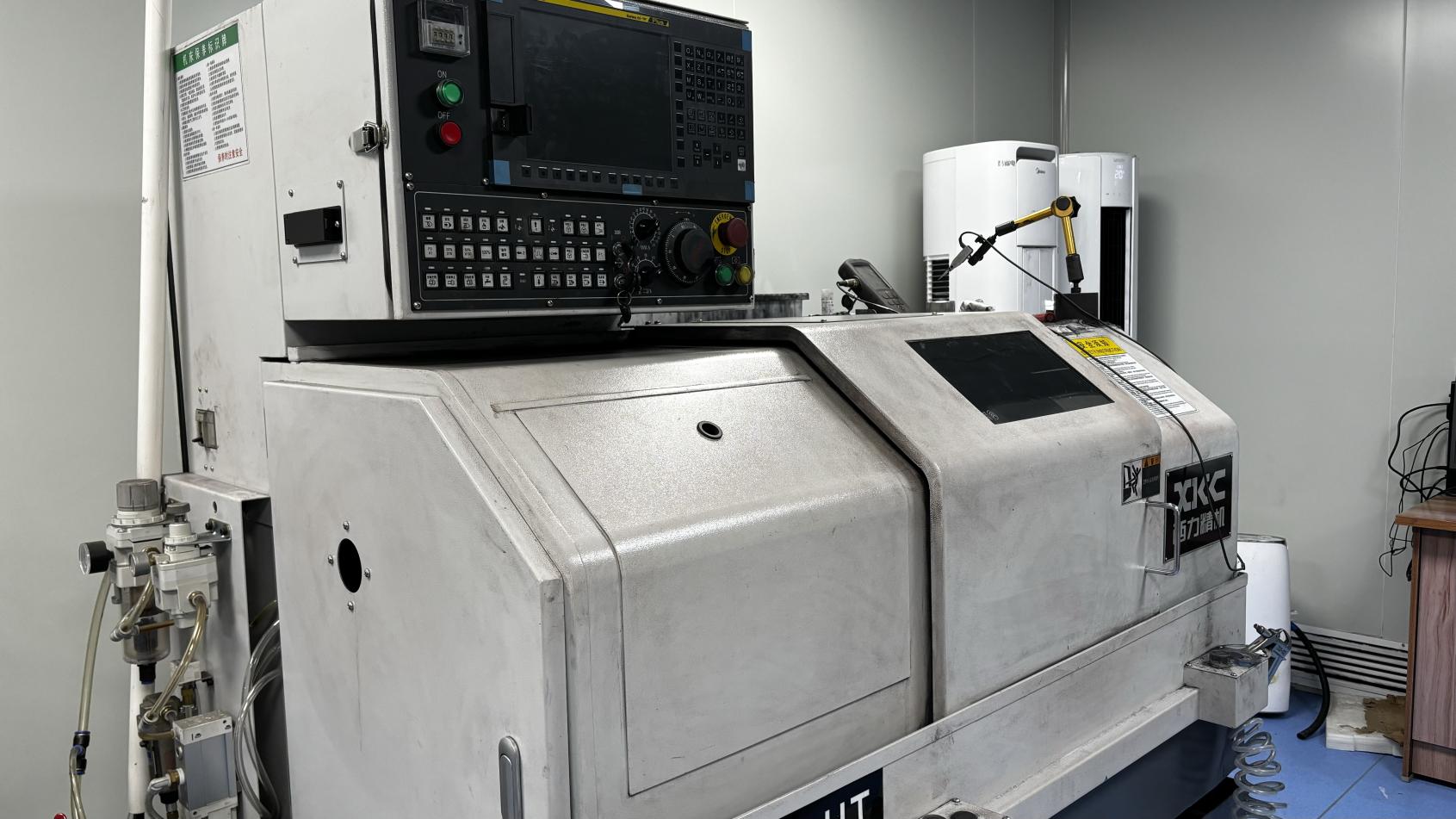
Roughing Machine
Roughing Machine
Single-Point Machine
Coating Machine 1
Coating Machine 1
Coating Machine 2
Coating Machine 2
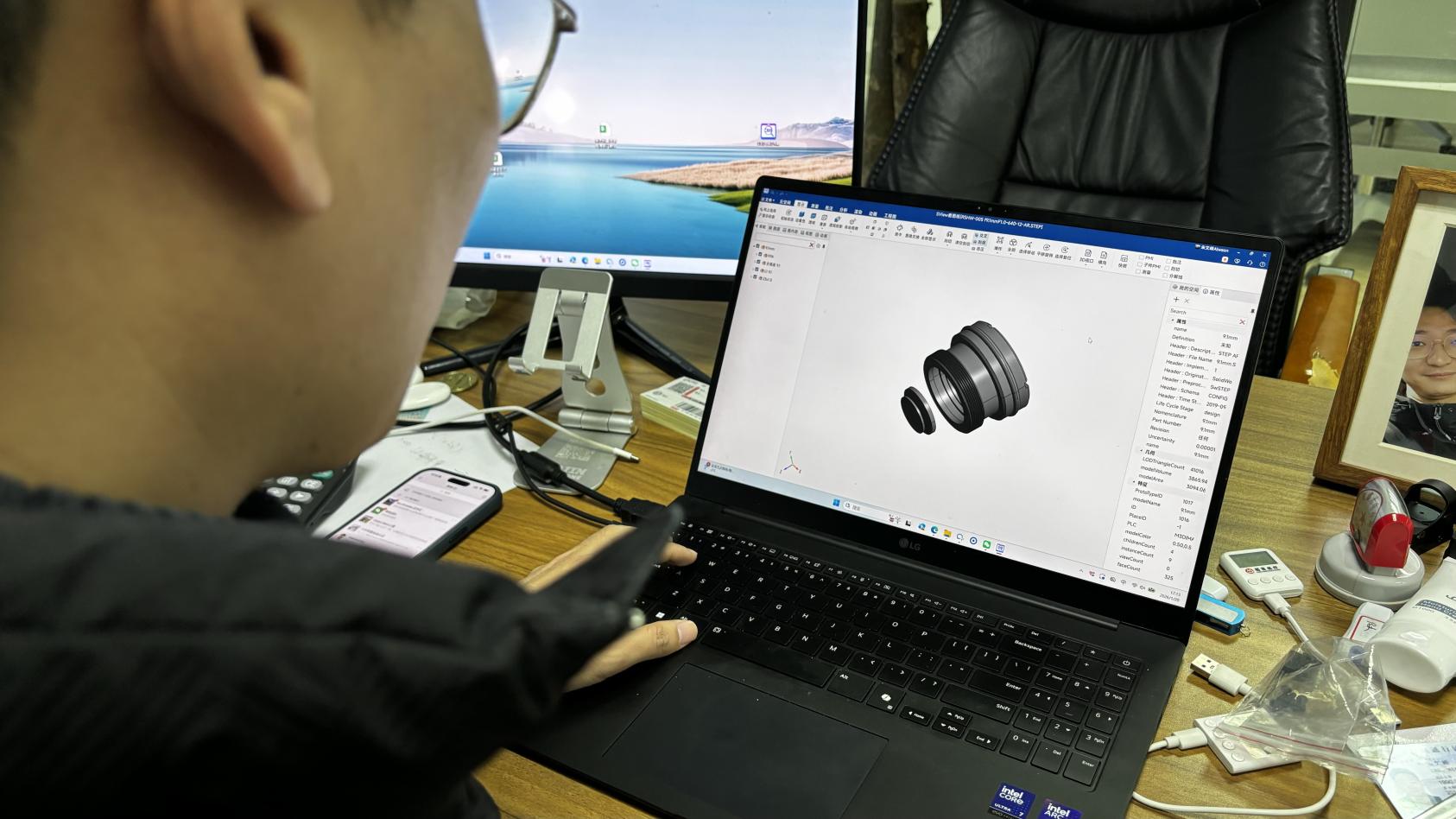
Designing Unit
Product Design Unit
Optical Inspection
Inspection Laboratory
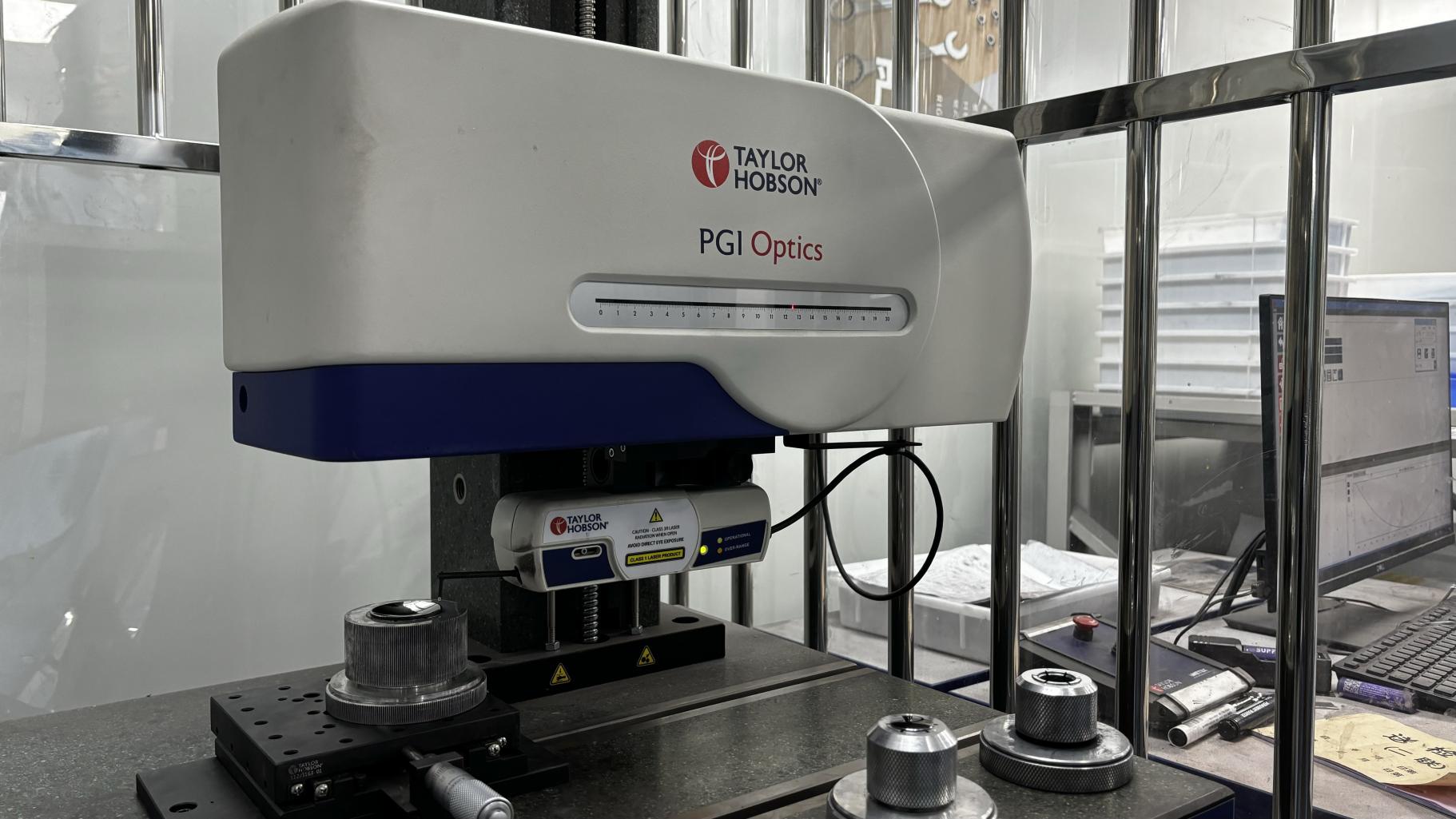
Profilometer testing
Profilometer Station
Interferometer testing
Interferometer Bench
Transreflector machine
Transreflector Station
Mtf Transmittance Meter
MTF Transmittance Meter
Center Deviation Instrument

Knowledge Base & FAQ: Demystifying Sourcing & Engineering

What are the primary differences between Constant Current (CC) and Constant Voltage (CV) LED Drivers?
Constant Current (CC) drivers vary the voltage across the electronic circuit to maintain a consistent electrical current. This is standard for powering high-intensity LEDs directly, as it prevents thermal runaway. Constant Voltage (CV) drivers supply a fixed output voltage (typically 12VDC or 24VDC) and are designed for LED arrays containing integrated current-limiting resistors or linear drivers, such as LED strip lights.
How does a PoE Lighting system benefit from high-reliability RJ45 and magnetics?
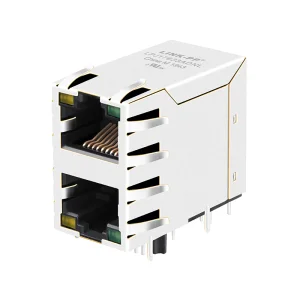
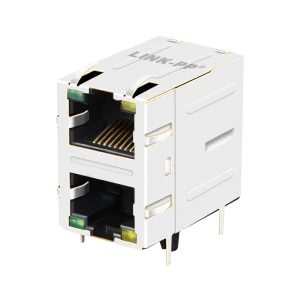
In Power-over-Ethernet (PoE) systems, Ethernet cables transmit both power and high-speed telemetry. Using high-performance components, such as the L8AL-1X1T-32A Low-Profile RJ45 connector, reduces electrical contact resistance and ensures signal integrity. High-efficiency network magnetics protect the network switch and terminal devices from common-mode noise and power surges over the cable.
What is Total Harmonic Distortion (THD), and why does it matter in commercial installations?
THD measures the distortion of the input current waveform relative to a clean sinusoidal wave. High THD leads to electrical inefficiencies, overheating in neutral conductors, and interference with sensitive nearby equipment. Premium commercial LED drivers feature Active Power Factor Correction (PFC) circuitry to keep THD below 15%, and often below 10%, complying with strict regional grid regulations.
How does FiddlLink ensure component compatibility for SFP transceivers and network modules?
FiddlLink operates an advanced compatibility lab where transceiver modules, including J8177D and MOXA-compatible components, are flashed with vendor-specific firmware and tested on original switches (e.g., HPE Aruba, Cisco, Moxa). This ensures seamless plug-and-play operation and reports accurate digital diagnostic monitoring (DOM) telemetry.
What customizations are available for OEM and ODM customers?
We provide extensive hardware and software customization, including custom PCB layouts to fit tight enclosure profiles, targeted thermal potting, multi-protocol communication programming, private labeling, packaging, and custom-tuned firmware parameters (such as customized start-up times or specific current profiles).