FiddlLink
FiddlLink
FiddlLink
Egypt is undergoing a profound industrial metamorphosis. Under Egypt Vision 2030, the nation is prioritizing the localization of electronics manufacturing and the expansion of its digital economy. As a leading RJ45 without magnetics manufacturer, we recognize that Egyptian engineers in the Suez Canal Economic Zone and the New Administrative Capital require modular components that offer both design flexibility and cost-optimization.
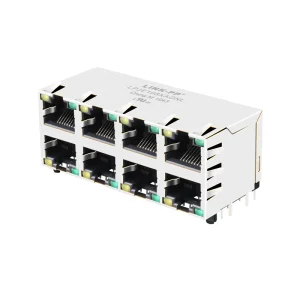
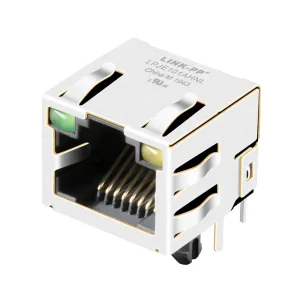
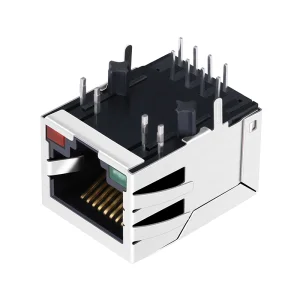
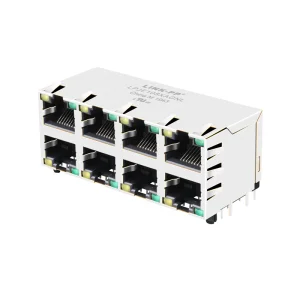
The shift toward "Without Magnetics" (non-integrated) RJ45 jacks is particularly prevalent in Egypt's burgeoning IoT and smart metering sectors. By moving the magnetic isolation to a discrete circuit on the PCB, local manufacturers can optimize board space and tailor electromagnetic interference (EMI) profiles to meet specific Egyptian telecommunications regulatory standards.
USD 1.6 Billion investment in digital infrastructure across 27 governorates.
Incentives for "Made in Egypt" electronics, driving demand for high-quality PCB components.
Egypt hosts 17+ submarine cables, making it a critical node for EMEA data centers.
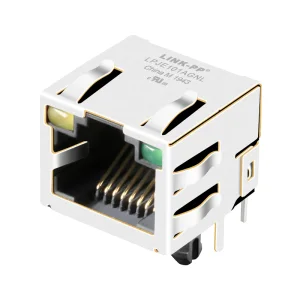
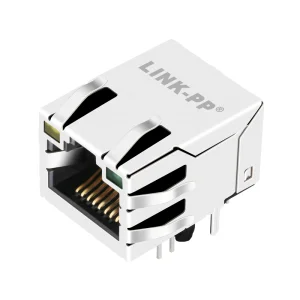
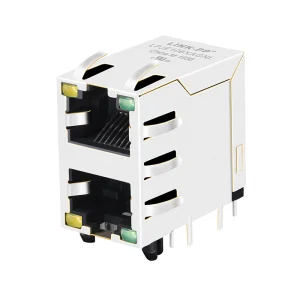
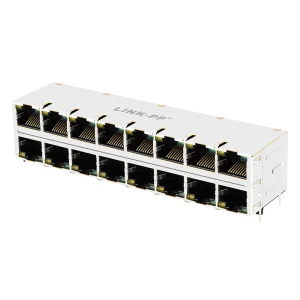
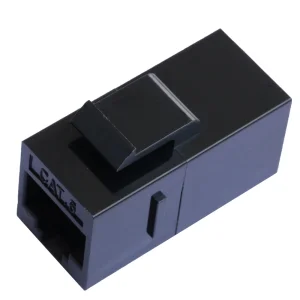
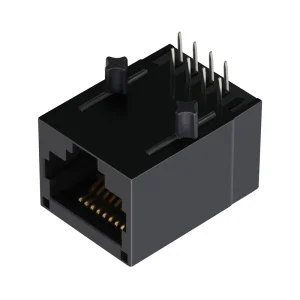
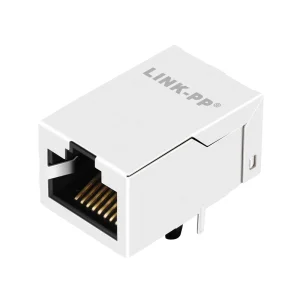
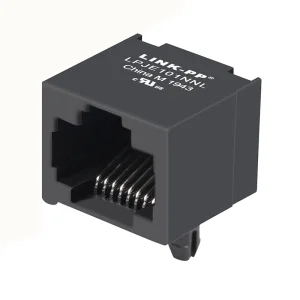
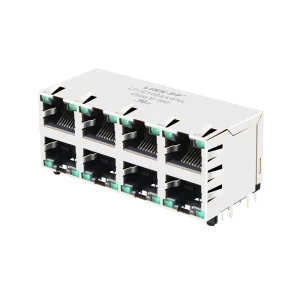
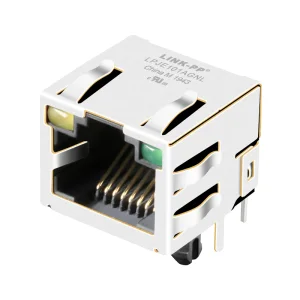
The RJ45 connector remains the backbone of Ethernet connectivity. However, the decision to use RJ45 connectors without integrated magnetics (non-MagJack) is a strategic engineering choice. Unlike integrated connectors that house the transformer and common-mode chokes inside the plastic housing, "without magnetics" versions allow the use of discrete magnetics placed elsewhere on the motherboard.
Design Flexibility: In complex industrial controllers used in Egyptian textile factories or oil refineries, PCB real estate is precious. Using a non-integrated RJ45 allows engineers to utilize ultra-low-profile discrete transformers or multi-channel magnetic modules, reducing the overall height of the connector assembly.
EMI/EMC Optimization: For Egyptian electronics designers, meeting local EMI standards is crucial. Discrete magnetics offer better control over parasitic capacitance and crosstalk, allowing for more robust shielding in high-noise environments like Cairo’s heavy industrial zones.
Thermal Management: Integrated magnetics can trap heat within the connector. In the high-ambient temperatures typical of Egyptian summers, discrete components allow for better airflow and heat dissipation, ensuring 24/7 reliability for outdoor networking equipment.
FiddlLink Optical Technology Co., Ltd. is a professional manufacturer and supplier of high-performance optical transceivers and fiber optic communication solutions. Established in 2016, the company specializes in the research, development, production, and global distribution of optical networking products for data centers, telecommunications networks, enterprise infrastructure, and cloud computing applications.
Our modern manufacturing facility covers an area of 380 square meters and is equipped with advanced production and testing equipment to ensure consistent product quality and reliable performance. With over 12 years of industry experience and 8 years of export experience, FiddlLink has built a strong reputation among customers worldwide—including major players in the Egyptian telecommunications sector—for delivering innovative, cost-effective, and dependable optical communication products.
126 experienced engineers and technical specialists. In the past year alone, we launched 186 new products to meet evolving market demands.
42 professional quality control personnel monitoring every stage from incoming material inspection to environmental reliability testing.

Automated Detection
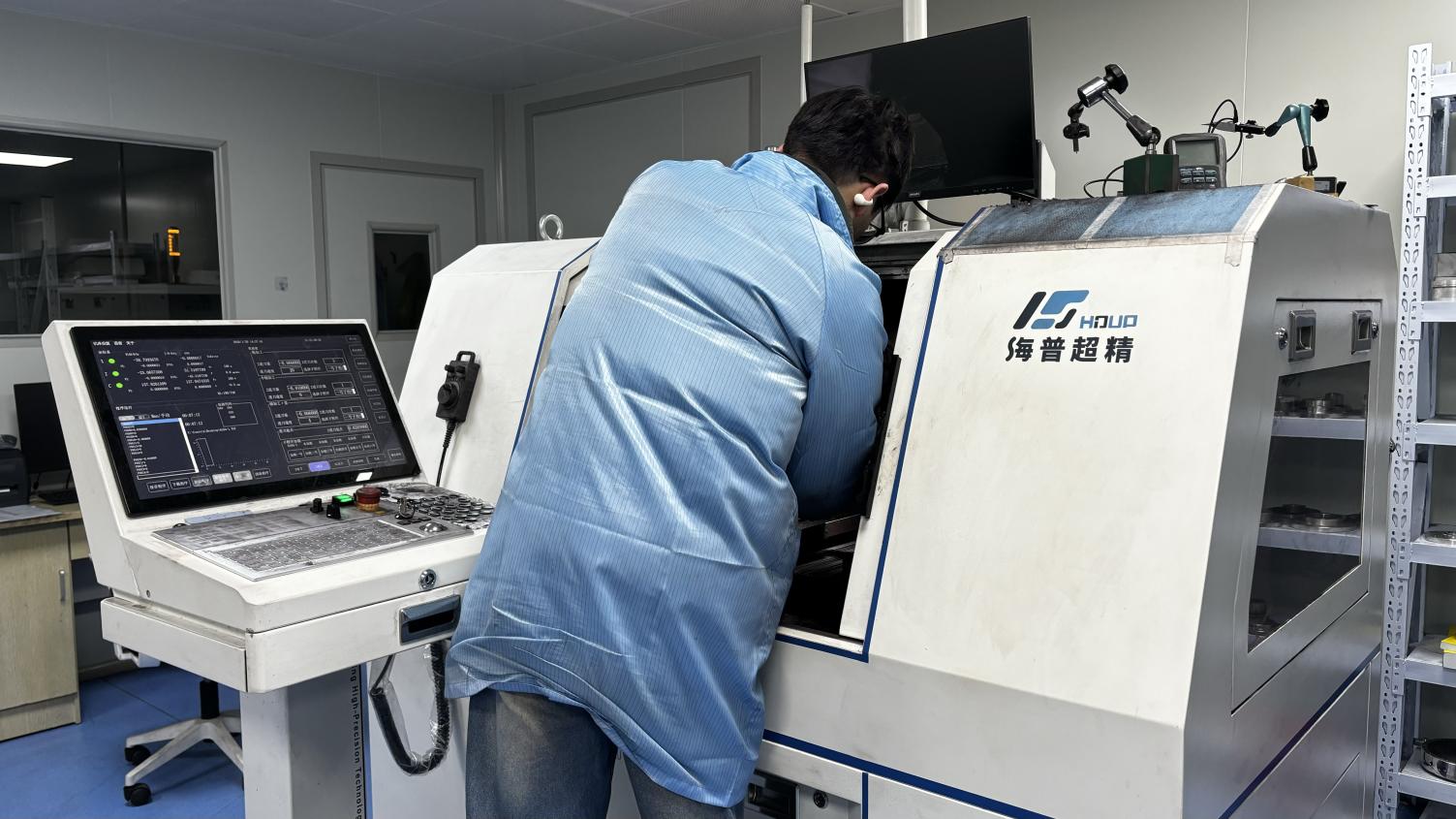
Spherical Polishing

Precision Coating
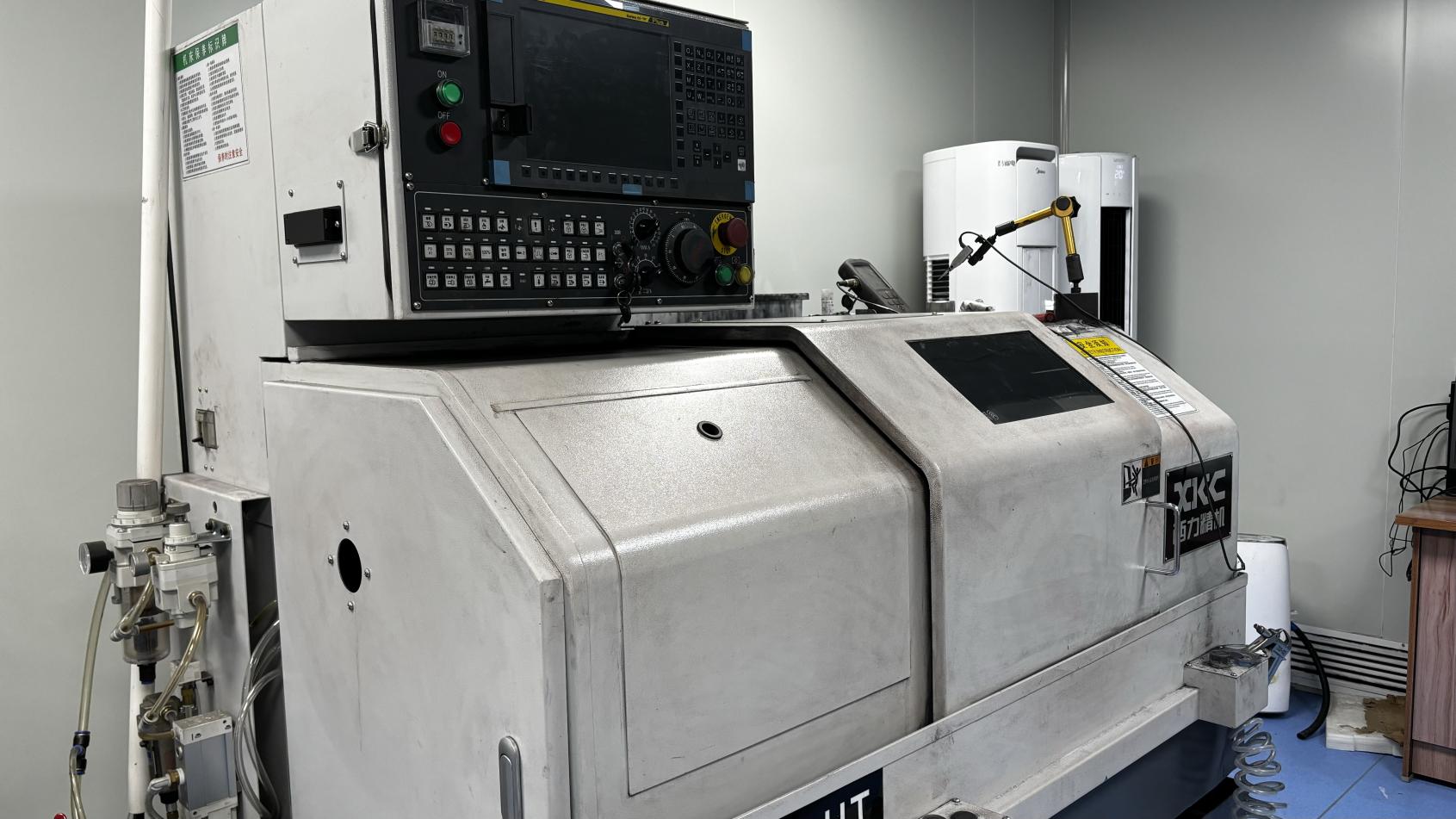
Roughing Machine
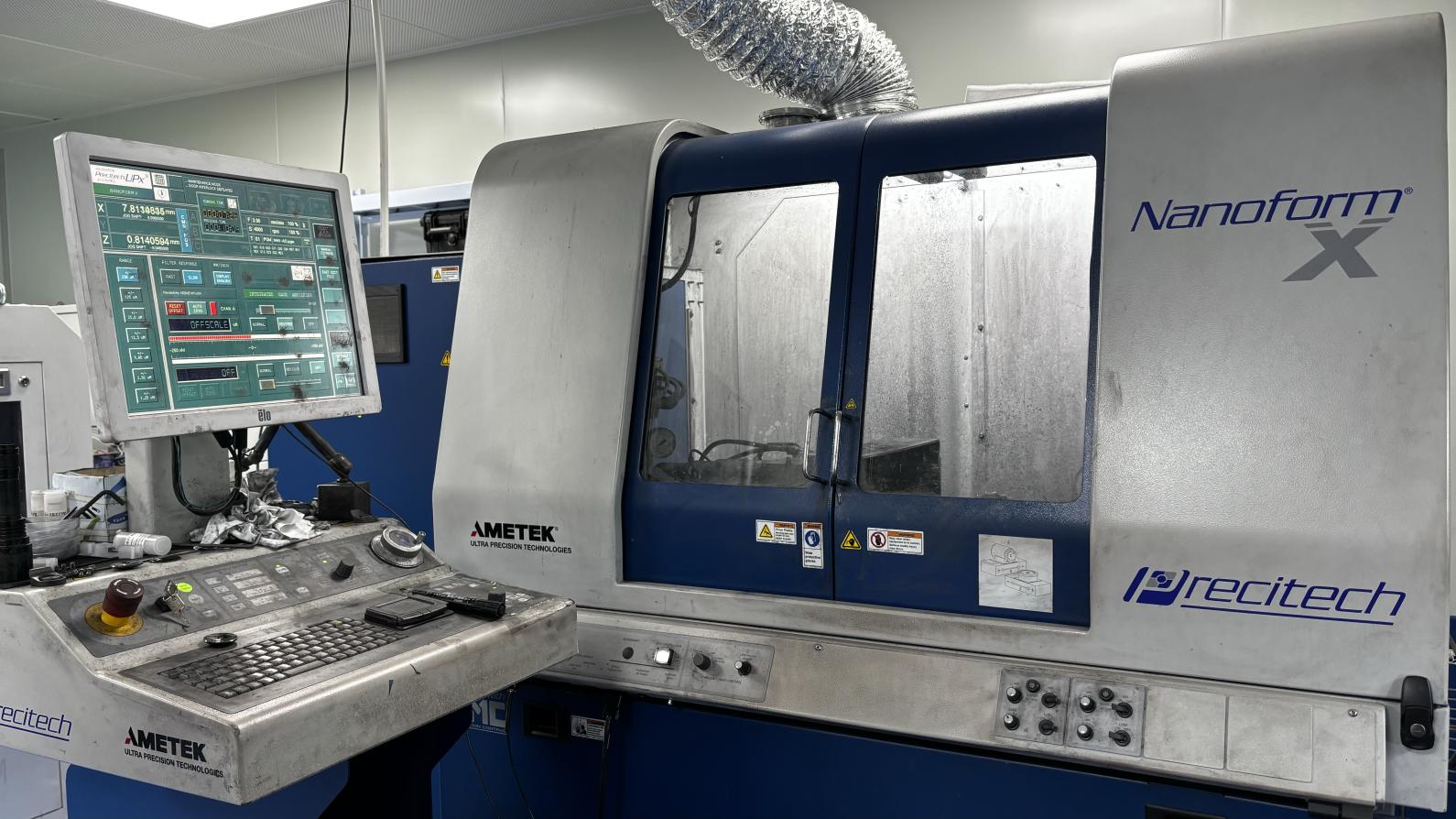
Single-Point Machine

Interferometer Testing

Transreflector Analysis

Center Deviation Instrument
FiddlLink generates an annual export revenue of approximately USD 18 million. Our extensive supply chain includes more than 850 strategic partners, ensuring that our Egyptian clients receive their RJ45 components without the bottlenecks commonly found in local sourcing.
We offer flexible OEM and ODM services, including customized hardware design, label printing in Arabic/English, and compliance with the National Telecommunications Regulatory Authority (NTRA) requirements for components used in imported networking hardware.