FiddlLink
FiddlLink
FiddlLink
Reliable 100G Base-T and MMF/SMF Transceiver modules optimized for high-density configurations.
The Seoul Metropolitan Area stands as one of the world's most dense and sophisticated digital hubs. Hosting global tech giants, multinational finance hubs, and massive Internet Data Centers (IDCs) in Gasan Digital Complex, Mokdong, Sangam, and nearby Pangyo Techno Valley, the demand for bandwidth is experiencing exponential growth. Driven by high-performance AI computation, 5G-Advanced networks, and large-scale cloud services, operators are shifting from standard gigabit pathways to robust 100G, 200G, and 400G optical architectures.
Local cloud players such as Kakao Enterprise, Naver Cloud, and KT DX (Digital Transformation) Centers require high-reliability optical links that offer minimal packet loss, extremely low latency, and zero compatibility friction. FiddlLink's transceiver portfolio is specifically engineered to satisfy the rigorous thermal parameters and power dissipation thresholds dictated by modern green datacenter initiatives in South Korea.
Trusted global exporter delivering cutting-edge optical transceivers with uncompromising reliability.
FiddlLink Optical Technology Co., Ltd. is a professional manufacturer and supplier of high-performance optical transceivers and fiber optic communication solutions. Operating from a highly specialized manufacturing environment equipped with state-of-the-art tooling, we focus on researching, developing, and manufacturing optical components that support telecom operators, systemic integrators, and hyper-scale cloud data centers globally.
Our dedicated R&D organization consists of 126 experienced engineers and optical technical specialists. Under our rigorous quality culture, supervised by 42 professional Quality Control (QC) personnel, every production batch goes through multiple optical, digital signal, and environmental reliability tests. In the past year alone, we introduced 186 new products, confirming our status as a frontrunner in high-speed optical innovations.
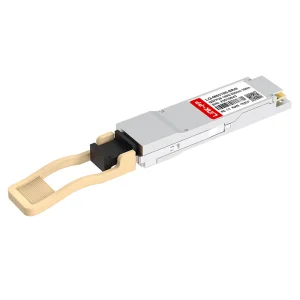
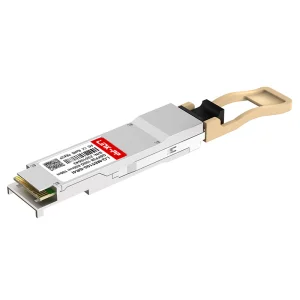
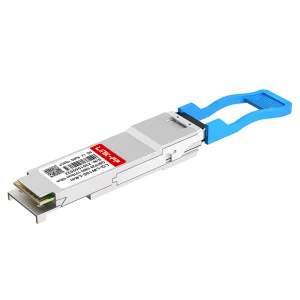
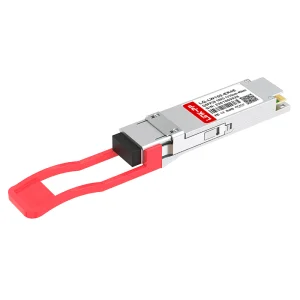
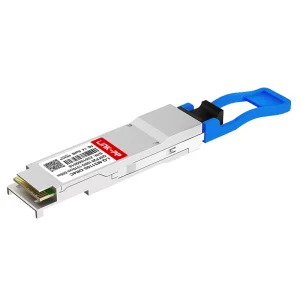
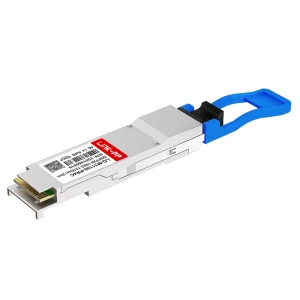
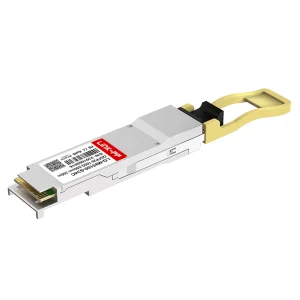
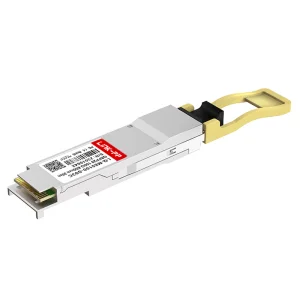
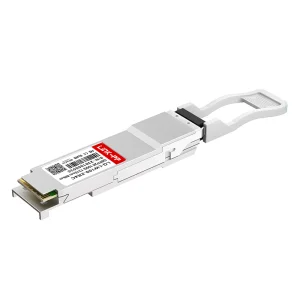
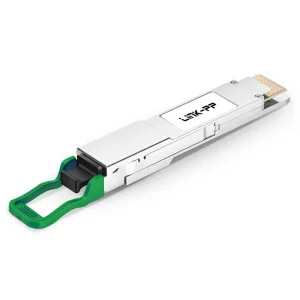
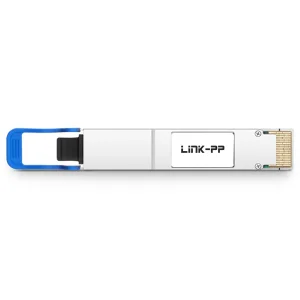
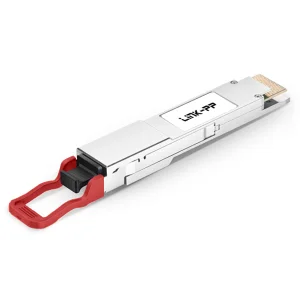
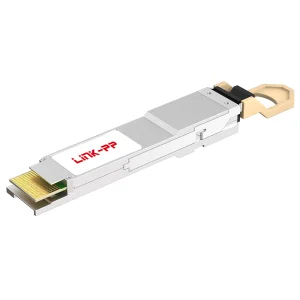
Specialized 100G QSFP28 transceivers designed for high-density local area distribution and metro networks.
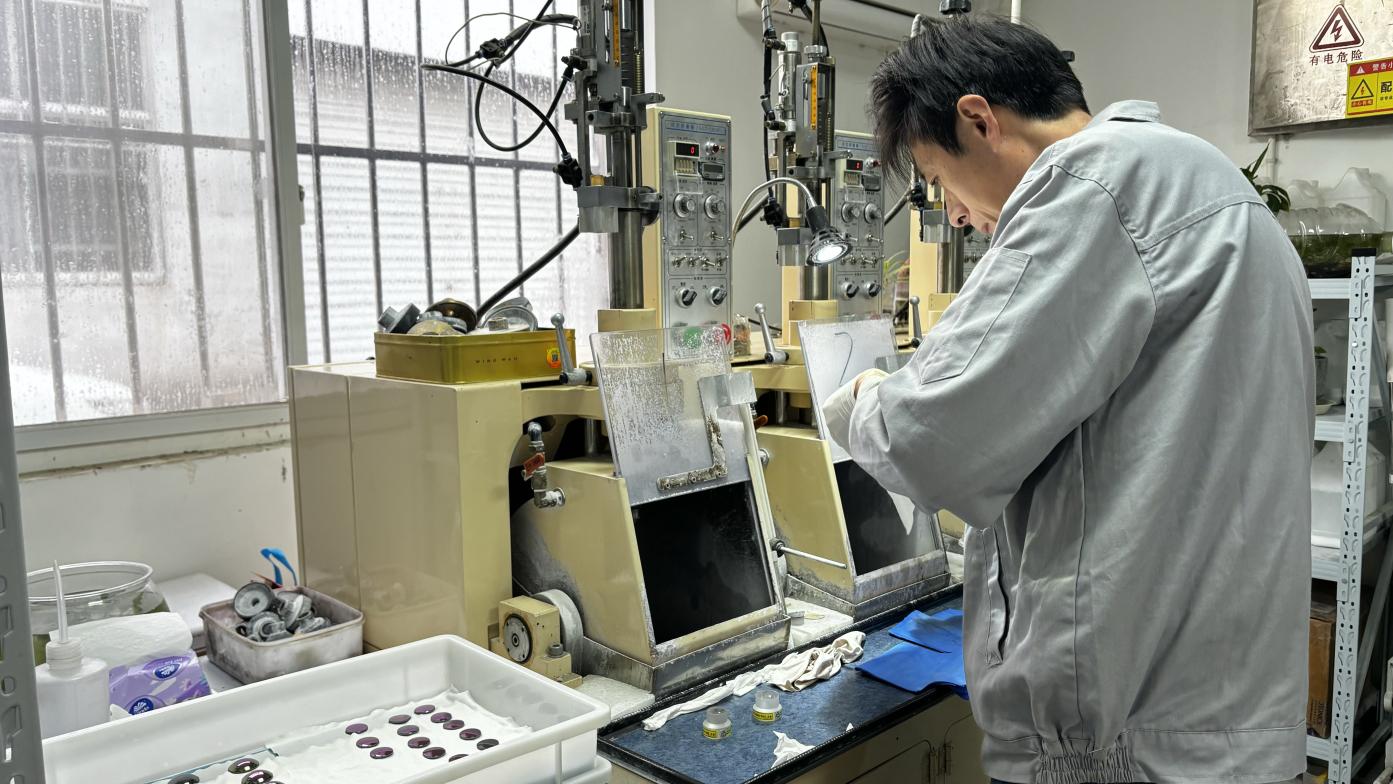
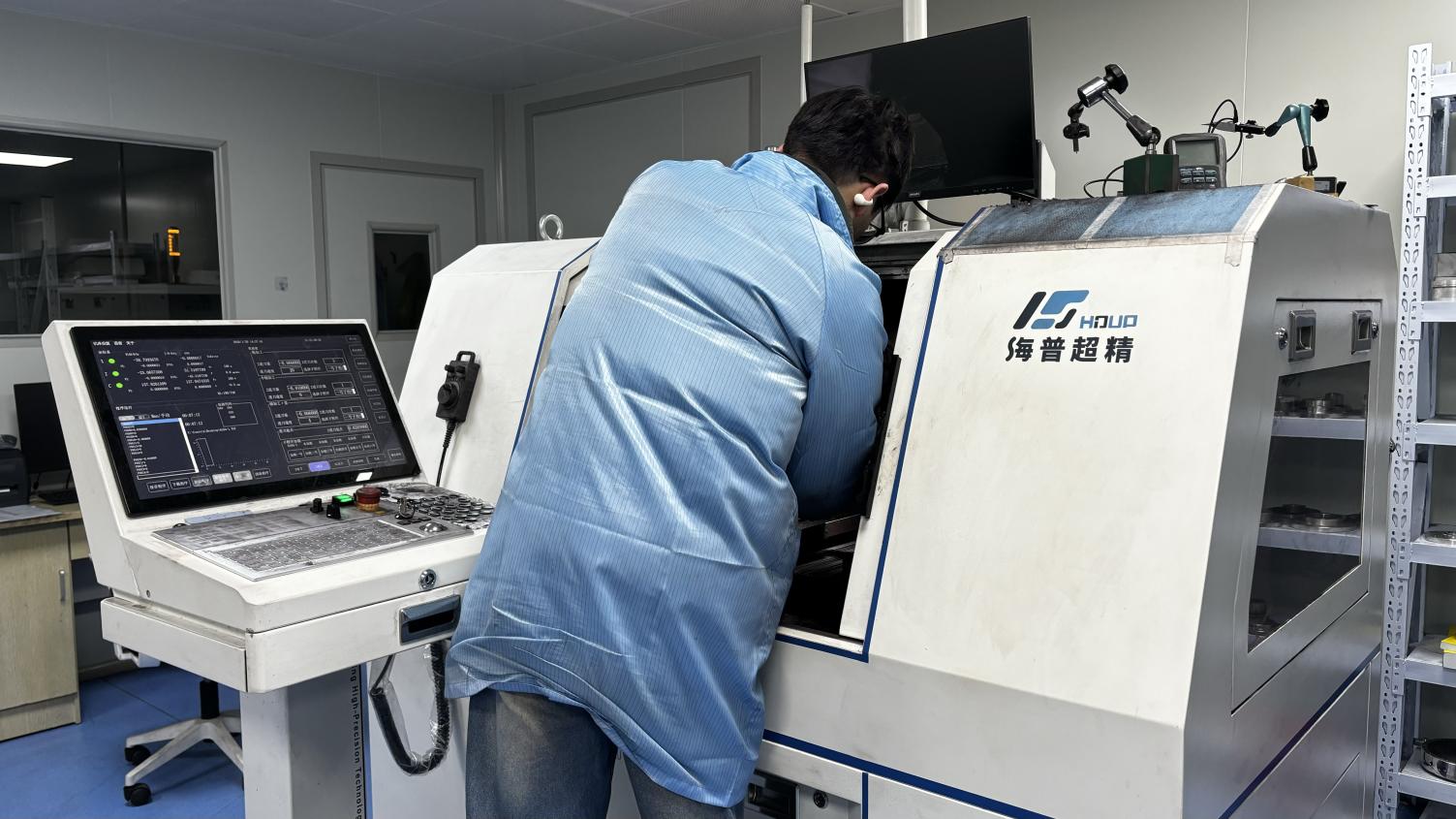
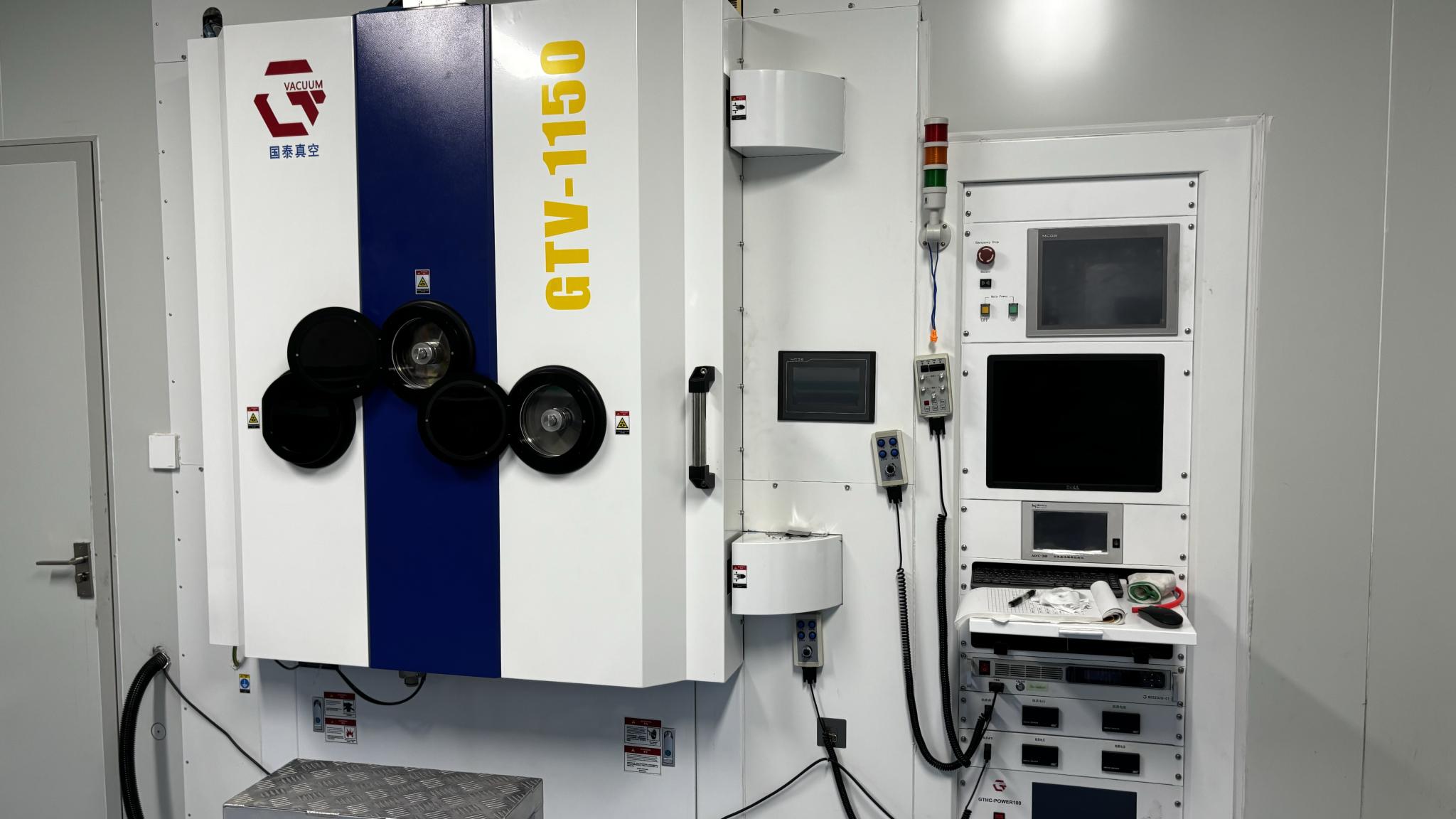
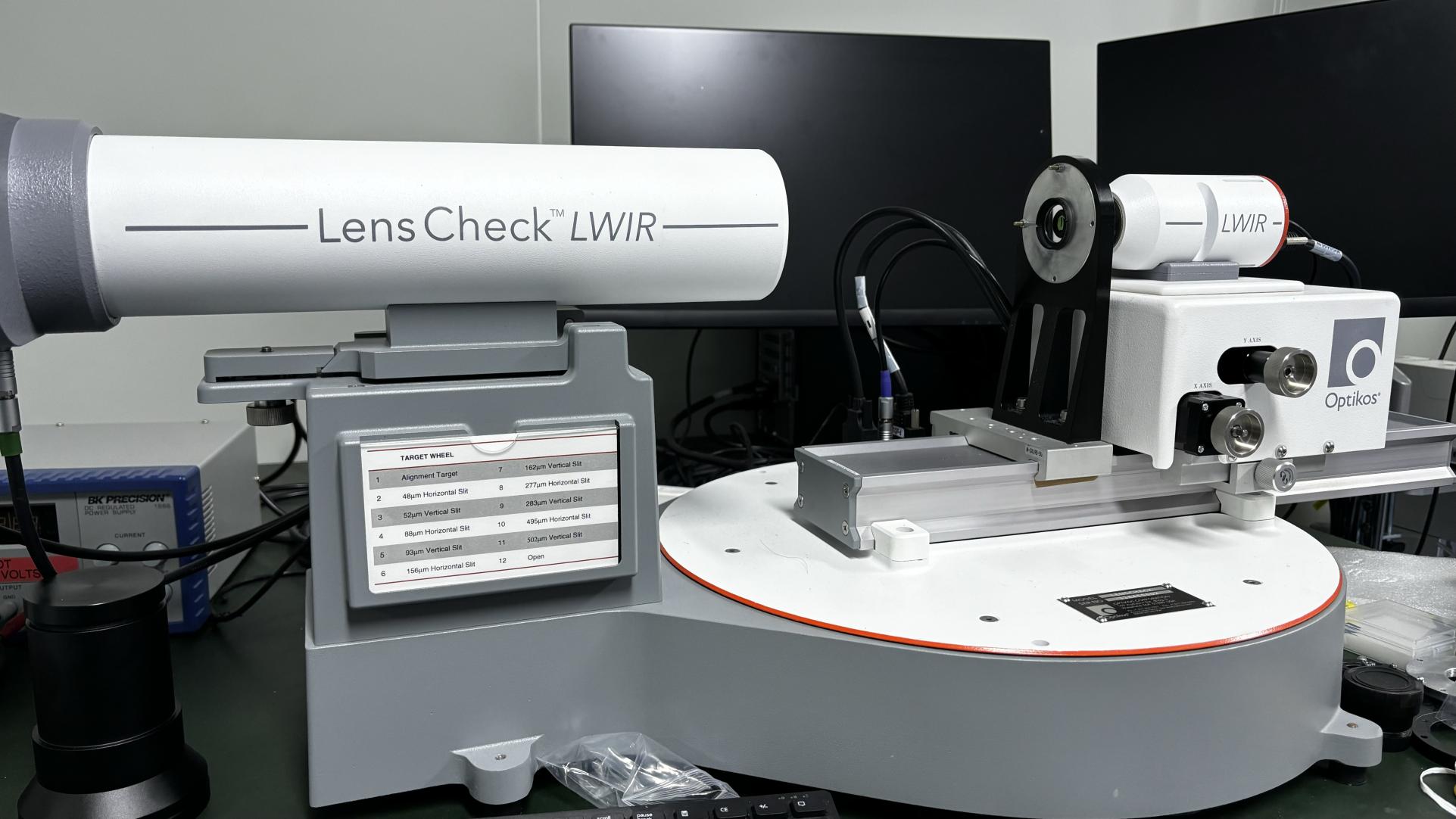
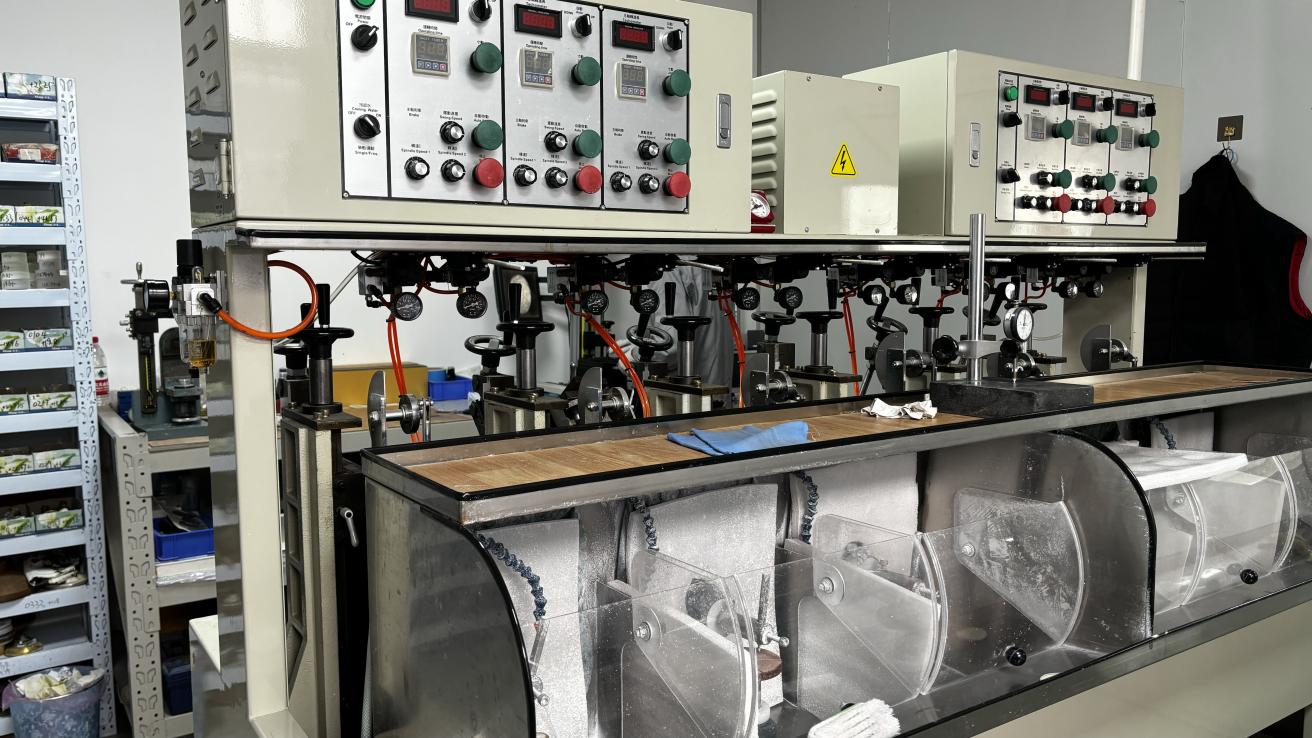
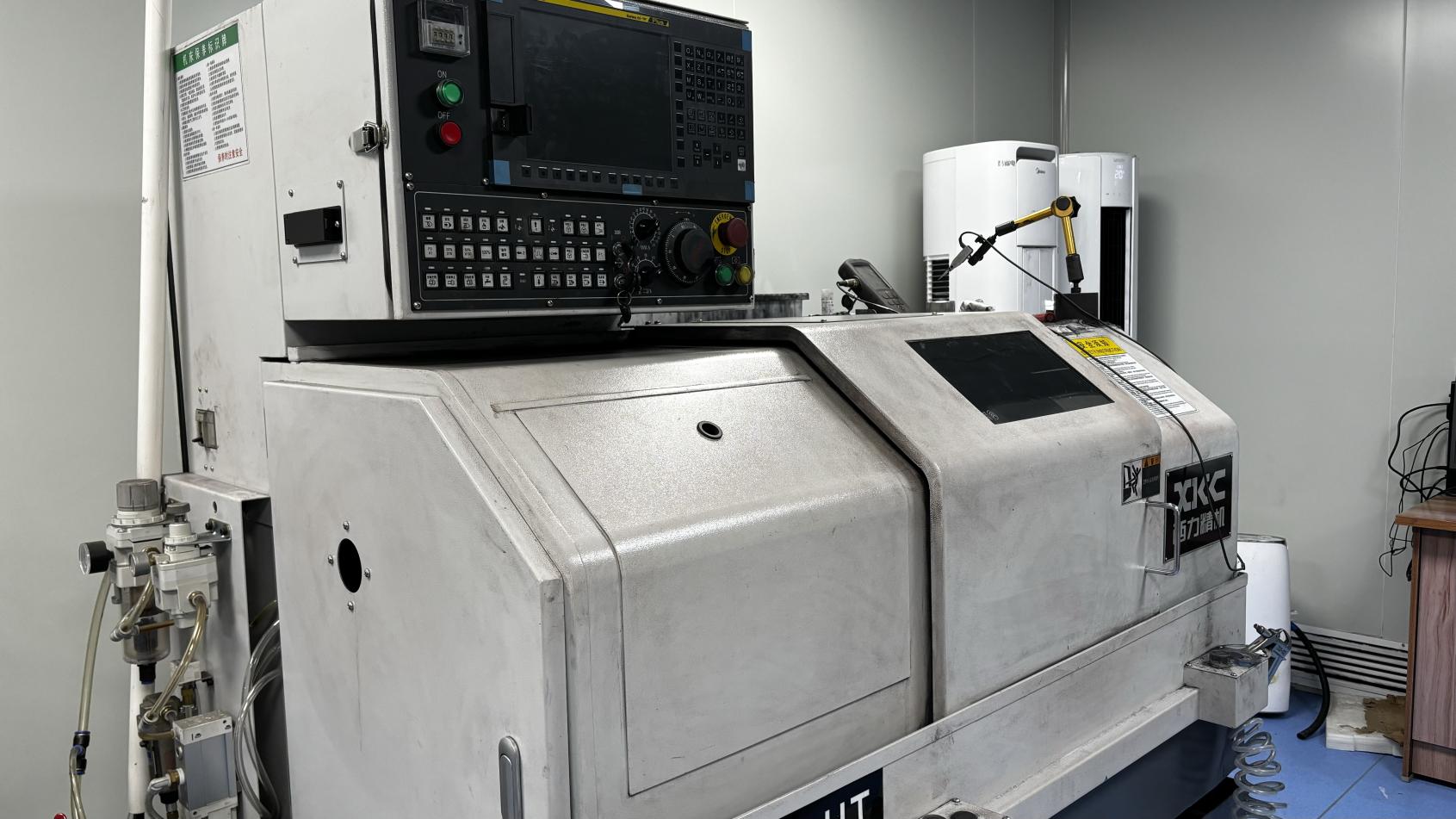
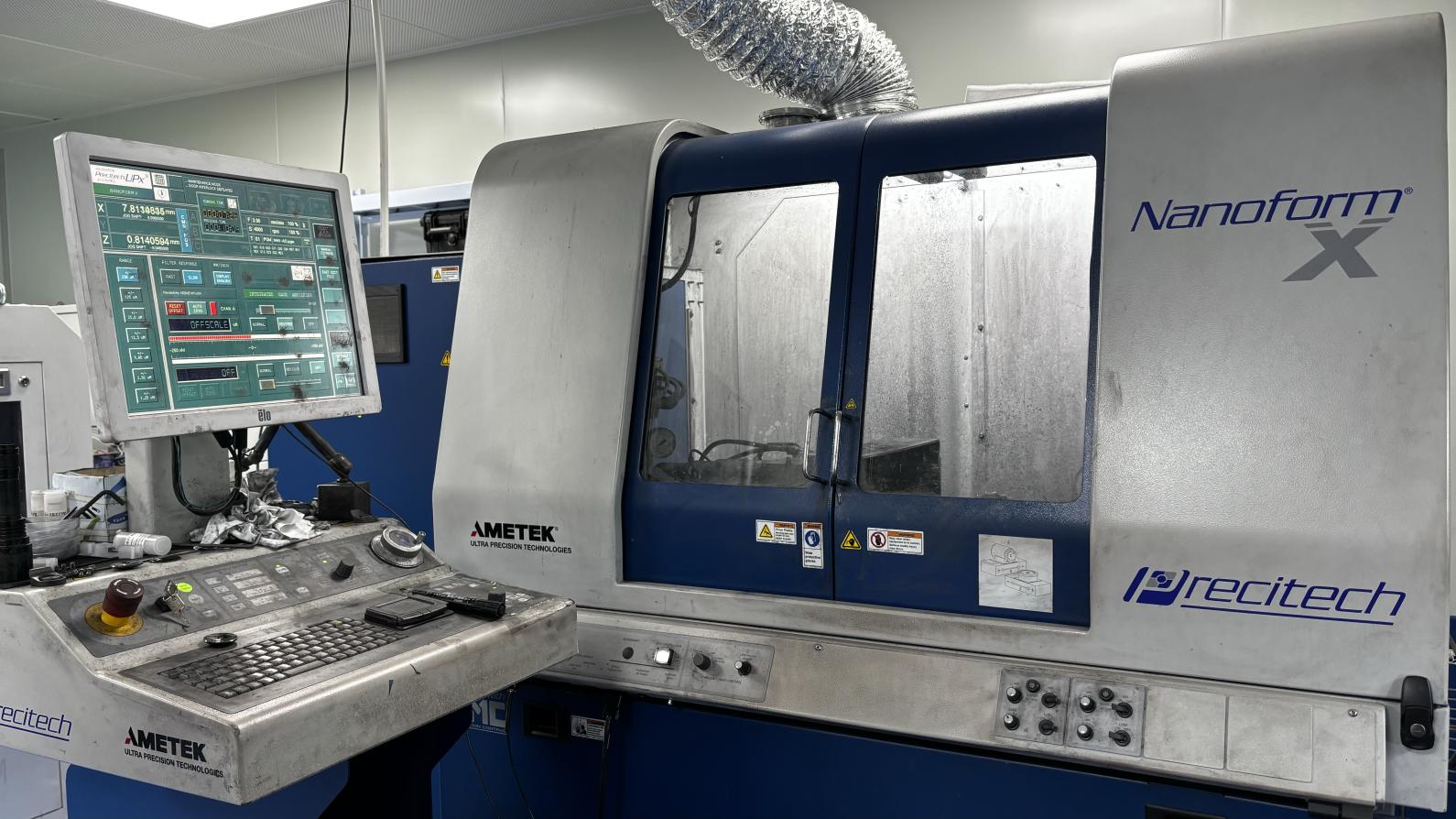
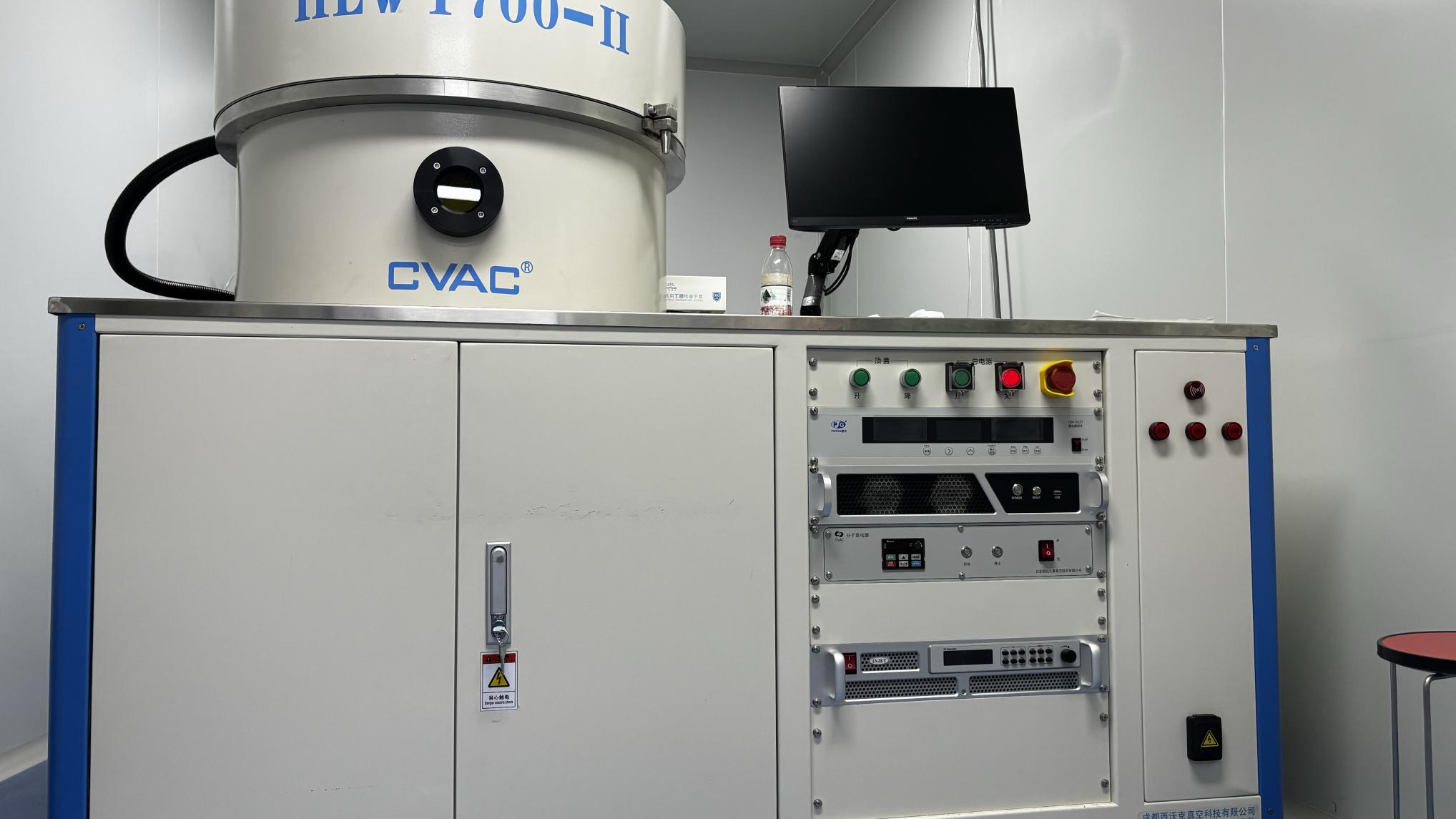
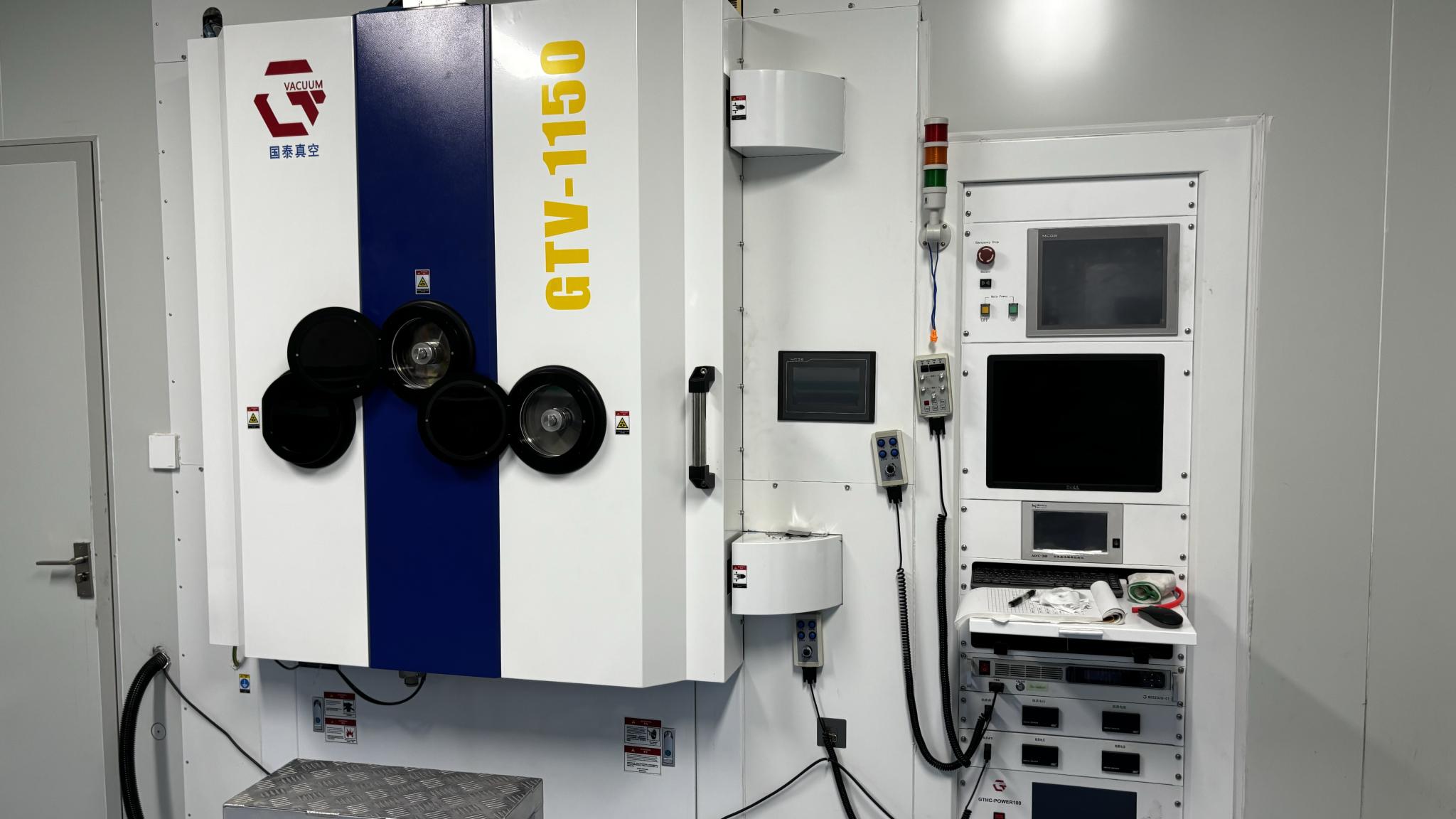
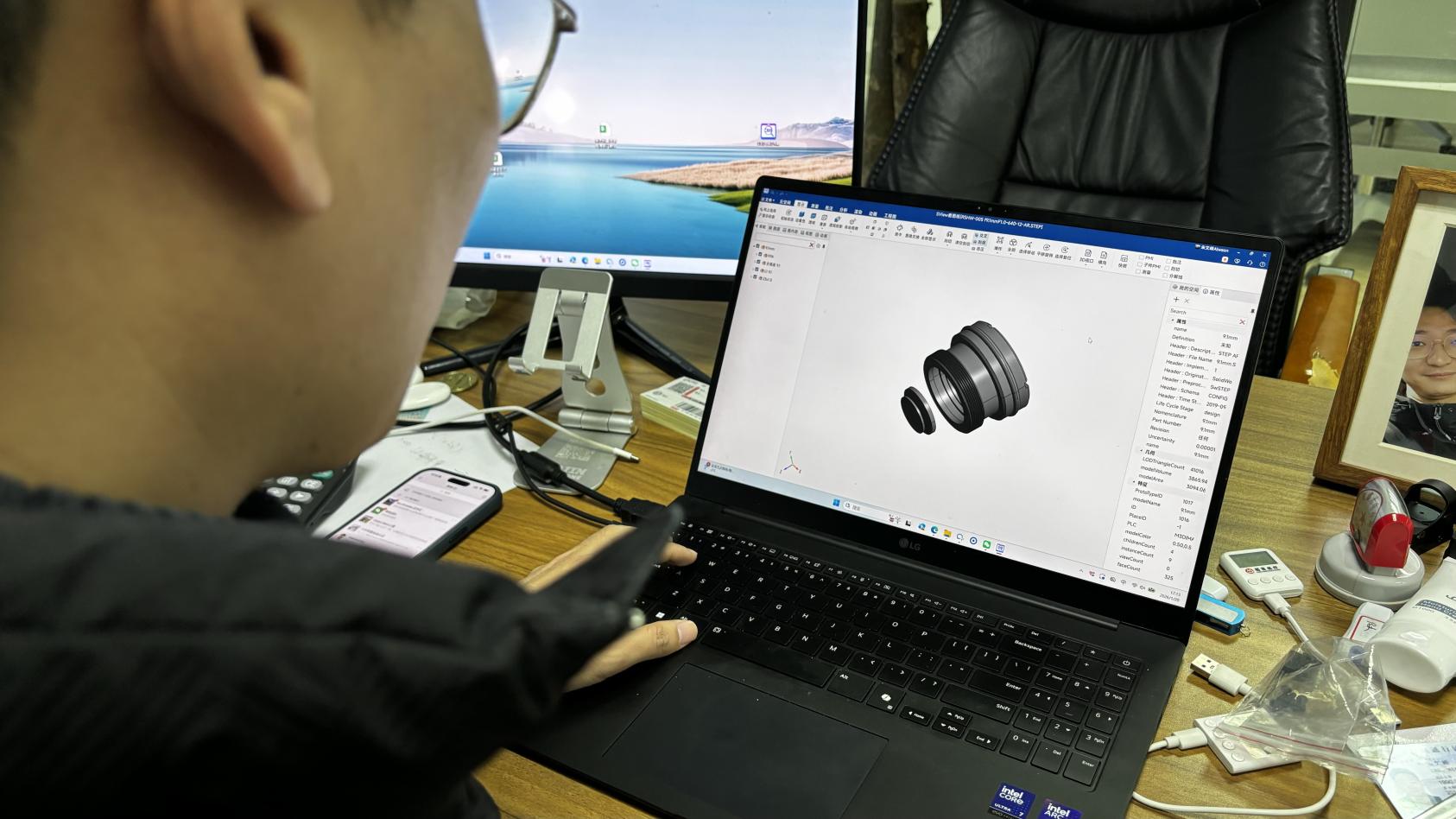
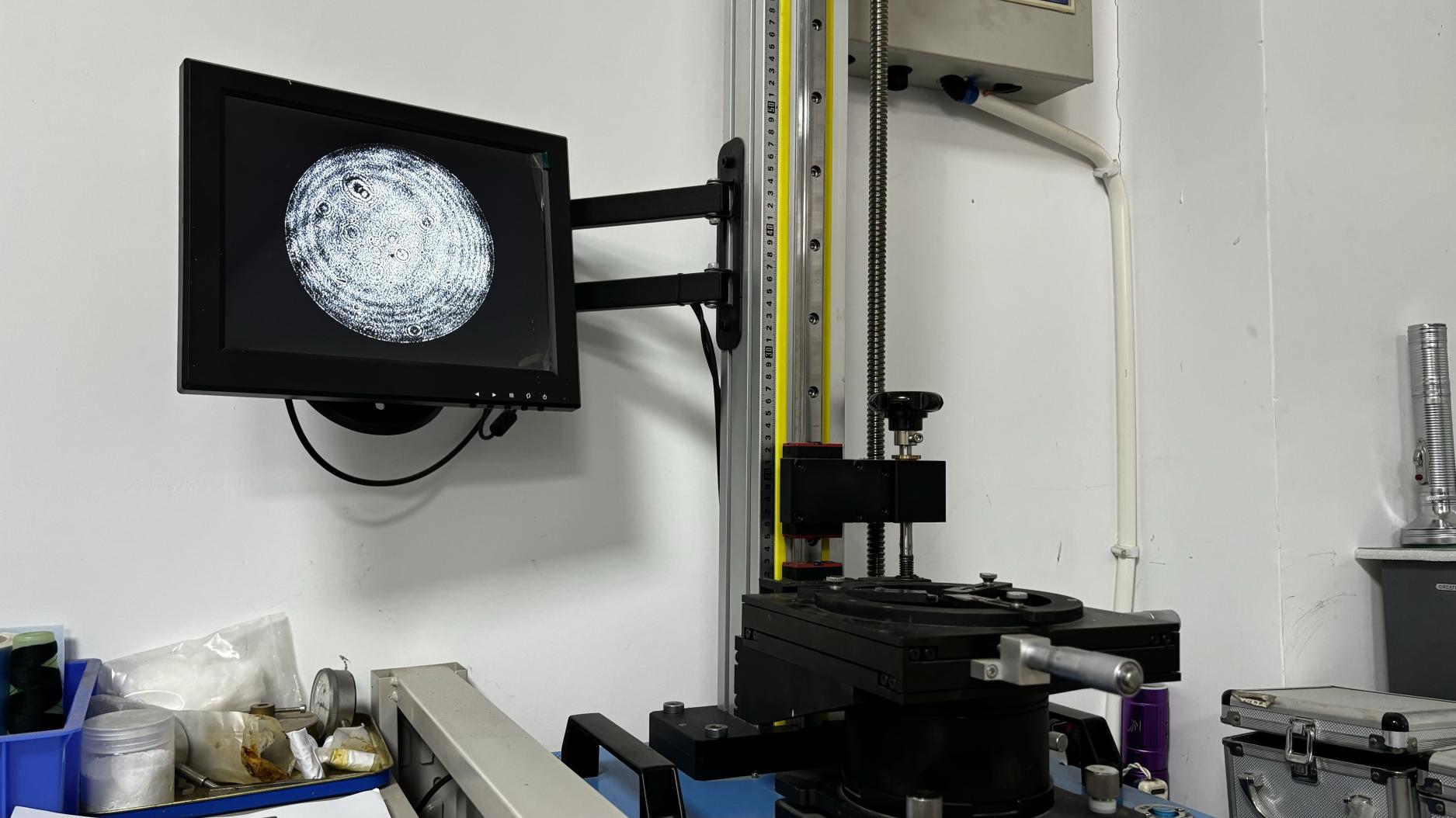
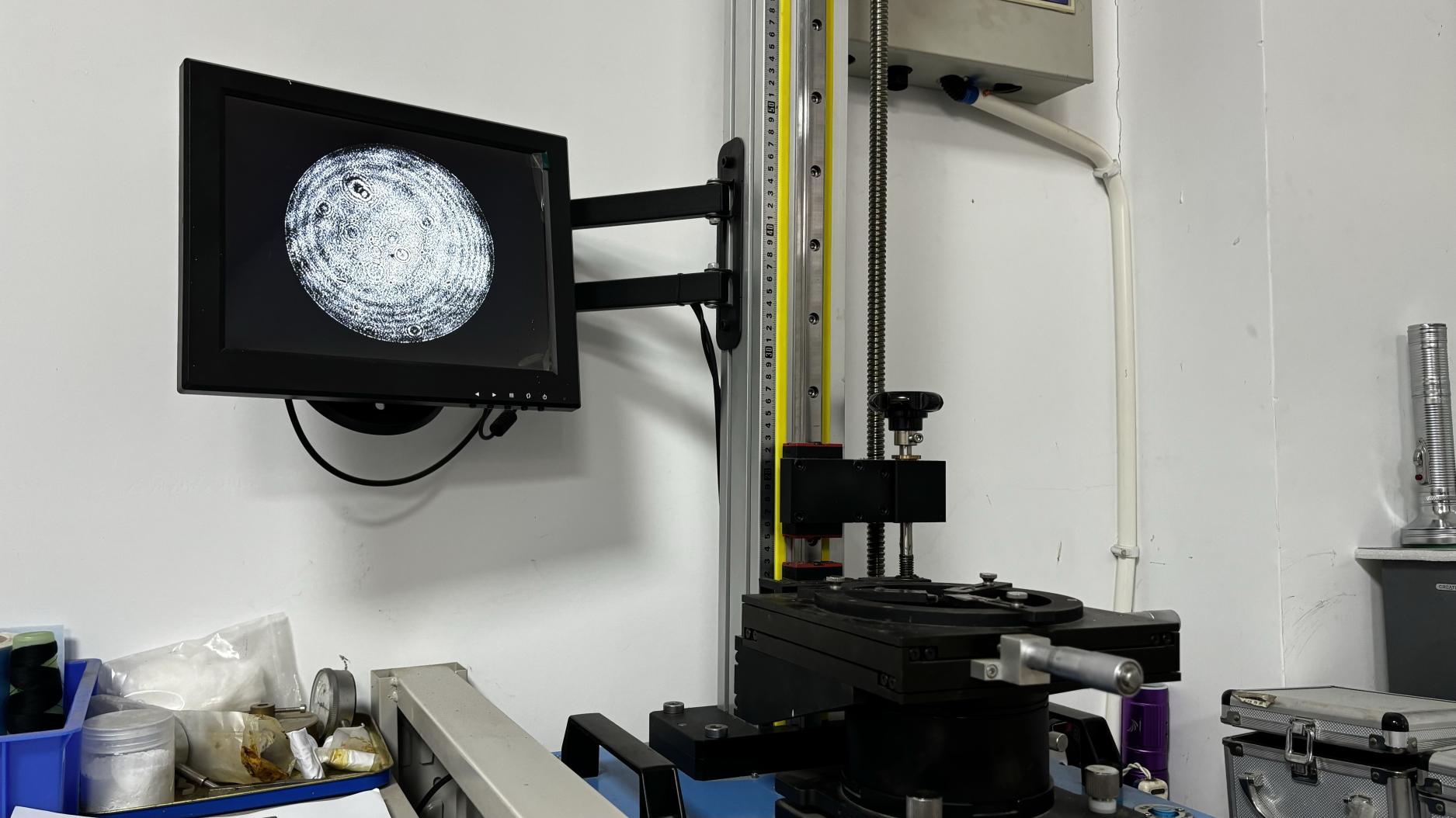
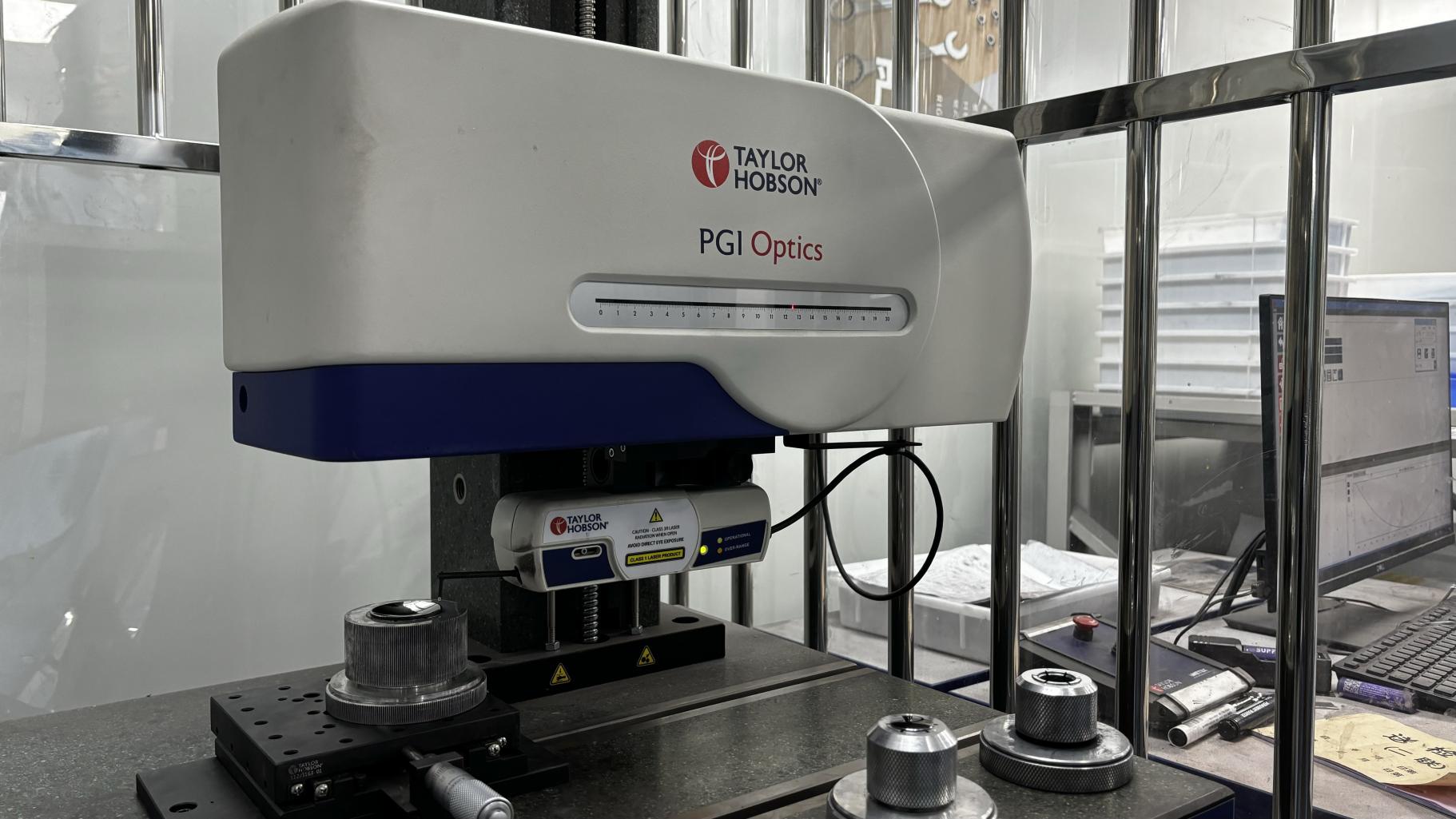
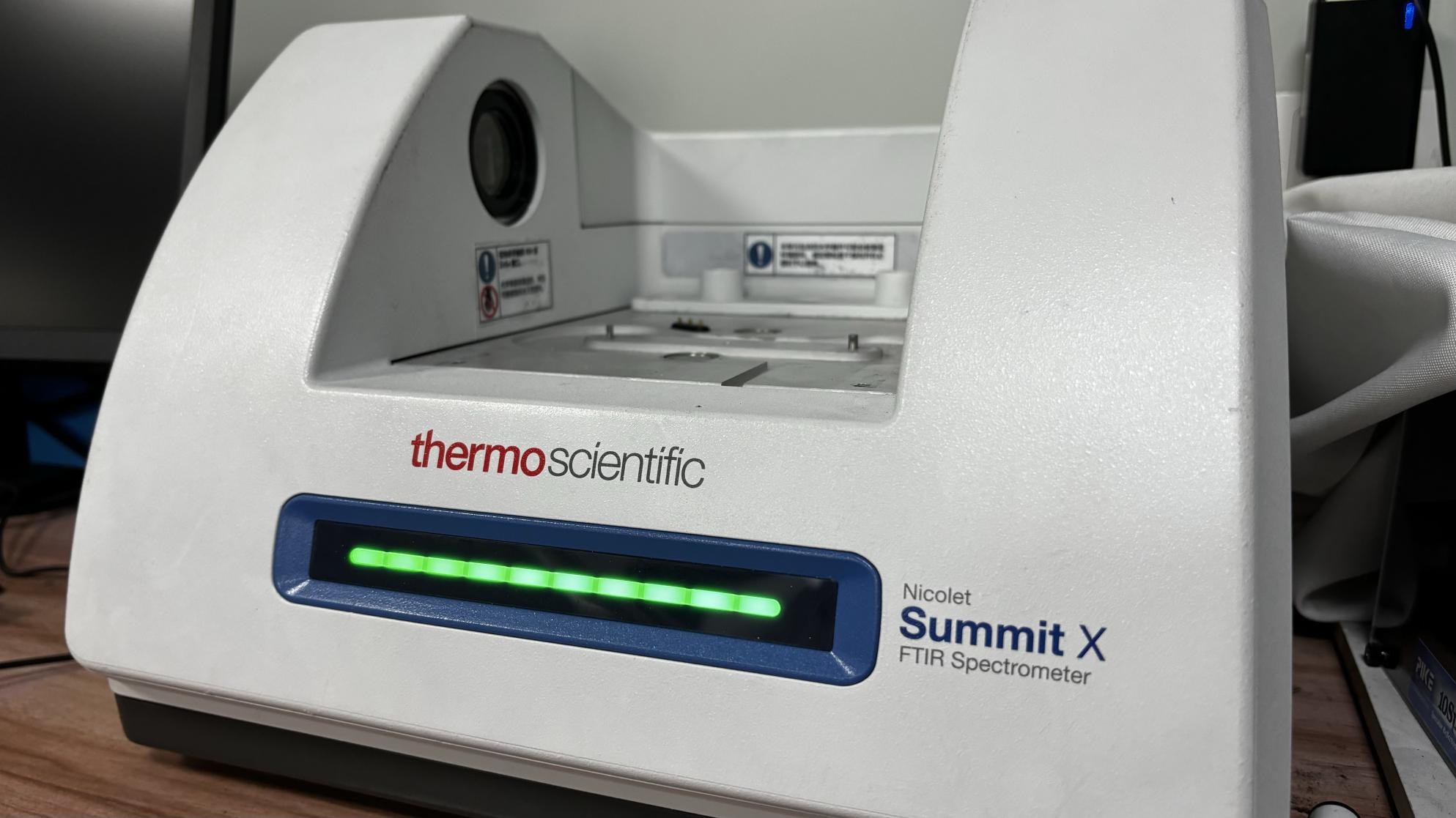
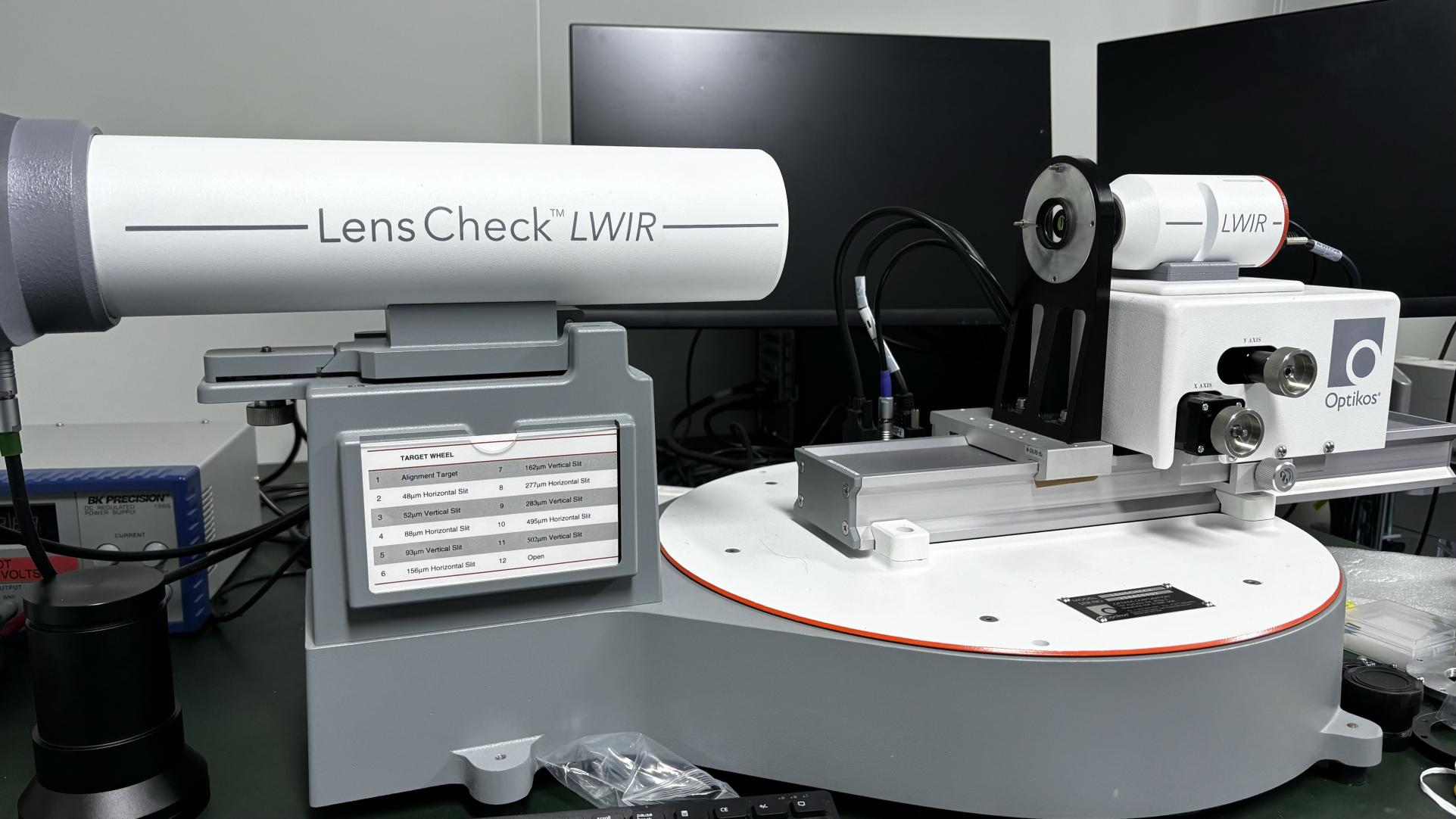
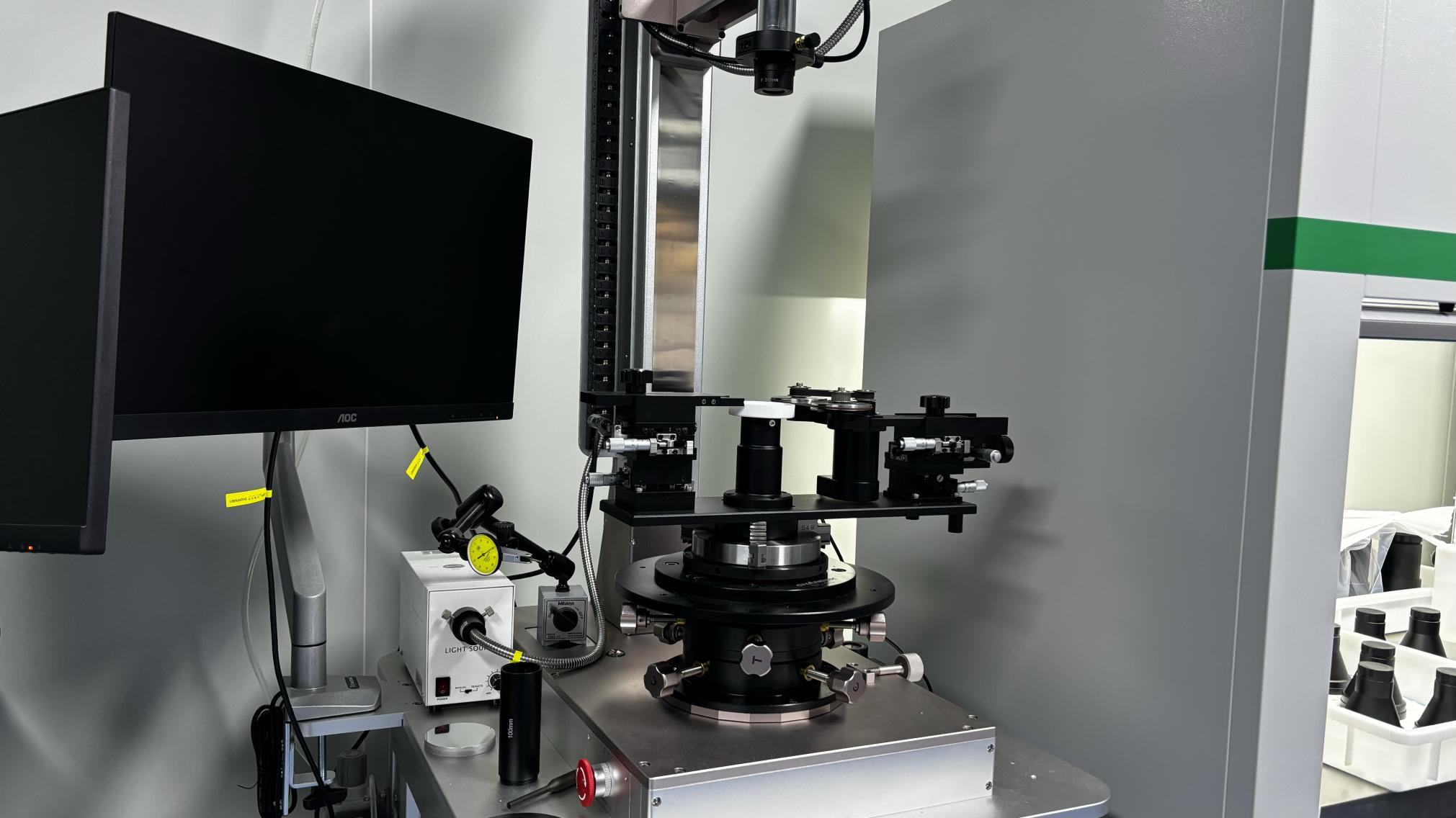
A closer look inside our state-of-the-art production lines, guaranteeing extreme precision and component reliability.
The progression of network infrastructure from 100G to 400G has redefined how data moves inside large computing hubs. Originally, 100G transceivers relied heavily on NRZ (Non-Return-to-Zero) modulation, which uses basic two-level signaling to represent binary 1s and 0s. As speed requirements scaled to 200G and 400G, NRZ hit physical limits, leading to the adoption of PAM4 (Four-Level Pulse Amplitude Modulation).
By using four distinct signal levels, PAM4 transmits two bits of data per baud cycle, doubling the spectral efficiency. FiddlLink's 400G QSFP-DD modules implement highly integrated DSP (Digital Signal Processor) engines to recover signals over fiber lines, mitigating the signal distortion caused by dispersion. For ultra-long span links, such as metro-core distribution across the Seoul Metropolitan Area, our 100GBASE-ZR4 (80km reach) and 400G ER8 (40km reach) employ advanced APD (Avalanche Photodiode) receivers and narrow-linewidth EML (Electro-absorption Modulated Laser) emitters to guarantee reliable performance without requiring mid-span inline amplification.
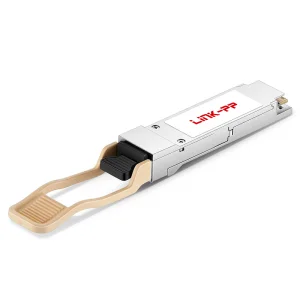
Perfectly suited for local access and spine-leaf connections. Built primarily with NRZ technologies, ensuring low cost, mature compatibility, and minimal thermal load.
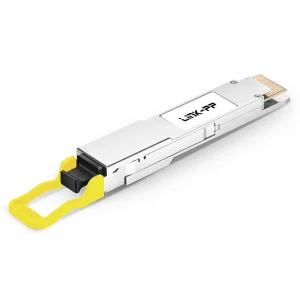
Acts as a cost-effective intermediate speed for specific clusters. Utilizes 4x50G PAM4 paths to double performance while retaining the familiar physical footprint of standard switches.
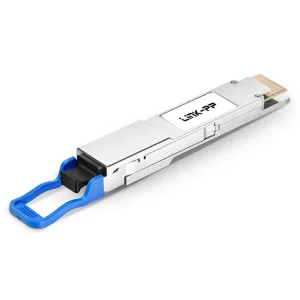
The current benchmark for AI workloads. Incorporates a high-density double-density layout, PAM4 modulation, and DSPs to handle immense computing demands.
For South Korean operators, supply chain stability is a critical factor. Operating out of our advanced manufacturing facilities, FiddlLink leverages a robust material ecosystem and deep partnerships with leading component providers to maintain consistent, reliable production schedules. This resilience enables us to avoid common component shortages, guaranteeing stable delivery times even during peak demand periods.
Our strategic proximity to major logistics hubs allows for highly optimized shipping routes directly into South Korea. Using direct air cargo lines from Shenzhen and Ningbo to Incheon International Airport, we can deliver volume orders to Seoul-based offices and datacenters within 3 to 5 business days. Furthermore, our dedicated customer support team handles customs clearance documentation to facilitate a seamless import experience.
| Delivery Lead-Time: | 3 - 5 Days (Express Air Cargo) |
| Customs Clearance: | Full documentation support (CO, KC compliance) |
| Warranty Period: | 3-Year Limited Warranty |
| Compliance Standard: | KC, CE, FCC, RoHS, ISO9001 |
Reliable optical transceivers engineered for extended distances, high data rates, and robust thermal performance.
Whether you require specific EEPROM coding, compatibility testing reports, or volume OEM pricing for the South Korean market, our engineering team is here to assist.
Send Inquiry NowClear, direct answers regarding optical module configurations, logistics, and compatibility for the Seoul market.
Yes. FiddlLink modules feature customized EEPROM configurations programmed specifically to match switch brands widely used in South Korean networks, including Cisco, Juniper, Arista, Mellanox, Edge-Core, and locally deployed hardware platforms. We run rigorous simulation and compatibility tests prior to packing, ensuring a seamless plug-and-play installation.
For urgent requirements, we ship via express air cargo routes (DHL/FedEx/UPS/custom carriers) from our manufacturing center directly to Incheon International Airport or Gimpo Airport. This path typically delivers volume orders to addresses in the Seoul Metropolitan Area within 3 to 5 business days. We provide comprehensive documentation support, including Certificates of Origin (CO), to facilitate fast customs clearance.
Our 400G QSFP-DD transceivers are built with advanced thermal management features. By utilizing optimized optoelectronic designs and high-performance internal components, we keep power consumption below 12W per module. This low power draw reduces heat generation, helping datacenter managers maintain overall thermal efficiency in high-density rack configurations.
Yes. We offer comprehensive OEM/ODM services, including custom labels, personalized packaging, customized firmware coding, and custom-length fiber parameters. Customers can choose customized configurations that meet the specific design guidelines of their network architectures.