FiddlLink FiddlLink

Top Trusted Multi Mode SFP Module Manufacturers & Factory

Leading the Era of High-Speed Optical Transmission with Industry-Grade Fiber Solutions

FiddlLink Optical Technology Co., Ltd.

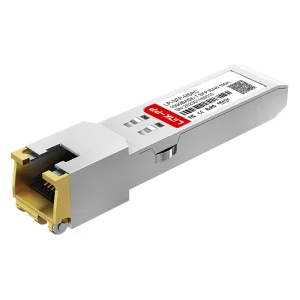
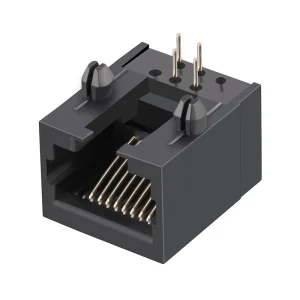
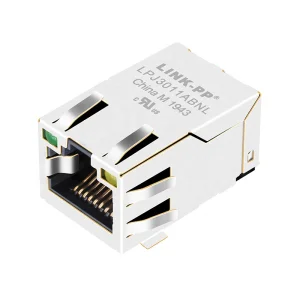
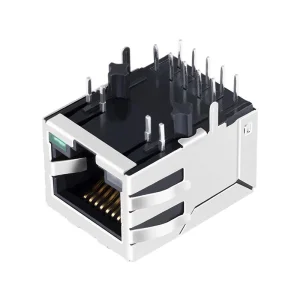
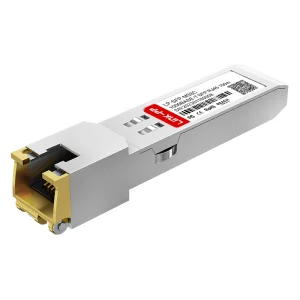
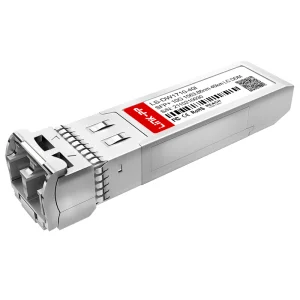
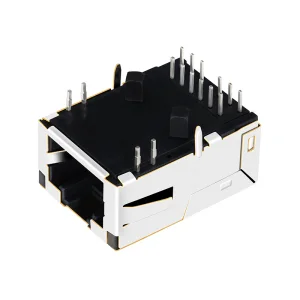
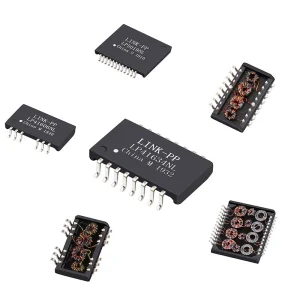
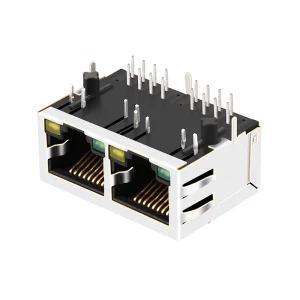
Established in 2016, FiddlLink Optical Technology Co., Ltd. has positioned itself at the forefront of the optical communication revolution. As an industry-leading manufacturer, we specialize in the custom engineering, precision manufacturing, and international distribution of optical transceivers, network jacks, and integrated fiber optics infrastructure. Our products are the core building blocks for enterprise cloud networks, Tier-1 telecom operators, municipal networks, and dense hyperscale data centers globally.

Our commitment to technical perfection is backed by more than 12 years of industry research and design experience, coupled with an active 8-year track record in global exports. This dual experience allows us to bridge the gap between complex engineering needs and direct supply chain logistics. Operating a dedicated 380 square meter state-of-the-art precision optical testing & laboratory cleanroom, we deploy automated optical alignment algorithms, high-vacuum optical coatings, and complex surface polishing steps to ensure every component complies with strict Multi-Source Agreements (MSA) standards.

💡 Why Optical Precision Begins at the Nanometer Scale

Unlike standard assembly operations, FiddlLink controls the entire optical glass path. By integrating spherical and aspheric polishing with advanced thin-film coatings, we minimize insertion loss and maximize signal integrity. This ensures our multi-mode transceivers consistently operate at peak efficiency under high-density ambient conditions.

12+
Years Experience
$18M
Annual Export
850+
Global Partners
126
R&D Engineers
42
QC Technicians
186
New Products / Year
380㎡
Advanced Cleanroom Facility

End-to-End Precision Manufacturing & QA Testing

Quality is engineered, not inspected. Browse our fully vertical optical lens fabrication and rigorous module testing line.
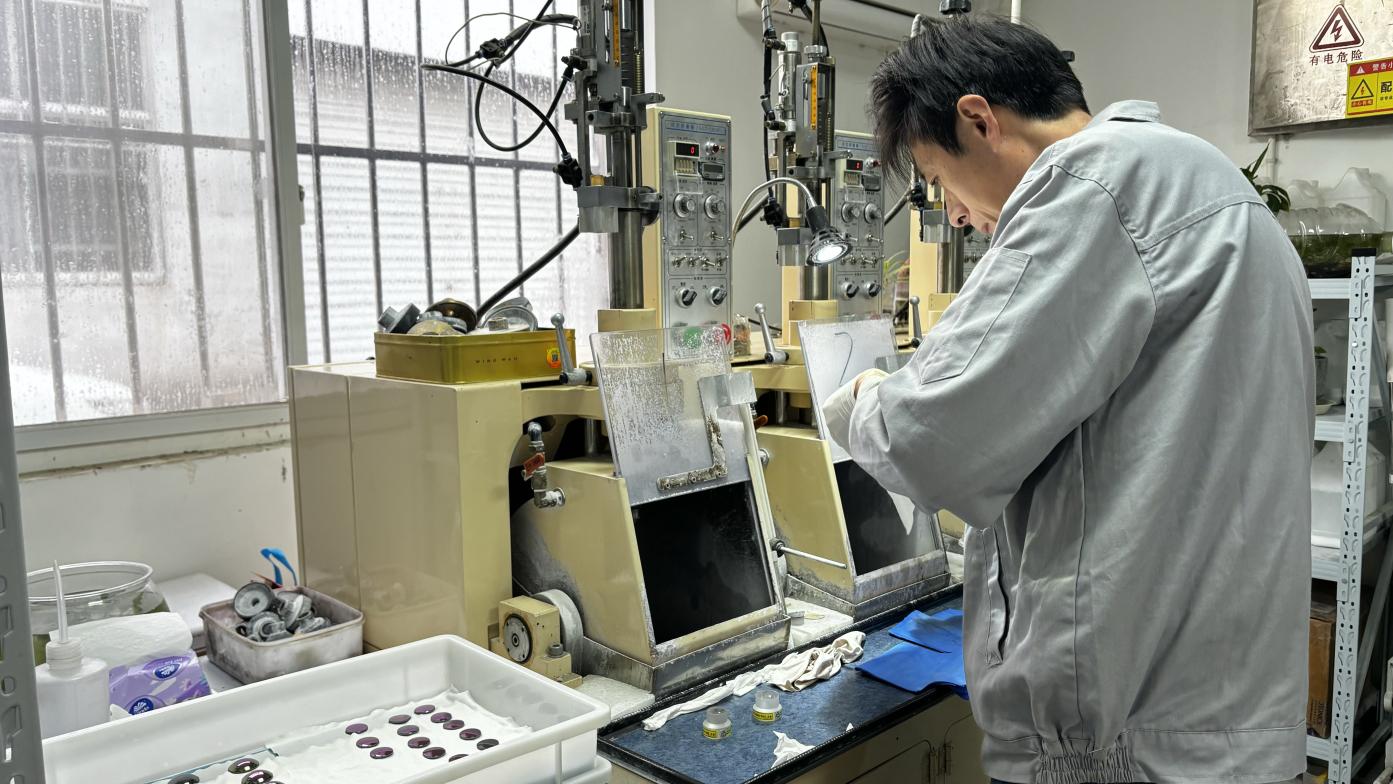

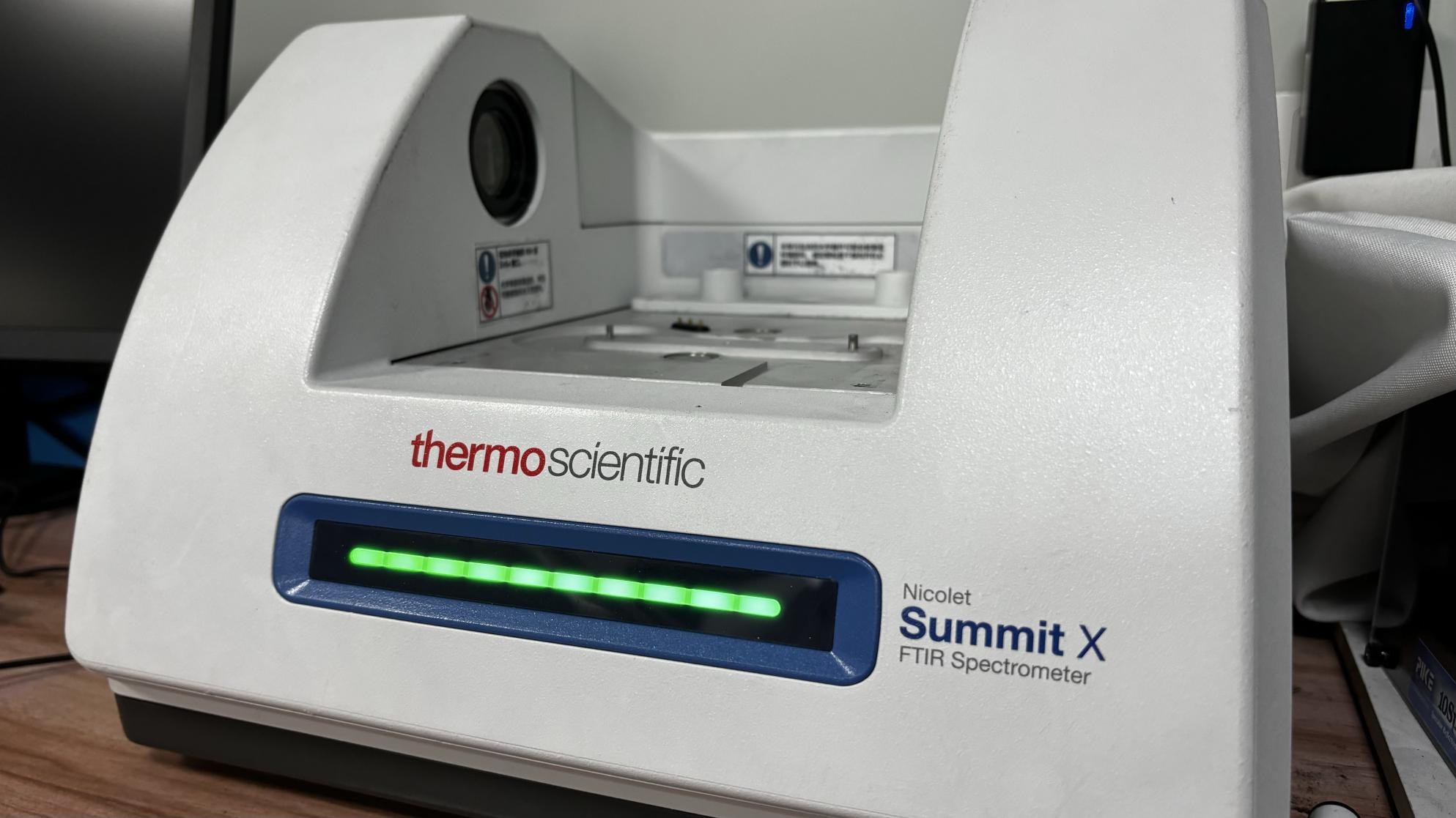
Detection Process
Incoming Material Detection
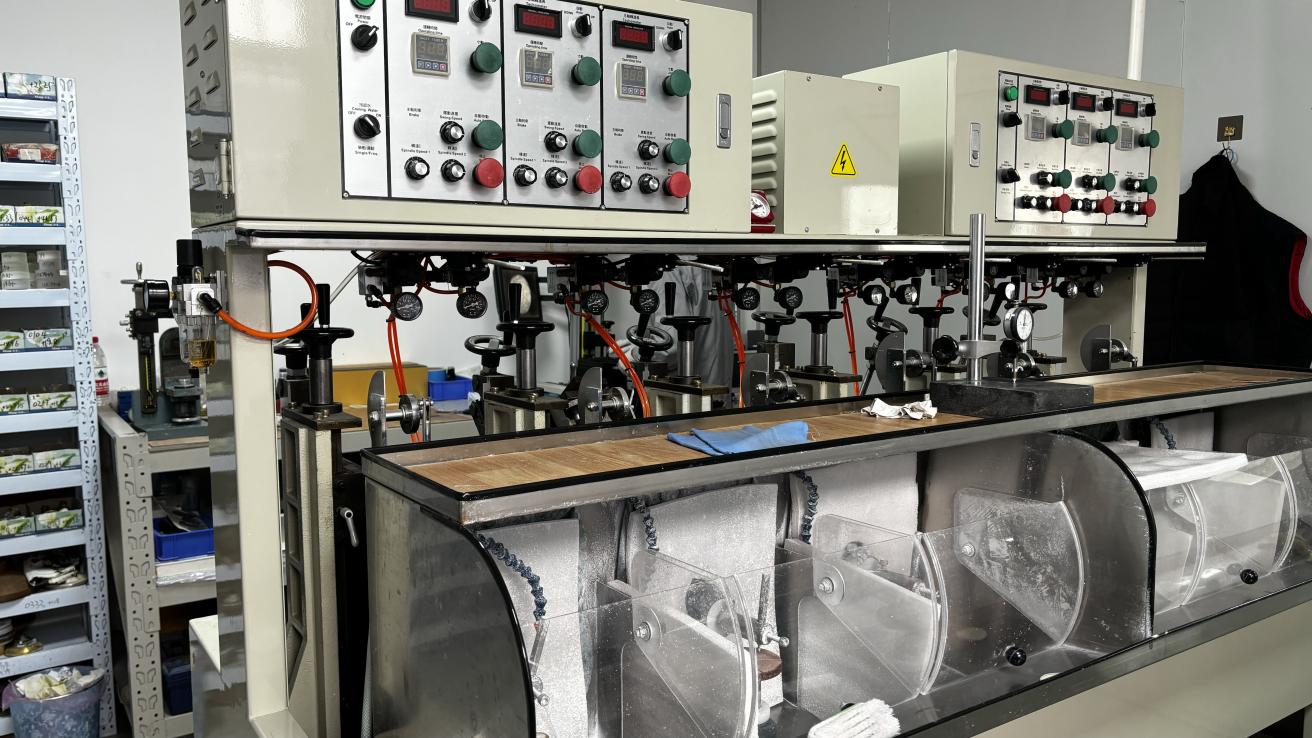
Spherical Polishing
Spherical Polishing
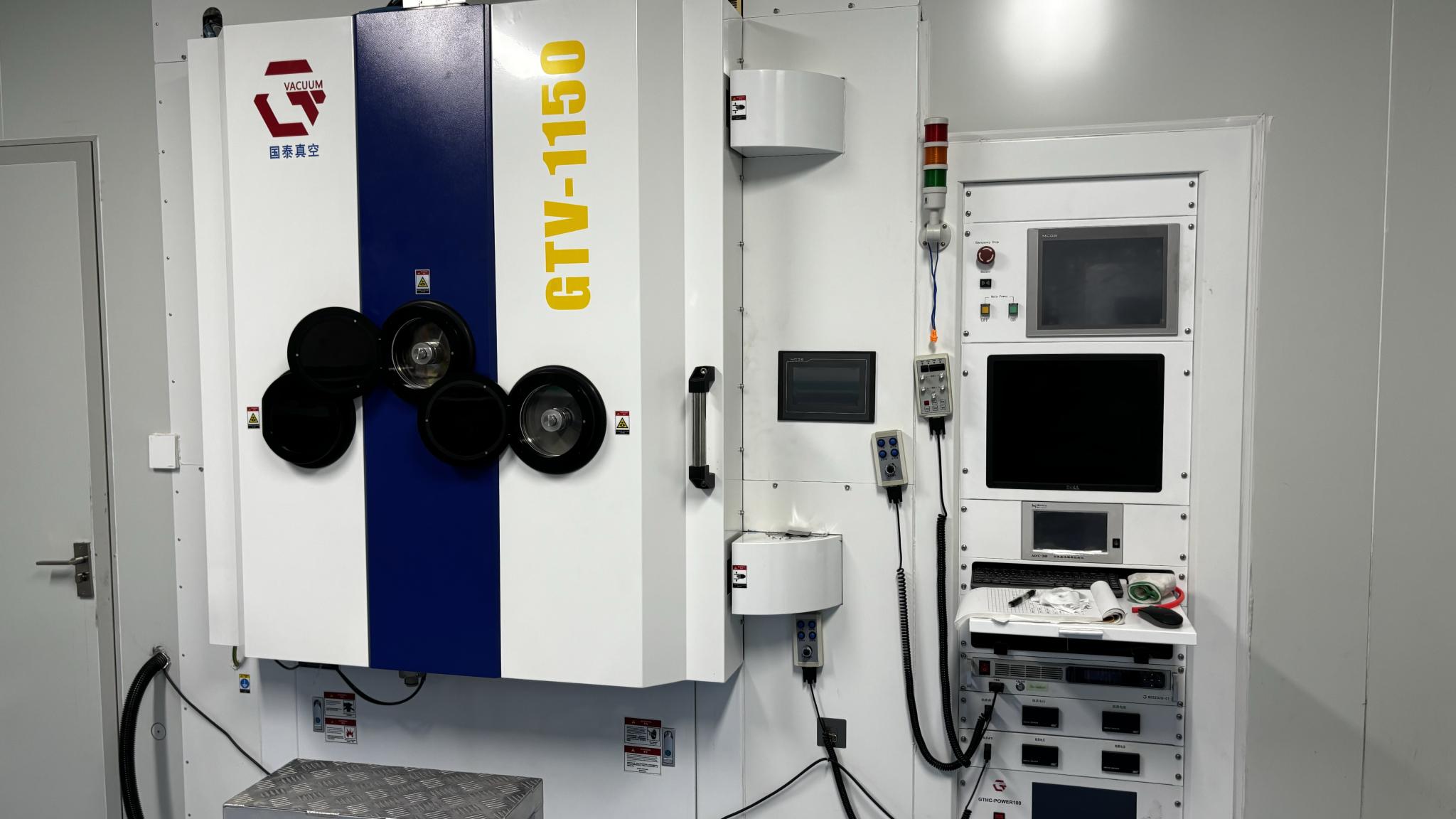
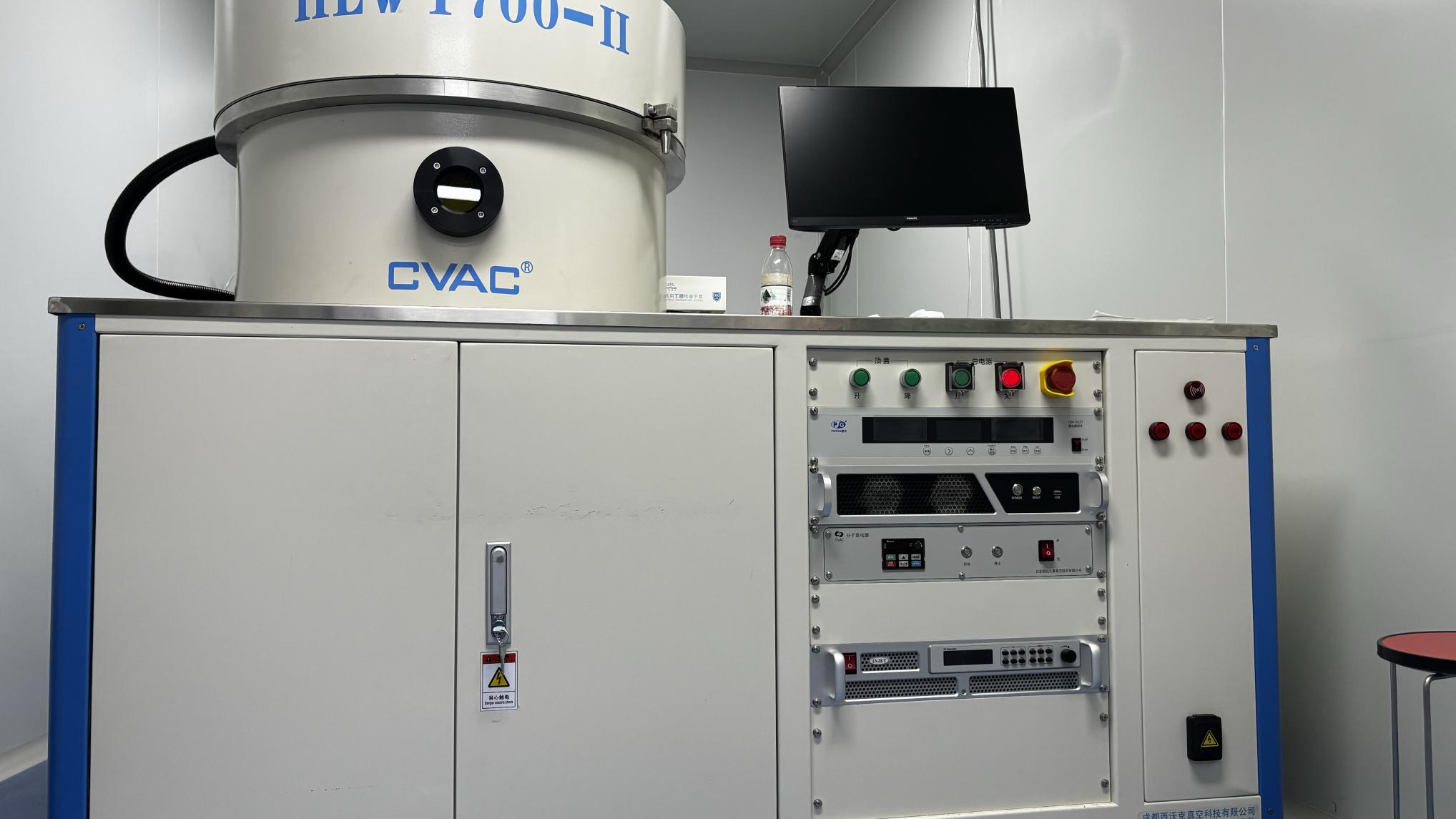
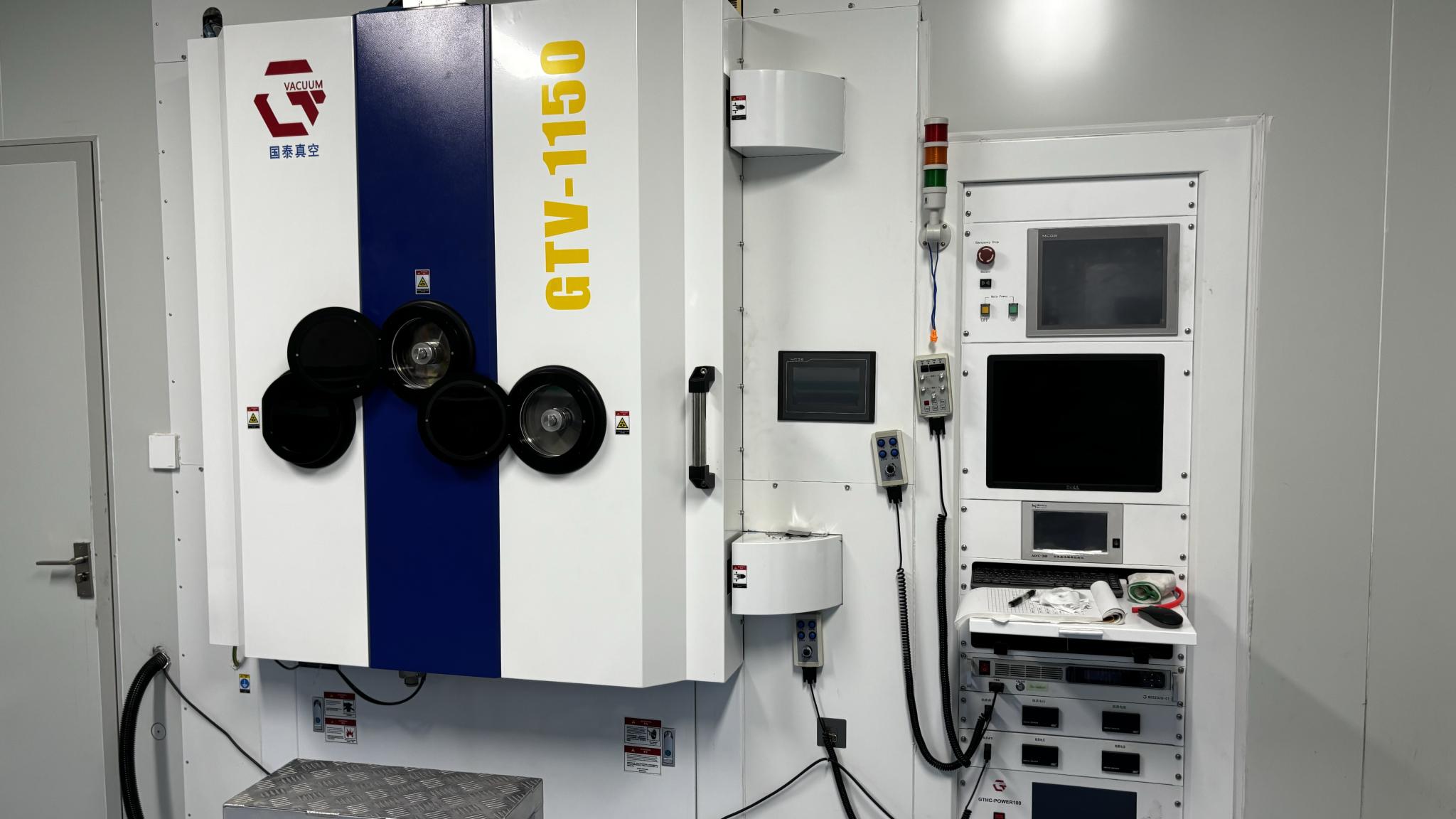
Coating
Vapor Deposition Coating
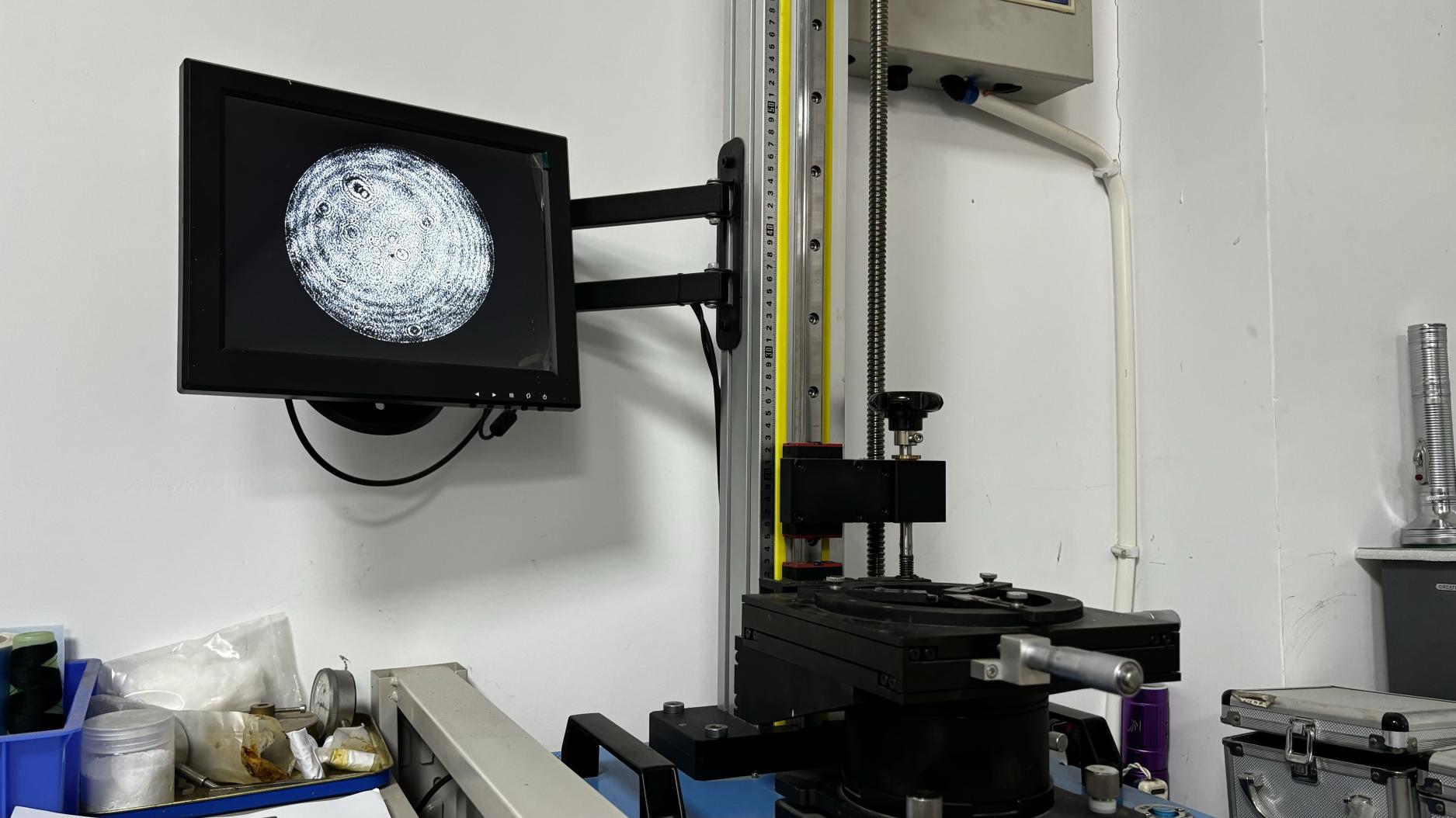
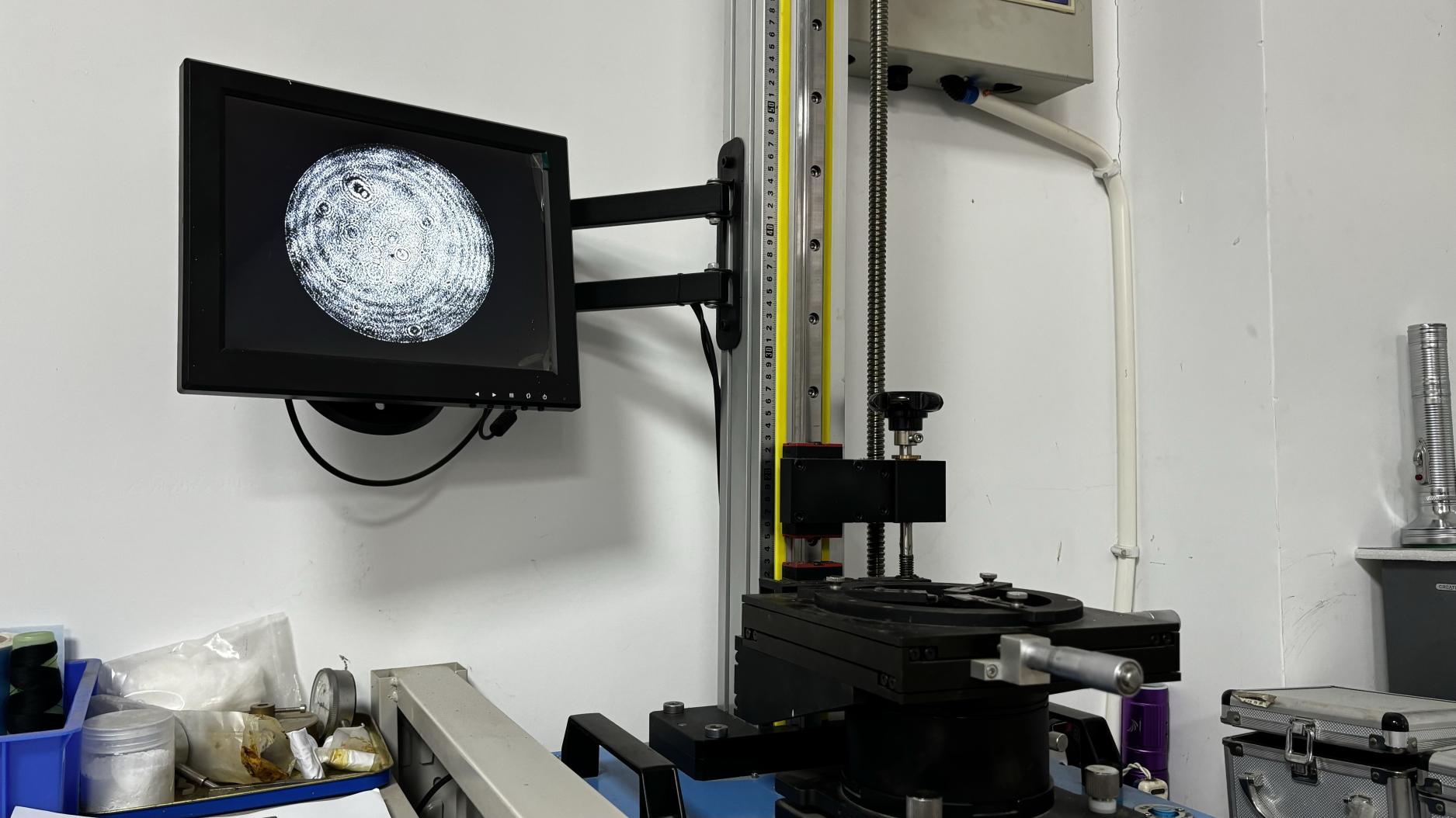
Detection 2
In-Line Optical Detection
Polishing Machine
Advanced Polishing System
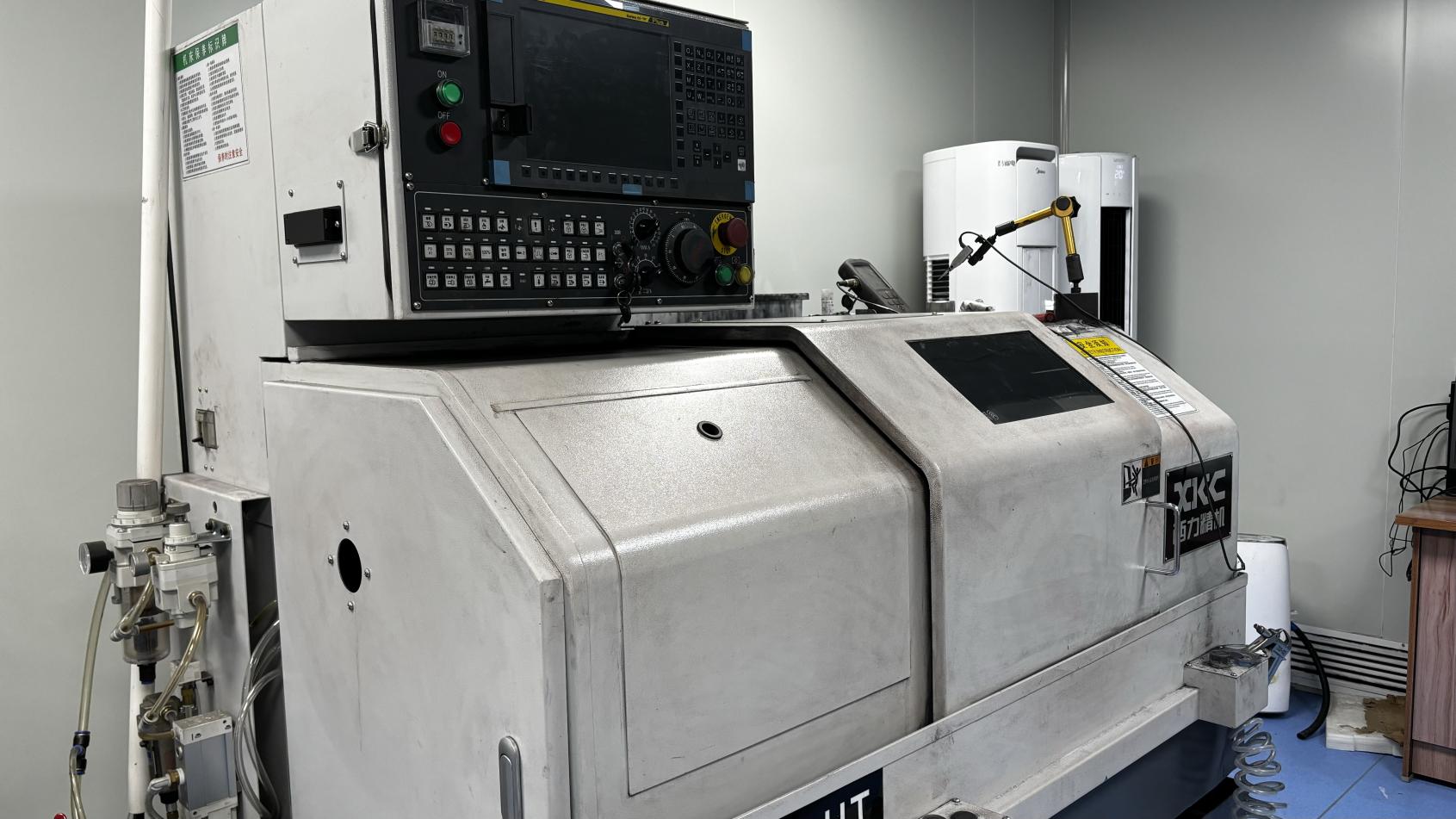
Roughing Machine
Rough Machining CNC
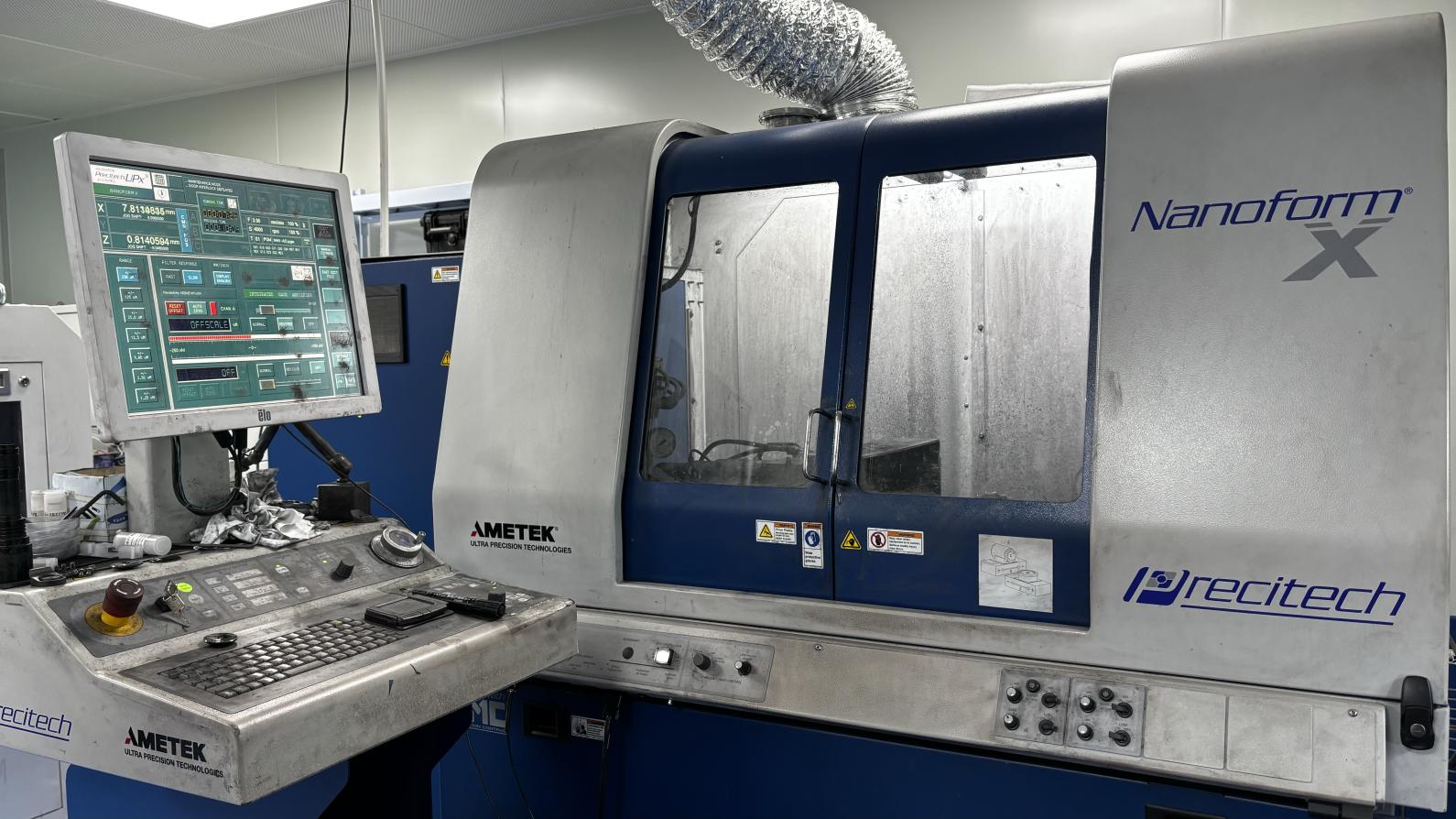
Single-Point Machine
Single-Point Diamond Turning
Coating Machine1
Chamber Coating Unit 1
Coating Machine2
Chamber Coating Unit 2
Designing
CAD/CAE Optoelectronic Design
Inspection
QC High-Resolution Inspection
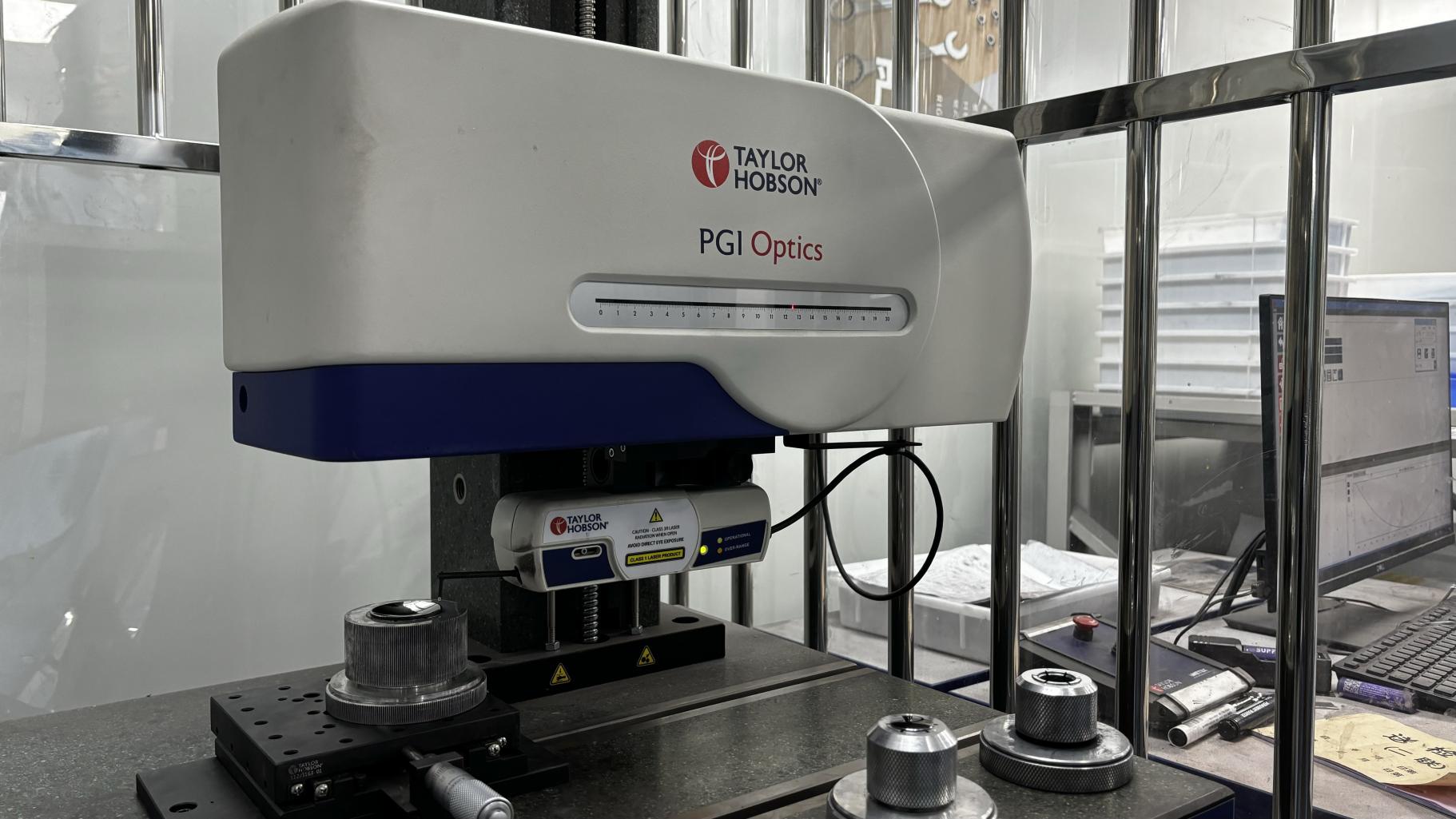
Profilometer
Aspheric Profilometer Metrology
Interferometer
Laser Interferometer Surface Test
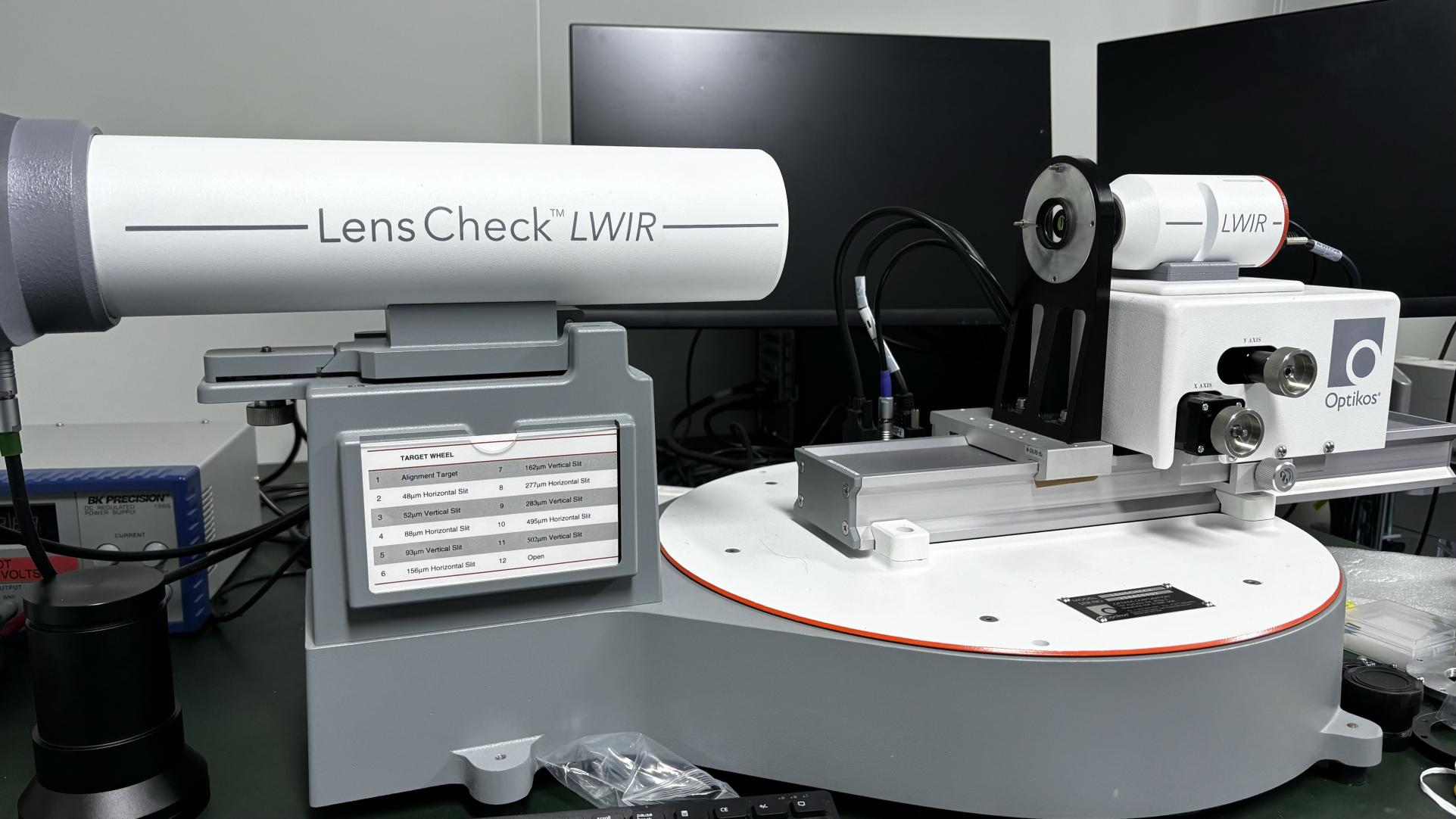
Transreflector
Transreflector Calibration
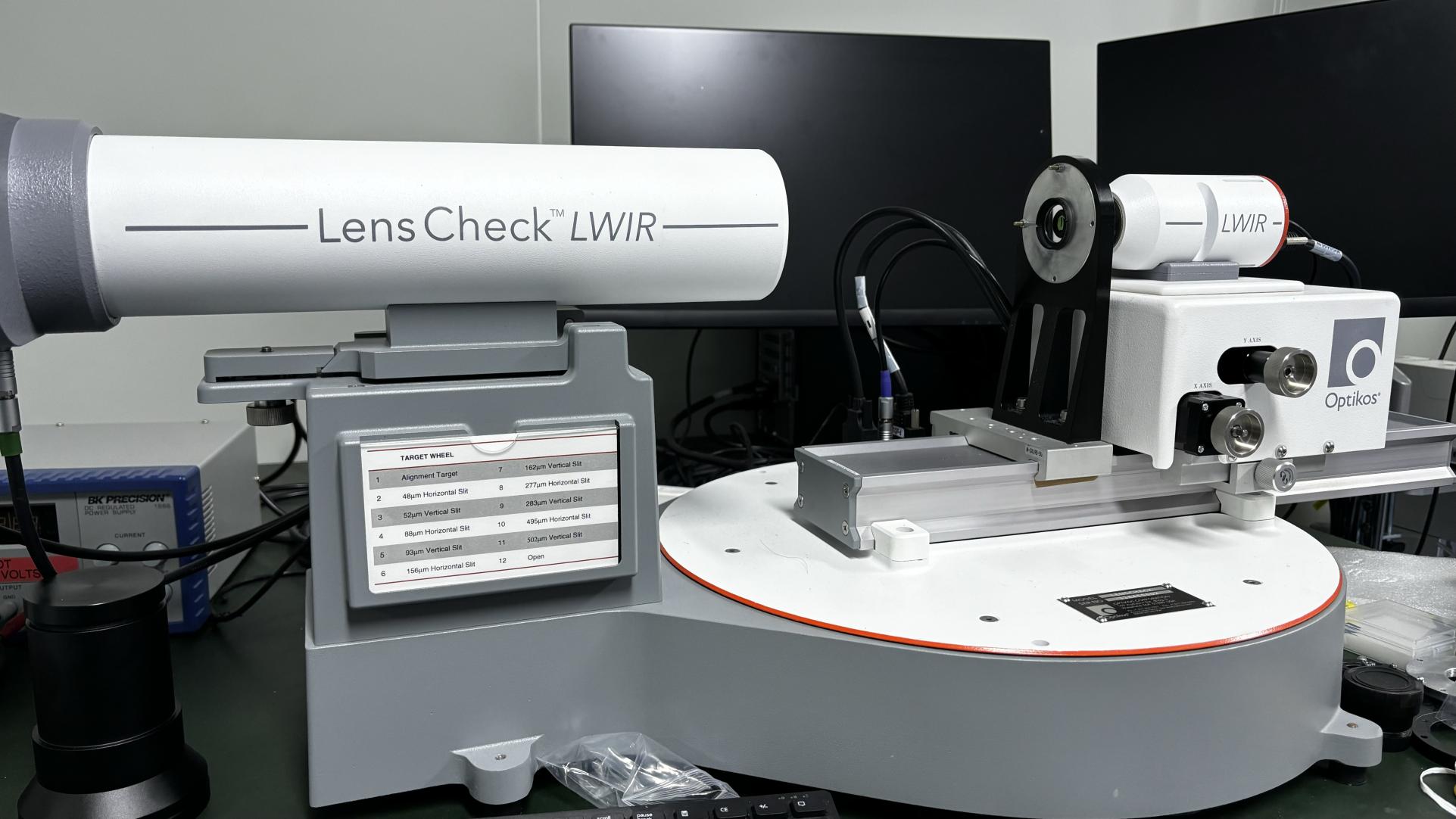
Mtf Transmittance Meter
MTF Transmittance Meter
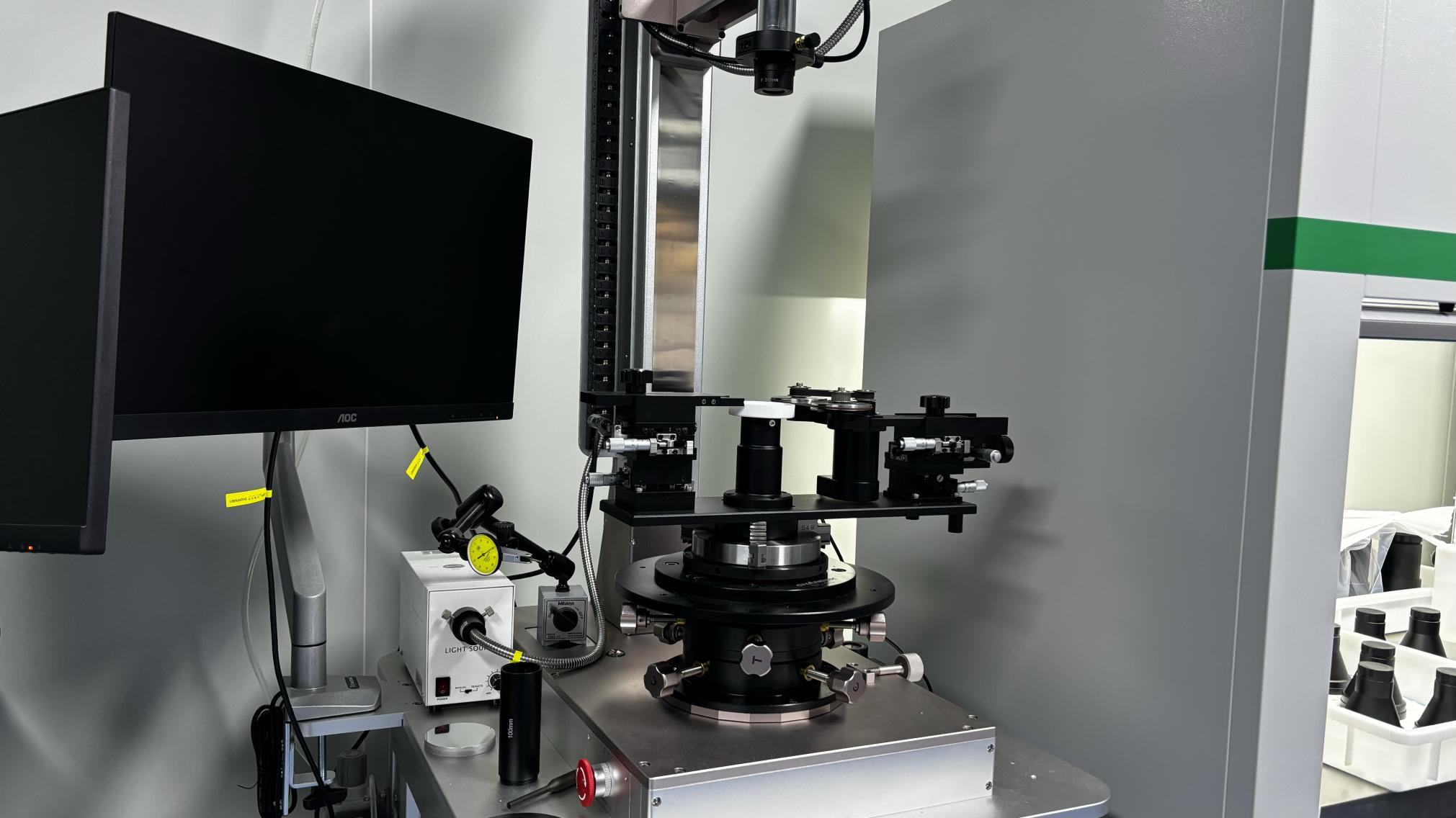
Center Deviation Instrument
Lens Centering Metrology

Strategic Insights: The Ecosystem of Multi-Mode Optical Transceivers

Analyzing key structural elements, localized engineering solutions, and manufacturing dynamics shaping the optical industry.

The Competitive Superiority of China's Optical Manufacturing Ecosystem

The manufacturing of high-reliability Multi-Mode SFP Modules is highly dependent on supply-chain concentration. By locating our production facilities within China's premier optoelectronics cluster, FiddlLink leverages direct access to premium VCSEL (Vertical-Cavity Surface-Emitting Laser) semiconductor dies, precision injection-molded optical lenses, and Automated Optical Alignment (AOA) technology partners.

Our localized advantage lies in our comprehensive processing line. From initial raw optical glass roughing and single-point diamond turning to advanced spherical/aspheric lens polishing and multi-layer dielectric anti-reflective coating, every production element is managed in-house. This dense supply chain cuts down raw material lead times to just 48 hours, shielding our international partners from supply delays and securing competitive prices without compromising on performance.

Localized Application Scenarios & Macro-Industry Solutions

Multi-Mode fiber (MMF) networks continue to serve as the backbone for short-reach enterprise communications, delivering high bandwidth at low deployment costs.

  • Enterprise Data Centers (EDC): Utilizing OM3, OM4, or OM5 multi-mode fibers, our transceivers connect top-of-rack (ToR) switches to core distribution nodes, supporting data rates up to 10G/25G and distances up to 400 meters via 850nm VCSEL lasers.
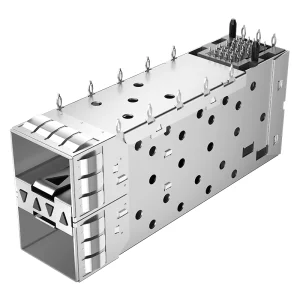
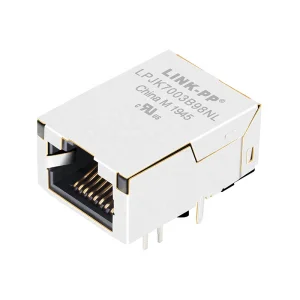
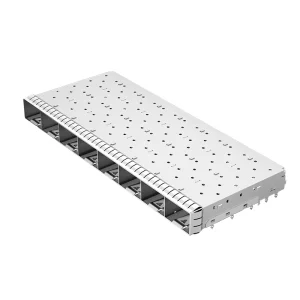
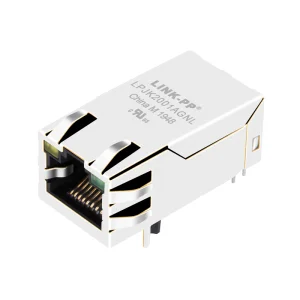
  • Industrial Smart Automation: Designed to withstand heavy electromagnetic interference (EMI), our shielded SFP+ cages and rugged modular jacks provide noise-free connections for robotic production lines and programmable logic controllers (PLCs).
  • Local Enterprise LANs & Financial Exchanges: For local local-area networks that require minimal latency, our optical transceivers provide highly stable connections, preventing packet dropouts and frame errors.

Global Procurement Specifications & Technical Compliance

For global procurement teams, purchasing decisions require strict compliance, quality standards, and broad equipment compatibility. Our engineering process centers around three fundamental pillars of trust:

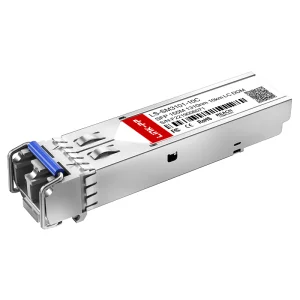
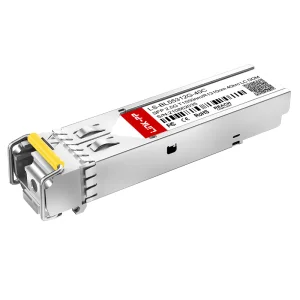
  • MSA Standard Compliance: FiddlLink SFP modules are designed to conform to the SFF-8472 multi-source agreement. This guarantees seamless compatibility across different hardware platforms, including Cisco, Ubiquiti, Juniper, TE, and Tyco.
  • Digital Diagnostics Monitoring (DDM/DOM): Real-time parameters such as temperature, supply voltage, laser bias current, and optical transmit/receive power are constantly tracked, facilitating predictive maintenance and reducing network downtime.
  • Eco-Regulatory Standards: All manufacturing stages strictly adhere to CE, FCC, RoHS, and REACH directives, promoting clean, lead-free processing and recycling compatibility.

Future-Proofing Optical Interconnect Technology

How FiddlLink adapts to evolving transmission speeds, next-generation standards, and physical infrastructure challenges.

Evolution to 100G/400G SR4/SR8

As data rates scale from 10G and 25G up to 100G and 400G, standard single-lane VCSELs are transitioning to multi-channel parallel optical paths. Utilizing PAM4 modulation and multi-fiber push-on (MPO) interfaces, our newest product lines are engineered to deliver reliable high-speed throughput over short distances.

Advanced SWDM Solutions

Short Wavelength Division Multiplexing (SWDM) transmits multiple wavelengths (850nm, 880nm, 910nm, and 940nm) over a single multi-mode fiber. FiddlLink is investing in SWDM4 transceiver technologies to help data centers increase their capacity by up to four times over existing OM3/OM4 fiber cabling.

Eco-Efficient Design & Low Power

With sustainability driving modern network deployments, minimizing power consumption per gigabit is essential. By deploying low-voltage ICs and optimized laser driver chips, we have cut average module power consumption down to under 0.8W, helping lower operating costs and reduce thermal loads.

Expert Q&A: Technical Specifications & Integration

Get professional, engineering-focused answers to the most common questions regarding multi-mode transceivers.

Q1: What are the key differences in reach and bandwidth between OM3, OM4, and OM5 fibers for SFP modules?
OM3 and OM4 are standard laser-optimized 50/125µm multi-mode fibers. At 10G speeds, an OM3 fiber supports transmission up to 300 meters, while OM4 extends this reach up to 400 meters. OM5, known as wideband multi-mode fiber (WBMMF), is optimized to support Short Wavelength Division Multiplexing (SWDM) between 850nm and 953nm, maintaining a high bandwidth capacity across a broader wavelength range.
Q2: How does FiddlLink ensure multi-brand network switch compatibility?
Our modules are coded with customized EEPROM firmware tailored to specific vendor requirements. During final verification, we test every module across an array of switches (including Cisco, Ubiquiti, Juniper, and HP) to ensure proper recognition, functional DDM reporting, and error-free operation.
Q3: Can a Multi-Mode SFP module connect to a Single-Mode SFP module?
Direct connections between single-mode and multi-mode modules are not supported due to differences in core diameters (9µm for single-mode vs. 50/125µm or 62.5/125µm for multi-mode) and wavelengths (typically 1310nm/1550nm vs. 850nm). Using mismatched modules can result in excessive optical attenuation, high bit error rates, or complete signal loss.
Q4: Why is VCSEL laser source quality critical for Multi-Mode transceivers?
Vertical-Cavity Surface-Emitting Lasers (VCSELs) emit light perpendicular to the chip surface, offering high conversion efficiency and a narrow emission angle. High-quality VCSEL sources yield lower spectral width and reduced jitter, helping maintain clean eye diagrams and reliable data transmission over long periods.
Q5: What OEM/ODM customization services does FiddlLink provide?
We offer comprehensive design and engineering services, including custom laser driver layouts, unique EEPROM coding configurations, private labeling, modified pull tab colors, and tailored retail packaging solutions. Our engineering team can develop custom options to match your specific hardware and mechanical parameters.