FiddlLink
FiddlLink
FiddlLink
High-performance optical transceivers and copper RJ45 interfaces engineered for mission-critical network architectures.
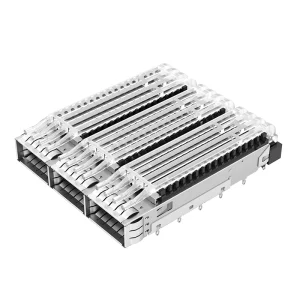
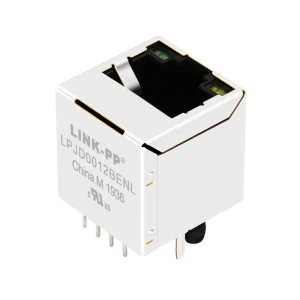
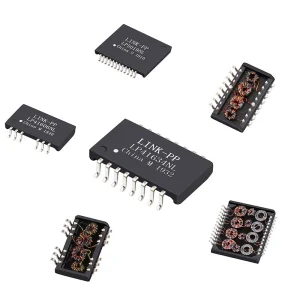
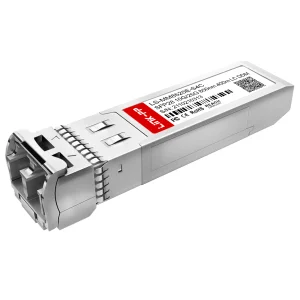
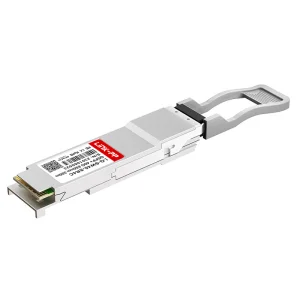
In the modern era of hyperscale data centers, edge computing, and industrial IoT (IIoT), the physical layer of network infrastructure faces unprecedented demands. As bandwidth requirements scale from 10G to 400G and beyond, hardware engineers are confronted with a dual challenge: maximizing port density while maintaining absolute signal integrity. The Mini RJ45 connector has emerged as a critical component in solving these spatial and electrical bottlenecks.
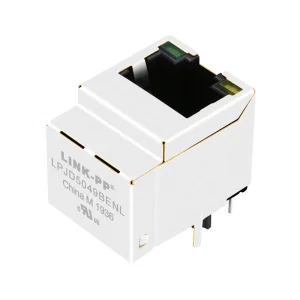
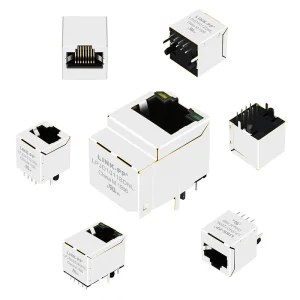
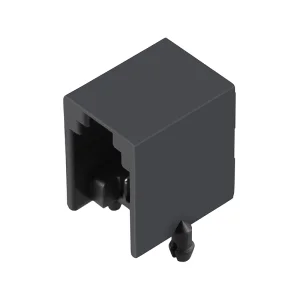
Traditional RJ45 connectors, while ubiquitous, present physical limitations in modern high-density blade servers, switches, and compact IoT gateways. By reducing the physical footprint by up to 50% compared to standard RJ45 modular jacks, Mini RJ45 systems allow network equipment manufacturers to double the port density on a standard 1U rack unit. However, miniaturization introduces complex engineering challenges, particularly regarding electromagnetic interference (EMI), crosstalk, and thermal dissipation.
Miniaturized connectors require robust internal shielding to prevent electromagnetic interference in high-frequency environments, ensuring stable data transmission up to Cat6a and Cat7 specifications.
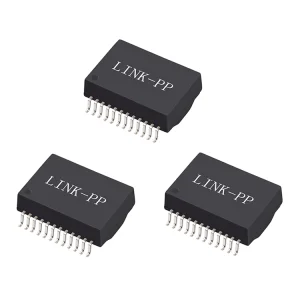
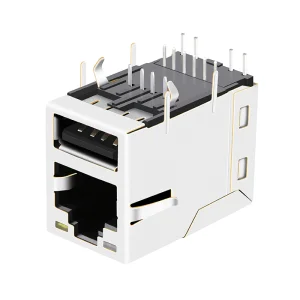
By embedding the isolation transformer and common-mode chokes directly into the connector housing (MagJack), engineers save PCB real estate and improve noise rejection.
Supporting Power over Ethernet requires specialized contact designs that mitigate electrical arcing during mating and unmating under load, protecting delicate PHY silicon.
Understanding the technical, logistical, and compliance benchmarks required by tier-1 network equipment manufacturers and system integrators.
For global procurement managers, sourcing Mini RJ45 connectors and optical modules is not merely a transaction; it is a rigorous engineering alignment process. Connectors must meet strict mechanical tolerances (e.g., insertion force, retention strength) and electrical performance criteria (e.g., contact resistance, dielectric withstanding voltage). FiddlLink ensures that every batch of OEM/ODM products aligns perfectly with international standards such as IEC 60603-7 and TIA-568.
In a volatile global market, supply chain continuity is paramount. Enterprises require partners who can guarantee stable lead times and scale production rapidly. With over 850 strategic partners and an annual export revenue of USD 18 million, FiddlLink has established a highly resilient supply chain network that mitigates raw material shortages and logistical bottlenecks, ensuring on-time delivery across North America, Europe, and Asia.
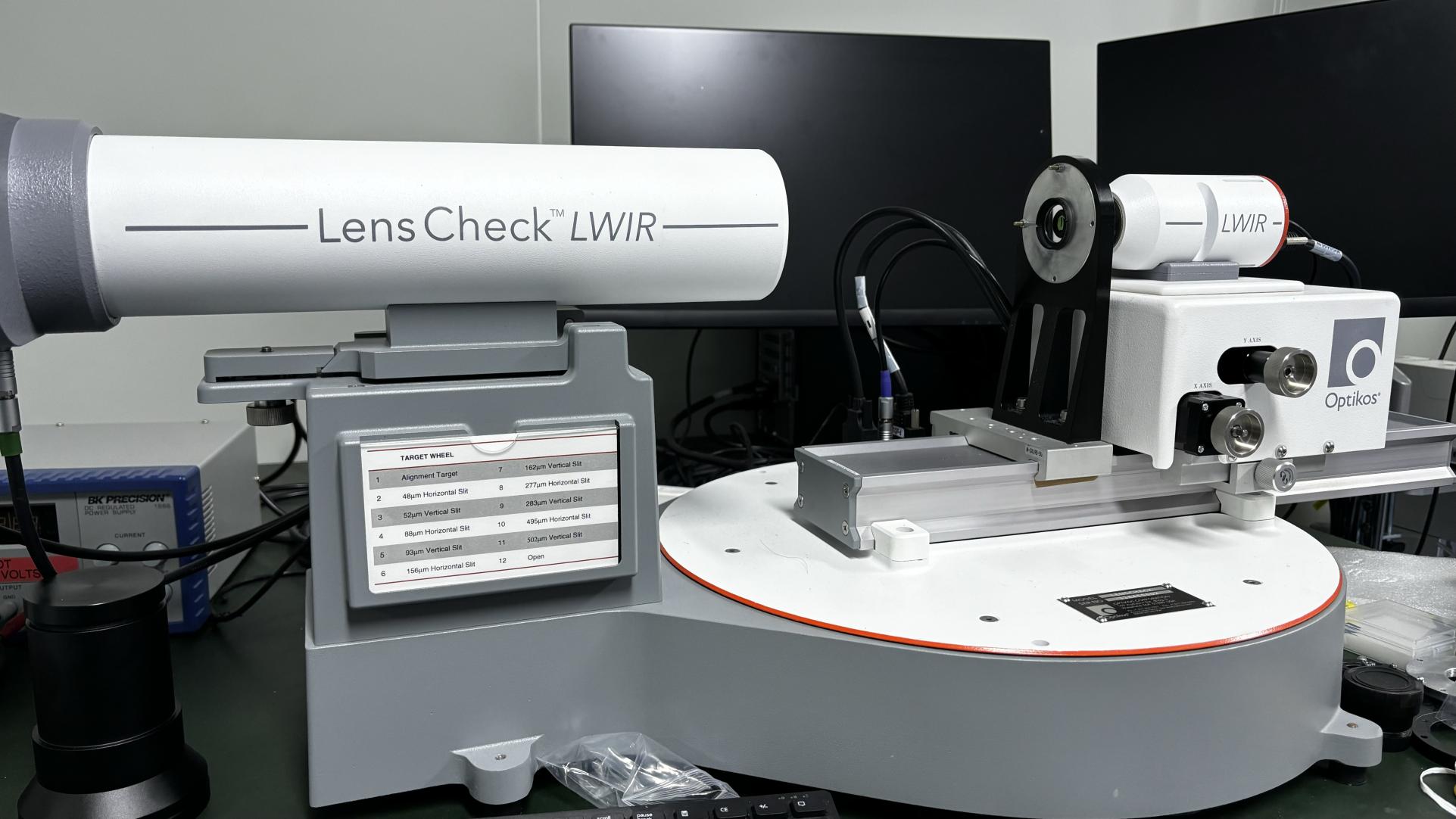
To establish trustworthiness (the core of Google's E-E-A-T guidelines), FiddlLink operates a comprehensive quality management system supported by 42 professional quality control personnel. Our quality protocol includes:
Leveraging localized industrial clusters, advanced automation, and deep engineering expertise to deliver cost-effective, high-reliability solutions.
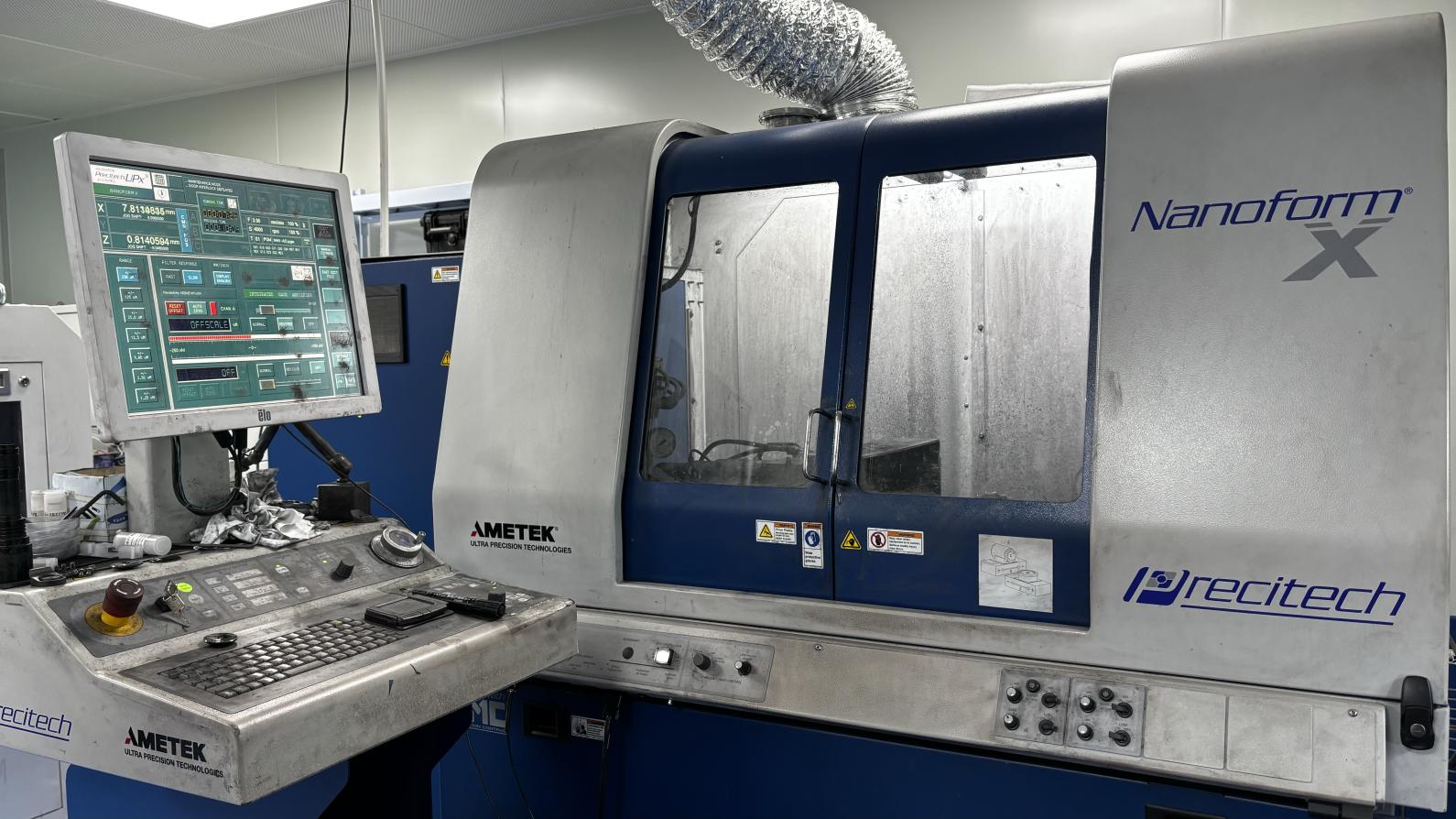
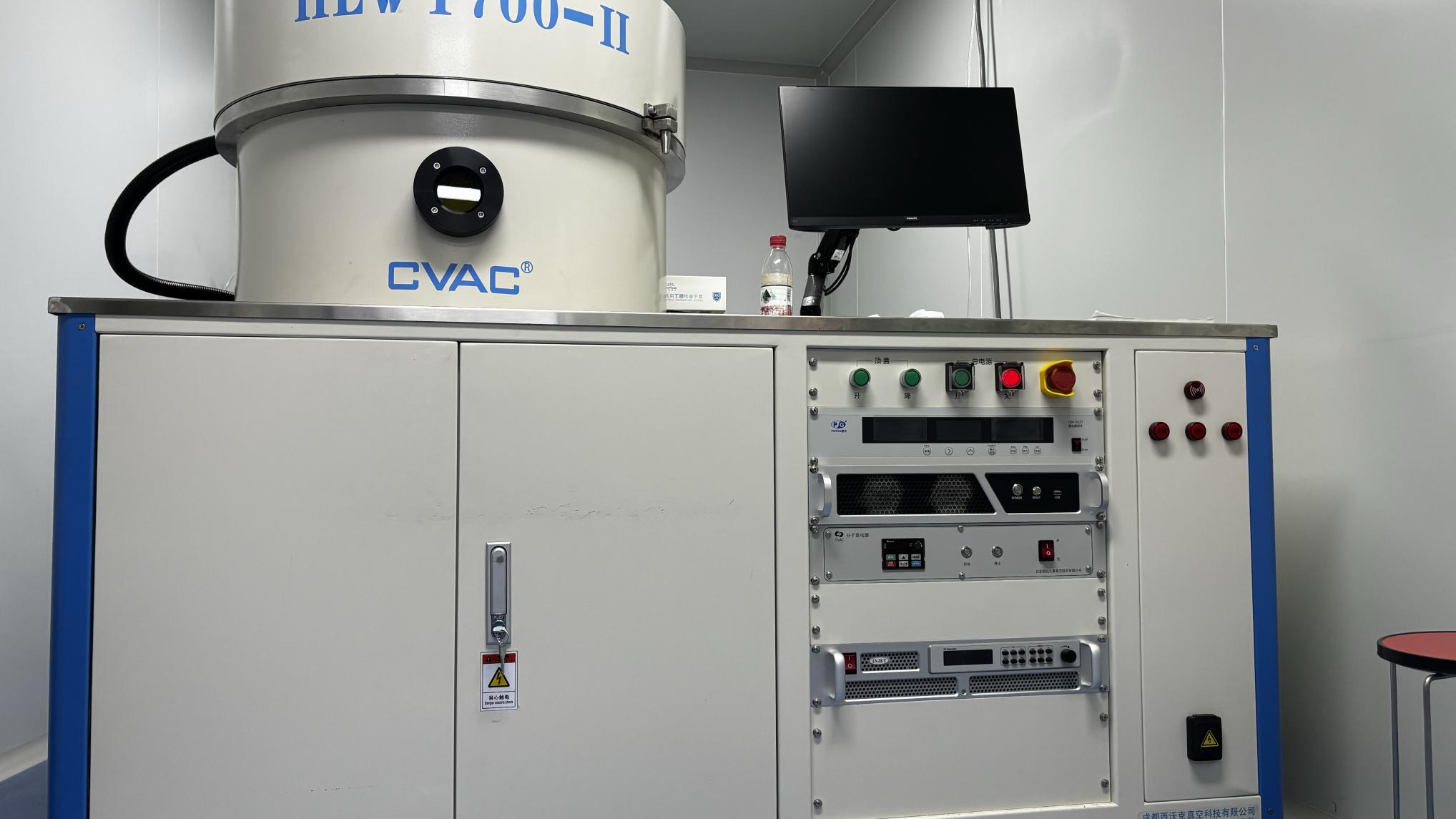
China remains the global epicenter for electronics manufacturing, not just because of labor cost efficiencies, but due to the unparalleled density of the component supply chain. Within a 100-kilometer radius of our production hubs, we have access to specialized copper alloy refiners, precision plastic injection molders, high-speed stamping facilities, and advanced electroplating providers. This localized ecosystem allows FiddlLink to accelerate the prototyping phase for custom OEM/ODM designs from months to weeks.
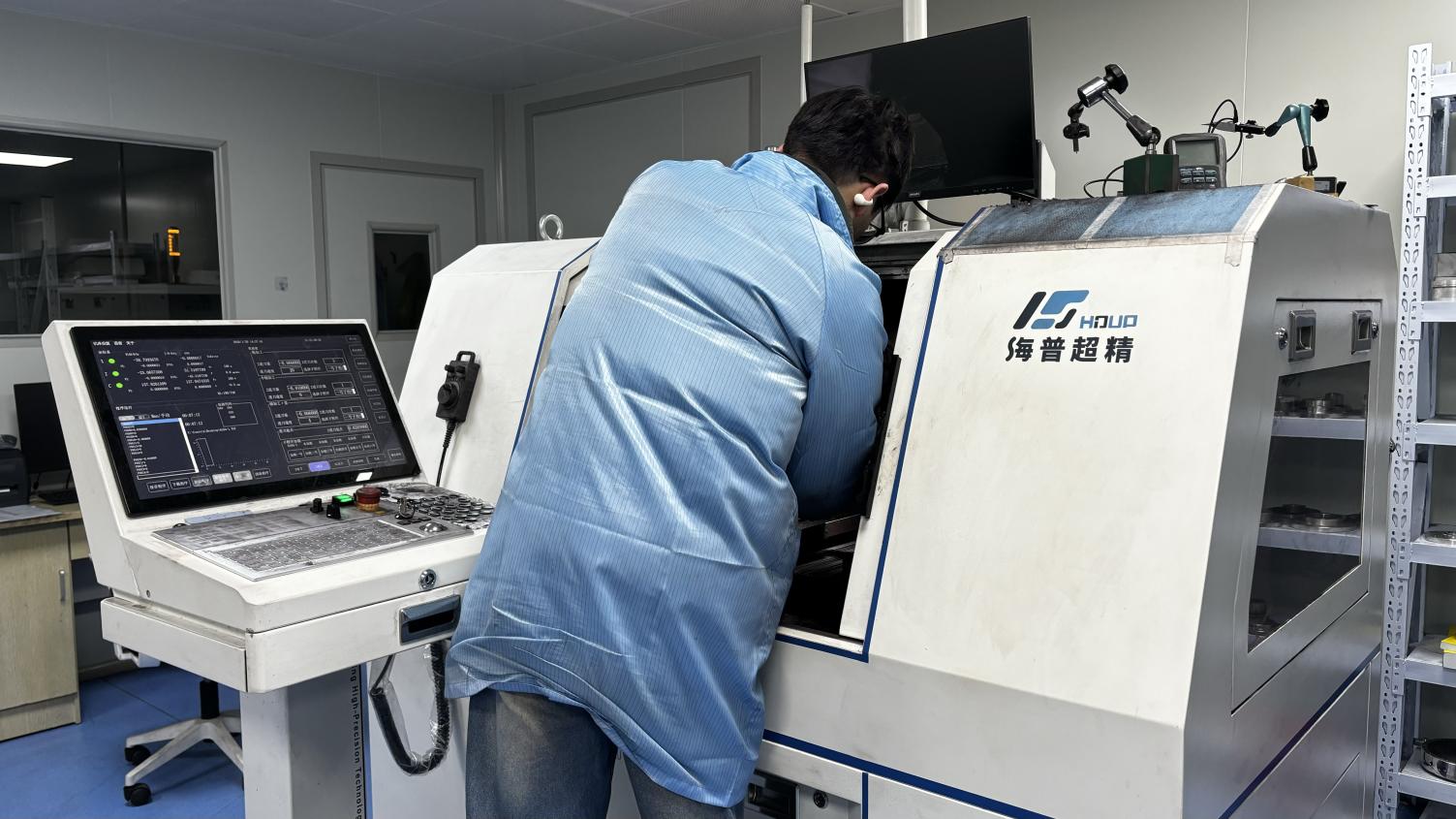
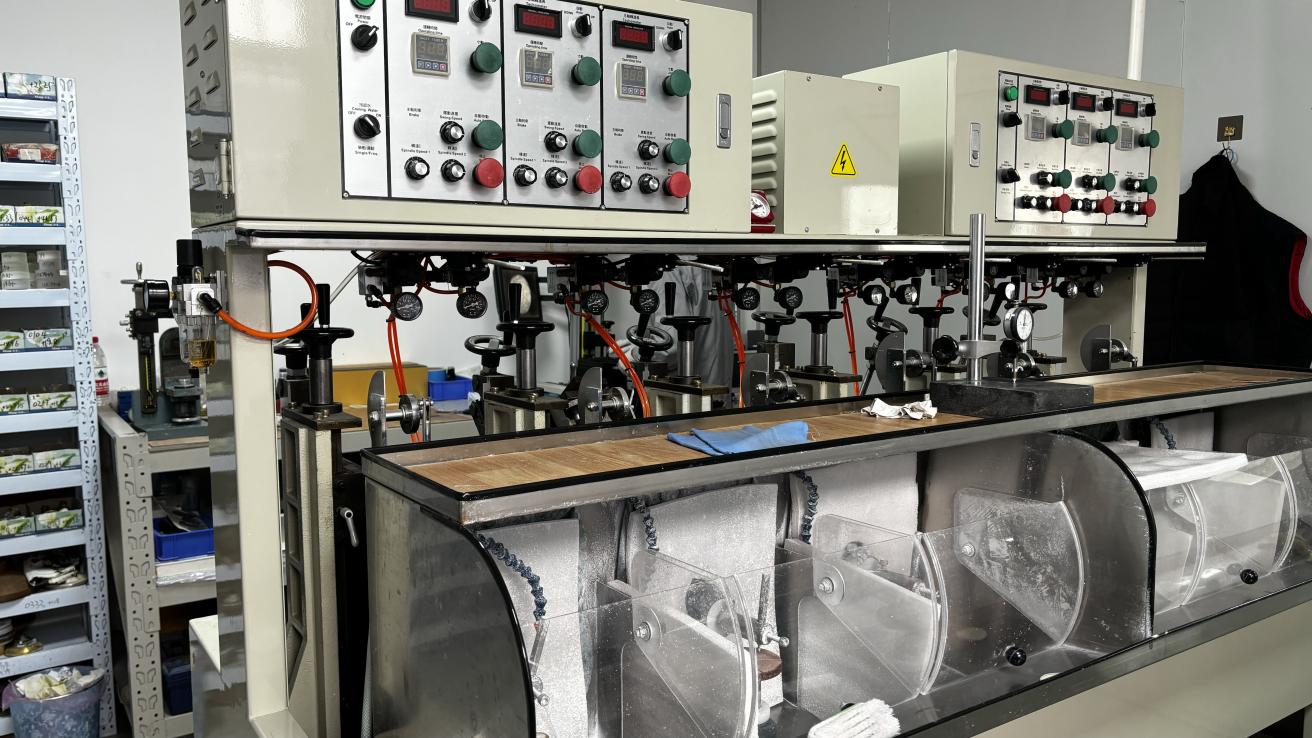
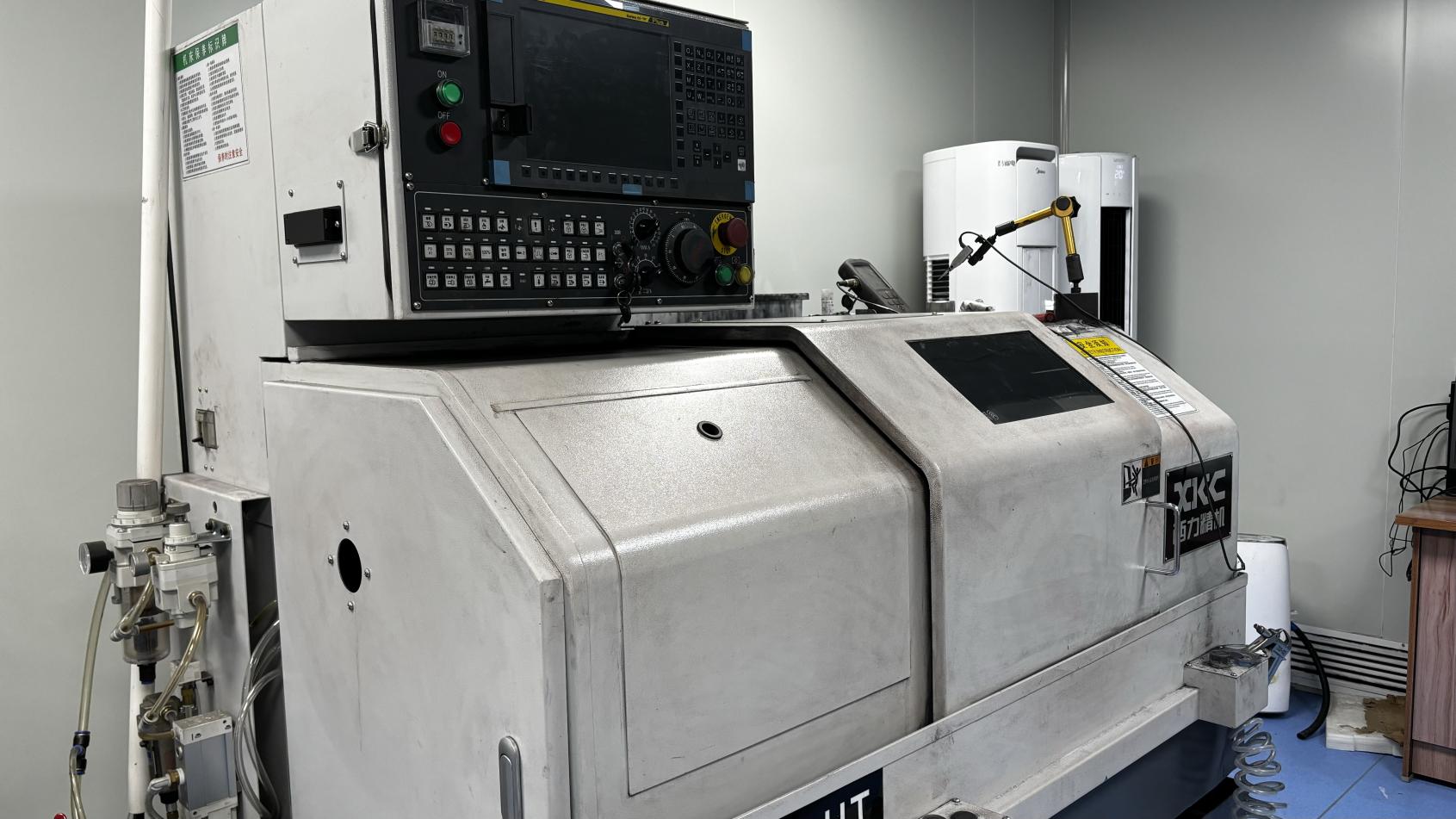
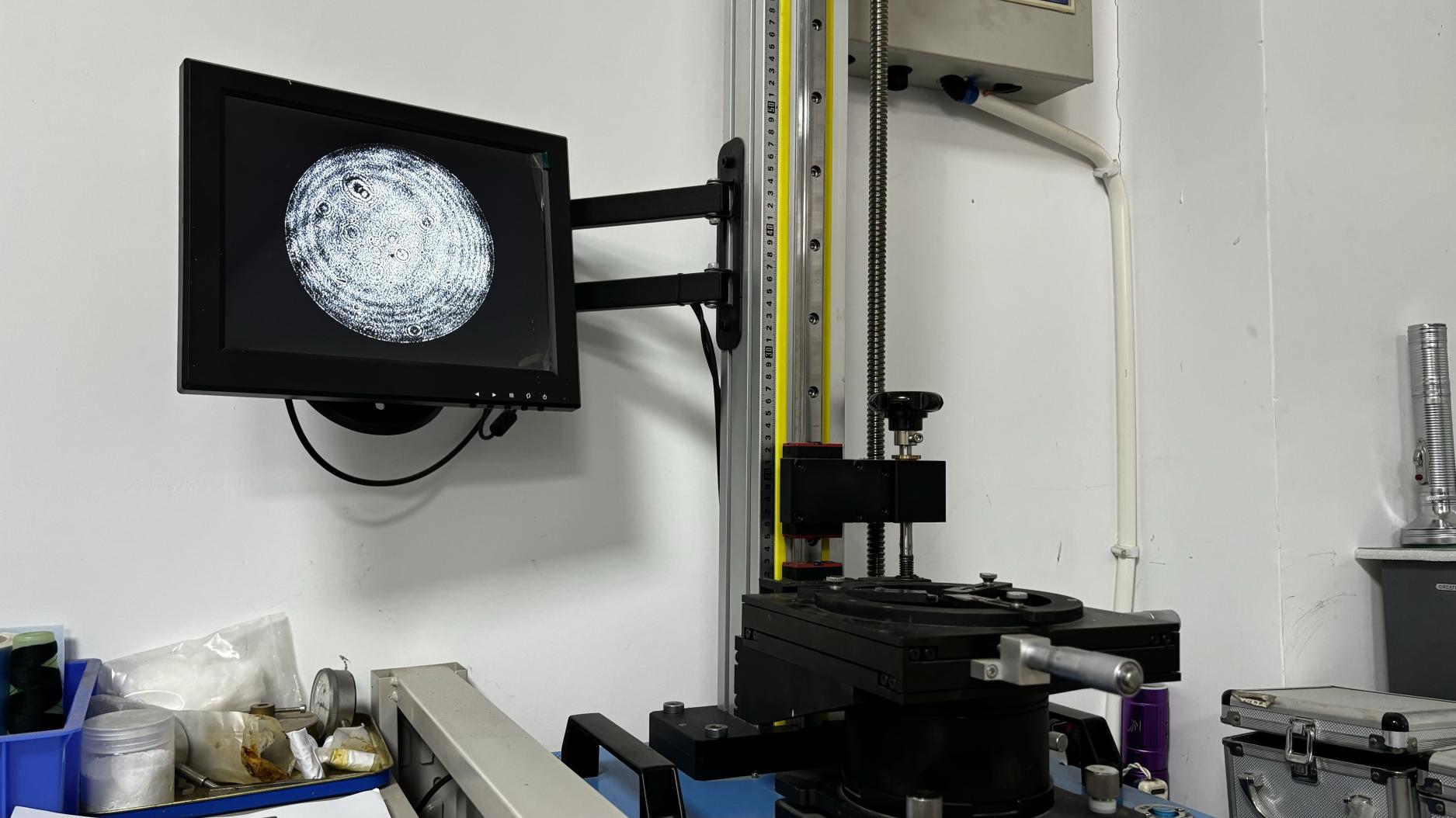
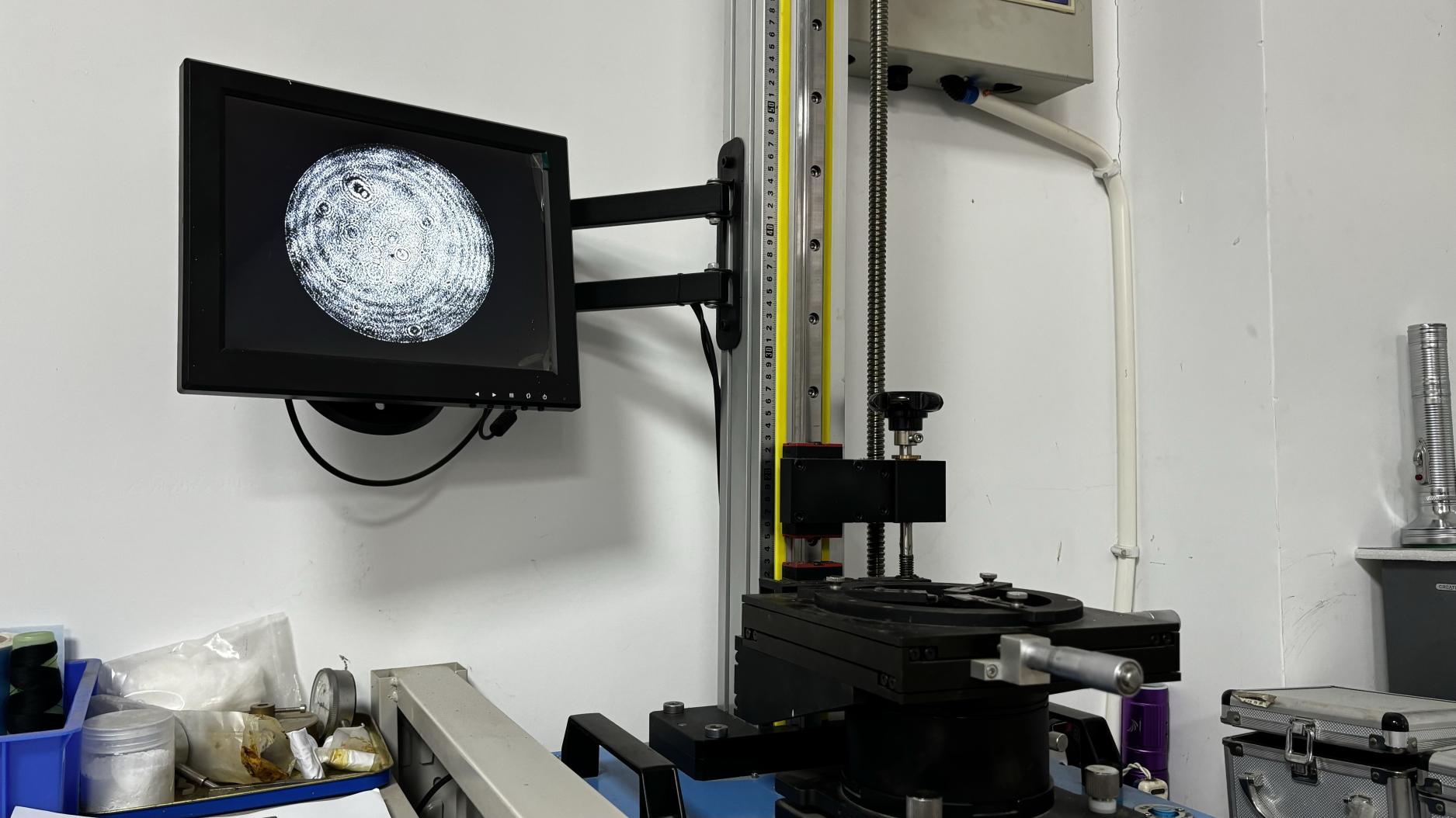
FiddlLink's modern manufacturing facility is optimized for precision assembly and testing. By integrating advanced automation with manual expertise, we maintain a highly flexible production line capable of handling both high-volume standard runs and low-volume, high-mix custom orders. Our R&D team of 126 experienced engineers continuously pushes the boundaries of interconnect technology, launching 186 new products in the past year alone to keep pace with industry standards.








Navigating regional regulatory frameworks and providing localized engineering support for seamless integration.
Our manufacturing processes are fully compliant with environmental directives including RoHS (Restriction of Hazardous Substances) and REACH. We ensure that all materials used are halogen-free and flame-retardant (UL 94V-0 rated).
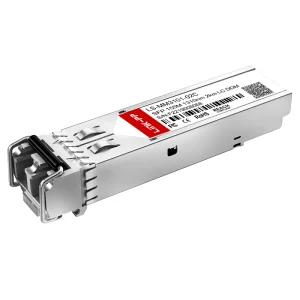
Optical transceivers must be programmed to interface with host switches from different vendors (Cisco, Juniper, Arista, etc.). FiddlLink provides customized firmware configuration and compatibility coding to ensure plug-and-play operation.
We offer dedicated technical support teams for our primary markets in North America, Europe, and Asia. This minimizes time-zone friction and ensures rapid resolution of engineering queries during the design-in phase.
Where high-density Mini RJ45 connectors and optical modules drive performance in real-world deployments.
In high-density top-of-rack (ToR) switches and patch panels, space is at a premium. Mini RJ45 connectors enable double the port density, allowing data center operators to maximize bandwidth per rack unit and optimize cabling pathways.
Factory floors are electrically noisy and physically harsh. Ruggedized, shielded Mini RJ45 connectors with integrated magnetics provide the necessary noise immunity and mechanical stability for PLCs, industrial PCs, and robotic controllers.
5G base stations and edge nodes require compact, weather-proof, and high-temperature resistant interconnects. Our specialized waterproof RJ45 and optical transceiver modules are designed to operate reliably in outdoor and unconditioned environments.
Staying ahead of the technology curve: What's next for physical layer networking?
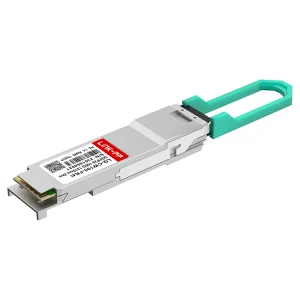
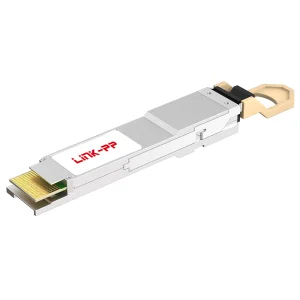
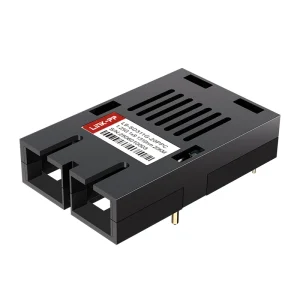
As AI and machine learning workloads surge, data centers are rapidly transitioning from 100G/400G architectures to 800G and 1.6T. This shift requires optical transceivers with advanced modulation schemes (such as PAM4 and Coherent optics) and highly optimized physical interfaces to minimize insertion loss and power consumption.
To overcome the physical limitations of traditional pluggable transceivers, the industry is moving towards Co-Packaged Optics, where the optical engine is integrated directly onto the switch silicon substrate. In parallel, copper interfaces continue to shrink, with Mini RJ45 and Single Pair Ethernet (SPE) leading the way for localized device connectivity.
Modern enterprise networks require real-time visibility into the physical layer. Future Mini RJ45 systems and optical modules will increasingly feature embedded microcontrollers and sensors to monitor link quality, temperature, and cable insertion cycles, enabling predictive maintenance and reducing network downtime.
Technical and logistical insights for procurement managers and hardware engineers.
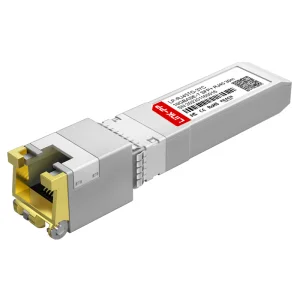
Explore our comprehensive range of telecom magnetics, modular jacks, and legacy optical transceivers.