FiddlLink
FiddlLink
FiddlLink
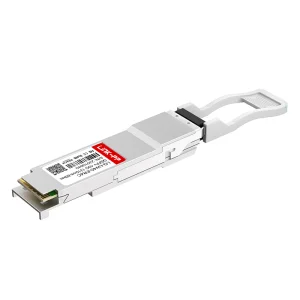
High-frequency EMI shielded modules, optical cages, and multi-port high-density interface components directly from our manufacturing hub.
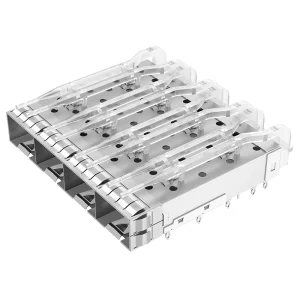
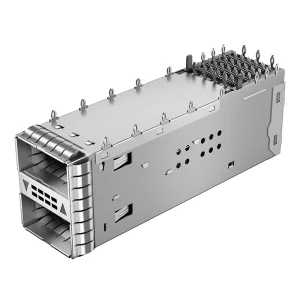
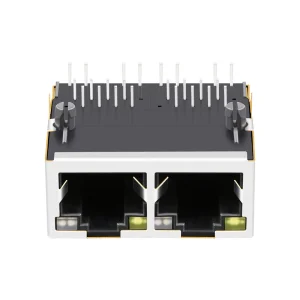
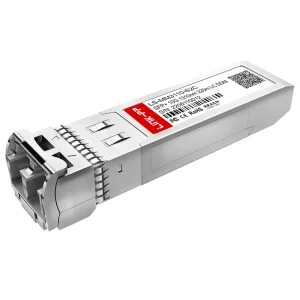
In an era defined by miniaturization, extreme bandwidth density, and rigid-flex board integration, Flexible Printed Circuit (FPC) connectors and Flexible Flat Cable (FFC) connectors serve as the central neural pathways for modern electronic architectures. As a premier China Wholesale FPC Connector Manufacturer & Exporter, our manufacturing paradigm blends precision toolmaking, automated Surface Mount Technology (SMT), and stringent electromagnetic compatibility (EMC) engineering to meet the exacting requirements of global Tier-1 OEMs, System Integrators, and Electronic Manufacturing Services (EMS) providers.
FPC connectors facilitate direct electrical connectivity between printed circuit boards (PCBs) and flexible substrates. By replacing cumbersome wire harnesses with ultra-thin, lightweight, and mechanically compliant flex circuits, global design engineers achieve significant reductions in volumetric payload—often shrinking physical interconnect envelopes by up to 70% while improving signal integrity at microwave frequencies.
The strategic migration toward Chinese manufacturing for wholesale FPC/FFC procurement is driven by unmatched supply chain elasticity, comprehensive vertical integration, and aggressive continuous improvement in precision stamping and micro-injection molding. From consumer smartphones and high-density optical transceivers to autonomous vehicle lidar units and medical diagnostics, Chinese FPC connector suppliers provide the optimal nexus of cost-efficiency, technical compliance, and rapid prototyping capabilities.
Understanding the structural, mechanical, and electrical distinctions across industrial-grade flex circuit connectors is vital for optimizing PCB real estate and long-term joint reliability.
ZIF connectors utilize a mechanical actuator—such as a flip-lock, back-flip, or slider mechanism—that allows the FPC cable to be inserted with zero mechanical friction against the gold-plated contacts. Once engaged, the actuator exerts uniform normal force across all pins, eliminating contact wipe abrasion, preventing tin-whiskering, and guaranteeing over 500 to 10,000 mating cycles under harsh vibration.
Designed for cost-sensitive, high-volume automated production lines, Non-ZIF/LIF connectors rely on engineered friction-fit beam spring contacts. The flexible tail is directly inserted into the housing slot, engaging the internal beam. Non-ZIF configurations drastically reduce component footprint size and assembly step times for static applications like LED backlighting and static sensor bridges.
Modern micro-electronics demand board space optimization. Our dual-contact designs feature upper and lower beam contact points within a single housing cavity, enabling engineers to route traces without worrying about top vs. bottom contact orientation. Profile stack heights range from an ultra-thin 0.50mm up to 2.0mm to accommodate ultra-compact mobile and wearable enclosures.
| Pitch Size (mm) | Pin Range | Actuator Type | Rated Current / Voltage | Contact Resistance | Target Applications |
|---|---|---|---|---|---|
| 0.20mm / 0.25mm | 10 - 81 Pins | Back-Flip / Front-Lock | 0.2A / 30V AC/DC | ≤ 80 mΩ | Foldable OLEDs, AR/VR Smart Glasses, Micro-Sensors |
| 0.30mm | 11 - 91 Pins | Flip-Lock / Dual-Contact | 0.3A / 30V AC/DC | ≤ 60 mΩ | High-Density Optical Transceivers, Smartwatches |
| 0.50mm | 4 - 80 Pins | ZIF / Vertical / Right Angle | 0.5A / 50V AC/DC | ≤ 30 mΩ | Automotive Dashboards, Medical Displays, Laptops |
| 1.00mm | 3 - 40 Pins | Slide-Lock / Push-Pull | 1.0A / 125V AC/DC | ≤ 20 mΩ | Industrial Automation, Robotics, Power Supplies |
As electronic systems push signal speeds past 28 Gbps NRZ and 56G/112G PAM4 standards, traditional flex connector interfaces face severe high-frequency signal integrity challenges, including insertion loss, skew, cross-talk, and impedance mismatching. Our forward-looking engineering roadmap addresses these next-generation boundaries through groundbreaking metallurgical, polymer dielectric, and shield design innovations.
By optimizing contact pin geometry and implementing liquid crystal polymer (LCP) insulators with dielectric constants ($D_k$) below 3.0, our high-speed FPC connectors maintain tightly controlled 85-ohm and 100-ohm differential impedance. This enables flawless data transmission for PCIe Gen 5/6, USB4, Thunderbolt 4, and 400G/800G optical architecture interfaces.
High-density packaging in 5G smartphones, drone telemetry, and optical transceivers subjects micro-interconnects to intense electromagnetic interference (EMI). Our next-gen FPC connectors incorporate integrated metal grounding tabs and continuous 360-degree copper alloy shielding cages, driving near-end crosstalk (NEXT) below -40 dB at 20 GHz.
Our OEM/ODM FPC interconnect solutions are custom-engineered to solve strict environmental, space, and signal challenges across key global industries.
Certified to IATF 16949 standards, our automotive FPC connectors feature robust secondary strain relief locks (TPA/CPA), engineered specifically for EV battery cell management systems, digital dashboards, HUDs, radar, and LiDAR modules exposed to prolonged mechanical shock and vibration.
Providing ultra-low profile stack heights down to 0.50mm, these connectors enable seamless ribbon cable routing in space-constrained wearables, smartphones, foldable tablets, TWS earbuds, and digital cameras requiring frequent flexure without contact degradation.
Interfacing optical transceivers, network switches, and server blades. Our high-frequency SMT micro connectors preserve signal integrity across 100G, 400G, and 800G network architectures while providing high thermal endurance during reflow soldering.
Bio-compatible, corrosion-resistant gold plating (up to 30u") ensures flawless signal reliability in patient monitor leads, ultrasound probes, endoscopes, and implantable sensor interfaces where signal loss is not an option.
Heavy-duty ZIF connectors featuring high contact retention forces designed for robotic arm control lines, human-machine interfaces (HMI), PLC modules, and high-resolution industrial vision cameras operating in oily, dusty factory environments.
Lightweight, low-outgassing insulator materials compliant with NASA and ESA standards, offering reliable high-density inter-module wiring for satellite payloads, drone flight controllers, and rugged military avionics displays.
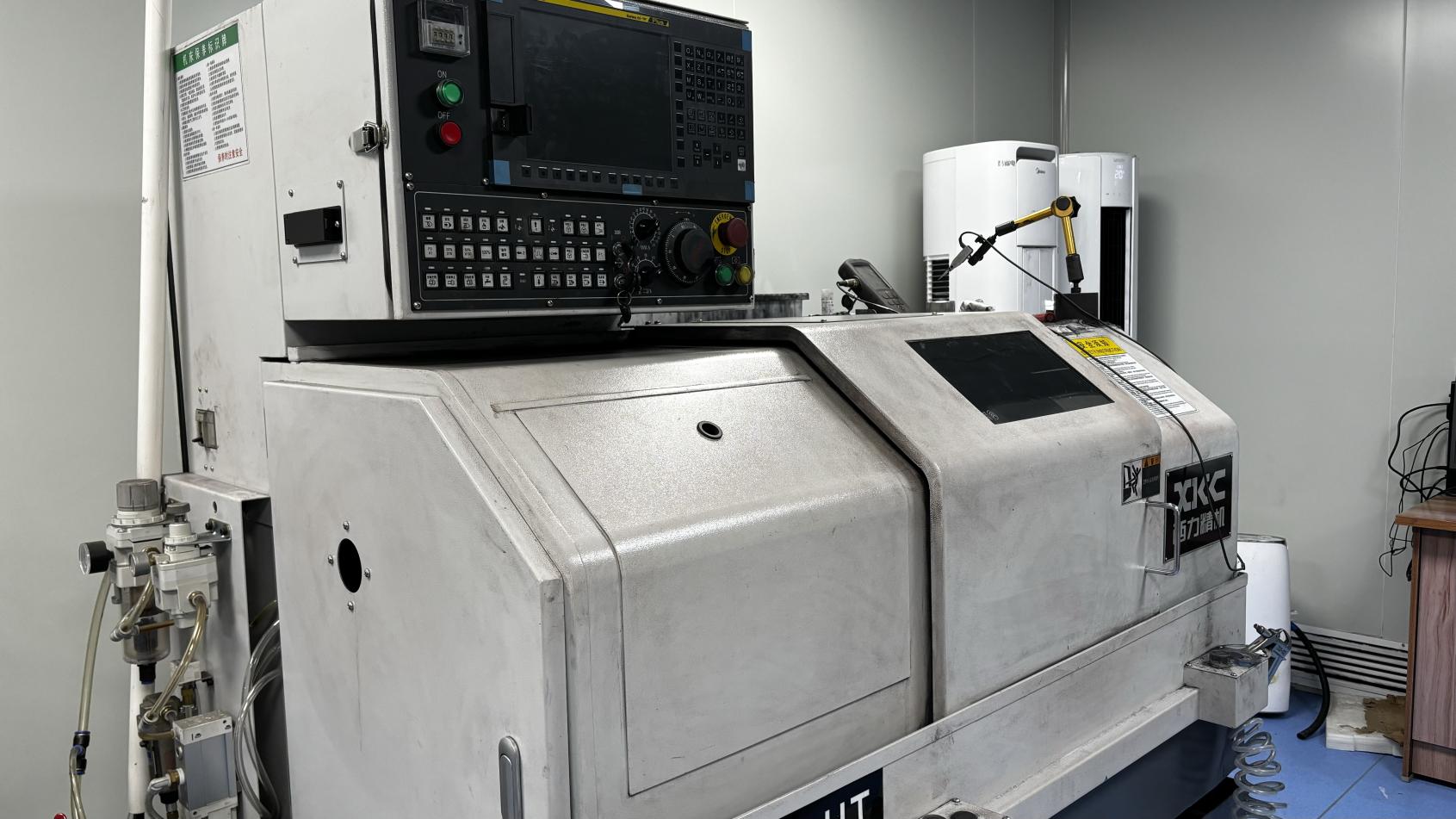
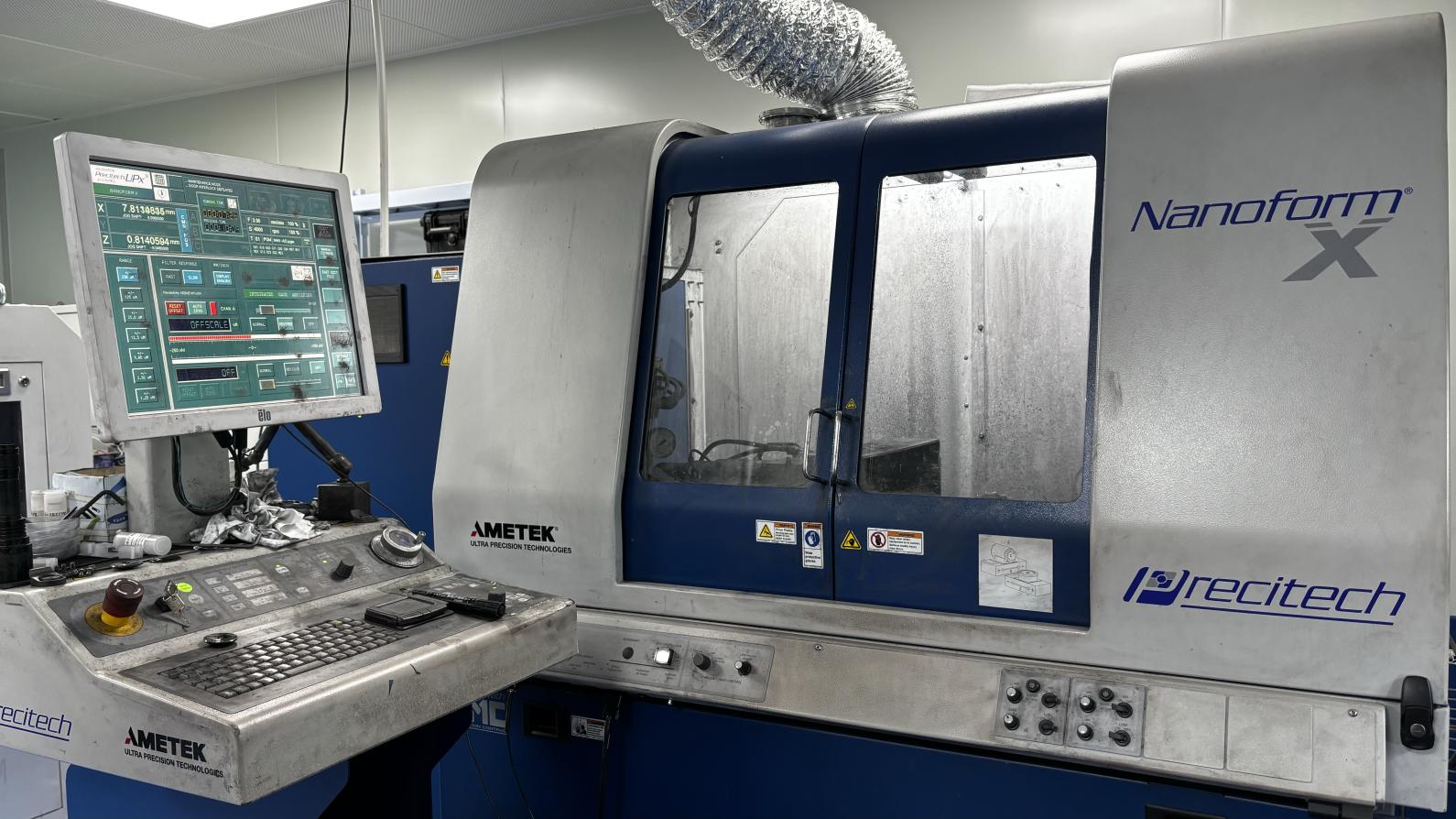
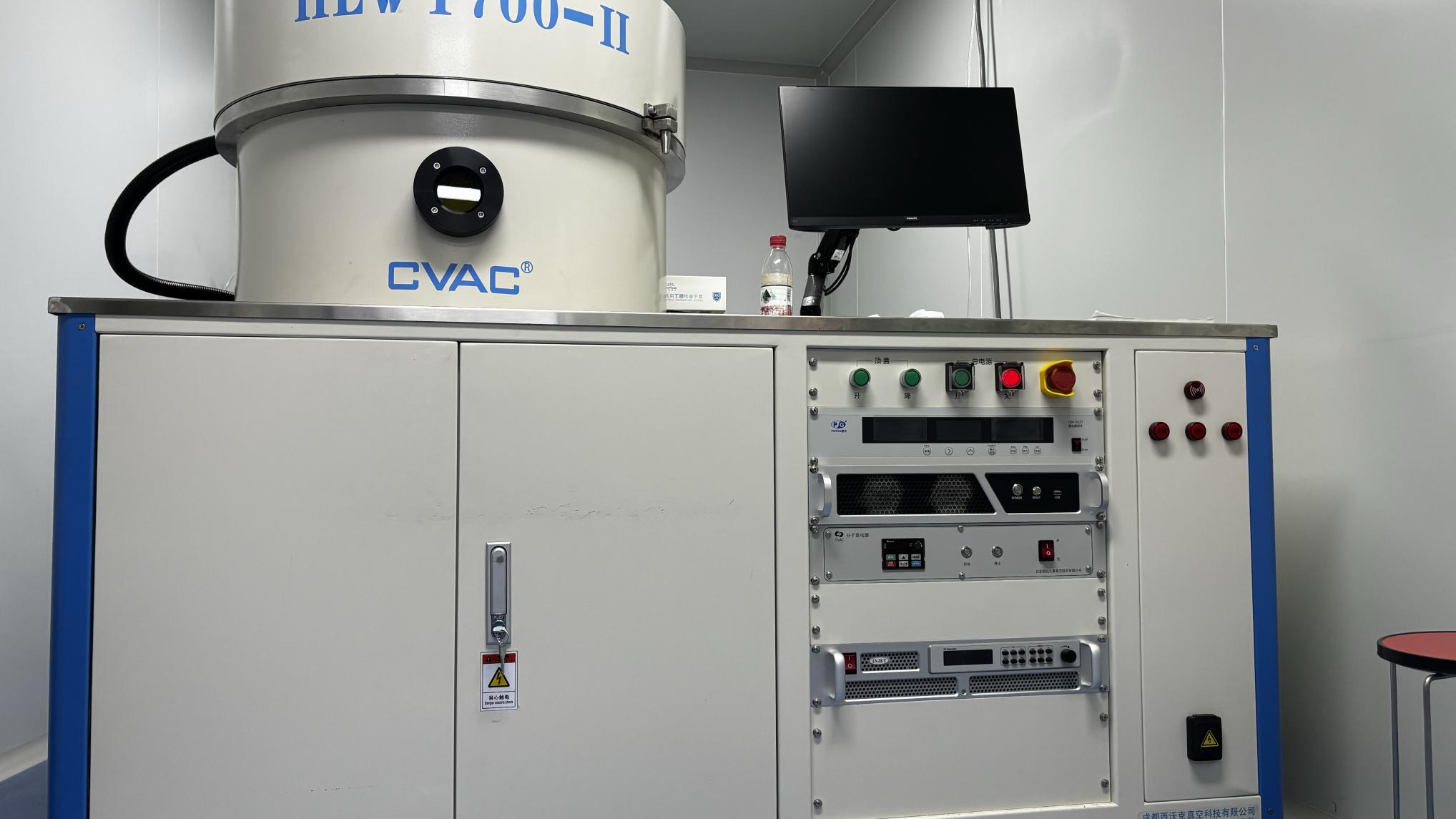
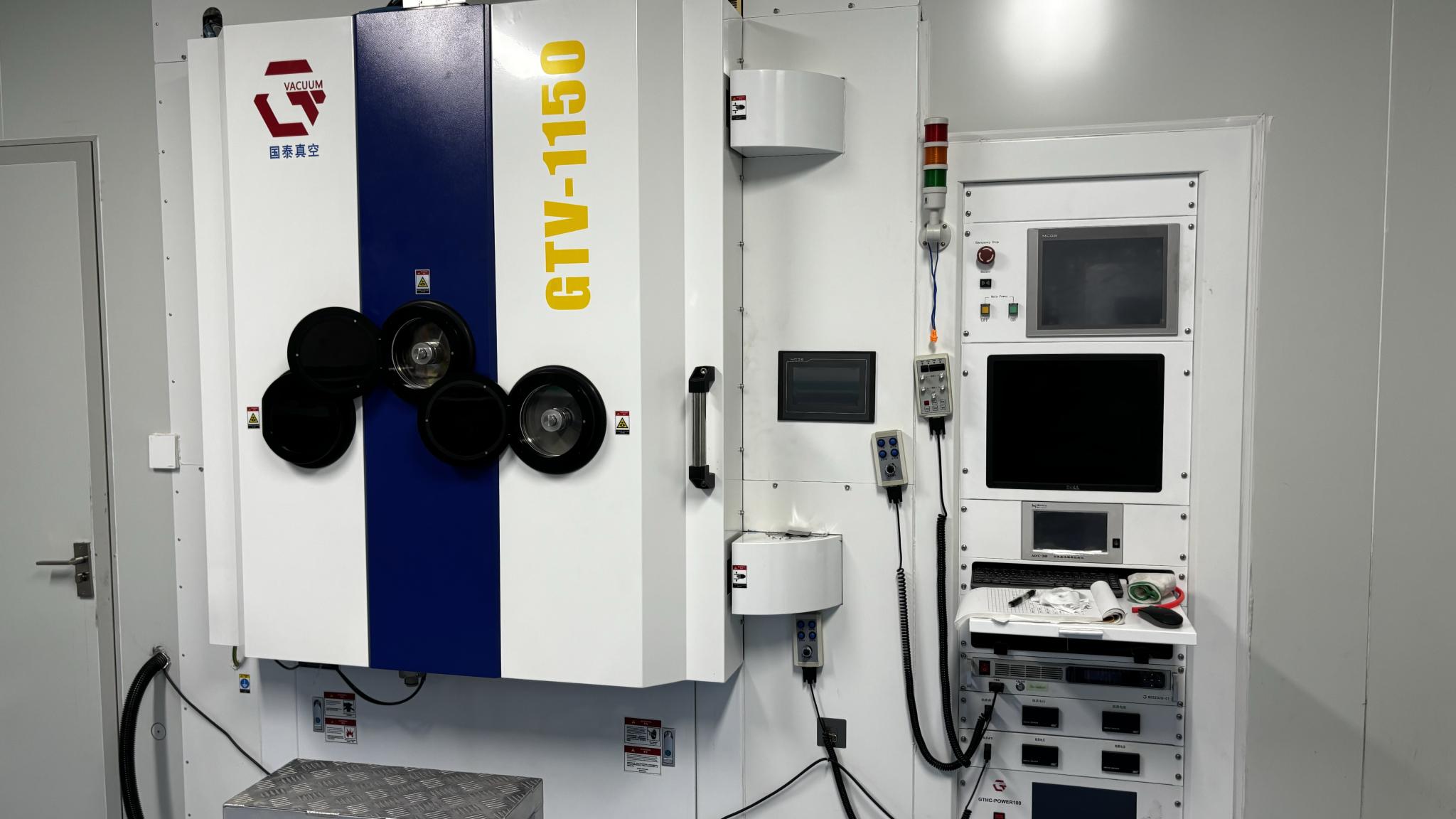
China’s modern connector manufacturing ecosystem has evolved from high-volume assembly into high-precision, automated Industry 4.0 Smart Factories. Operating within the world's dense electronics cluster in Guangdong, our production facilities utilize fully integrated automated lines—from ultra-high-speed terminal stamping and micro-injection molding to CCD optical inspection and reel-to-reel tape packing.
Our press rooms feature Swiss and Japanese high-speed stamping presses capable of producing terminal pin pitches down to 0.20mm with dimensional tolerances within ±0.005mm. High-performance phosphor bronze and beryllium copper alloys are micro-stamped to guarantee consistent normal force over thousands of insertion cycles.
To achieve near-zero PPM defect rates, 100% of our FPC connector lines pass through high-resolution 3D CCD vision systems. These systems verify pin coplanarity (≤0.08mm limit), insulator gap uniformities, actuator lock positioning, and housing geometry before final automated reel packaging.
By controlling all core processes under one roof—tool design, high-precision stamping, plastic molding, selective gold/tin plating, and automated assembly—we offer global enterprise buyers significantly reduced lead times (samples in 3–5 days, mass production in 2 weeks) alongside substantial Total Cost of Ownership (TCO) savings compared to Western OEM suppliers.
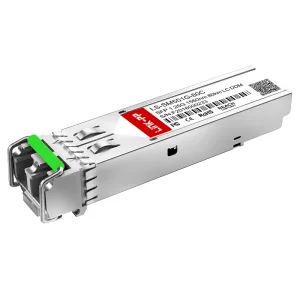
Integrating state-of-the-art optical transceiver production with precision connector engineering. FiddlLink Optical Technology Co., Ltd. delivers high-reliability hardware to telecommunications and data center leaders worldwide.
FiddlLink Optical Technology Co., Ltd. is a professional manufacturer and supplier of high-performance optical transceivers, FPC/micro-interconnect components, and fiber optic communication solutions. Established in 2016, the company specializes in the research, development, production, and global distribution of networking products for data centers, telecommunications networks, enterprise infrastructure, and cloud computing applications.
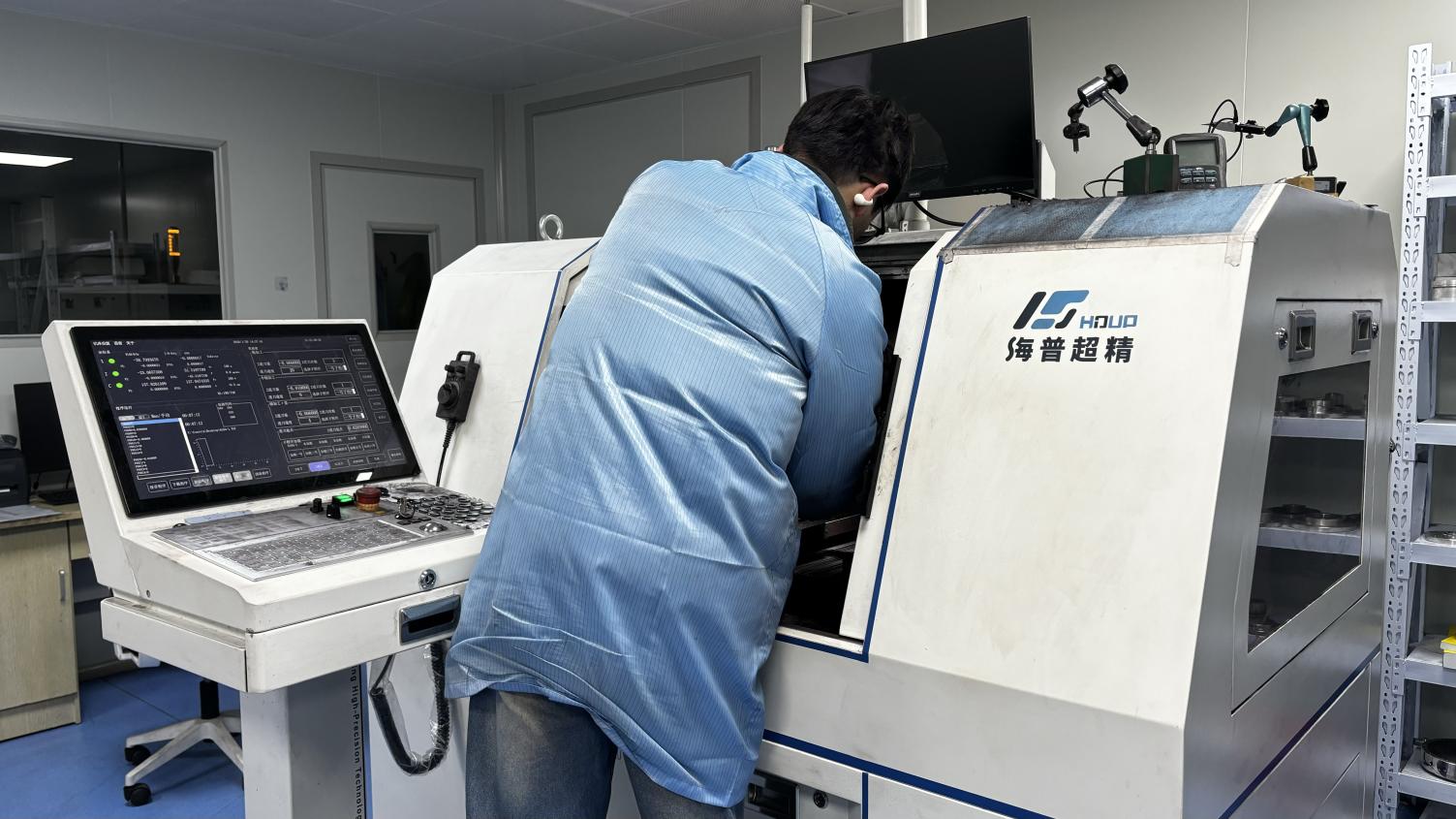
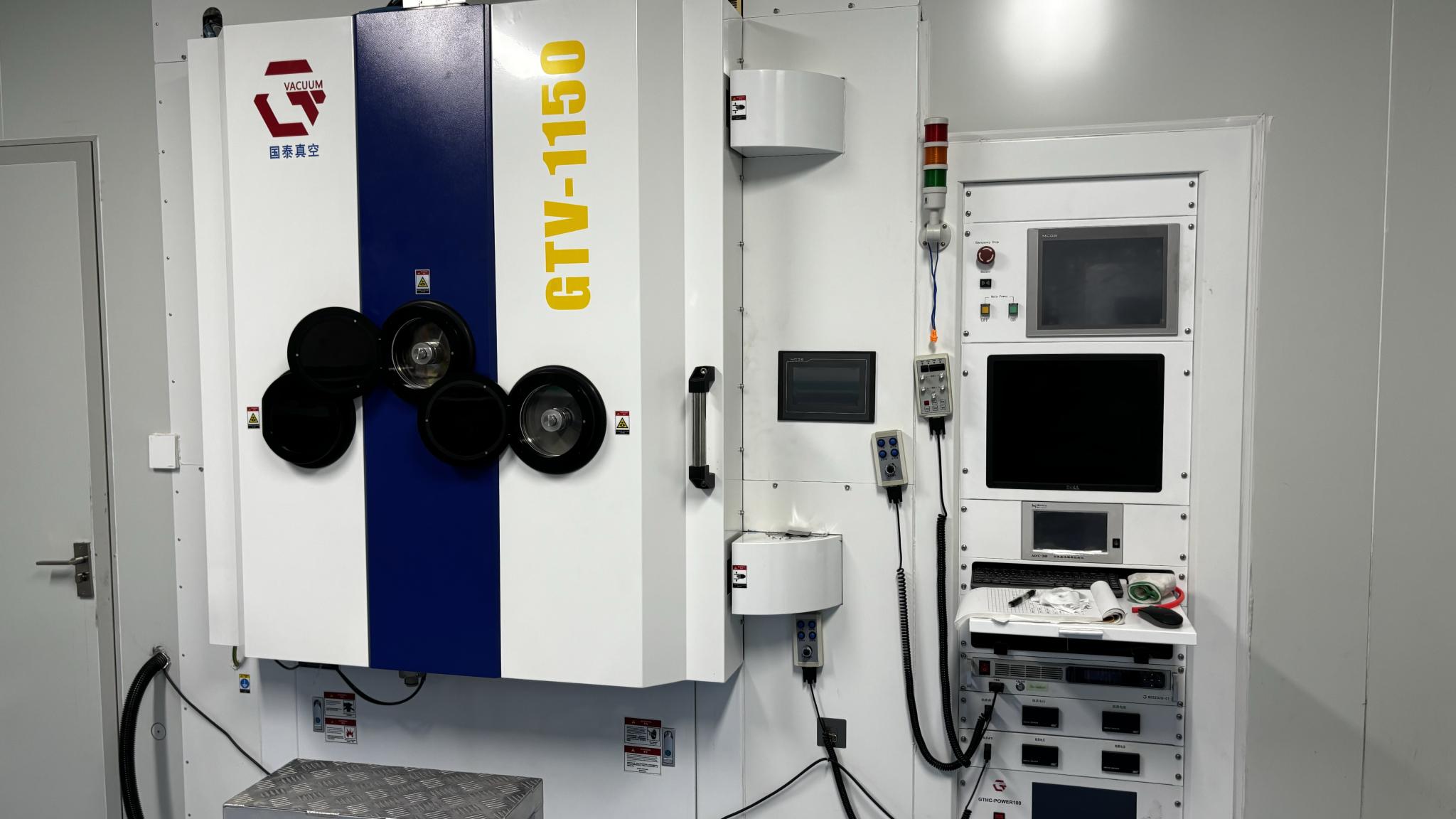
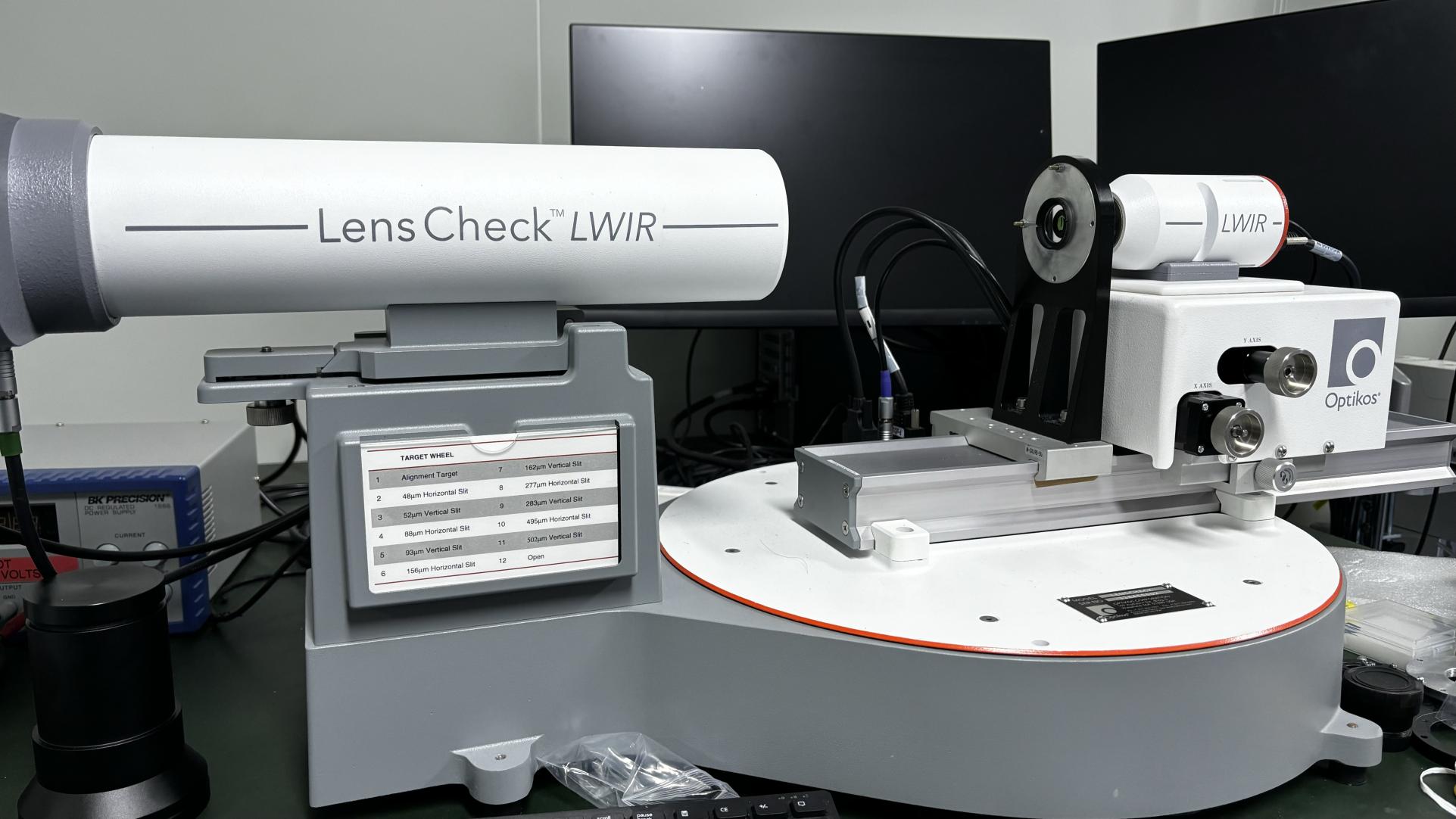
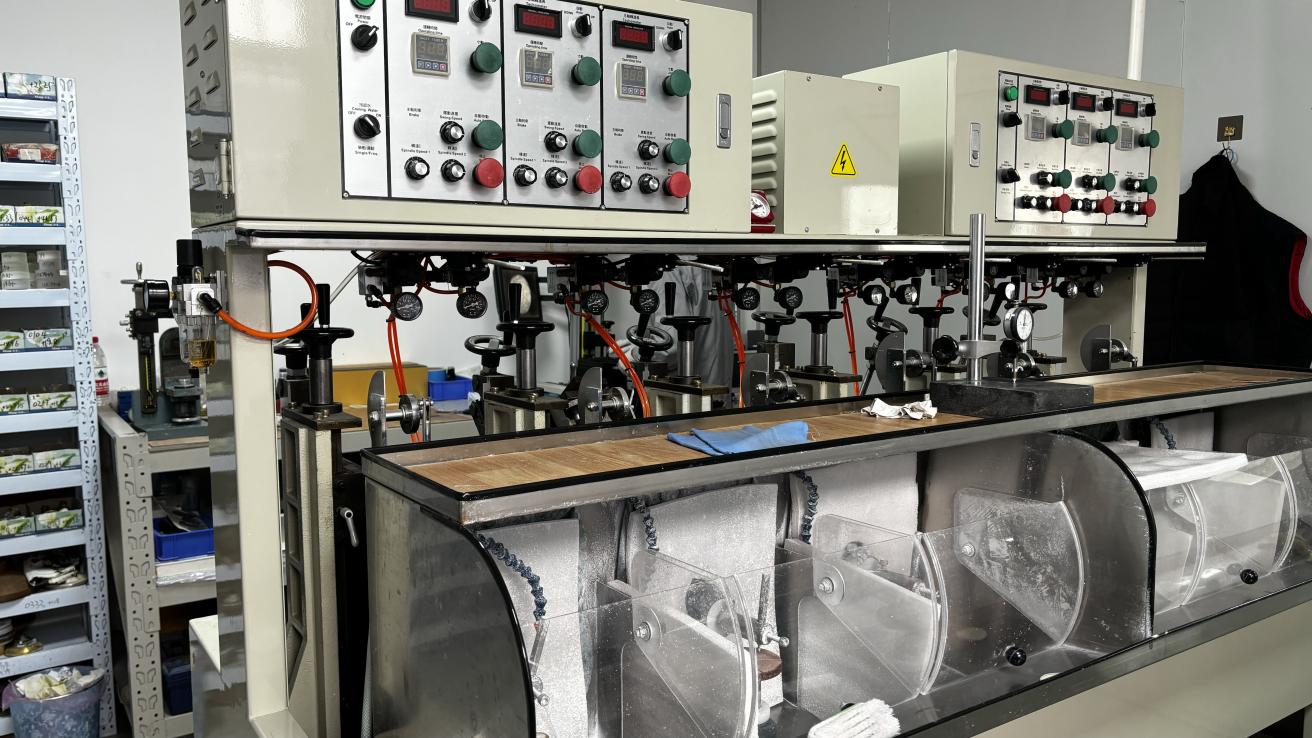
Our modern manufacturing facility covers an area of 380 square meters and is equipped with advanced production and testing equipment to ensure consistent product quality and reliable performance. With over 12 years of industry experience and 8 years of export experience, FiddlLink has built a strong reputation among customers worldwide for delivering innovative, cost-effective, and dependable communication hardware.
The company generates an annual export revenue of approximately USD 18 million and serves customers across North America, Europe, Southeast Asia, the Middle East, and South America. Our extensive supply chain network includes more than 850 strategic partners, enabling us to maintain stable production capacity and efficient delivery schedules.
Quality is at the core of everything we do. FiddlLink operates a comprehensive quality management system supported by 42 professional quality control personnel. Every product undergoes rigorous inspections, including incoming material inspection, production process monitoring, performance testing, environmental reliability testing, and final product verification before shipment.
Driven by continuous technological innovation, FiddlLink maintains a strong research and development team consisting of 126 experienced engineers and technical specialists. In the past year alone, our R&D team successfully launched 186 new products covering various optical transceiver standards, connectors, and high-speed network interfaces. We offer flexible OEM and ODM services, including customized hardware design, label printing, packaging solutions, firmware configuration, compatibility programming, and custom branding support.


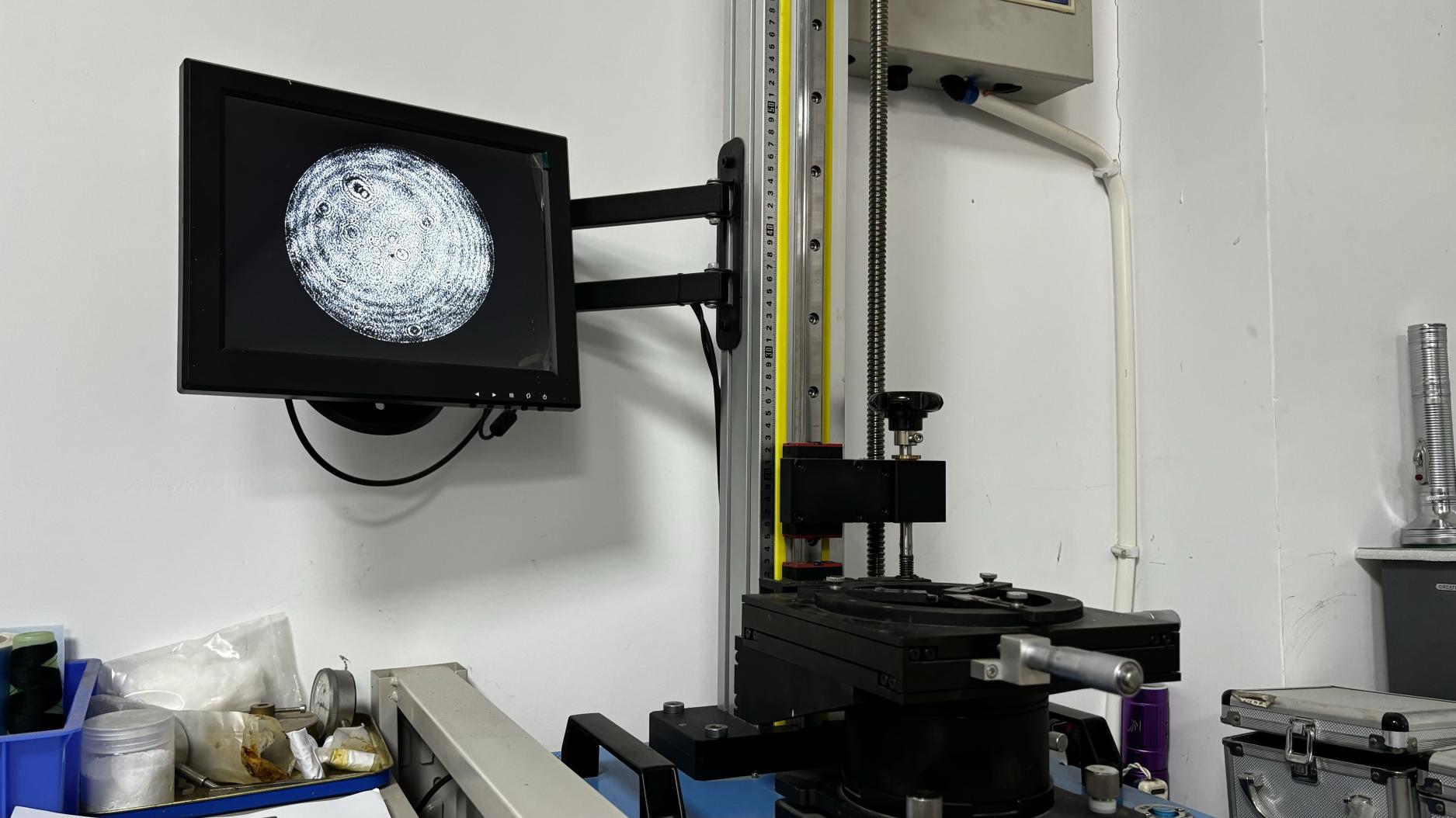
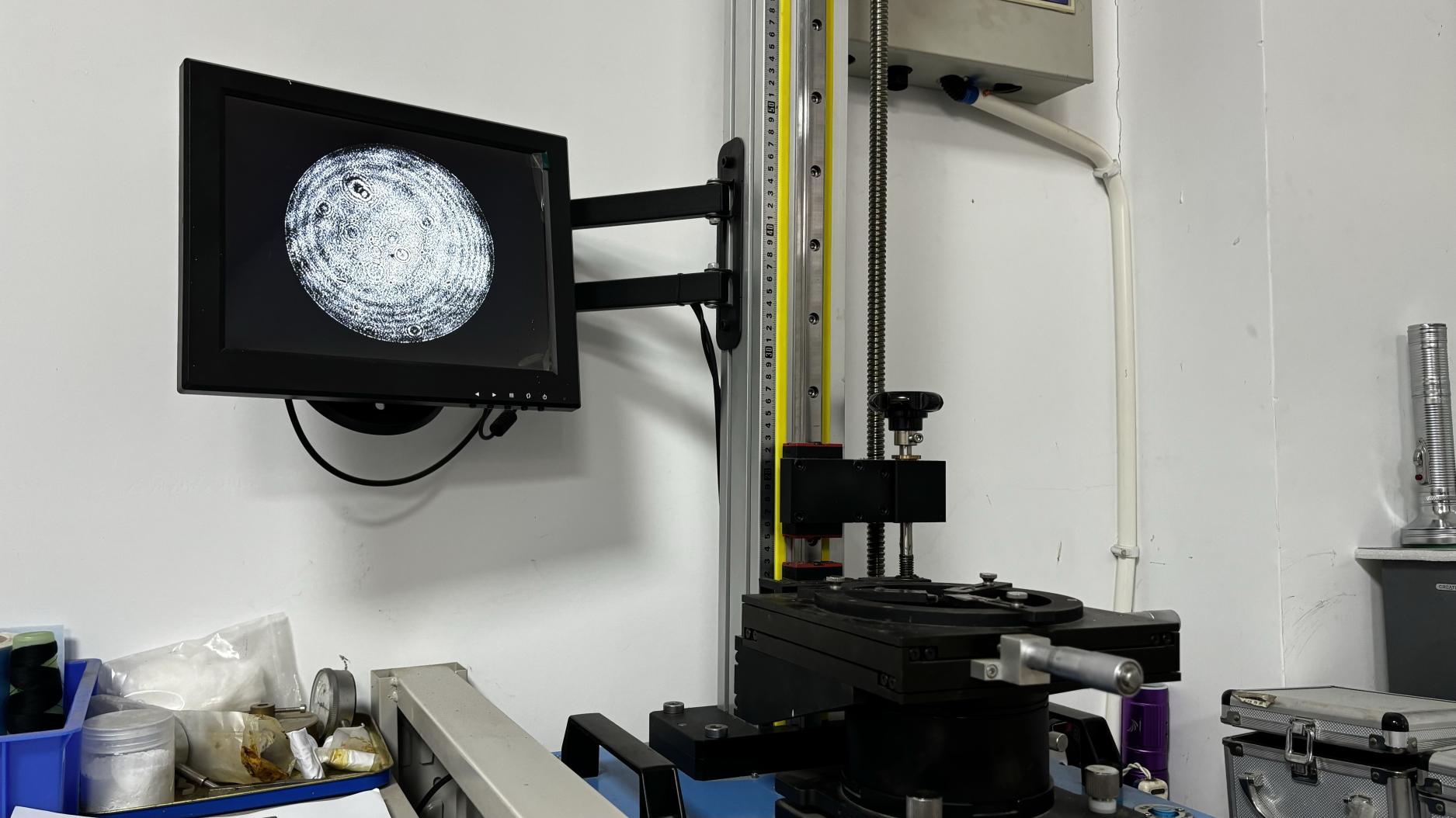
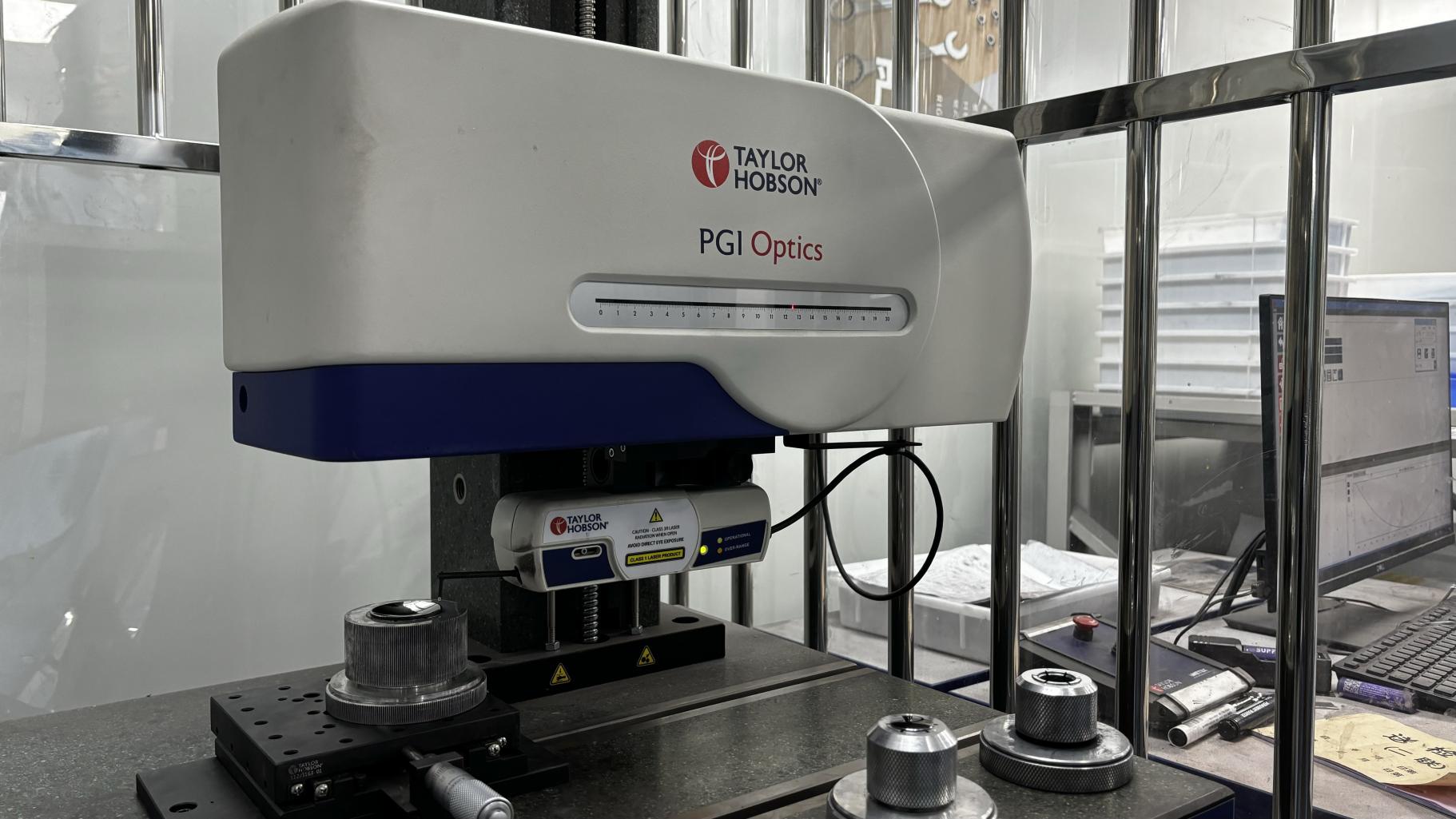

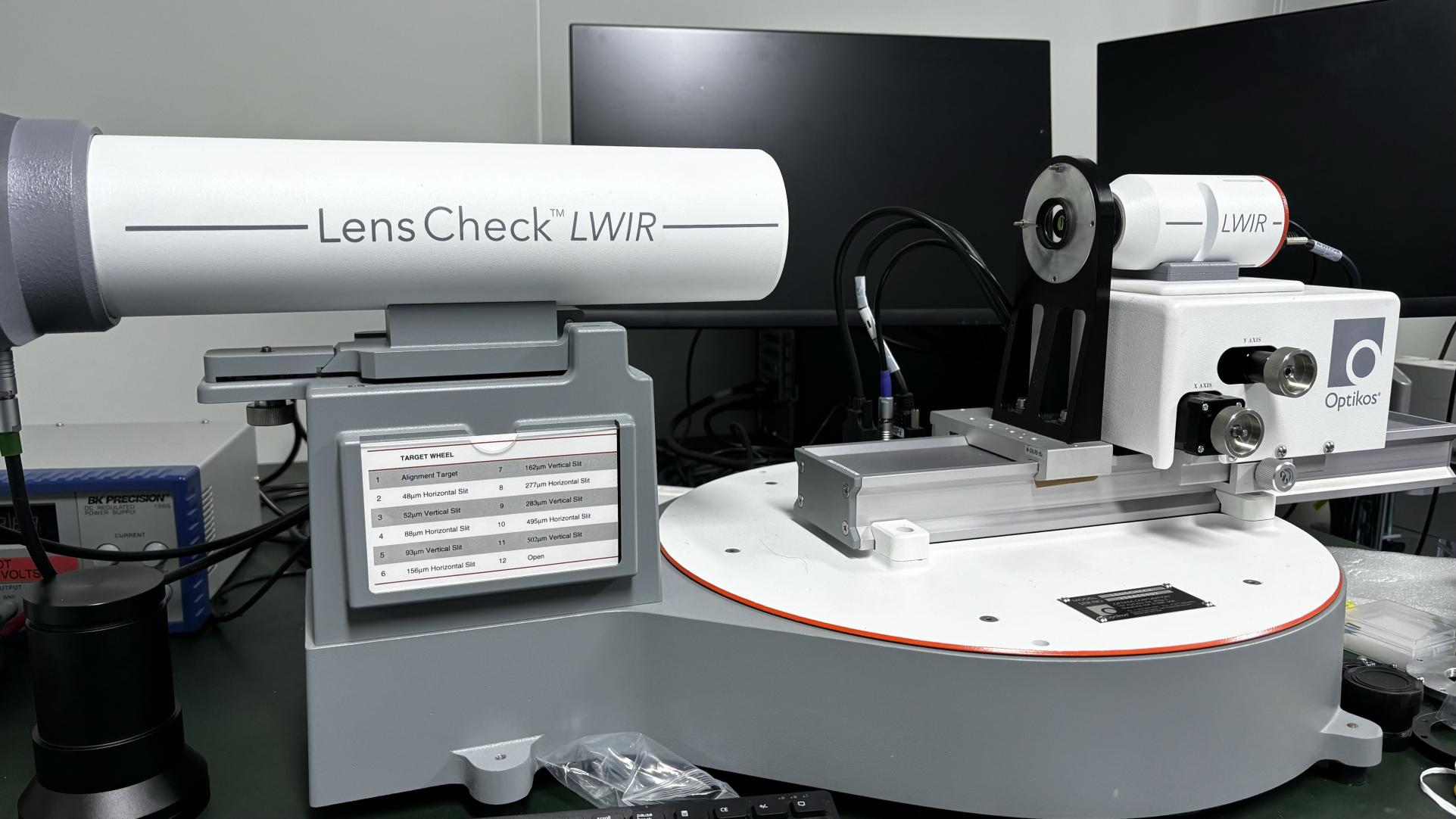

Navigating global supply chain risk requires strict adherence to international regulatory standards, robust environmental compliance, and localized technical support. As an established exporter generating $18M annually across North America, Europe, and Asia, our manufacturing operations implement a rigid quality gate framework at every stage of production.
All FPC/FFC connectors and transceivers fully comply with EU RoHS 3 (Directive 2015/863), REACH (SVHC), and Halogen-Free (IEC 61249-2-21) standards. We issue formal Certificates of Compliance (CoC) and full material disclosure reports with every shipment batch.
Connector housings are molded exclusively from high-grade Liquid Crystal Polymer (LCP) or Polypropylene Sulfide (PPS) resins rated to UL94-V0 self-extinguishing flame retardancy, guaranteeing safety compliance in enterprise server rooms and automotive cabins.
We enforce strict supply chain tracing to ensure all gold, tin, and copper used in pin contact plating are sourced 100% from Conflict-Free Smelters compliant with the Responsible Minerals Initiative (RMI) and Dodd-Frank Act Section 1502 guidelines.
Clear answers to common questions regarding FPC/FFC selection, customization options, surface mount processes, and wholesale logistics.
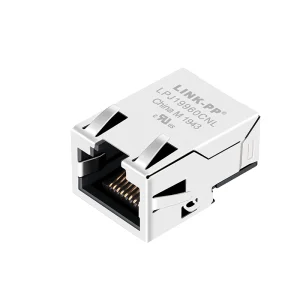
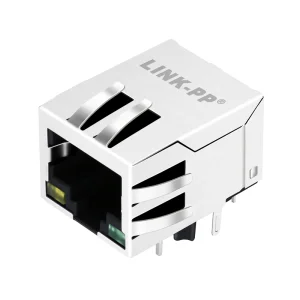
Explore additional precision optical modules, RJ45 magnetics, and specialized communication jacks engineered for high performance.