FiddlLink
FiddlLink
FiddlLink
Pre-configured for Hirschmann, Moxa, and Siemens switches deployed in Berlin metro networks and metropolitan utilities.
The Berlin-Brandenburg metropolitan region is undergoing a structural digital transformation. From the revitalization of Siemensstadt Square to the scaling of advanced smart grids managed by local utilities like Stromnetz Berlin, the demand for highly resilient, deterministic fiber connectivity is at an all-time high. In these critical environments, 155M (STM-1/OC-3) and 622M (STM-4/OC-12) optical interfaces serve as the backbone for substation automation, railway signaling, and industrial control systems (ICS).
While high-speed transceivers dominate hyperscale data centers, industrial operations in Berlin rely heavily on 155M/622M systems for their guaranteed latency profiles, long-term legacy support, and outstanding tolerance to harsh electromagnetic interference (EMI) found in traction power lines and automated production bays.
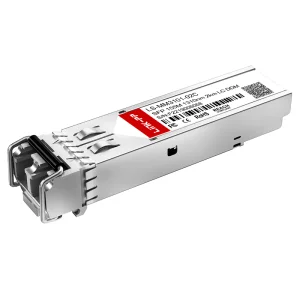
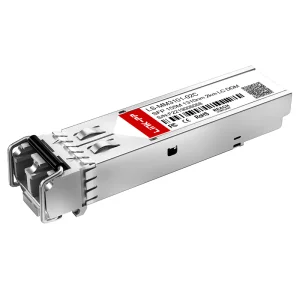
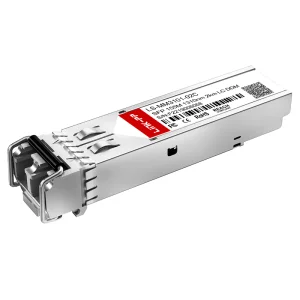
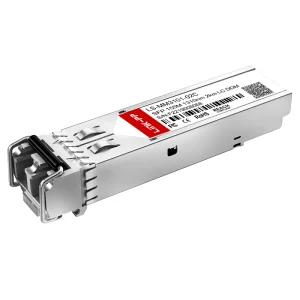
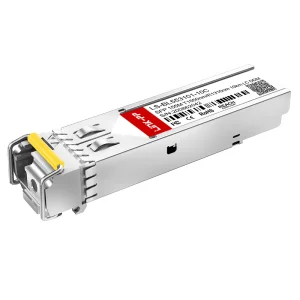
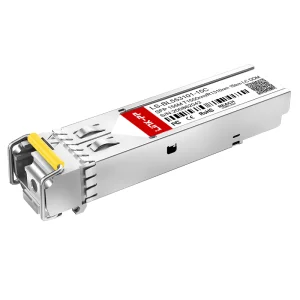
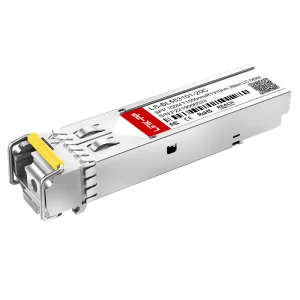
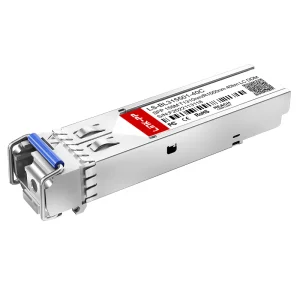
Modern industrial and utility optical networks require strict compliance with multi-source agreements (MSA). The FiddlLink SFP modules are designed under MSA guidelines to deliver optimized performance parameters for both legacy SDH/SONET (STM-1/STM-4) setups and Fast Ethernet networks. Below, we examine the core differences and parameters optimized for industrial German networks.
| Parameters | 155M SFP Transceivers (STM-1 / FE) | 622M SFP Transceivers (STM-4 / OC-12) |
|---|---|---|
| Data Rate Support | 100 Mbps to 155 Mbps (Fast Ethernet Compliant) | 155 Mbps to 622 Mbps (STM-4 / OC-12 Compliant) |
| Wavelength Options | 850nm / 1310nm / 1550nm & BiDi (TX1310/RX1550) | 1310nm / 1550nm & CWDM wavelengths |
| Laser Diode Type | VCSEL (Multimode) / FP / DFB (Single Mode) | FP / DFB / EML (Long Reach) |
| Receiver Sensitivity | Down to -34 dBm (with APD Receivers) | Down to -28 dBm (with high-gain photodetectors) |
| Max Reach Profile | Up to 80km - 120km (for rural Brandenburg links) | Up to 80km (over G.652 single-mode fiber) |
| Standards Compliance | SFF-8472, IEEE 802.3u, ITU-T G.957 | SFF-8472, Telcordia GR-253, ITU-T G.957 |
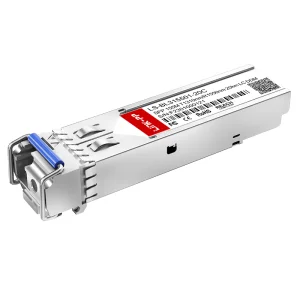
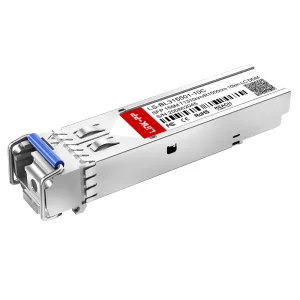
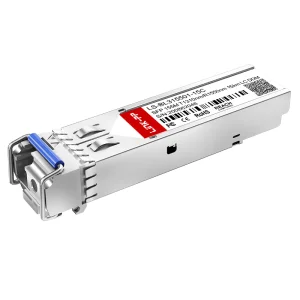
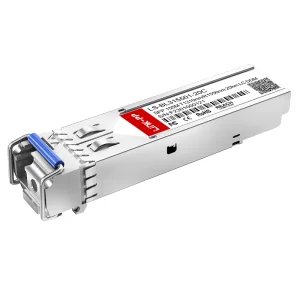
As Berlin transitions toward carbon-neutral urban energy generation, local wind parks in Brandenburg require highly secure telemetry networks. SFP modules manufactured by FiddlLink facilitate seamless fiber-to-the-node (FTTN) integration. Our 155M single-mode BiDi solutions enable bidirectional data transmission over a single optical fiber strand, cutting fiber installation and leasing costs by 50% for wind farm operators and municipal grids.
Established in 2016, our facility leverages modern automation and testing gear to fulfill high-volume orders for European partners.
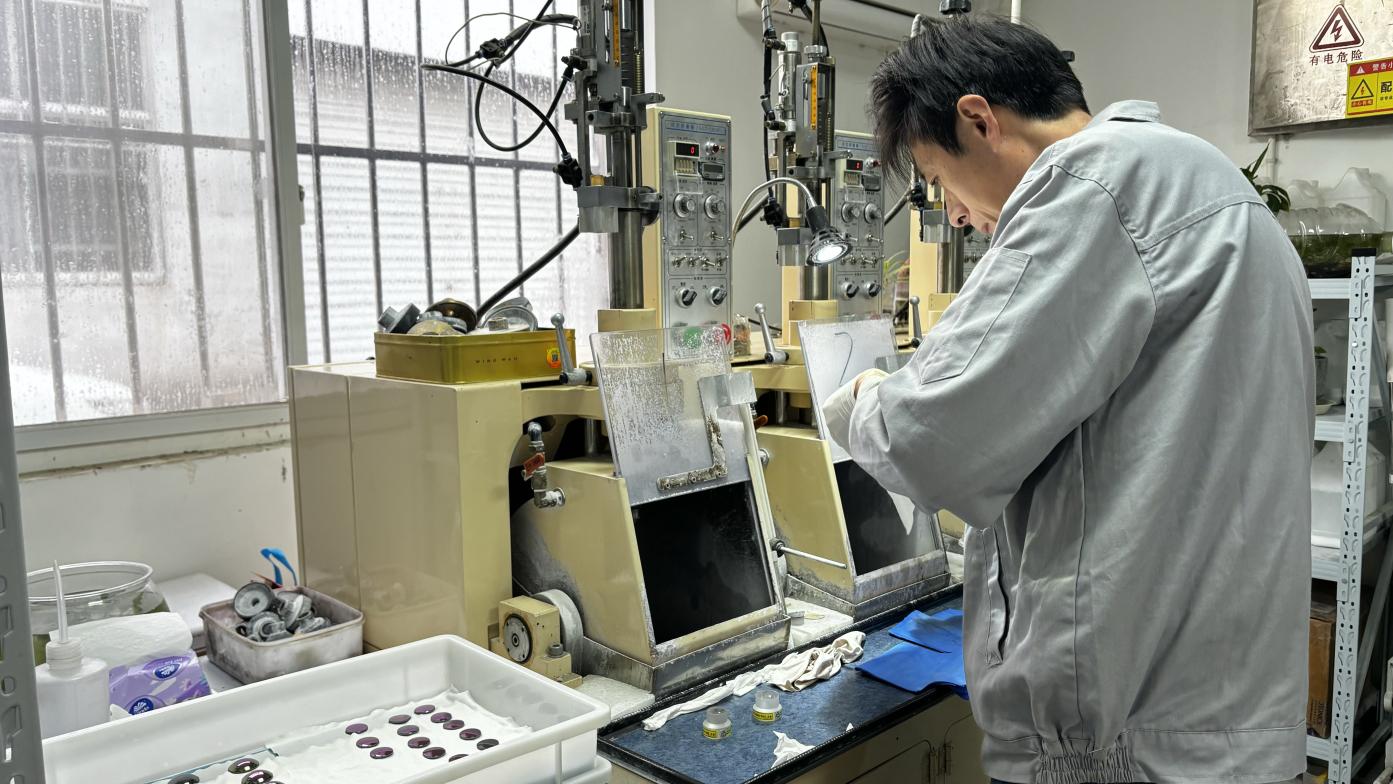
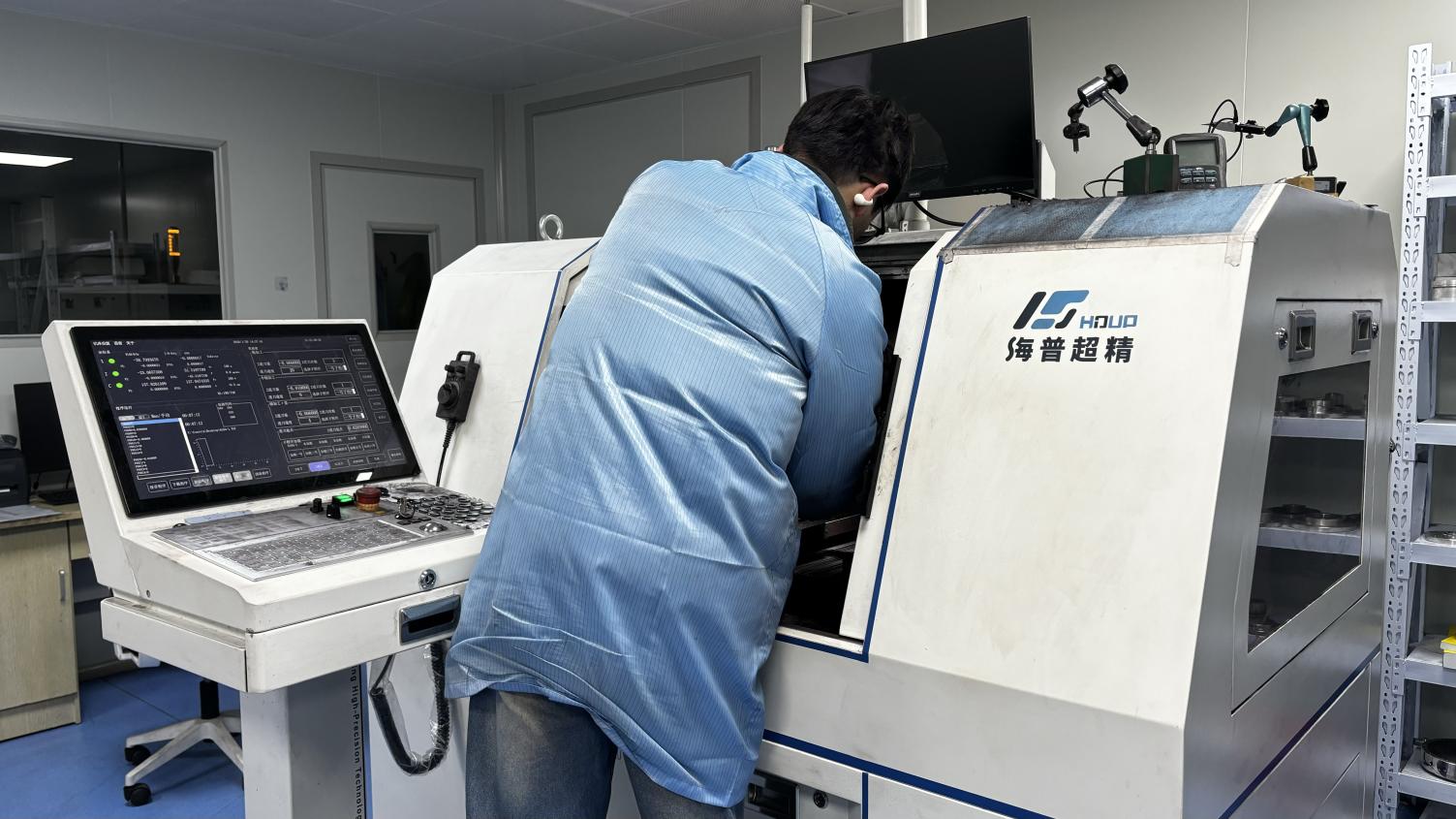
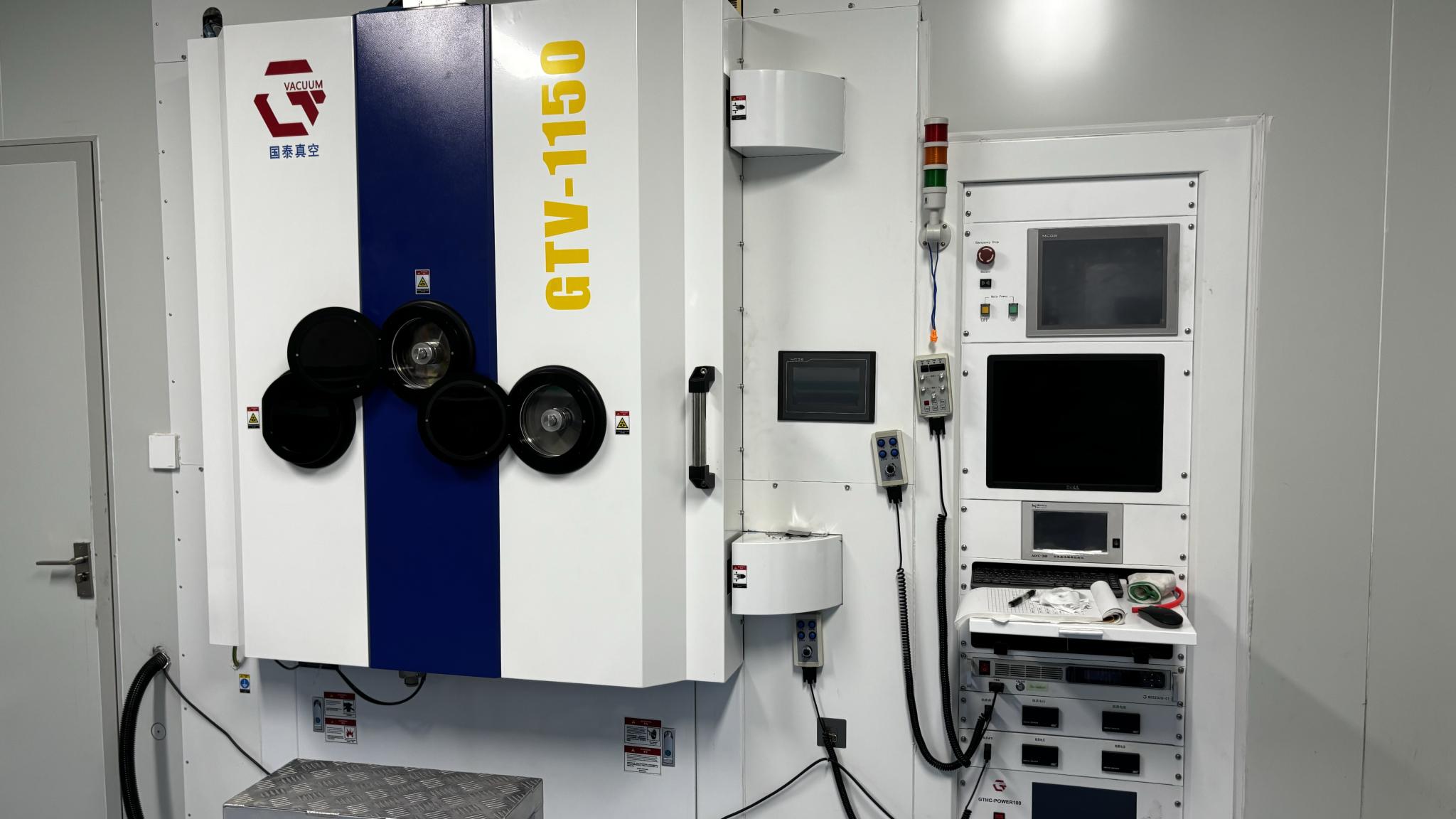
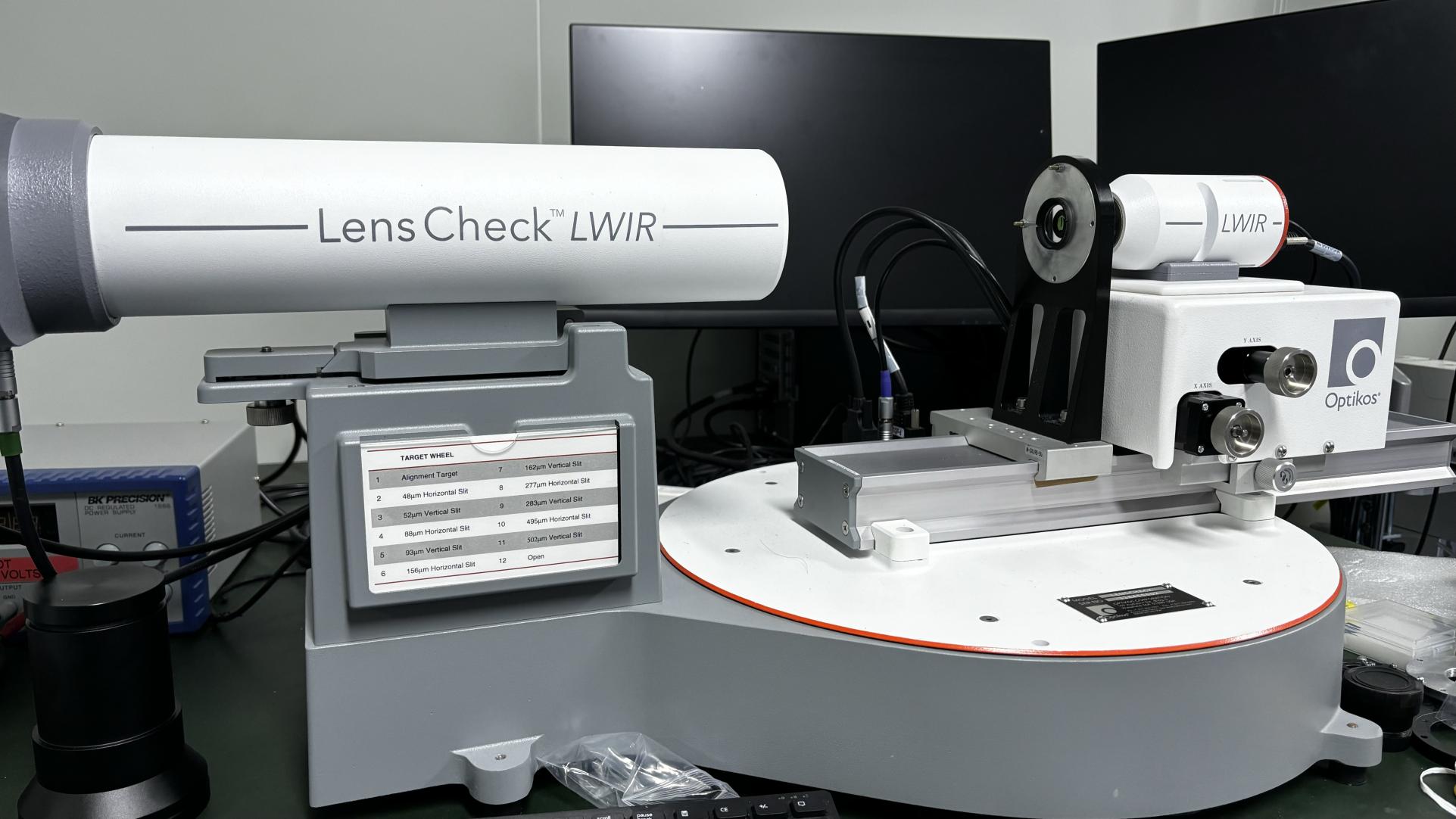
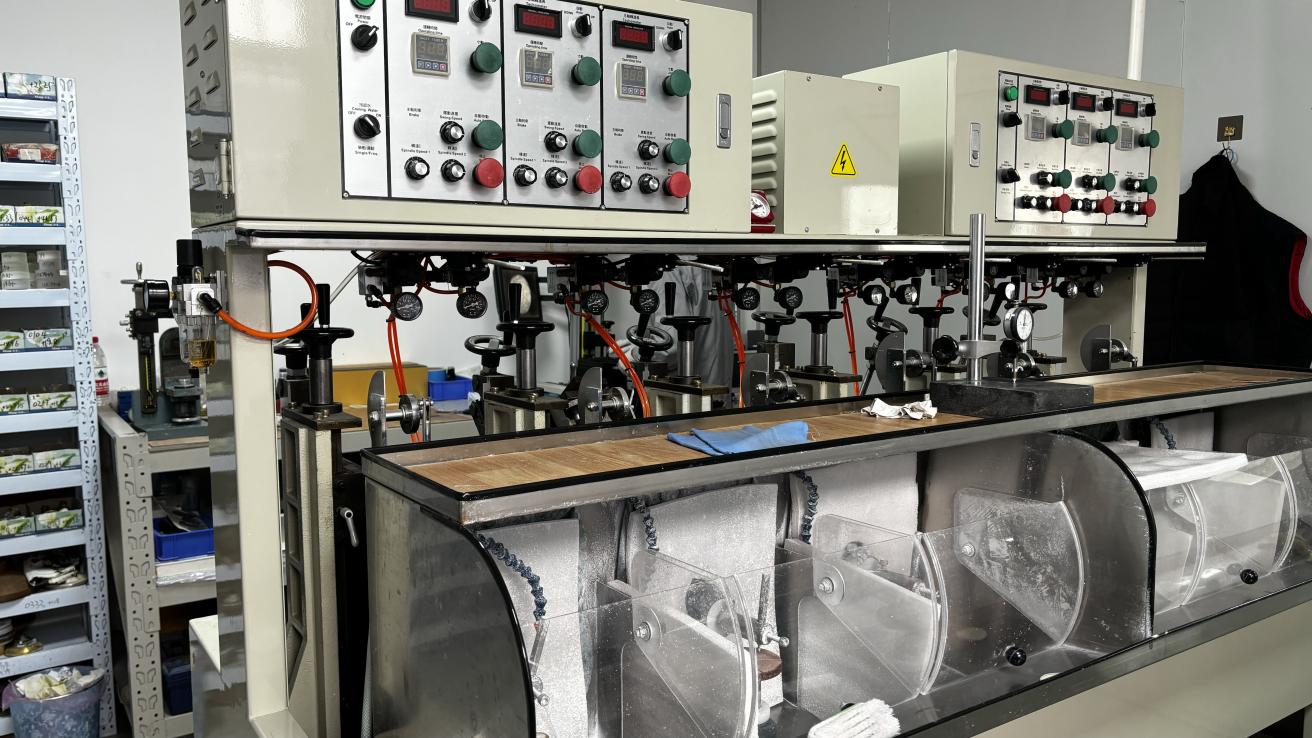
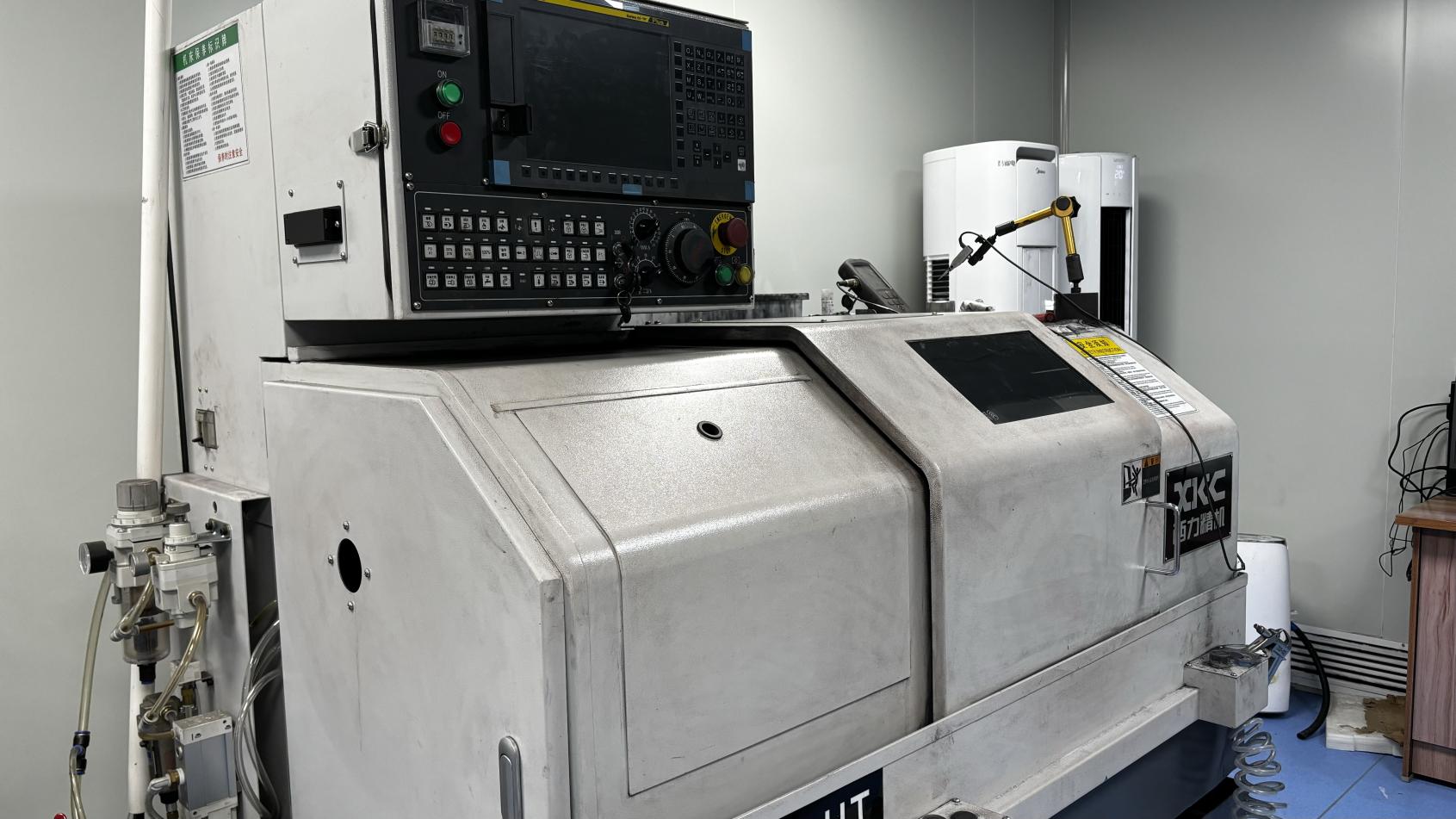
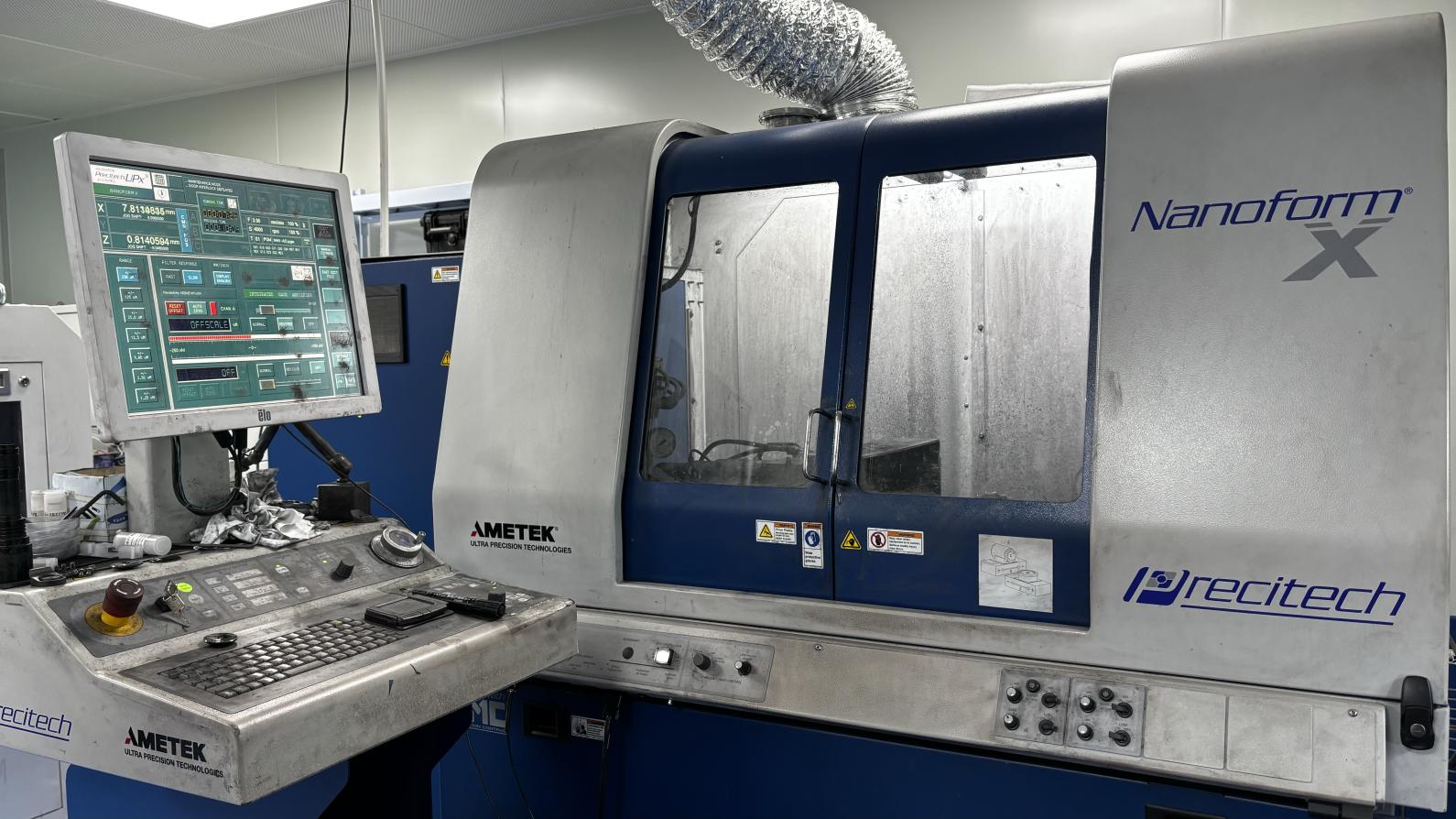
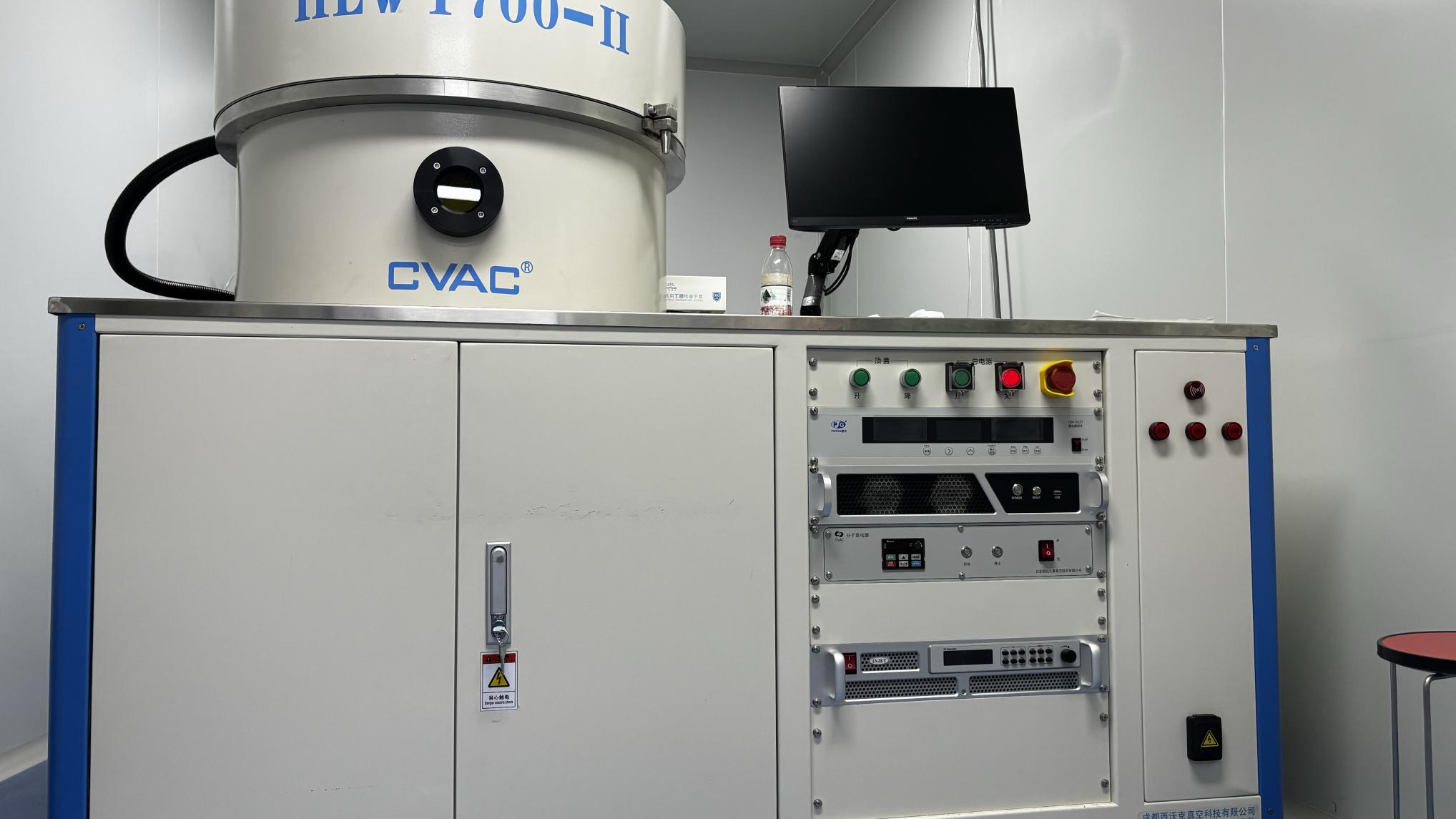
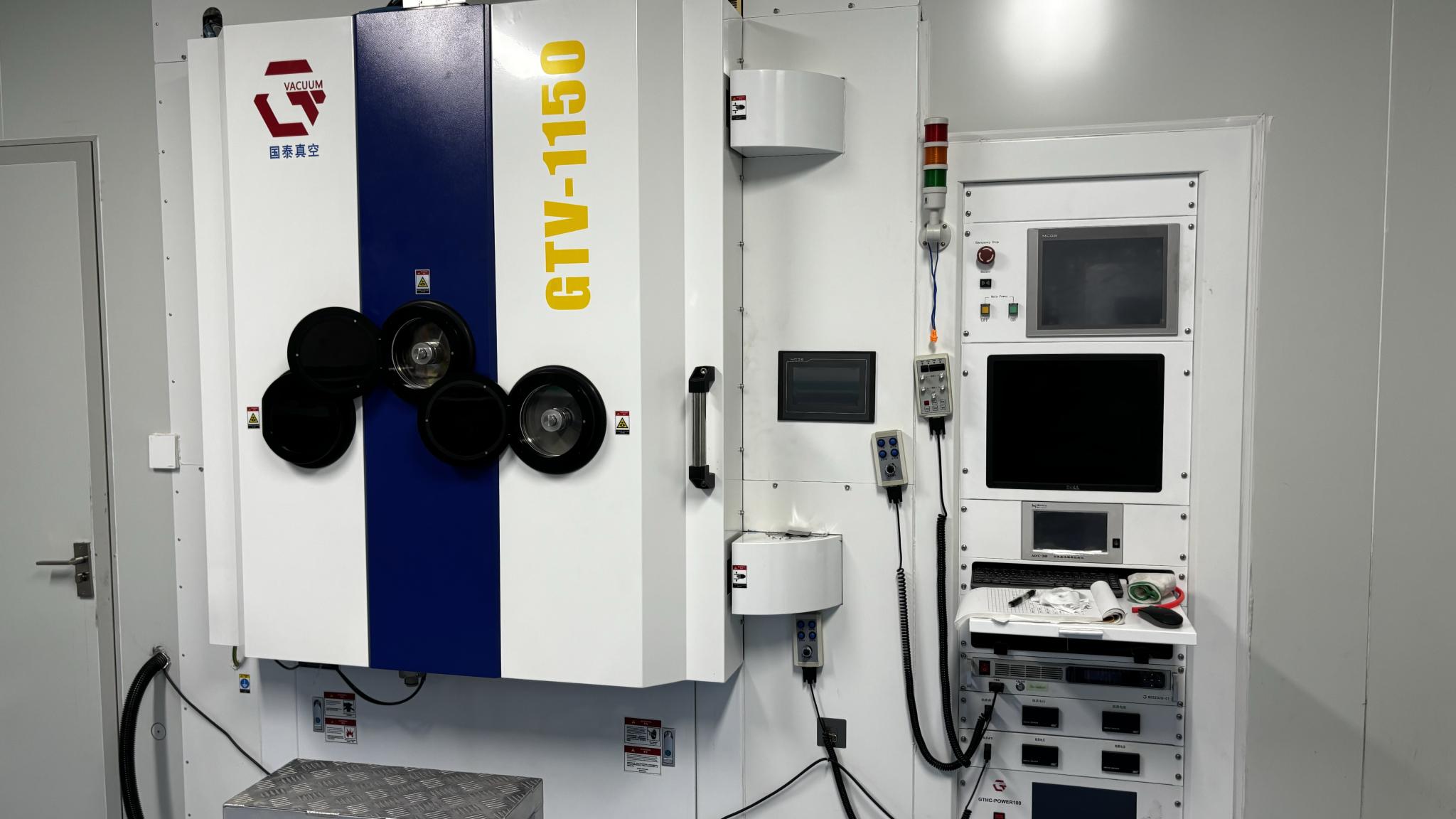
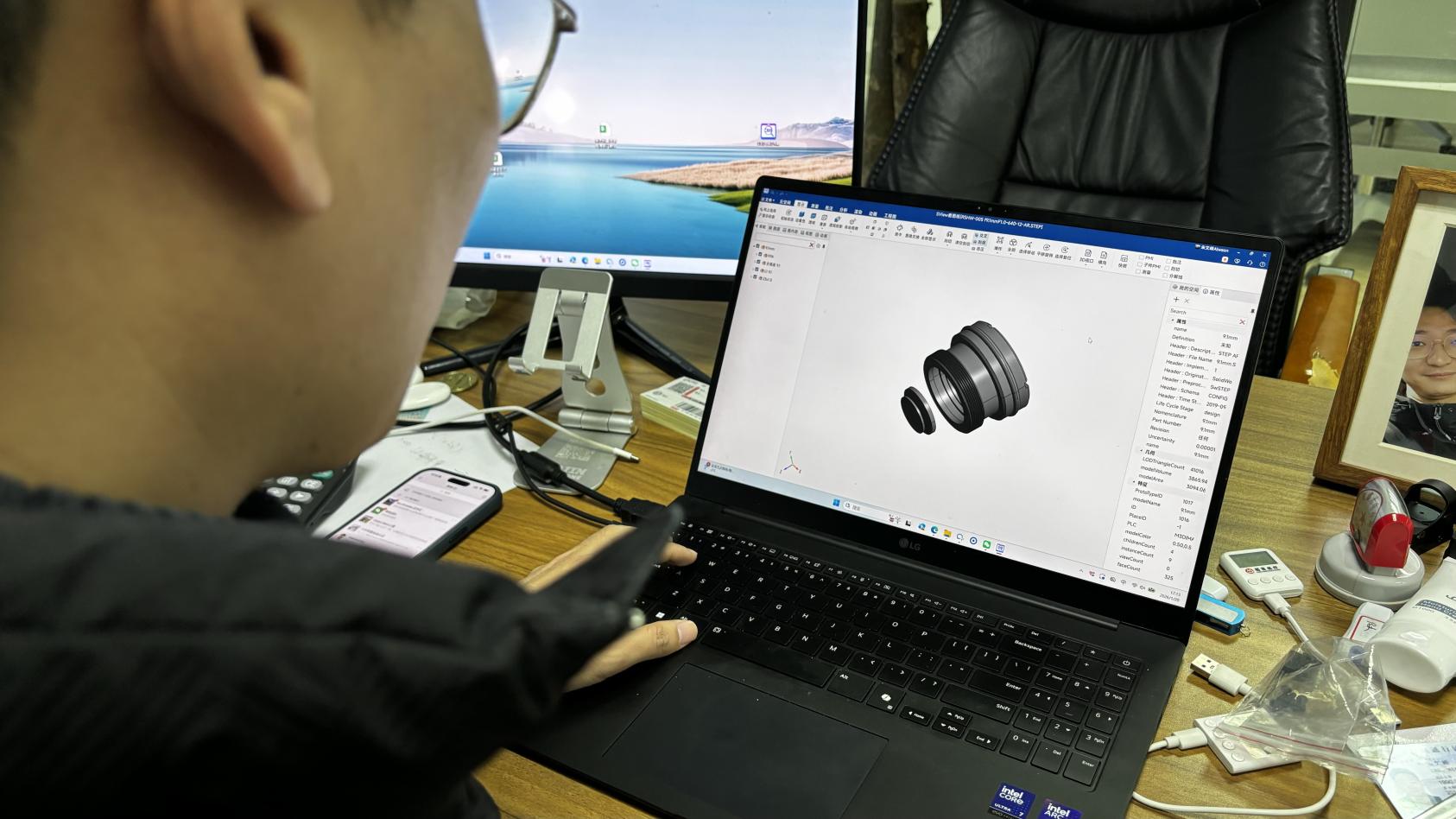
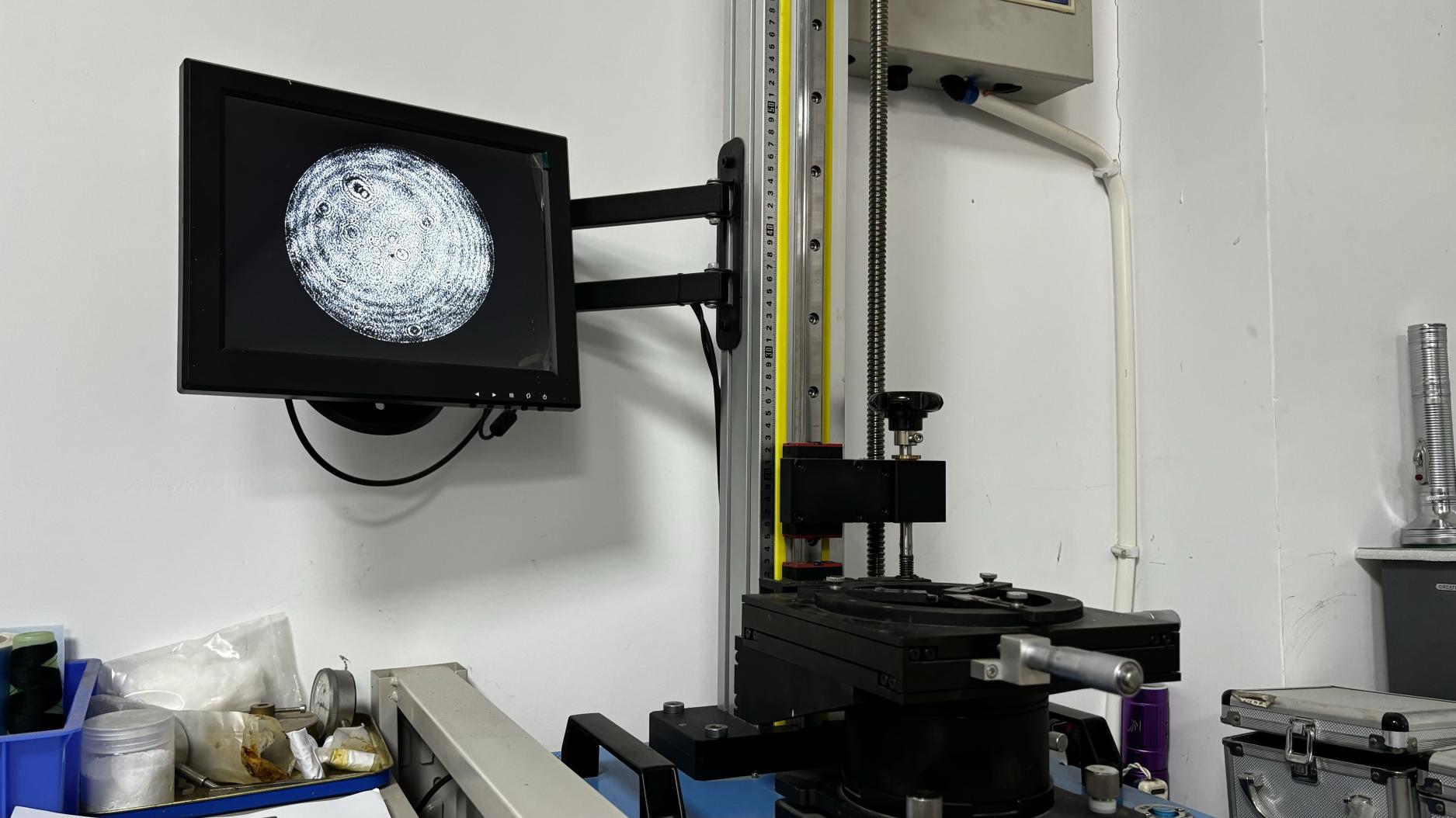
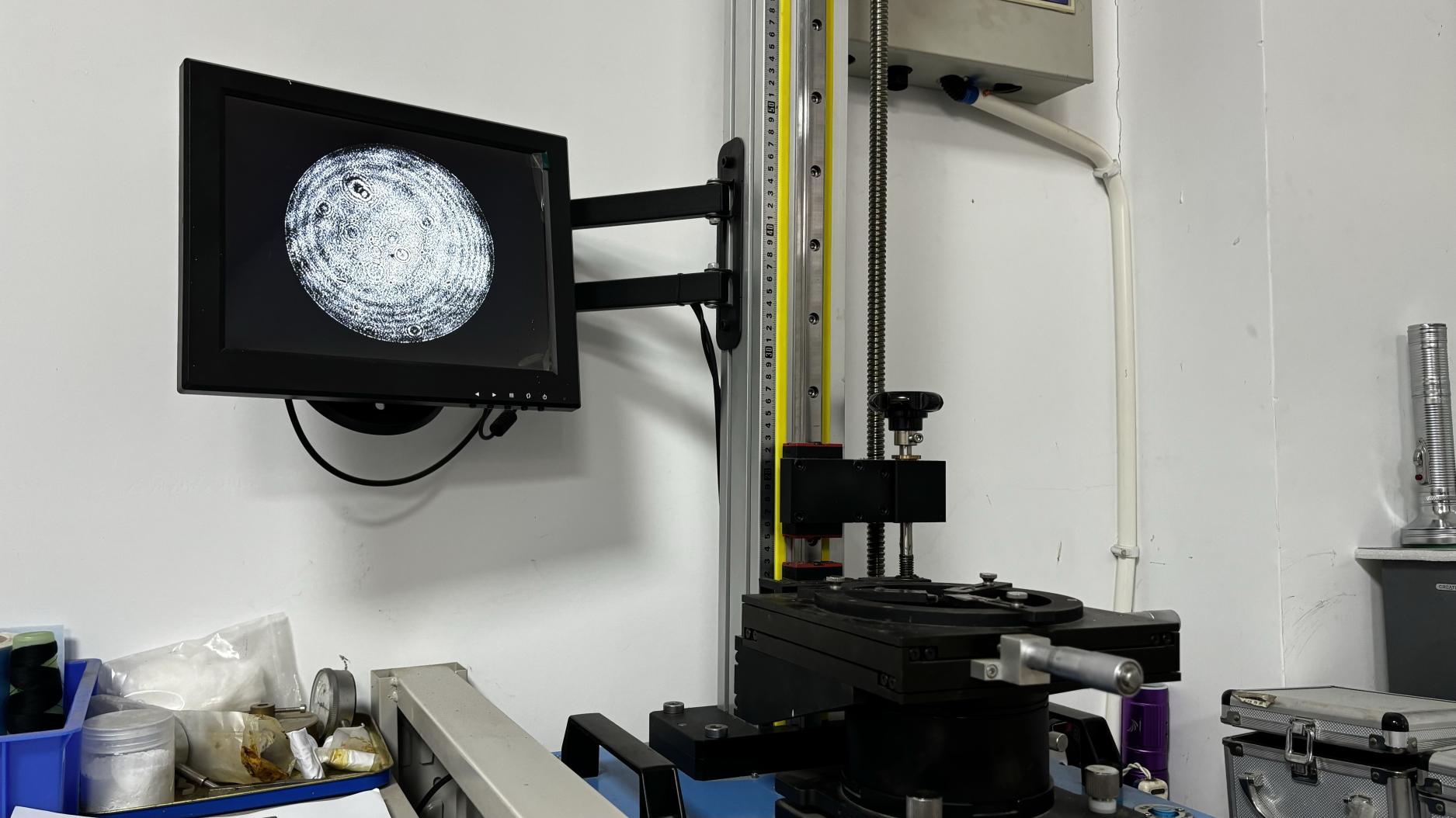
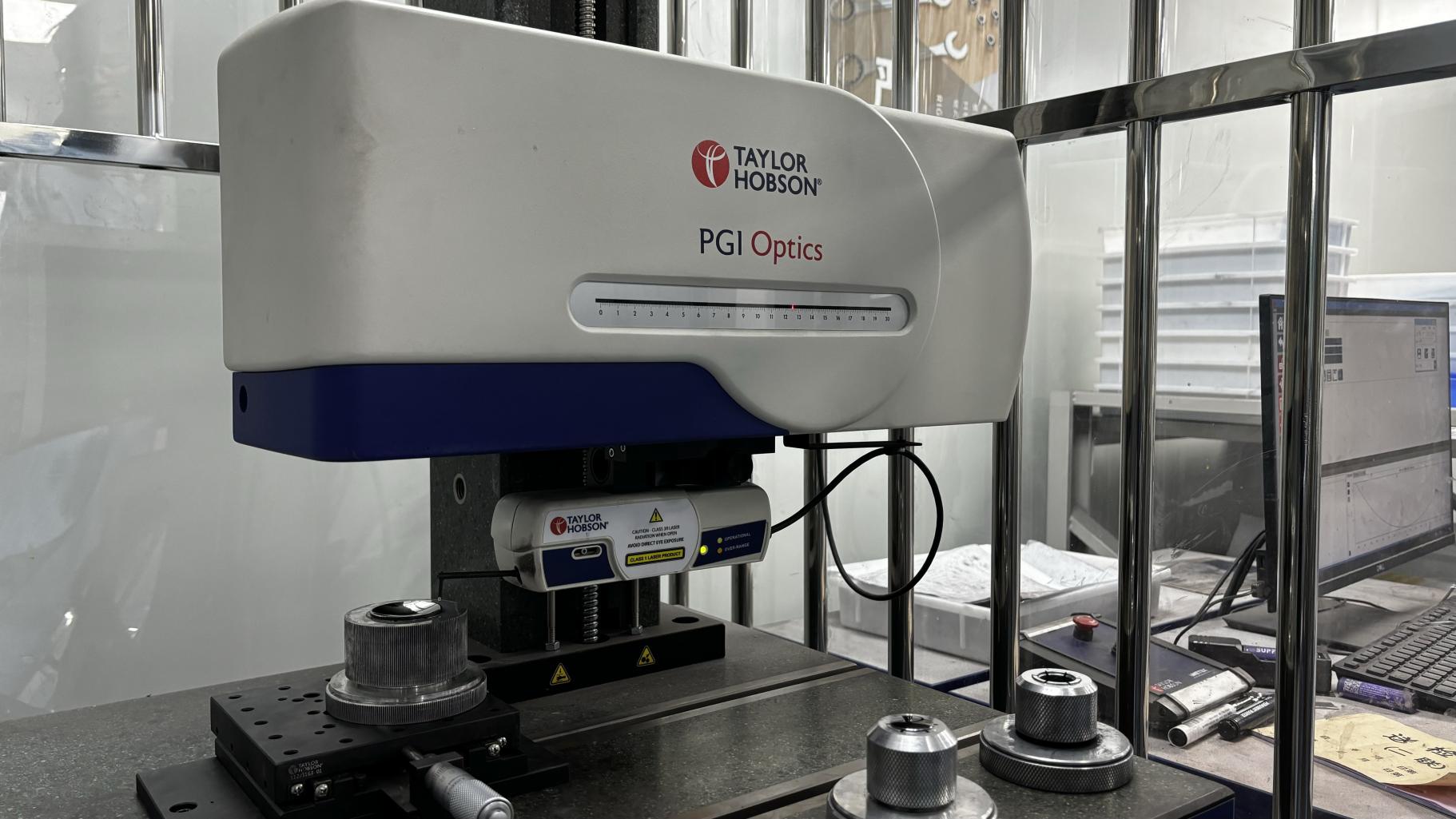
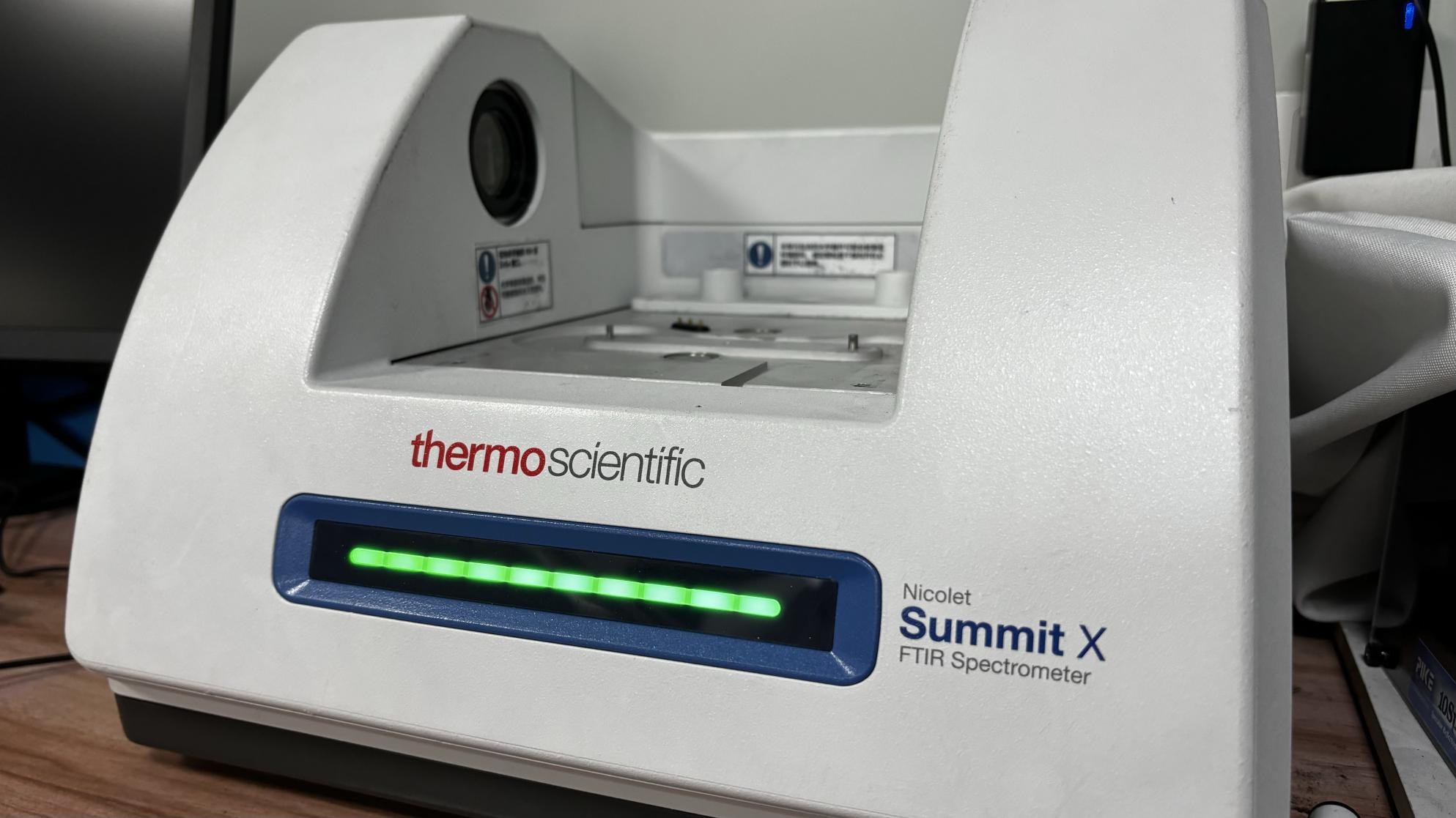
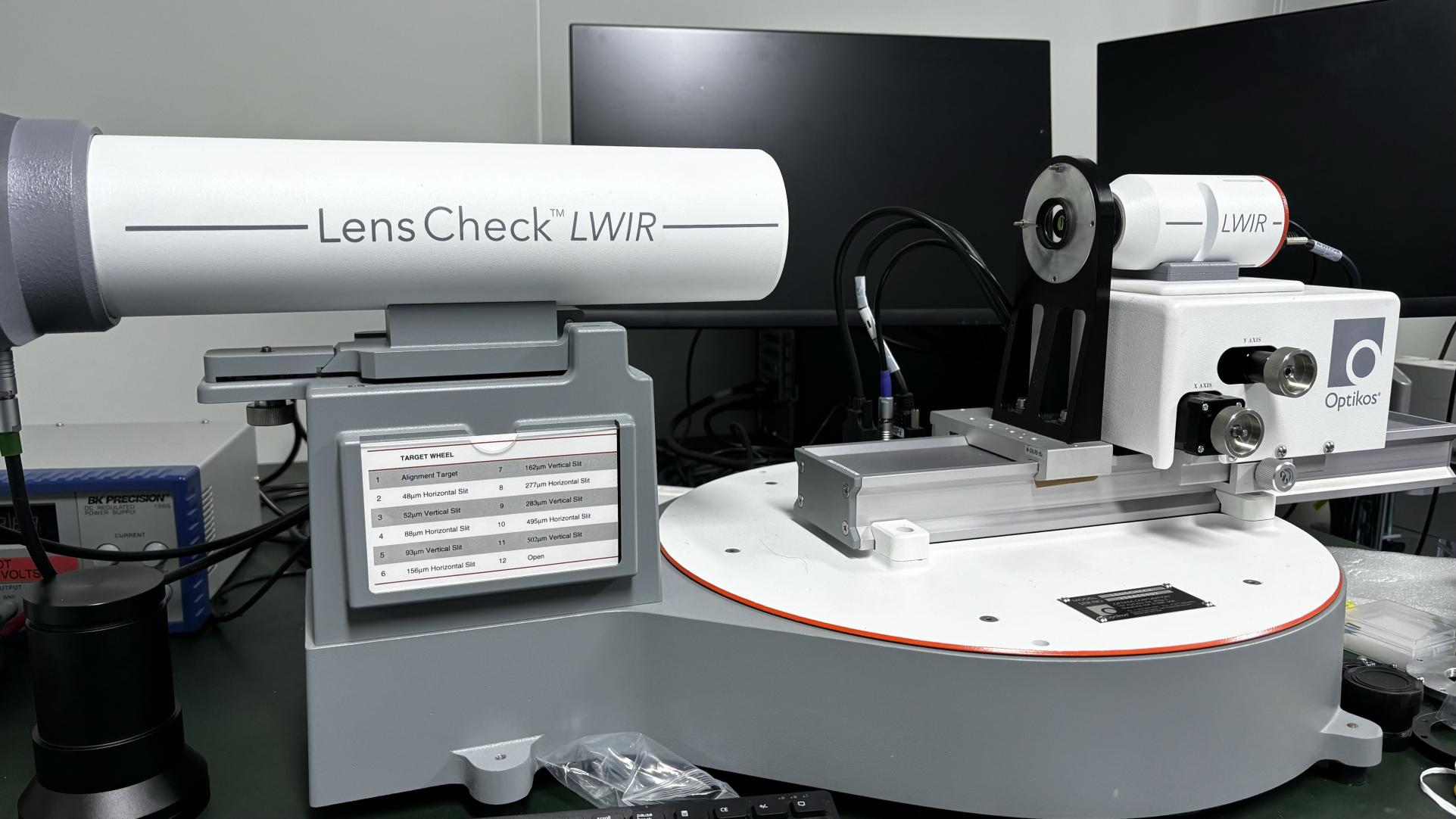
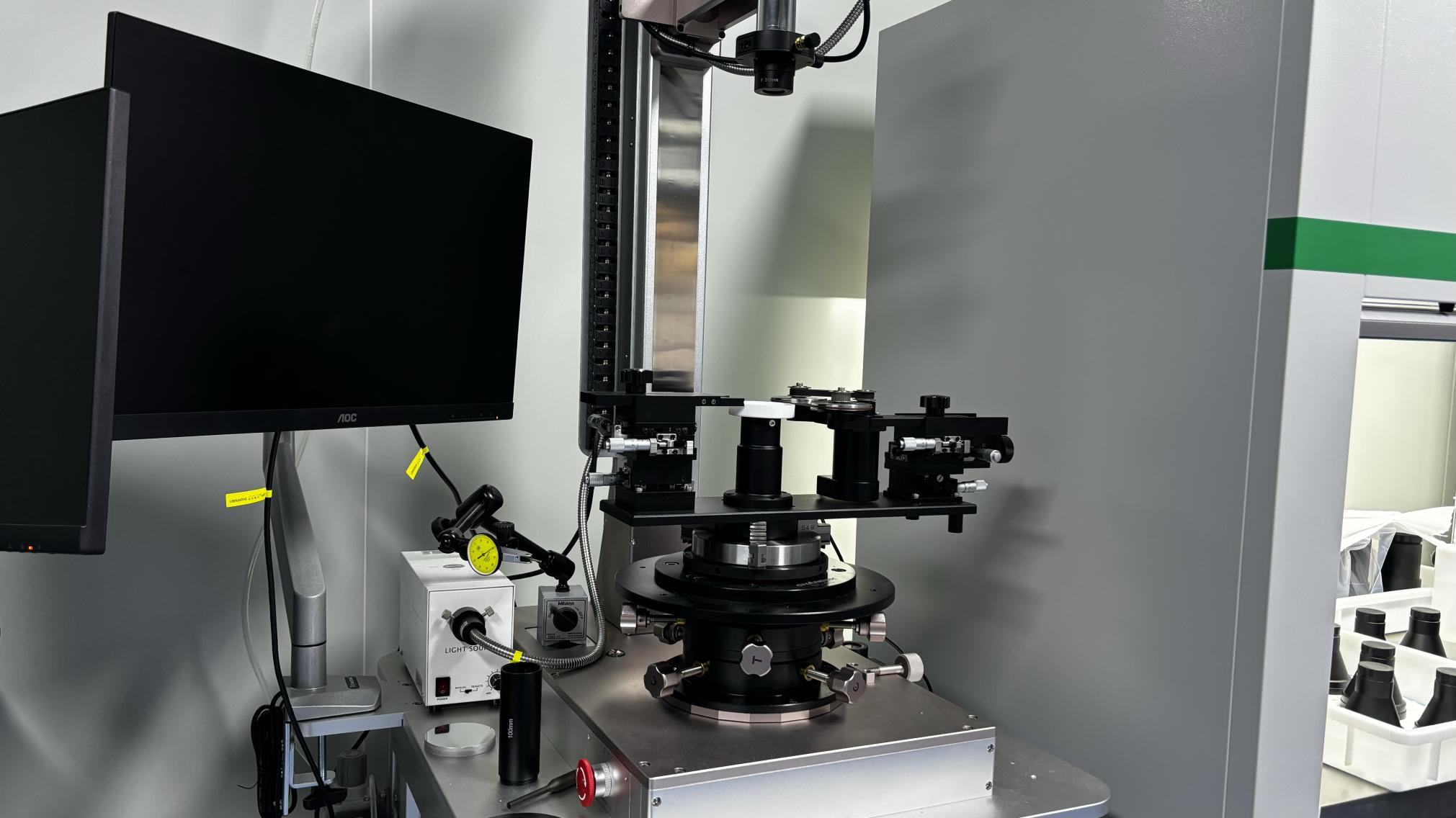
FiddlLink operates a manufacturing plant spanning 380 square meters of high-density cleanroom facilities. Equipped with active optical alignment stations, digital eye-pattern analyzers, and environmental temperature chambers, we maintain a production quality standard that meets or exceeds European guidelines. Our strategic partnership network comprises more than 850 international vendors, ensuring raw component supply security for critical semiconductors and laser diodes.
With an annual export revenue of approximately USD 18 million, FiddlLink is not just a supplier but a long-term growth partner for network operators, distributors, and OEM/ODM clients in Berlin and nationwide. Our R&D center, staffed by 126 expert engineers, ensures that custom firmware modifications can be completed and shipped rapidly, keeping compatibility issues to zero.
German telecom networks operate under strict regulatory standards. All transceivers imported into the Berlin market must conform to regional standards including CE, FCC, RoHS, WEEE, and class 1 laser safety standards (EN 60825-1). FiddlLink guarantees that every 155M/622M optical transceiver shipped to Europe carries full certification documentation.
Furthermore, legacy networks in Germany are comprised of equipment from various manufacturers like Siemens, Hirschmann, Cisco, Moxa, and RAD. Each manufacturer uses distinct EEPROM checksums and security keys. FiddlLink’s engineering lab provides customized compatibility coding. Our engineers configure the transceivers' memory space to simulate OEM parameters, facilitating drop-in replacements that prevent port lockdown or warning alarms on target host platforms.
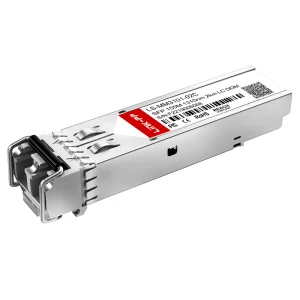
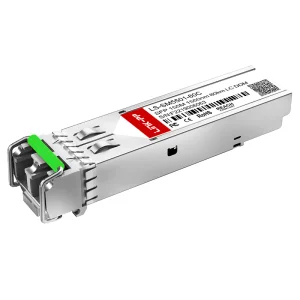
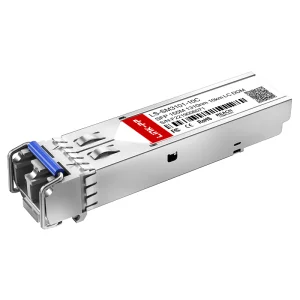
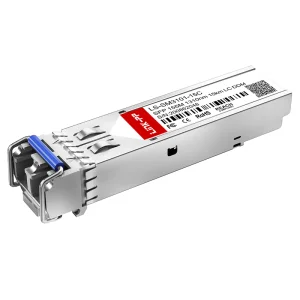
Browse our core inventory of Single Mode and Multimode transceivers, available for direct shipment to Berlin and European hubs.
Detailed technical advice on deployment, electrical parameter verification, and OEM coding issues.
Our engineering team is ready to assist with compatibility coding, custom wavelength planning, or volume pricing for the German market.