FiddlLink
FiddlLink
FiddlLink
High-reliability 10G/16G modules specifically engineered and optimized for Metro Manila's core telecom infrastructure.
Metro Manila, the economic heart of the Philippines, is undergoing an unprecedented digital transformation. Driven by the expansion of hyperscale data centers, cloud exchanges, and e-government initiatives, the demand for stable high-capacity fiber networks has reached new heights. Telecommunications operators and enterprise networks are rapidly migrating from traditional Gigabit ethernet links to highly dense, low-latency 10G SFP+ and 16G SFP+ architectures. This transition is crucial to support the bandwidth-intensive operations of the Business Process Outsourcing (BPO) industry, financial institutions in Makati and Bonifacio Global City (BGC), and regional content distribution networks (CDNs).
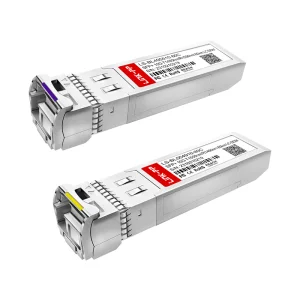
In Manila's dense urban environment, where routing new fiber pathways can be logistically challenging and expensive, maximizing existing fiber efficiency is paramount. FiddlLink’s optical transceivers offer a cost-effective alternative for enterprises to upgrade their optical trunks. Our 10G/16G SFP+ modules enable network architects to leverage technologies like Wavelength Division Multiplexing (WDM) and Bidirectional (BiDi) transceivers to double throughput over single-fiber links. Furthermore, the rising demand for high-speed storage area networks (SAN) has established 16G Fiber Channel (FC) SFP+ transceivers as the industry standard for secure, low-latency financial databases and enterprise storage backplanes across Luzon.
Operating high-speed networks in tropical climates presents distinct challenges. The high humidity and average temperatures in Manila demand hardware designed with superior thermal management. Standard optical transceivers often experience performance degradation and elevated failure rates in poorly conditioned edge-computing cabinets. FiddlLink address this directly by implementing rigorous environmental reliability testing and using specialized optical components. This ensures our industrial-grade transceivers remain stable at high operating temperatures, reducing physical maintenance cycles and lowering overall total cost of ownership (TCO) for local telecom operators.
In Metro Manila's enterprise market, network infrastructures are built on legacy hardware from various global brands, including Cisco, Huawei, Juniper, Arista, and HP. Integrating third-party optical modules requires strict adherence to OEM EEPROM coding protocols. FiddlLink specializes in delivering customized firmware, ensuring that every 10G/16G SFP+ module we supply passes hardware compatibility tests without generating port blocking errors or performance degradation.
FiddlLink’s engineering team uses advanced programming boards to write device-specific compatibility codes onto the module’s EEPROM. This simulates authentic OEM transceivers and unlocks advanced features like Digital Optical Monitoring (DOM). DOM is critical for IT operations in Manila, enabling real-time monitoring of receiver power, transmitter power, laser bias current, temperature, and supply voltage. Through proactive alerts, engineers can diagnose and locate fiber-attenuation anomalies before they cause network downtime.
FiddlLink's optical modules are manufactured in compliance with major multi-source agreements (MSA), assuring seamless interoperability with any standard-compliant switch or router interface. Additionally, our global export supply chain is fully compliant with CE, FCC, RoHS, and local NTC (National Telecommunications Commission) certification protocols for import into the Philippines, ensuring hassle-free logistics and compliance.
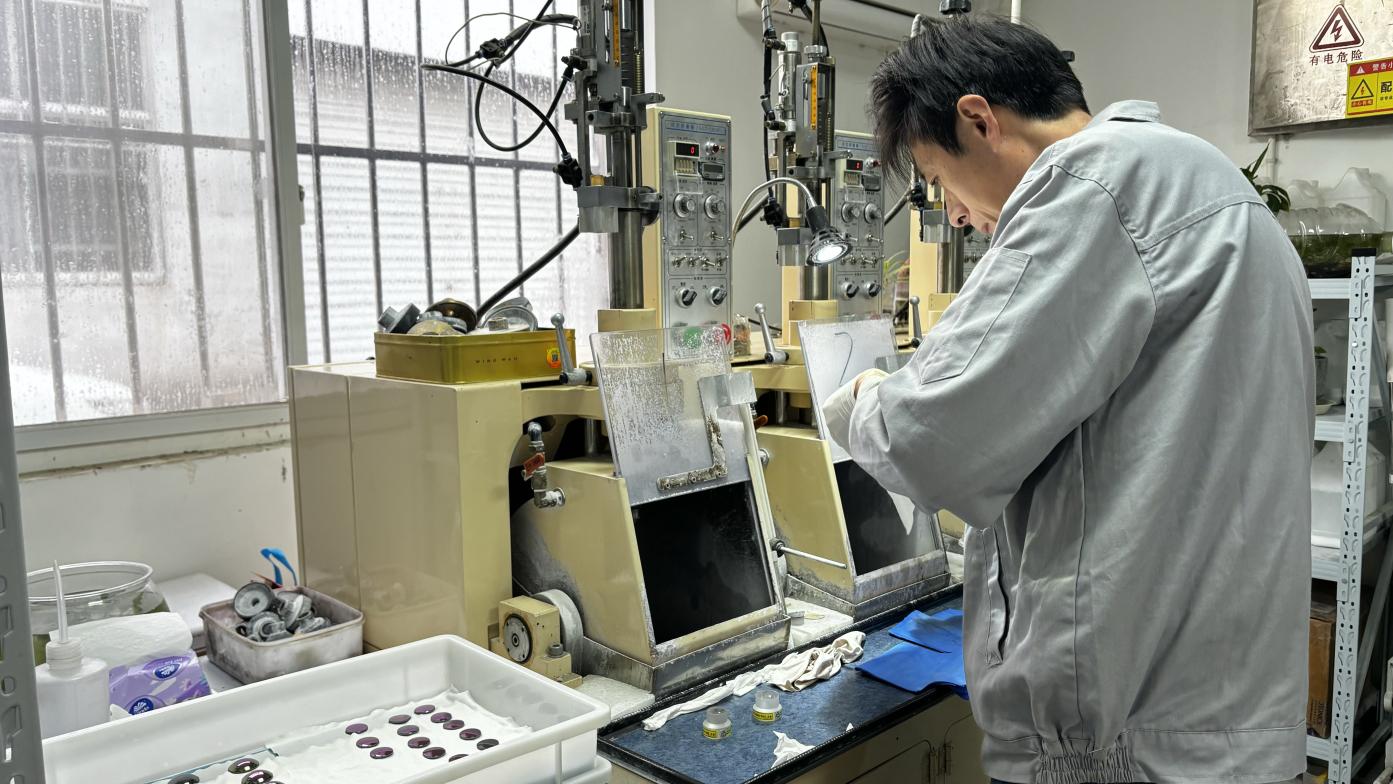
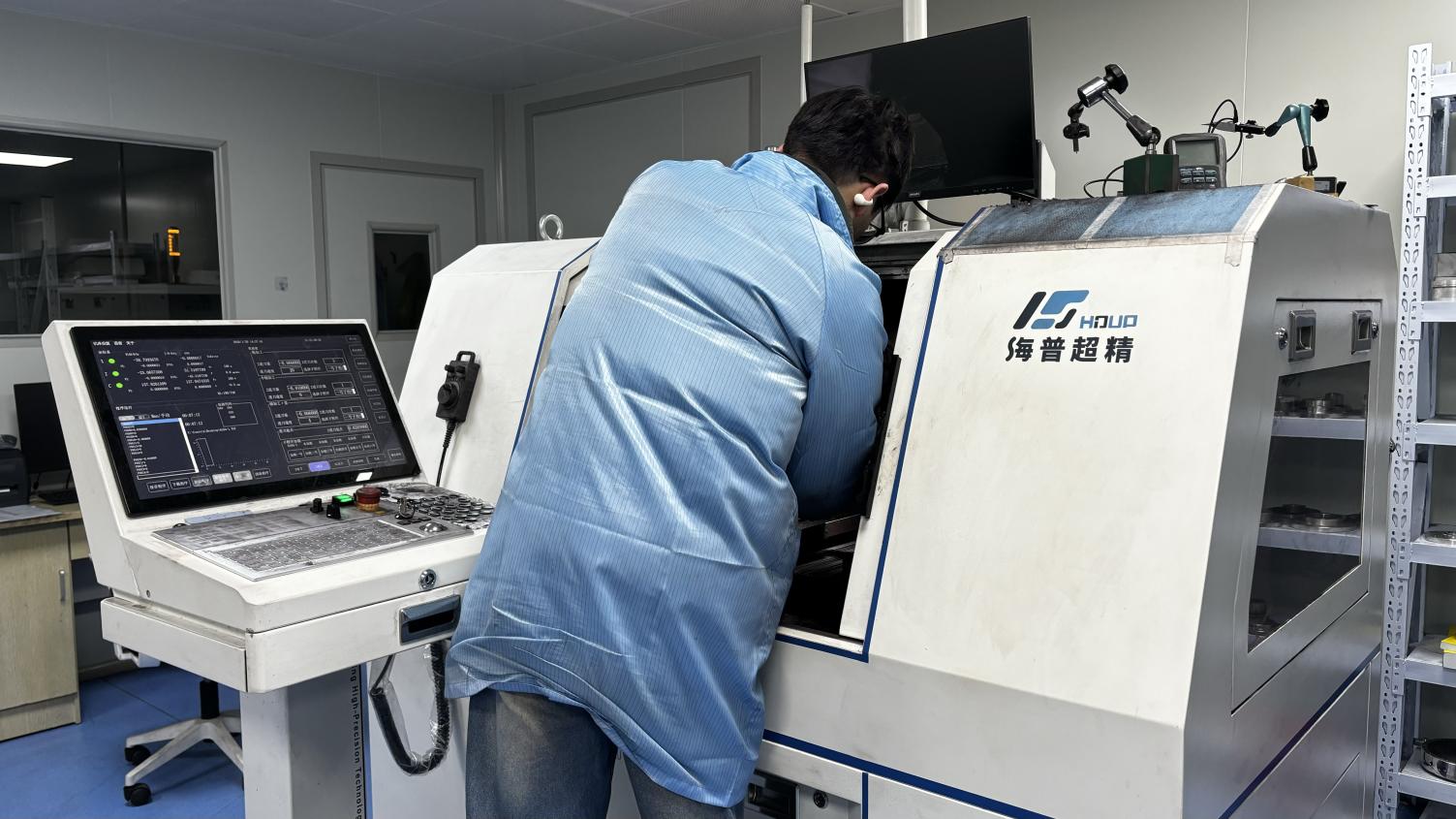
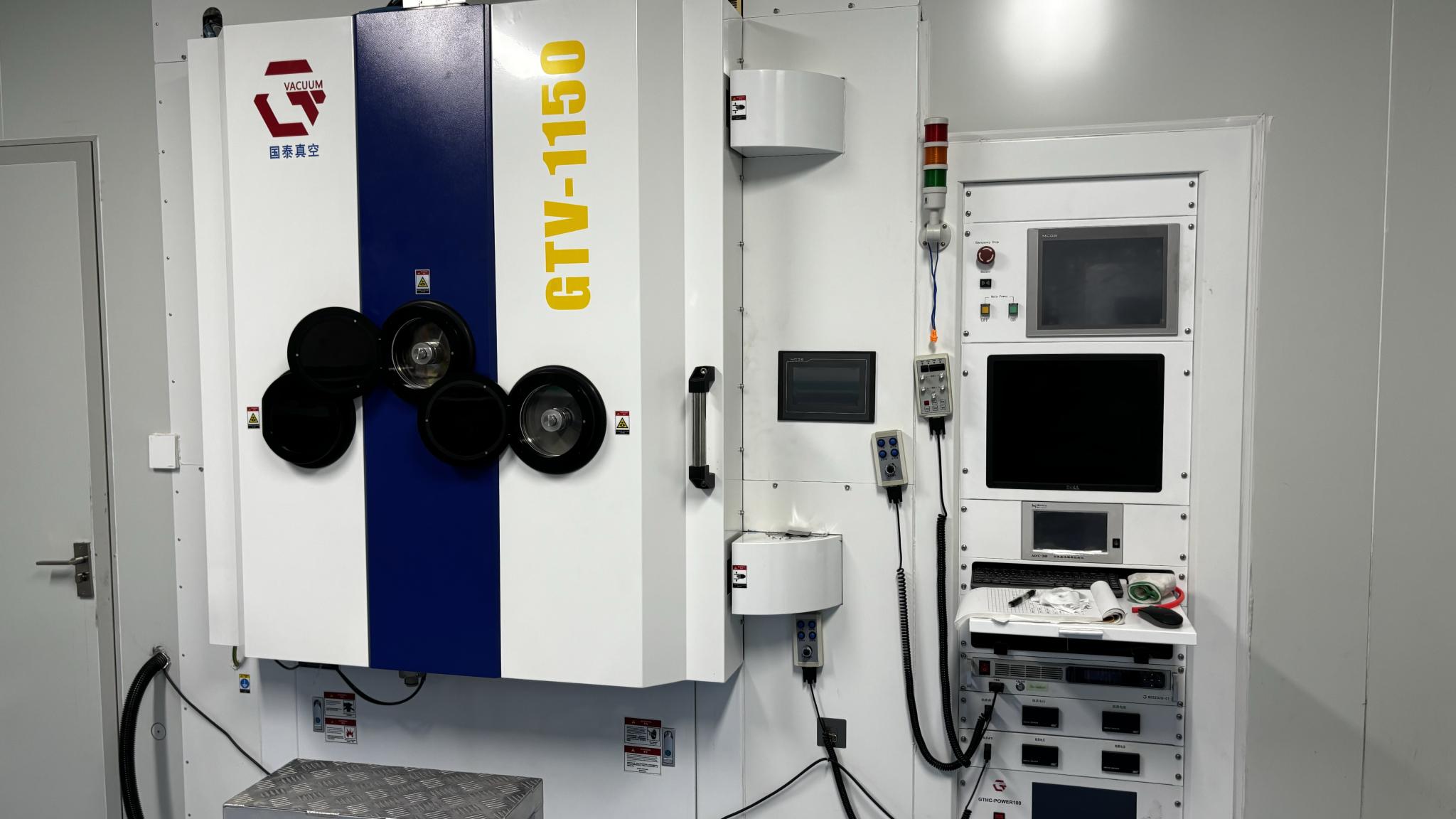
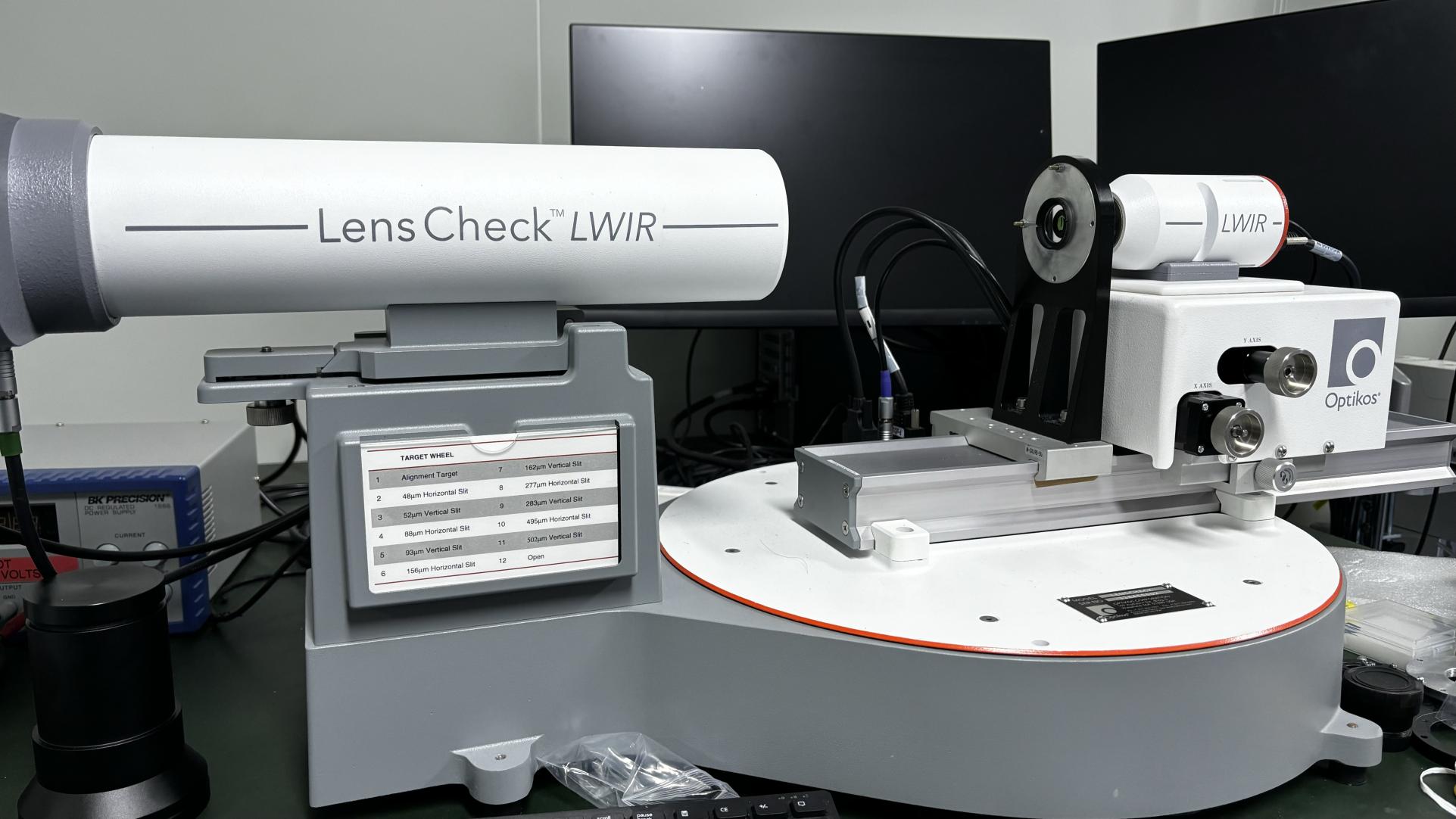
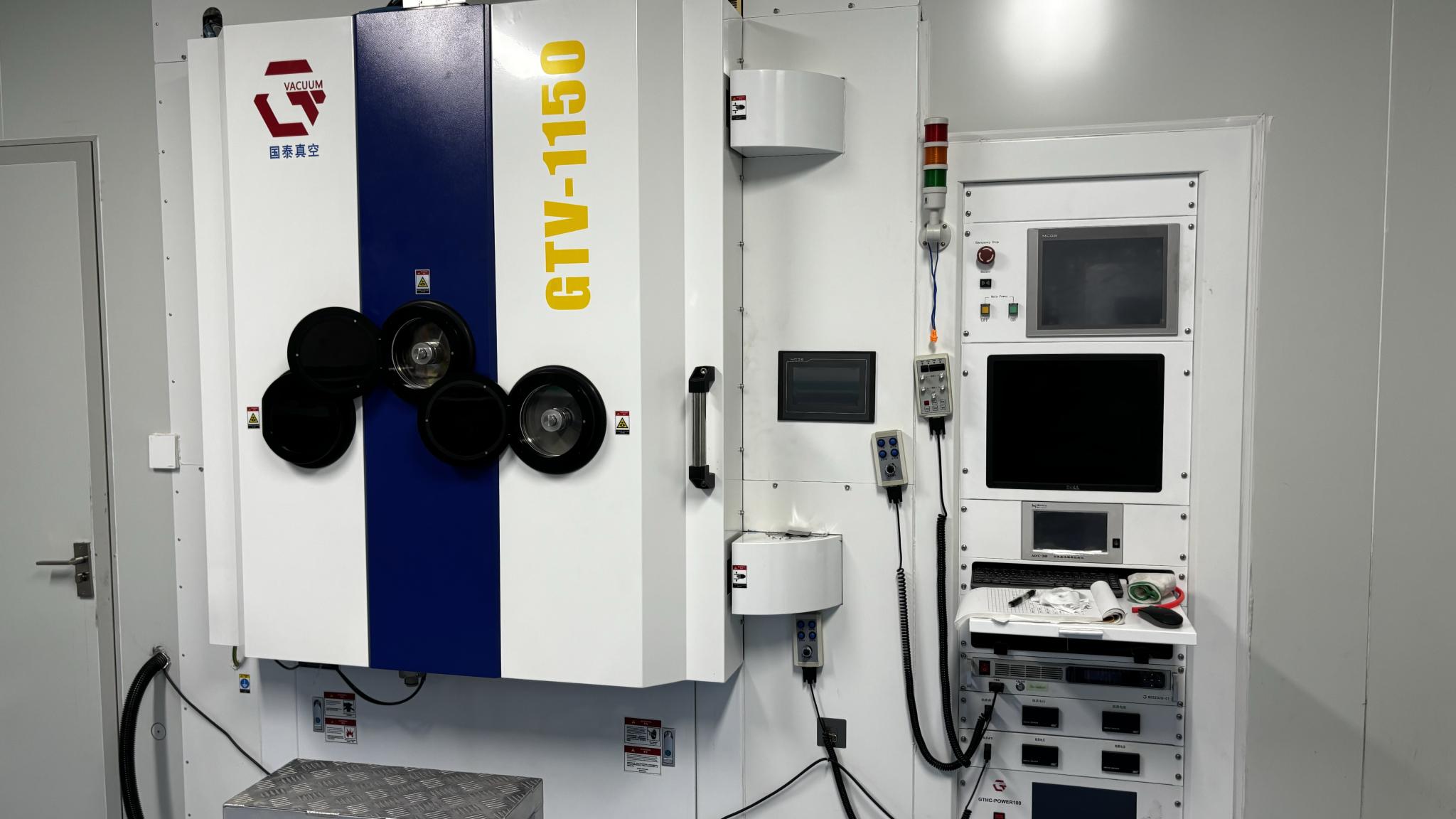
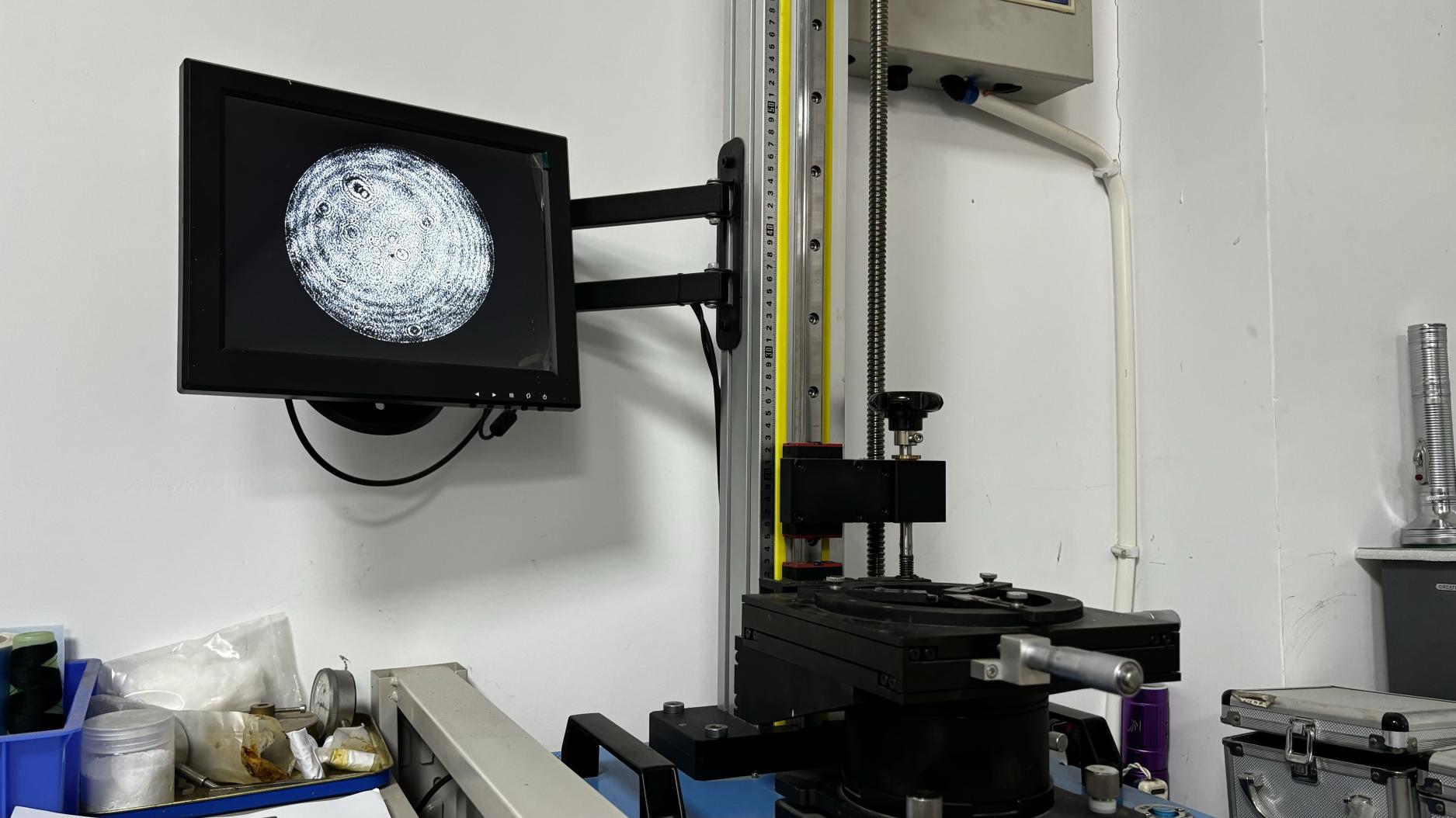
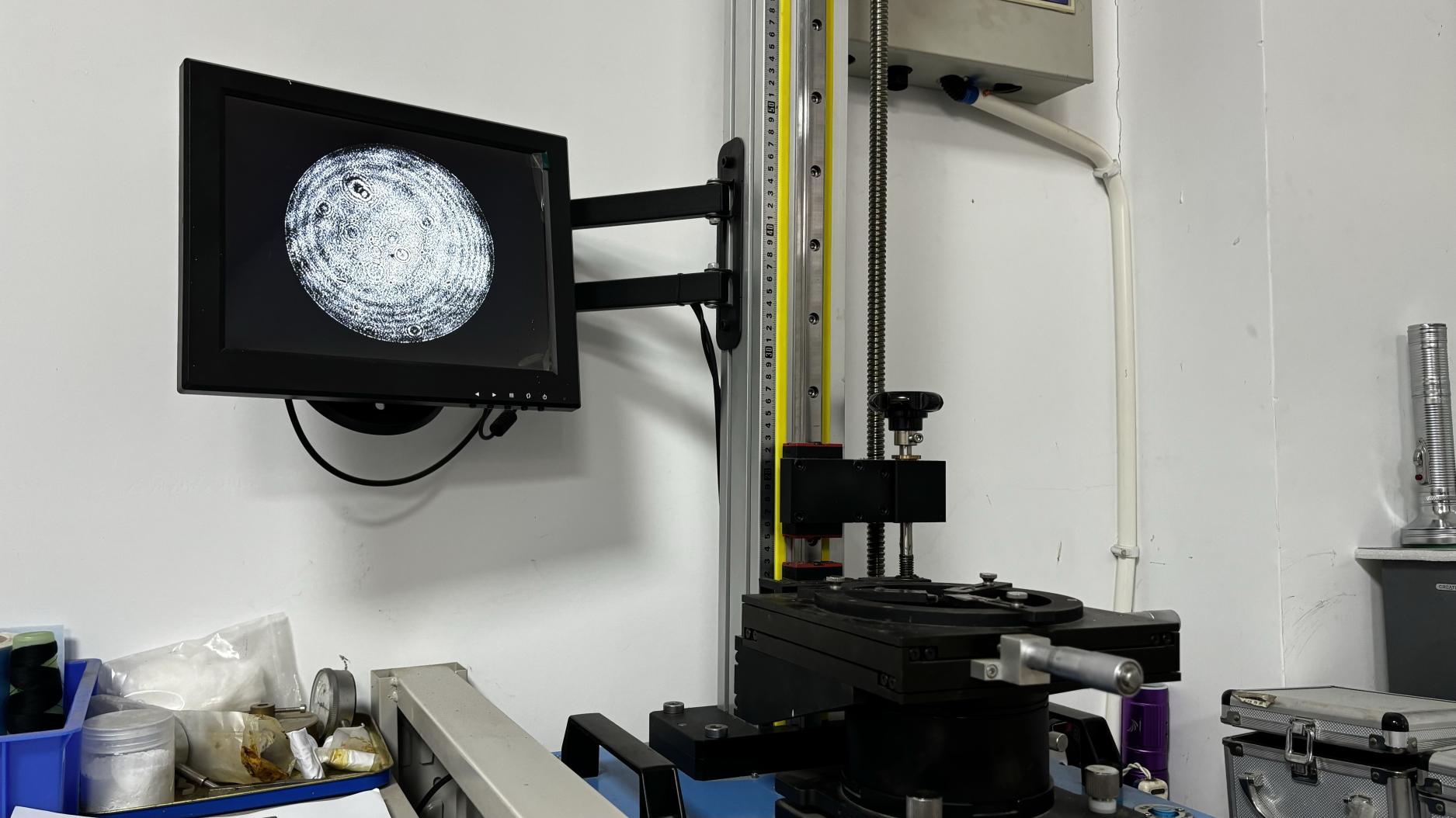
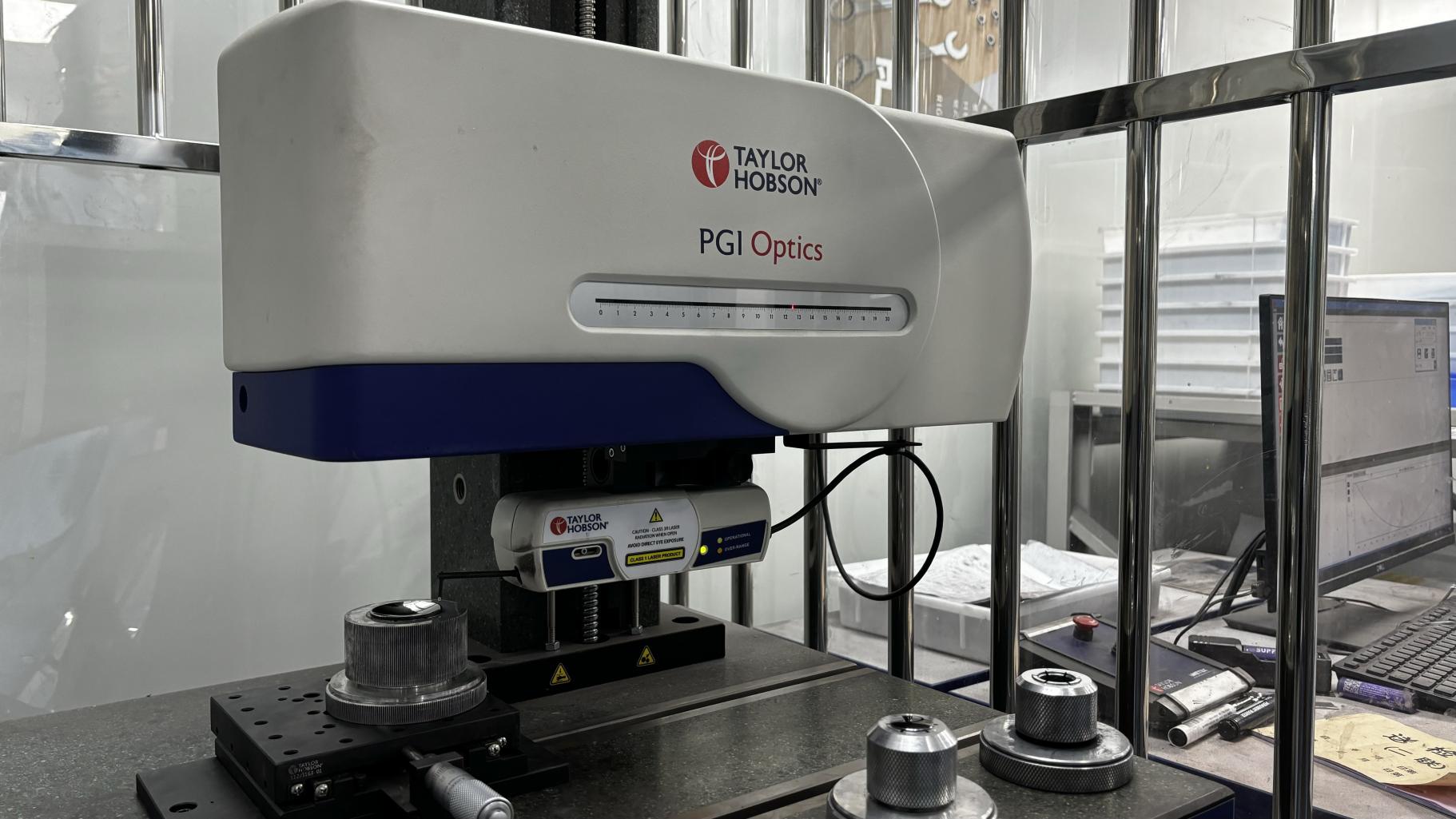
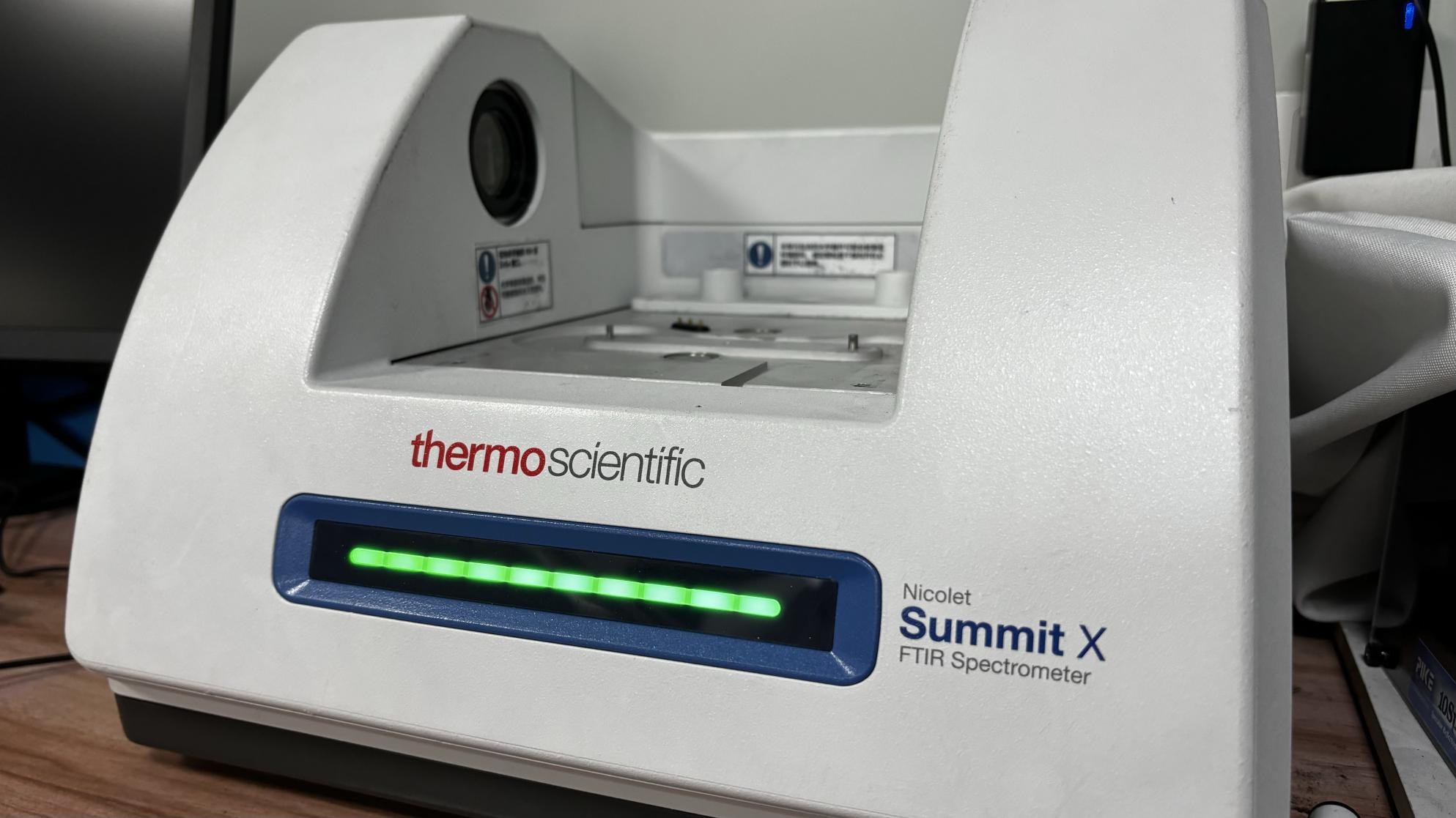
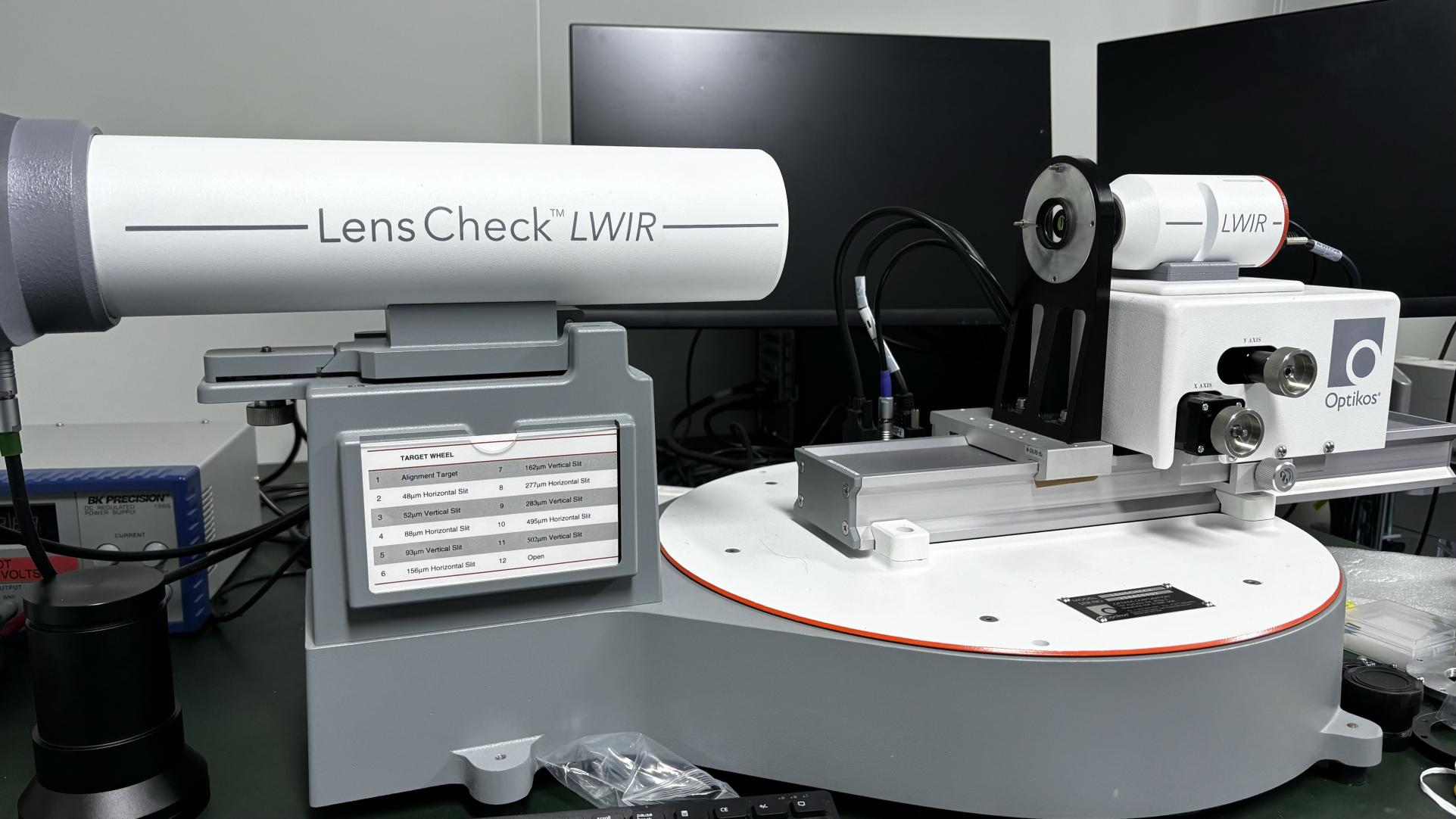
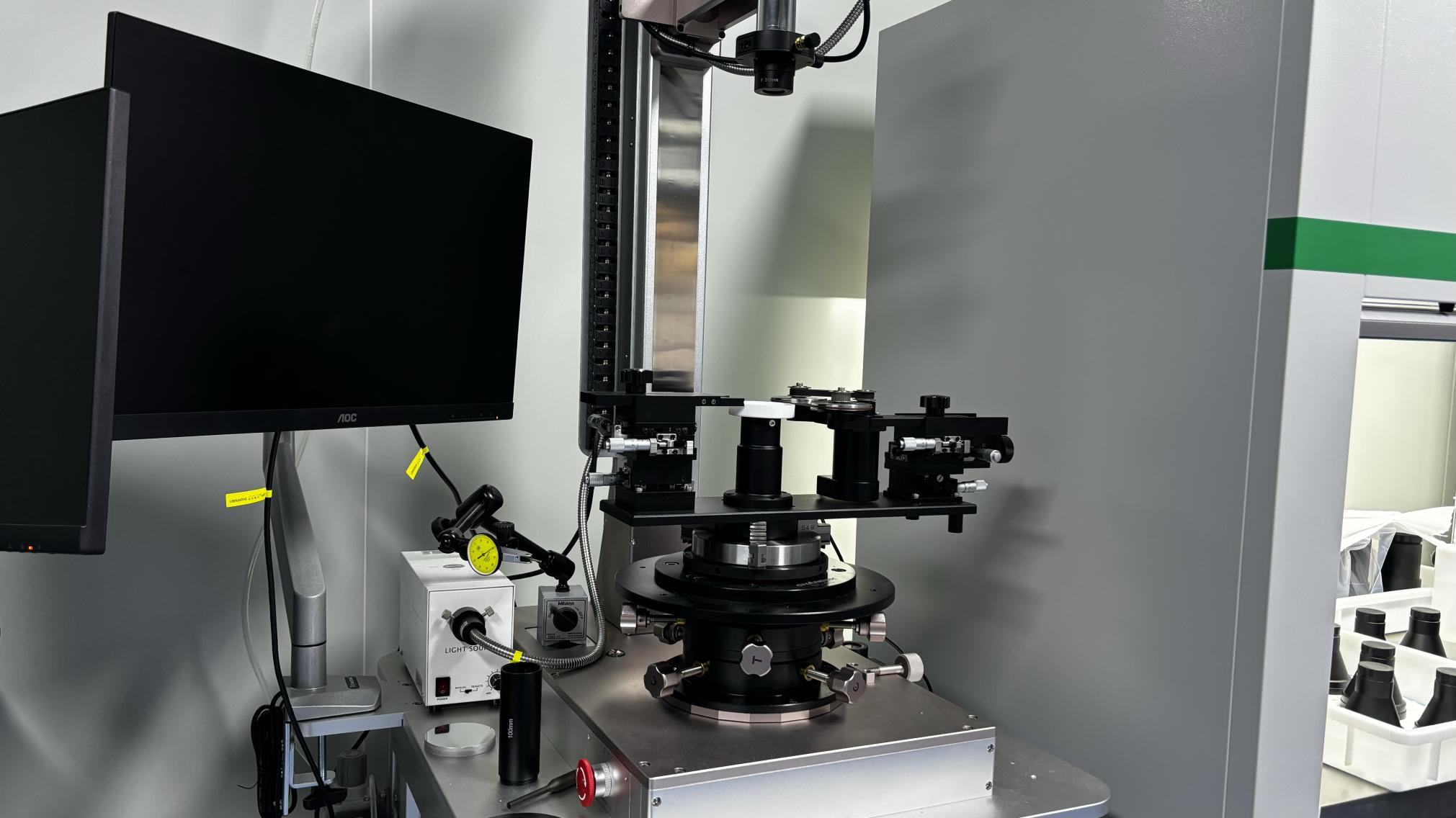
42 professional quality control personnel monitor our modern 380 sqm facility. Every optical module undergoes rigorous environmental and performance tests before shipment.
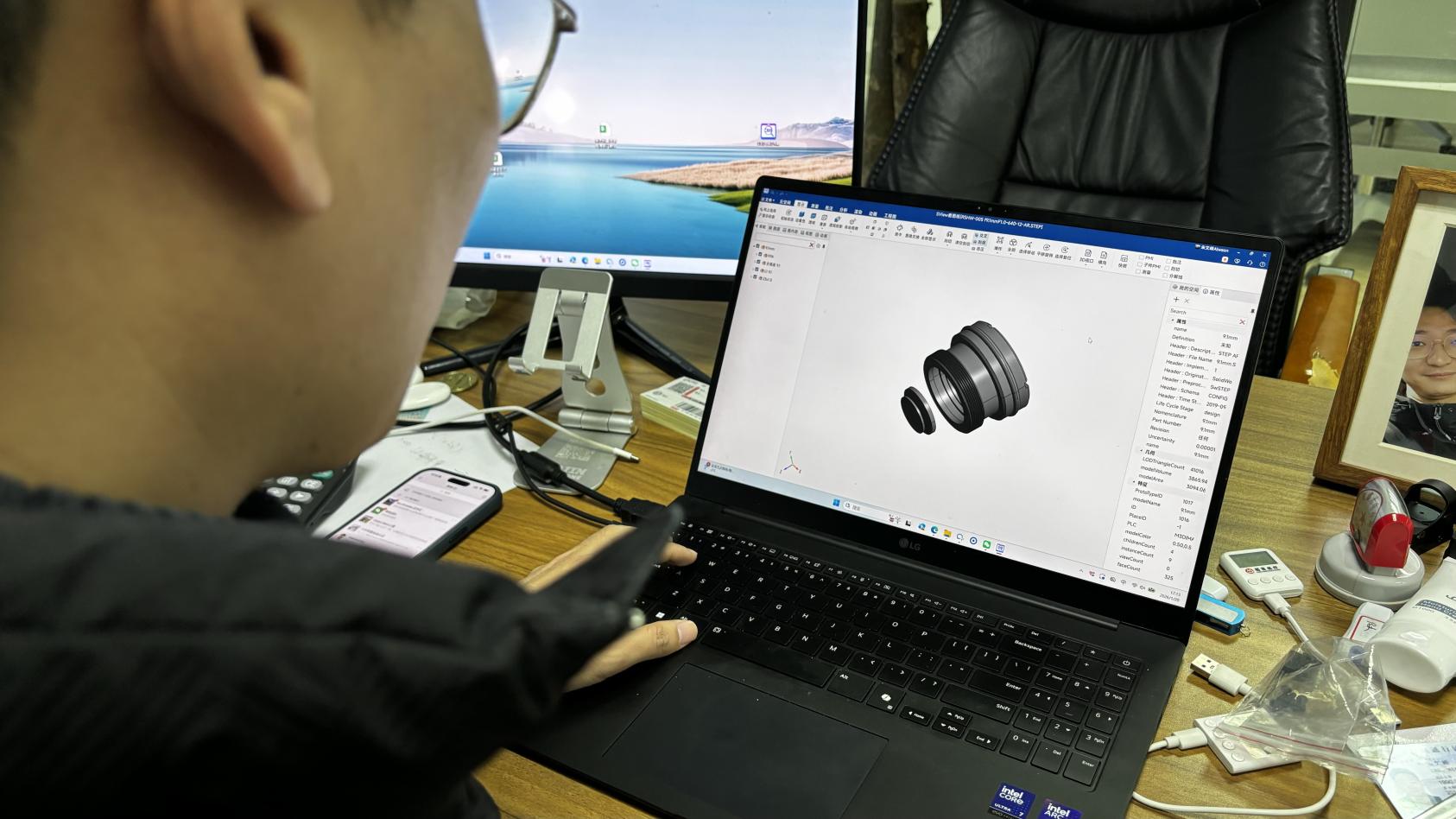
We provide tailormade hardware designs, customized labels, firmware configuration, and compatibility coding to match your specific legacy platforms.
Servicing North America, Europe, and Southeast Asia. We maintain stable transit times to Manila through strategic ocean and air freight logistics.
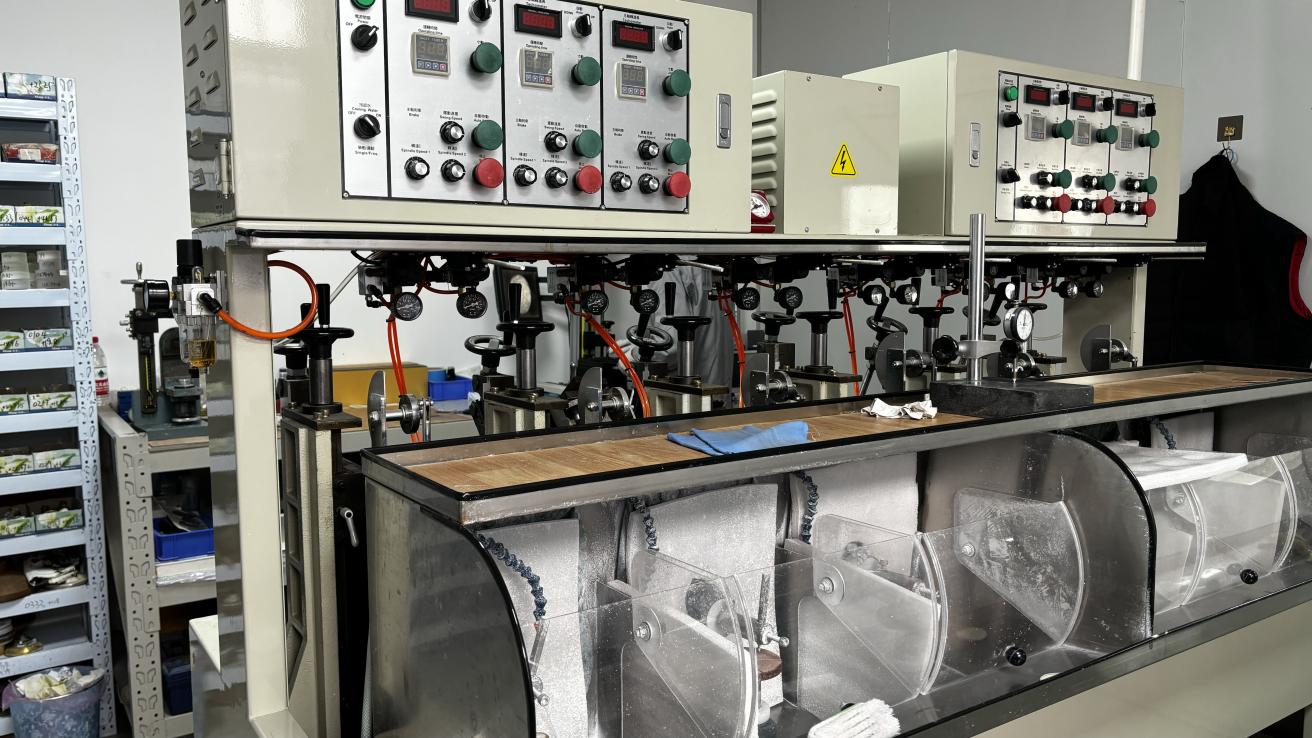
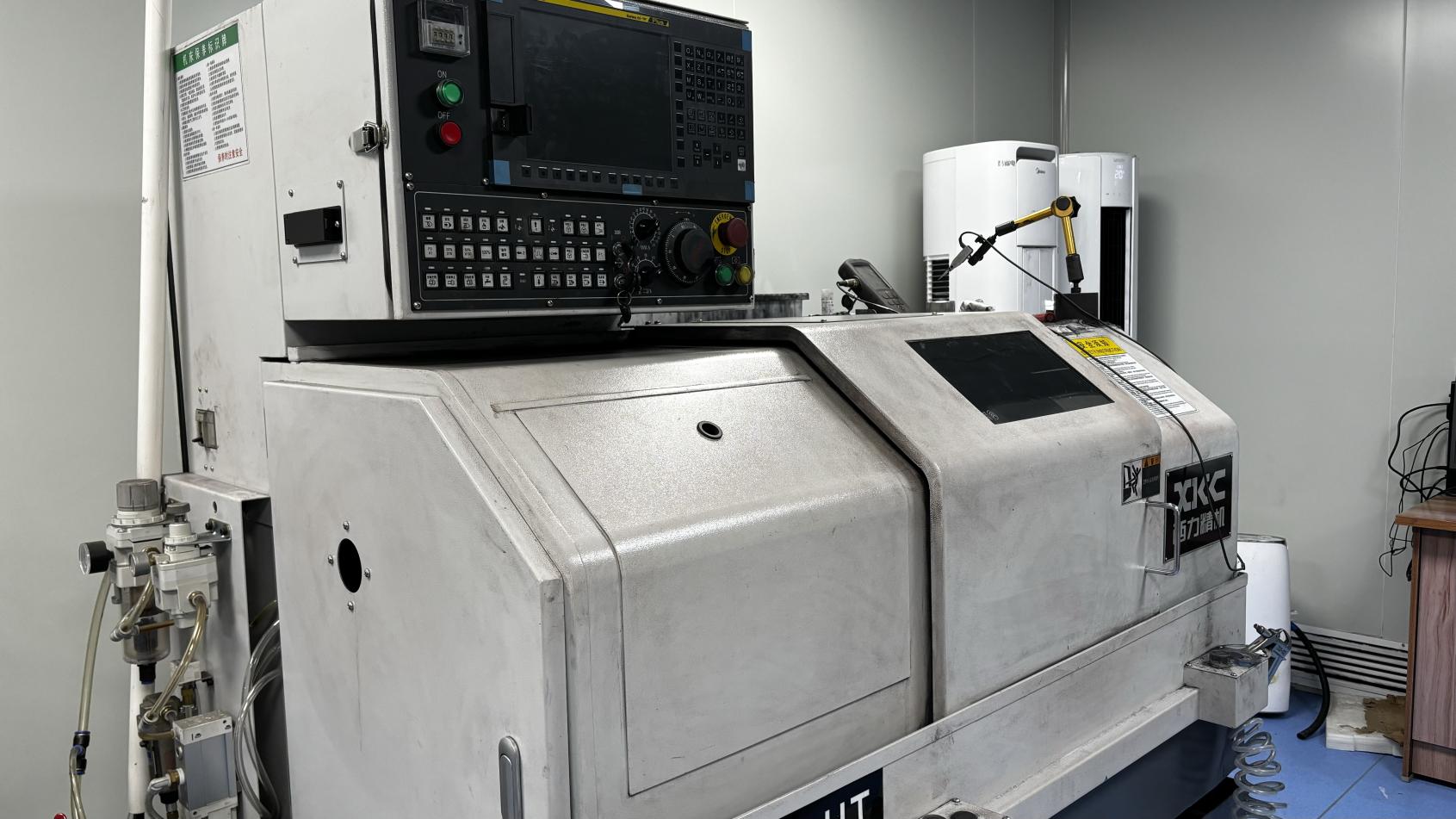
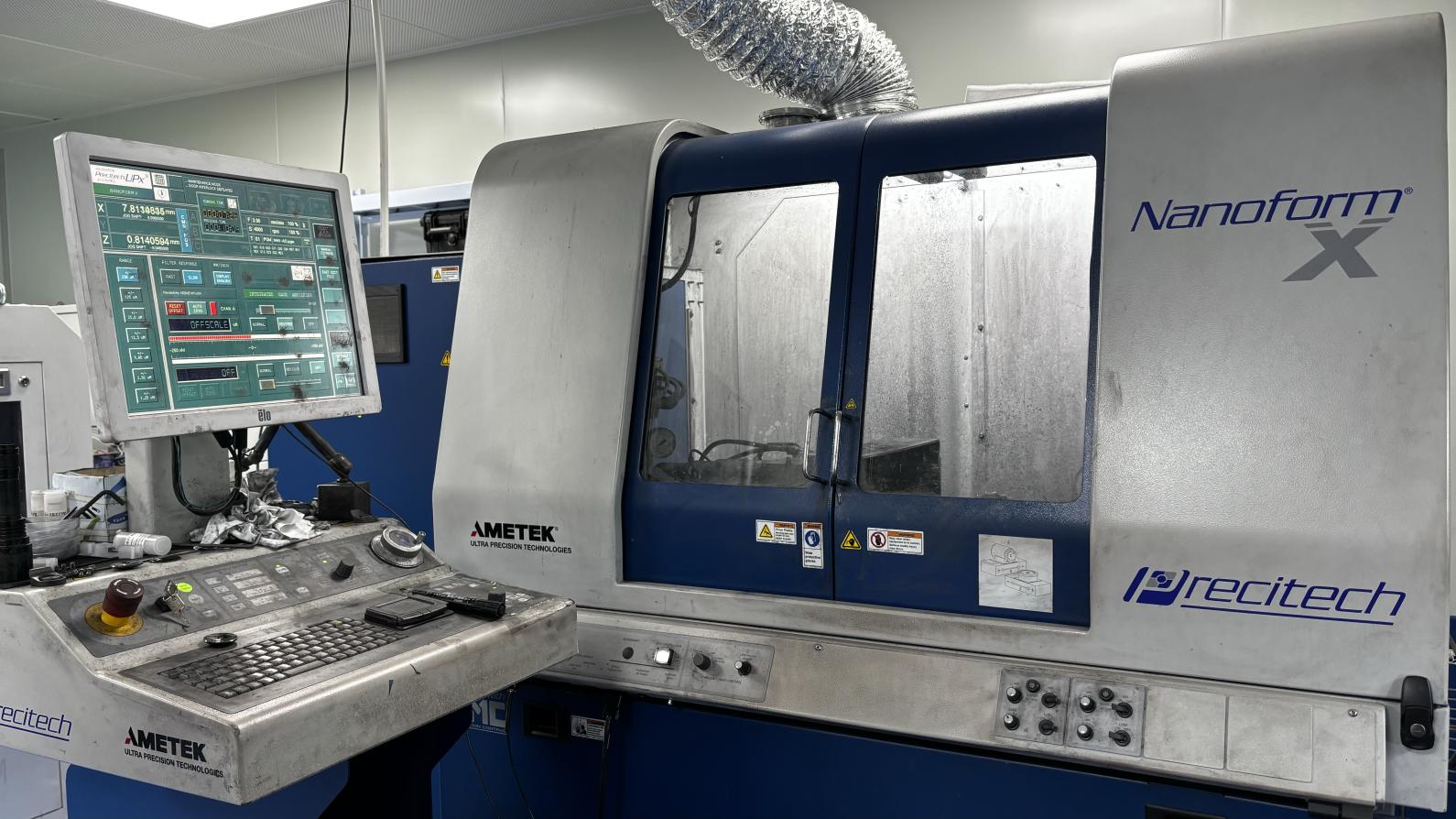
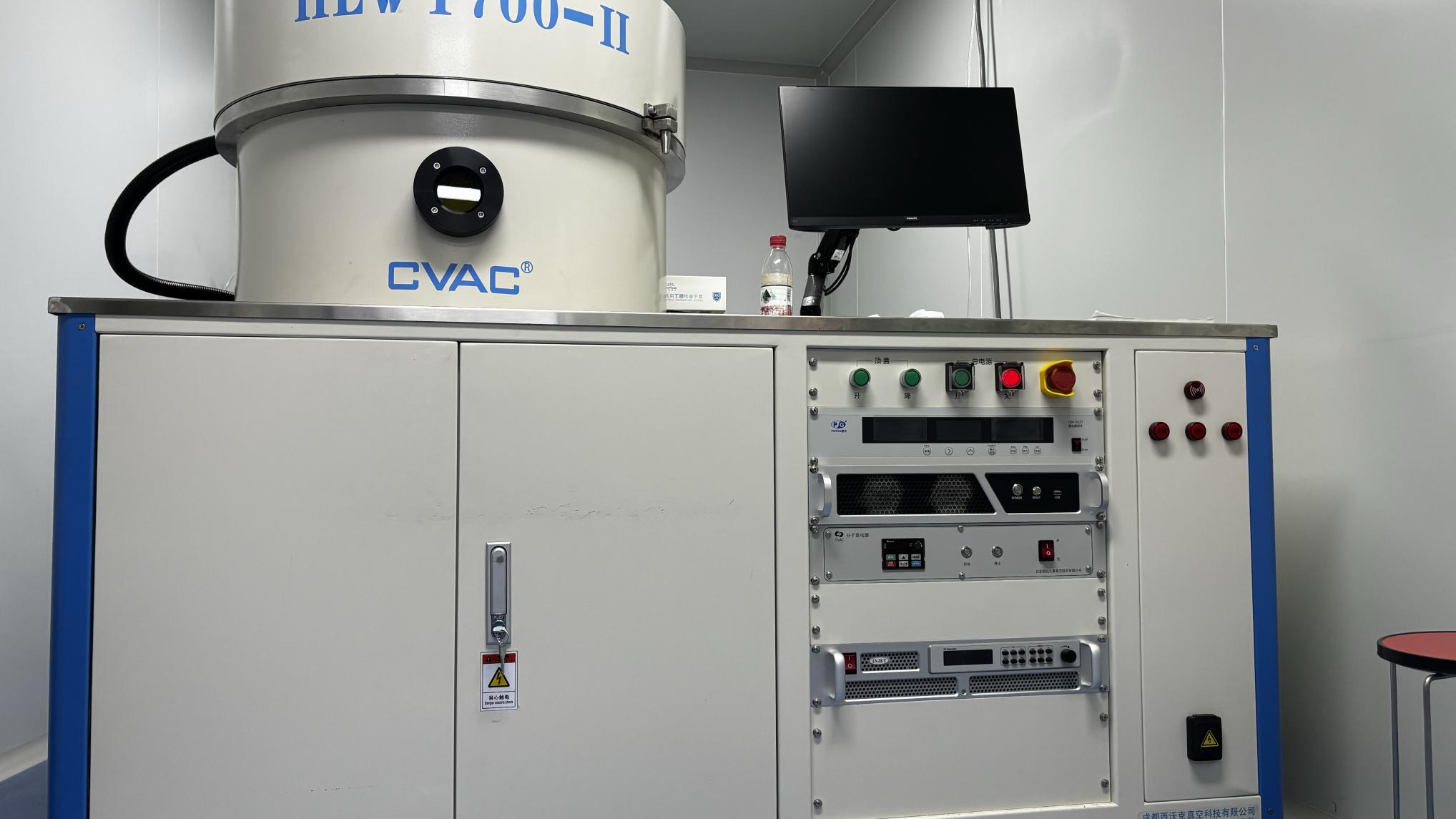
Under the leadership of our 126-engineer R&D division, our production line utilizes state-of-the-art manufacturing equipment to ensure optimal signal integrity.
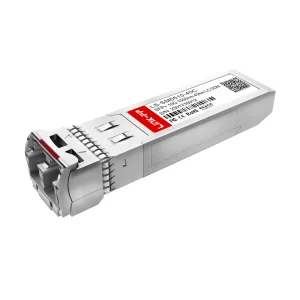
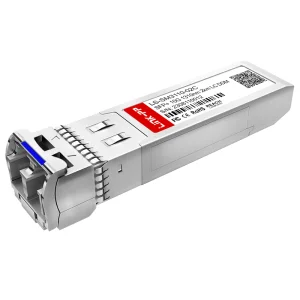
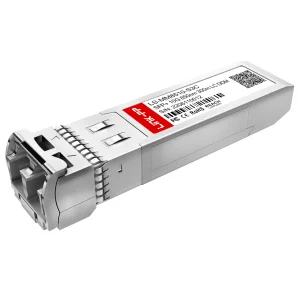
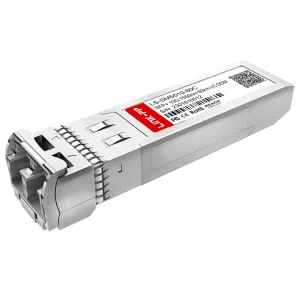
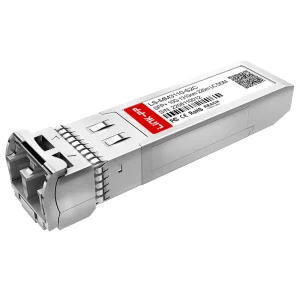
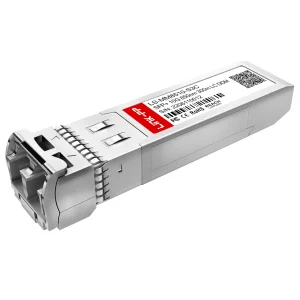
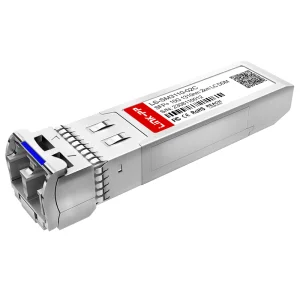
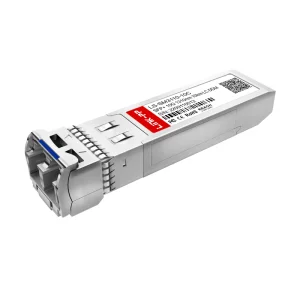
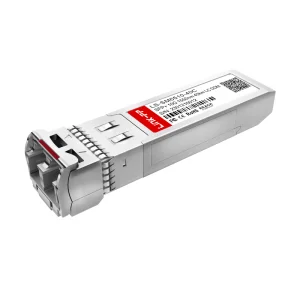
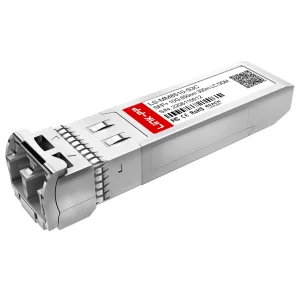
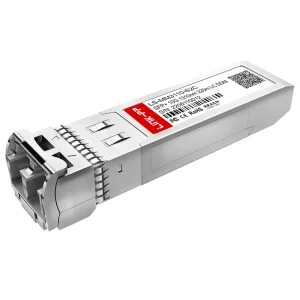
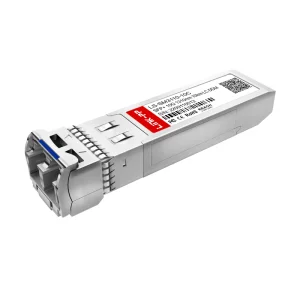
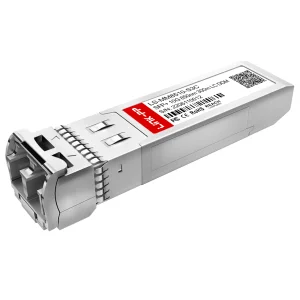
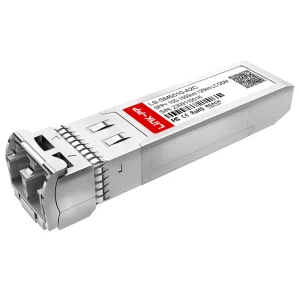
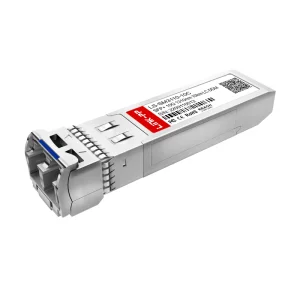
Select from our wide range of high-performance standard-compliant and compatible 10G SFP+ modules.
As network density and data demands grow, enterprise infrastructures must be planned with future scalability in mind. The current roadmap for Metro Manila data centers highlights a transition from legacy 10G ports to 25G (SFP28) and 100G (QSFP28) connections. However, 10G and 16G SFP+ modules remain critical building blocks for access layers, corporate intranets, and edge distribution nodes. Choosing modules that feature broad backwards compatibility is essential to protect existing hardware investments while building paths to higher-bandwidth deployments.
Specifically in banking, storage area networks (SAN) require dedicated fiber routing. The integration of 16G Fiber Channel (FC) SFP+ modules provides a dedicated pipeline for flash storage arrays, databases, and high-frequency transaction applications. Running at 14.025 Gbps, 16G FC matches the performance characteristics needed for data synchronization and low-latency storage access, making it a reliable solution for critical financial databases in Manila's major financial hubs.
Our manufacturing and testing processes focus on ensuring long-term reliability. By utilizing specialized mechanical components, spherical and aspheric lens polishing, and multi-layer interference coatings, FiddlLink transceivers offer excellent optical integrity and low insertion loss. This durable design helps minimize physical degradation and signal drift, keeping link performance stable over long deployments.
Technical support, compatibility details, and shipping logistics for optical transceiver imports into Manila.