FiddlLink
FiddlLink
FiddlLink
High-performance, latency-sensitive optical transceivers validated for complex metropolitan and enterprise access networks across Île-de-France.
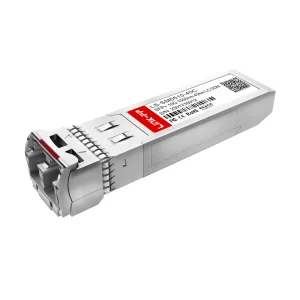
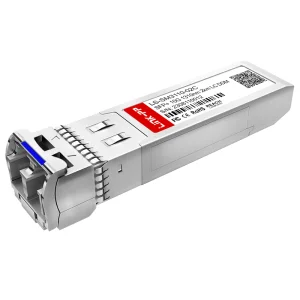
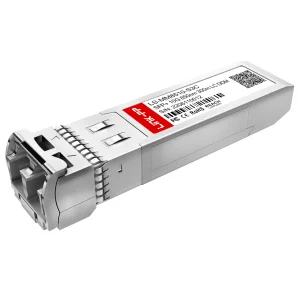
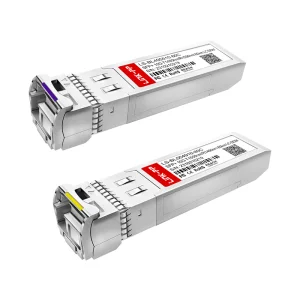
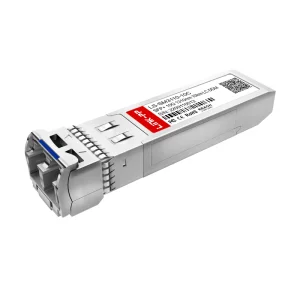
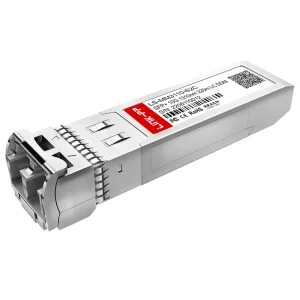
As a critical pillar of the FLAP-D (Frankfurt, London, Amsterdam, Paris, Dublin) datacenter market, the Île-de-France region is experiencing an unprecedented surge in digital growth. Driven by cloud expansion, financial processing at La Défense, and smart city transport networks (including the massive Grand Paris Express transit initiative), local network architects require incredibly robust interconnect frameworks. While speeds of 400G and 800G dominate backbone core paths, 10G SFP+ and 16G SFP+ modules remain the essential workhorses for access layers, cellular backhaul, industrial automation, and Storage Area Networks (SANs).
FiddlLink Optical Technology meets this demanding environment by delivering OEM/ODM telecom-grade optics engineered to survive rigorous industrial stress tests. With Paris aiming to become a global champion in green computing, our modules integrate advanced energy-saving chipsets that drastically minimize power consumption per port compared to legacy solutions.
Coded and tested locally for Cisco switch compatibility, saving up to 70% in CAPEX without compromising system telemetry.
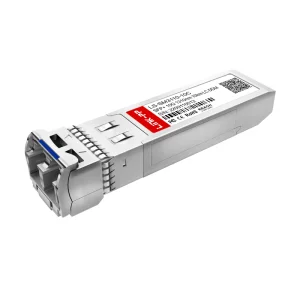
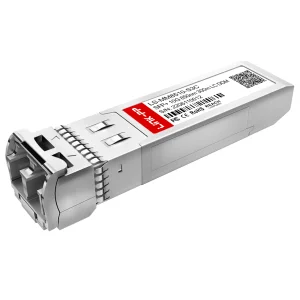
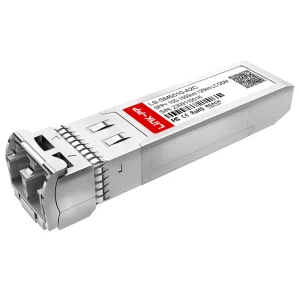
Designing optical pathways in Paris requires a granular understanding of dispersion, wavelength attenuation, and back-compatibility challenges. FiddlLink transceivers strictly adhere to SFF-8431, SFF-8432, and SFF-8472 MSA standards. This compliance guarantees integrated Digital Optical Monitoring (DOM), allowing networks to report real-time parameters such as temperature, laser bias current, RX/TX power, and voltage.
While 10G SFP+ modules serve standard Ethernet layers, 16G SFP+ transceivers are engineered specifically for Fibre Channel (FC) storage arrays. 16G FC uses 64b/66b coding schemes and operates at a line rate of 14.025 Gbps. This reduces protocol overhead and boosts transmission speeds by 40% compared to standard 8G FC networks. It is crucial for high-capacity backup nodes and low-latency financial storage loops.
| Transceiver Class | Typical Wavelength | Fiber Type | Link Distance Limit | Primary Parisian Use Case |
|---|---|---|---|---|
| 10GBASE-SR | 850nm | Multi-Mode (OM3/OM4) | 300m / 400m | Intra-rack and spine-leaf storage fabric in Aubervilliers datacenters. |
| 10GBASE-LRM | 1310nm | Multi-Mode / Single-Mode | 220m to 2km | Adapting older legacy OM1/OM2 multi-mode plant cabling in older central Paris sites. |
| 10GBASE-LR | 1310nm | Single-Mode (OS2) | 10km | Campus-scale connection linking administrative clusters in inner Paris. |
| 10GBASE-ER/ZR | 1550nm | Single-Mode (OS2) | 40km / 80km / 120km | Long-haul interconnect connecting suburban data rings around Saint-Denis and Versailles. |
| 10G BiDi (Bi-Directional) | TX1270 / RX1330nm | Single-Mode (Single Strand) | 20km - 80km | Maximizing bandwidth in fiber-constrained metropolitan transport trunks. |
| 16G Fibre Channel (FC) | 850nm / 1310nm | OM3 / OM4 / OS2 | 100m to 10km | Ultra-low latency SAN loops in banking centers. |
Our primary factory inventory supports single-mode, multi-mode, long-reach, and enterprise-tailored compatible lines designed for modern networks.
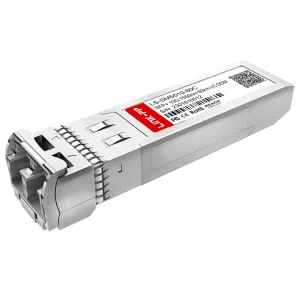
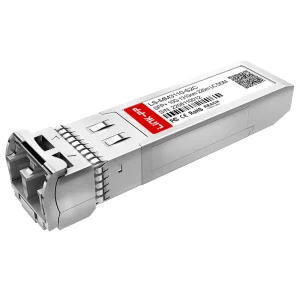
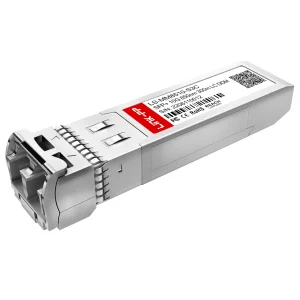
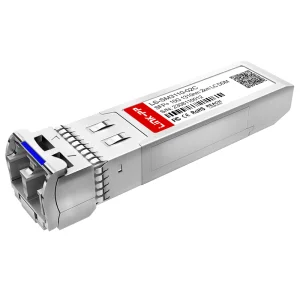
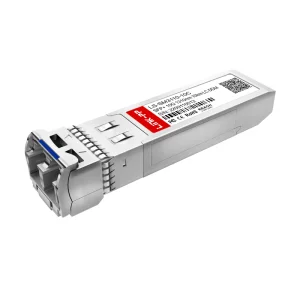
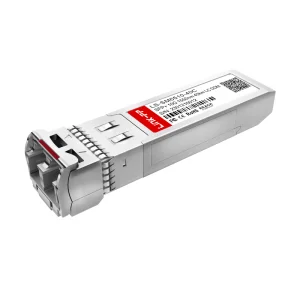
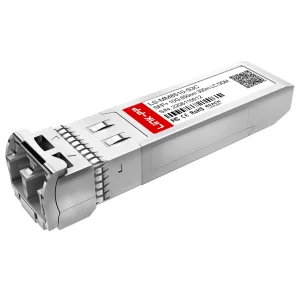
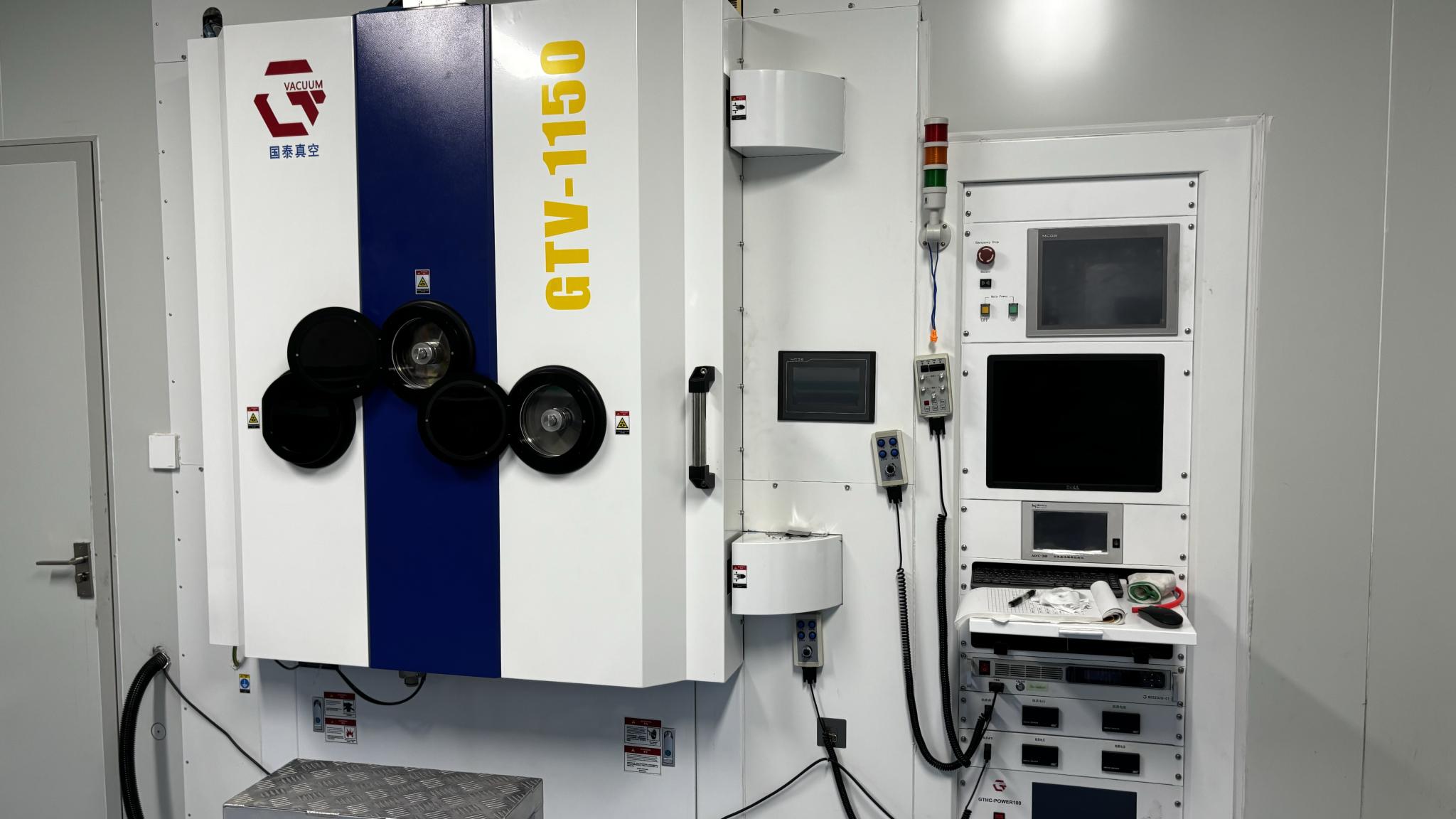
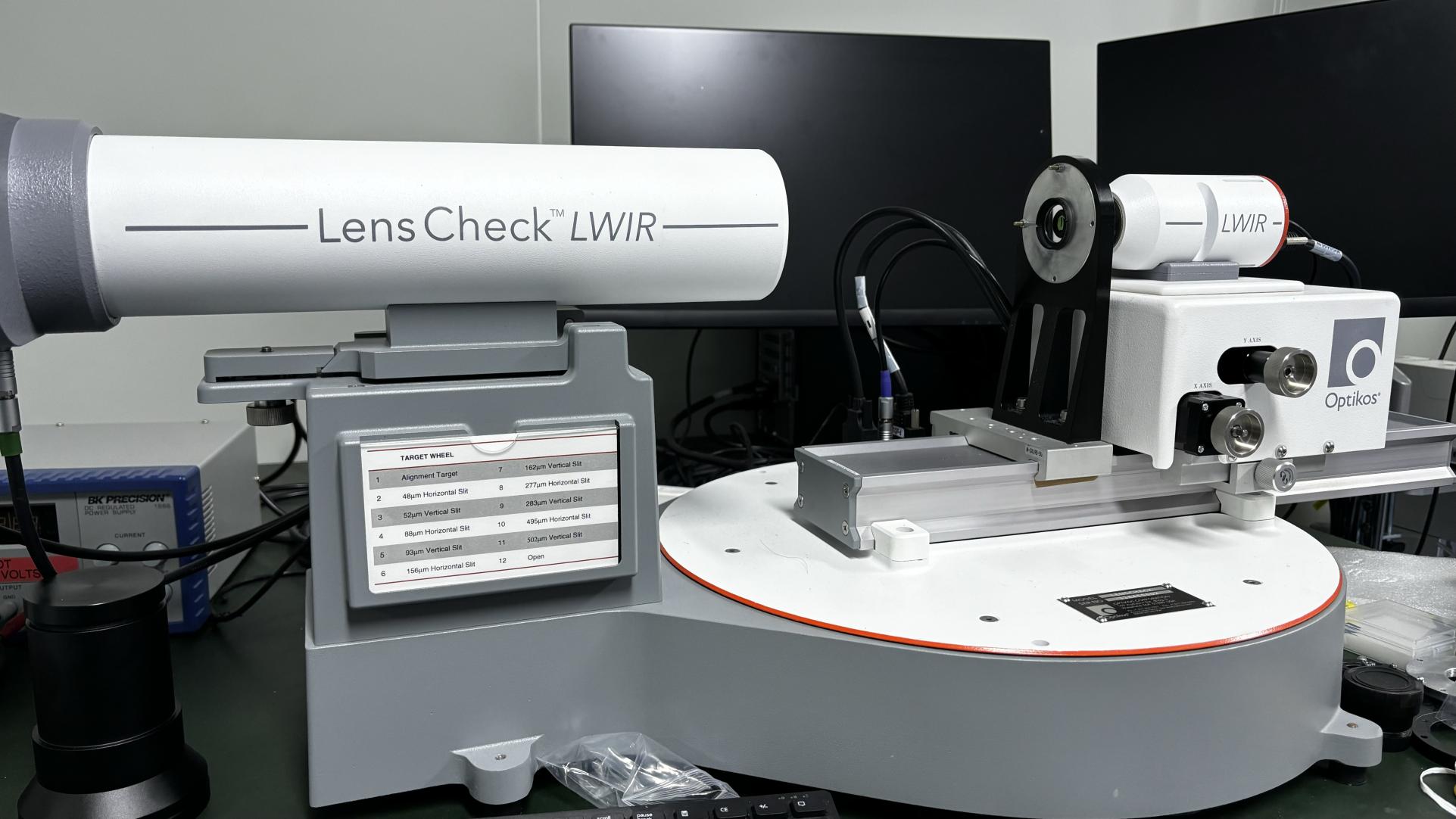
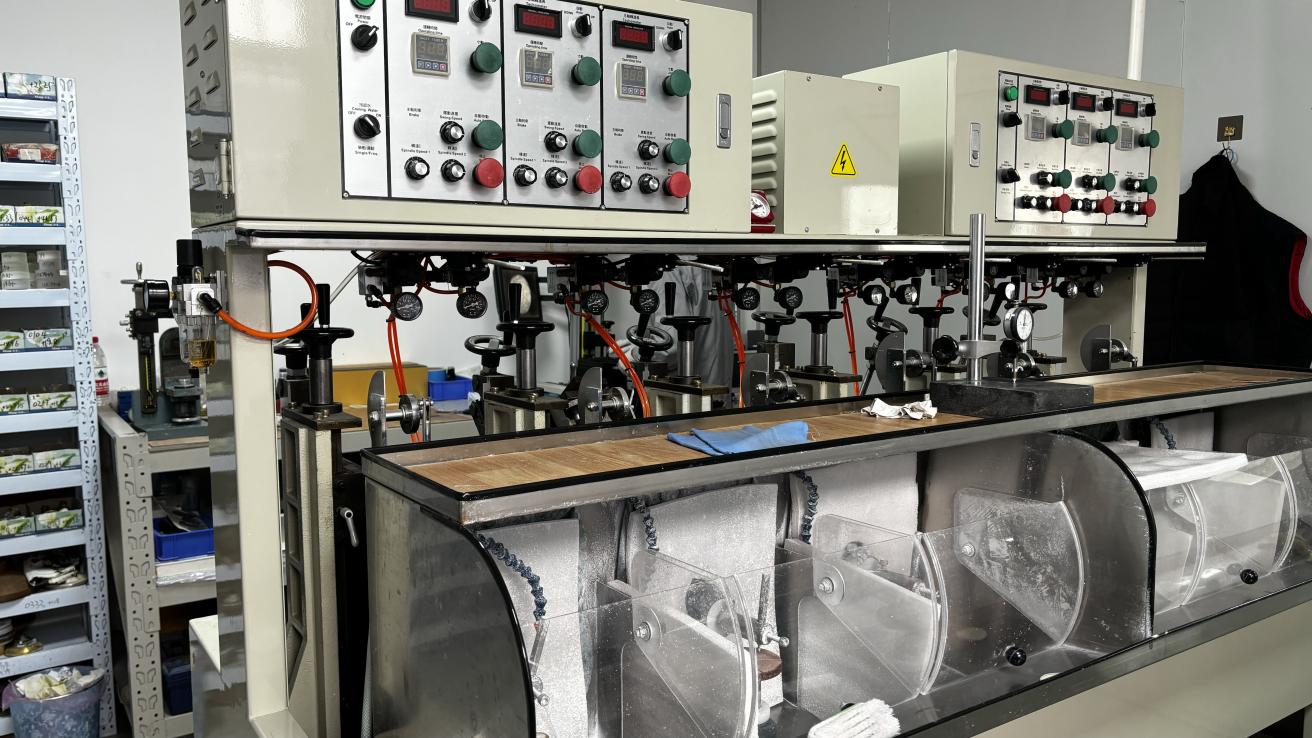
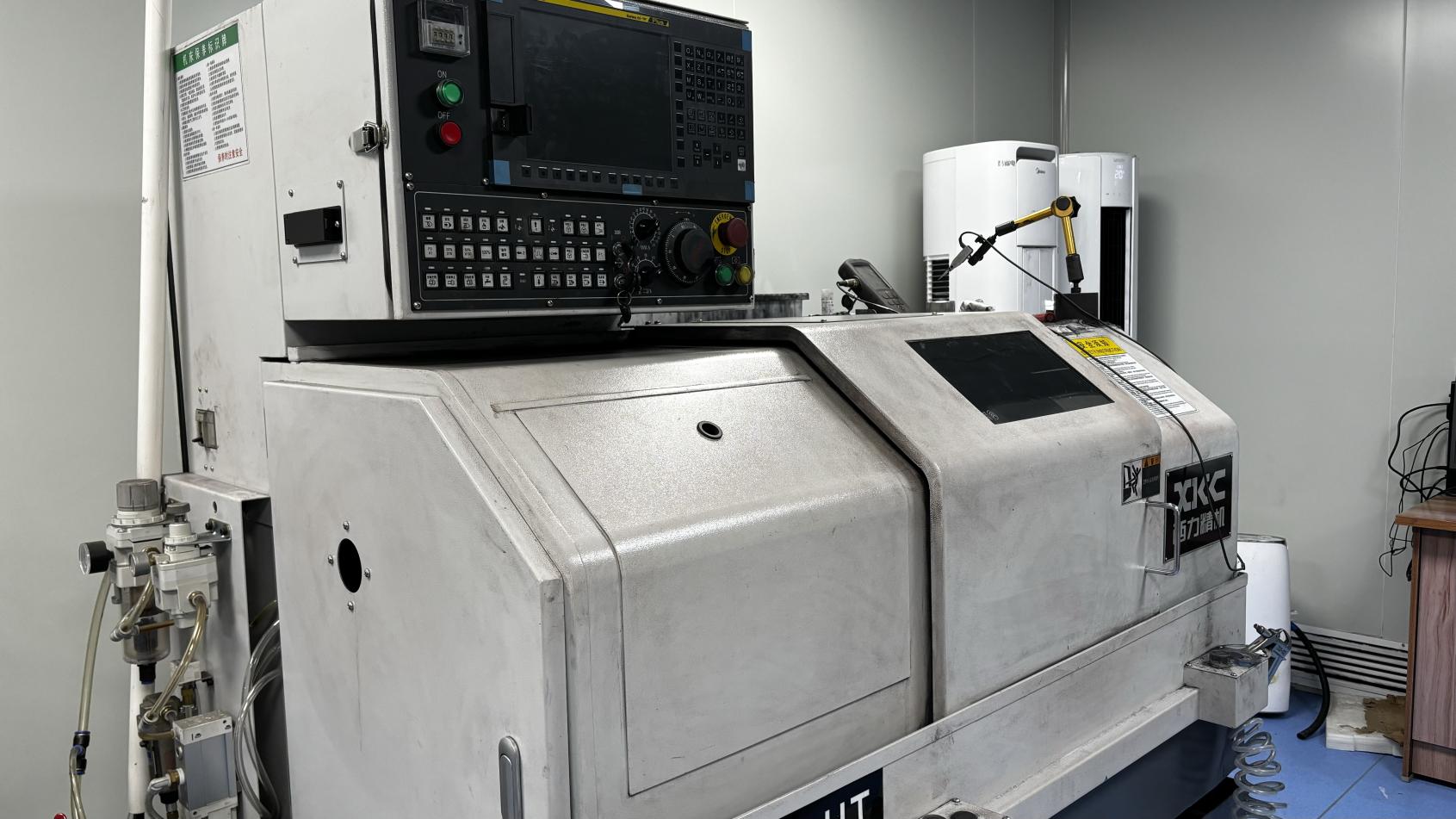
Our precision production facility utilizes advanced processing systems and stringent test protocols to guarantee sub-micron level component geometry and minimal optical loss.


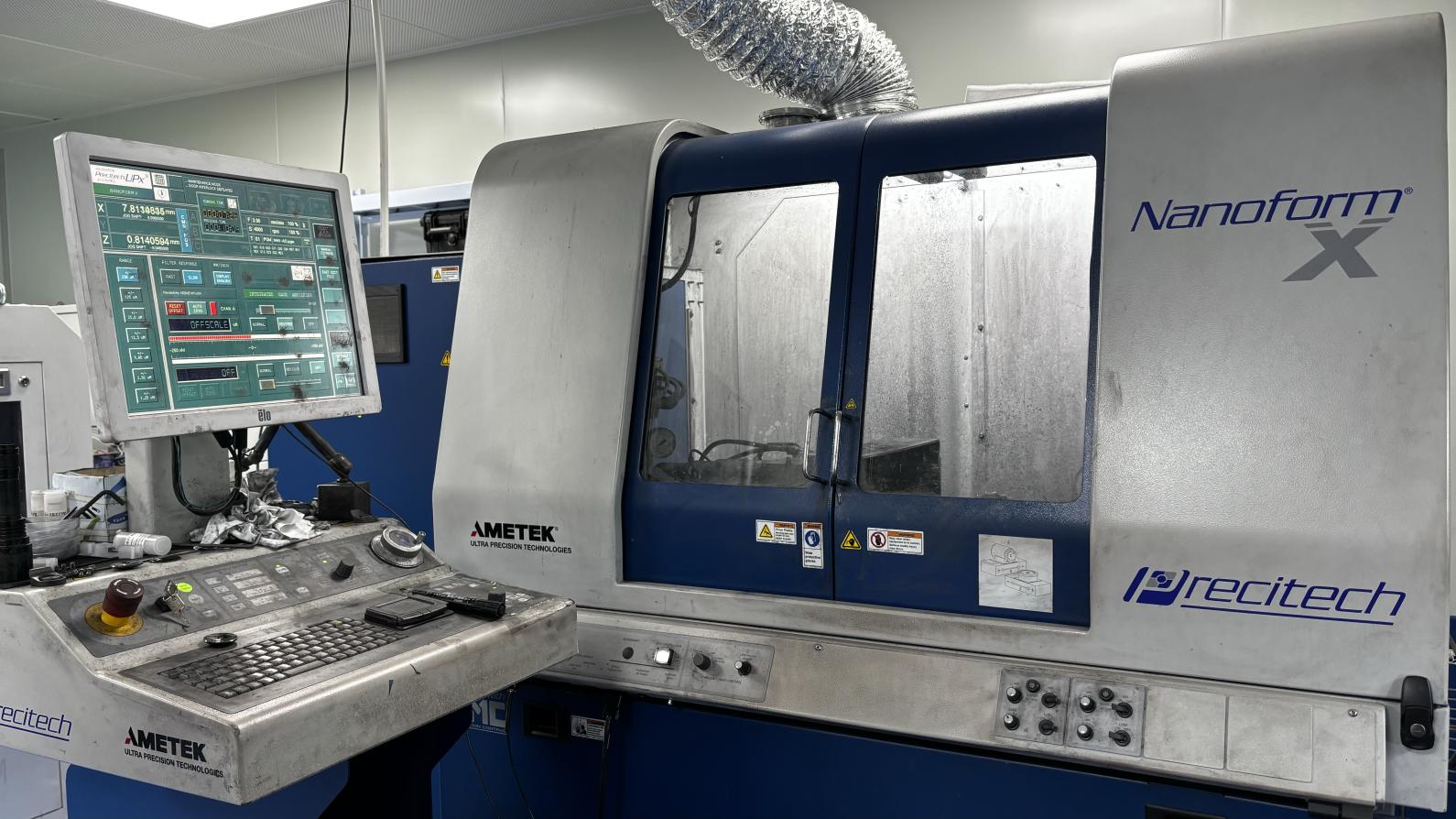
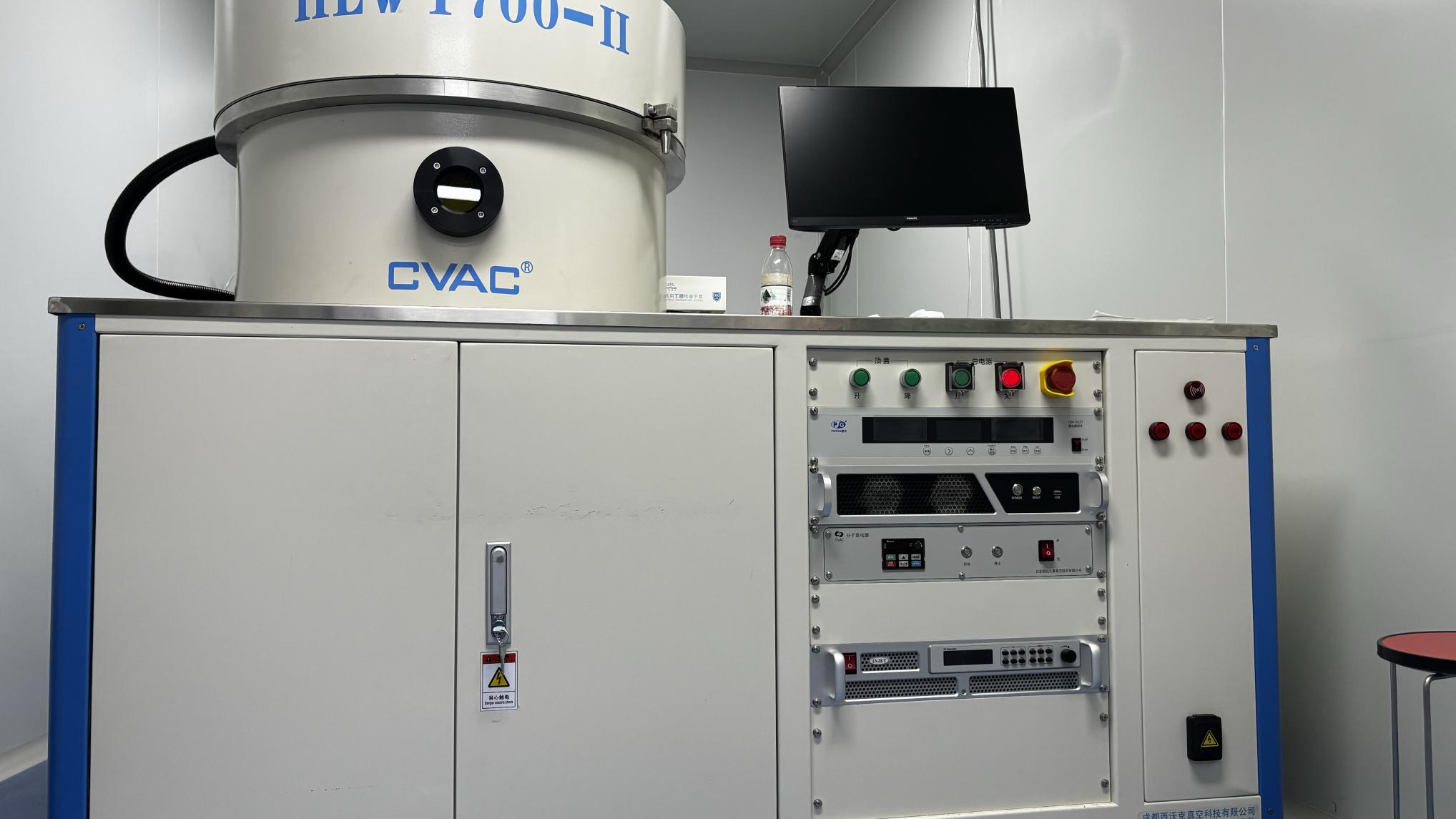


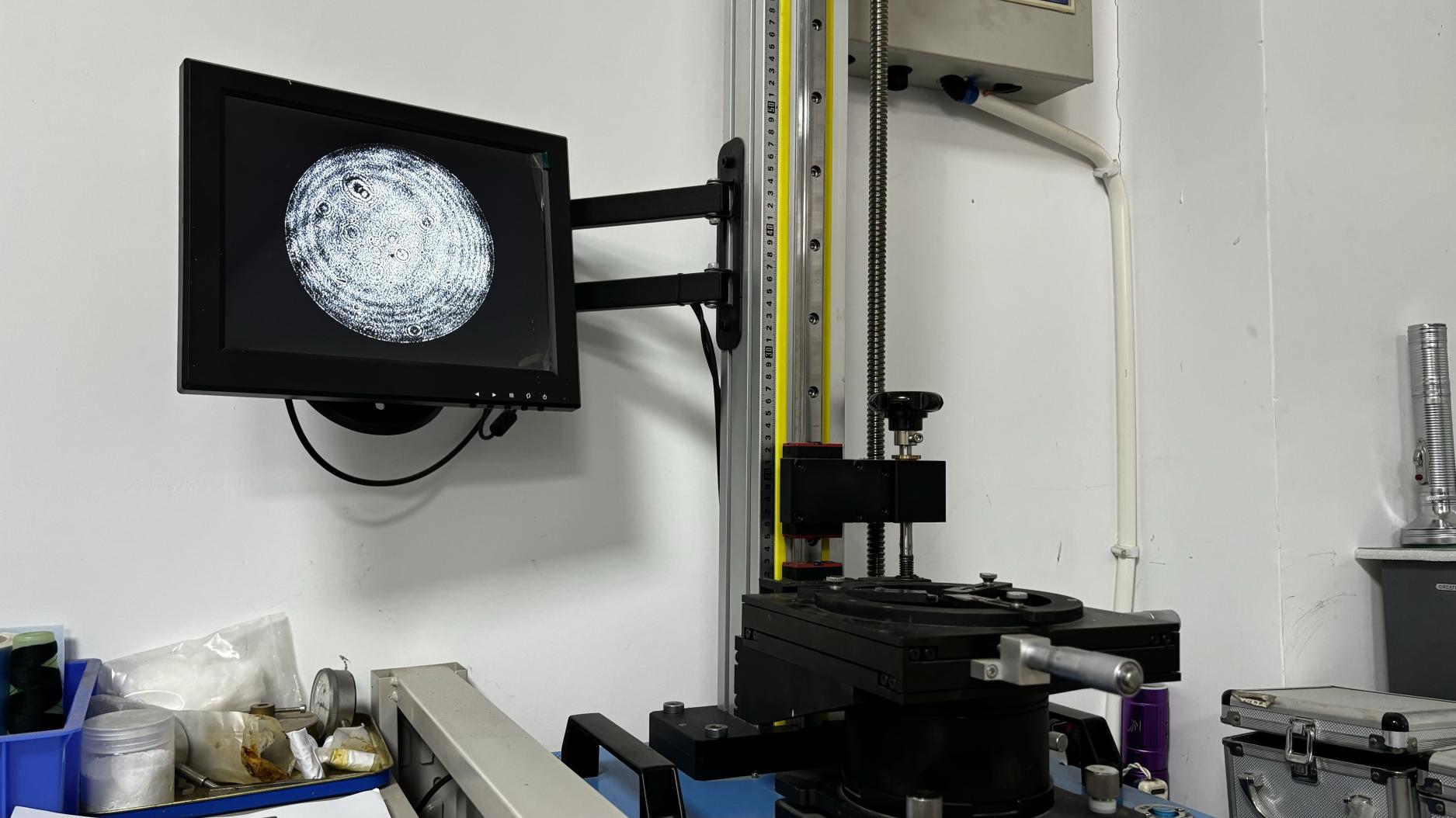
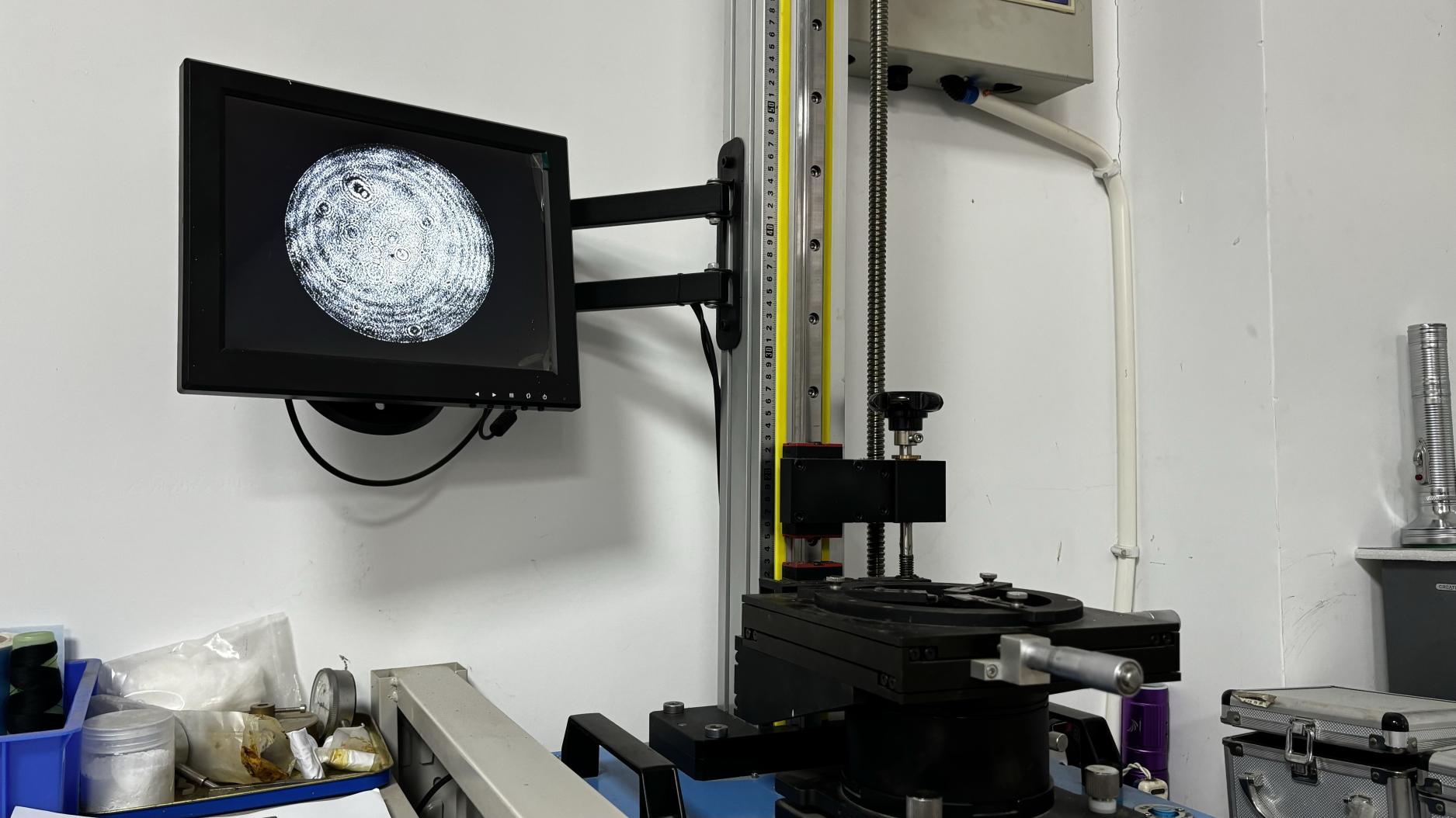
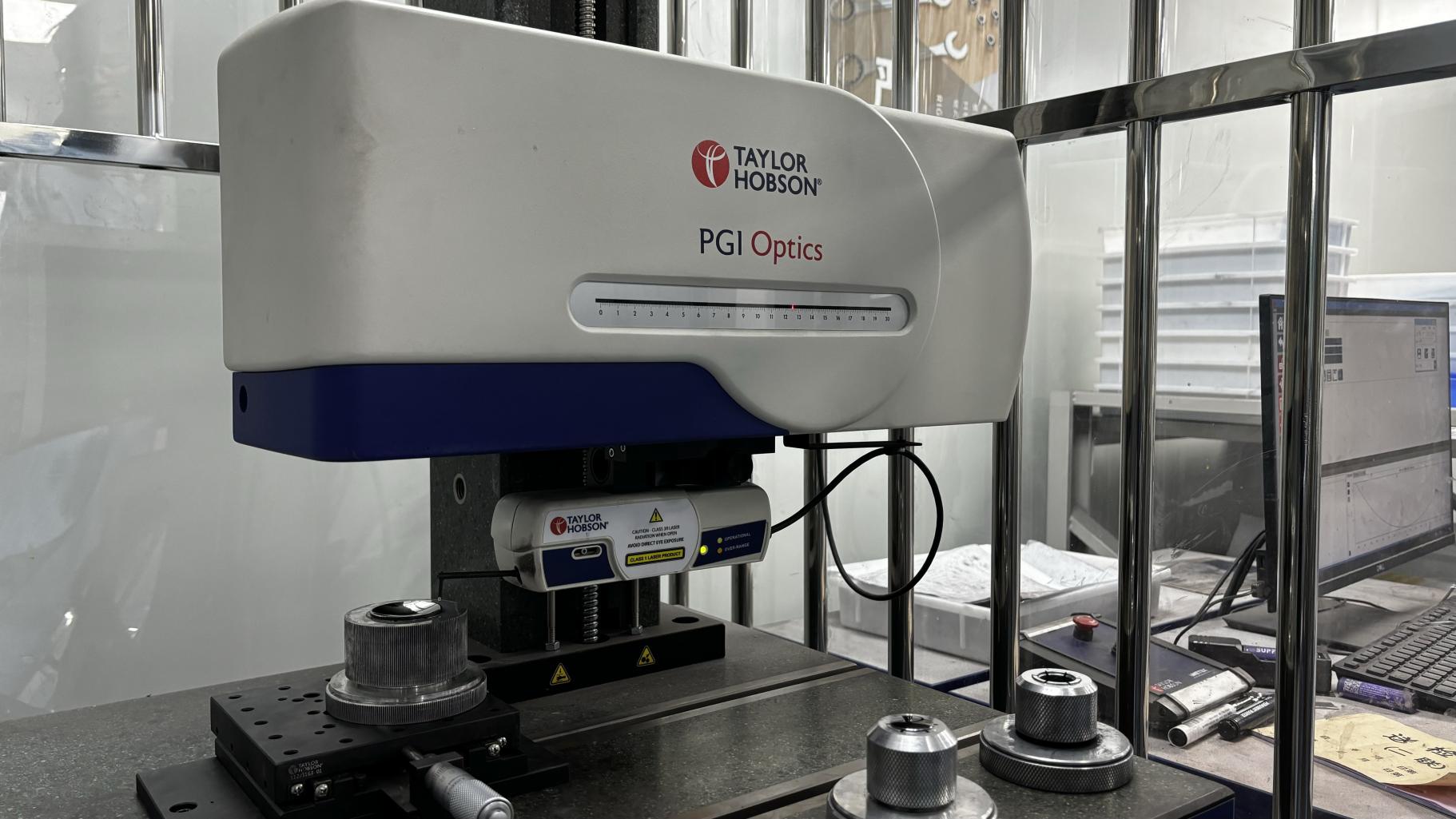
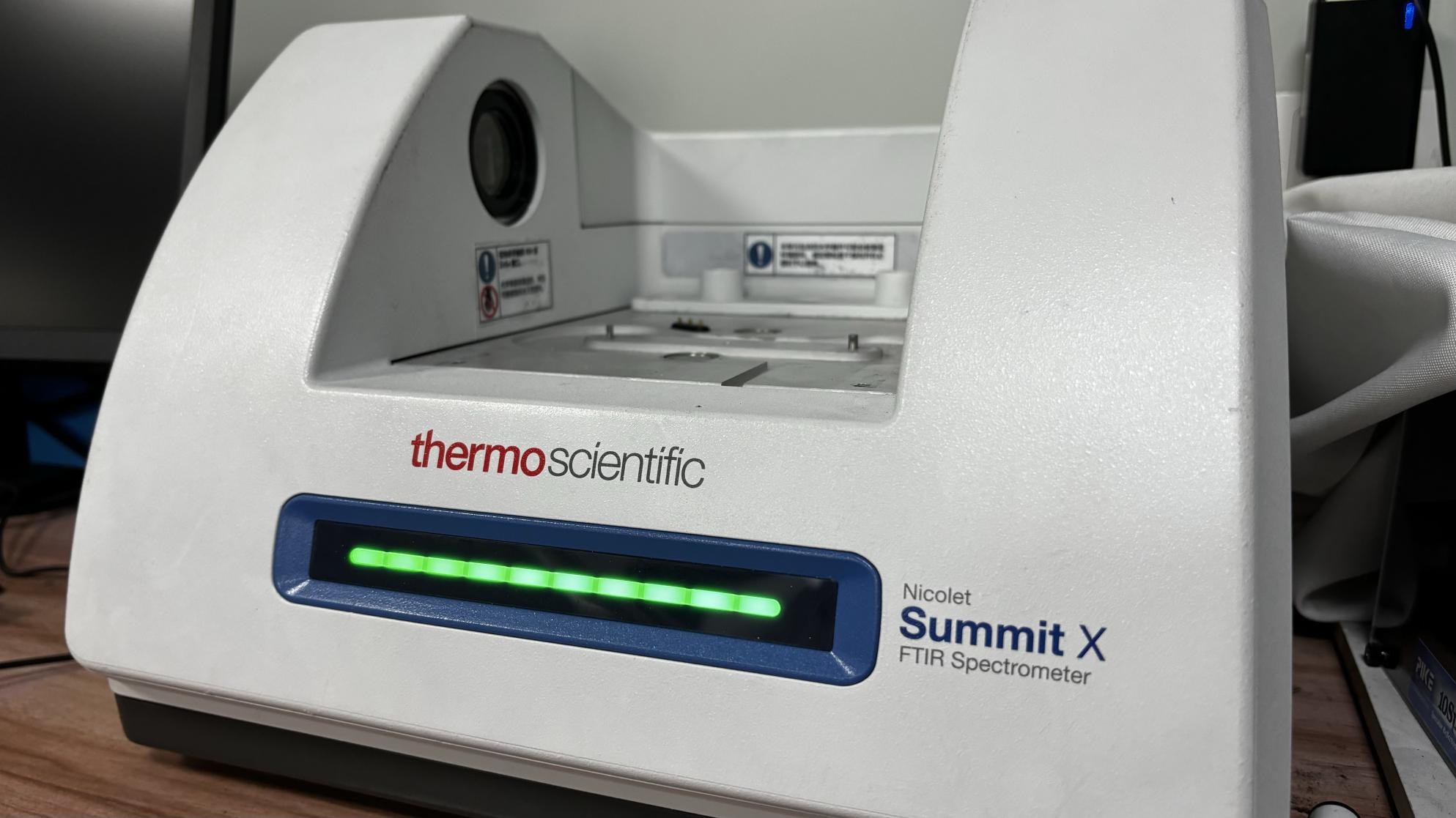
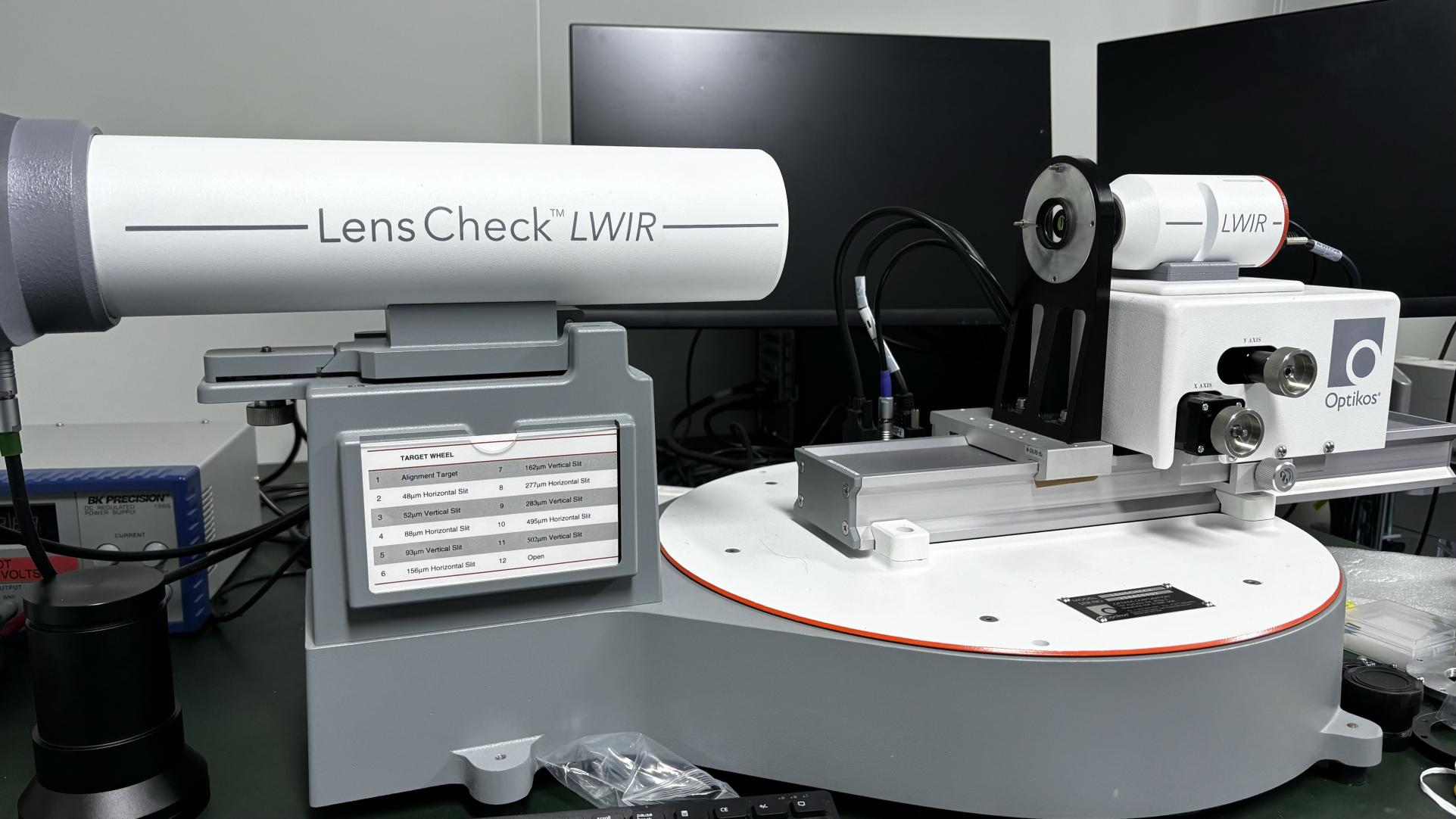

As network loads shift toward higher computing densities, planners must manage both immediate 10G/16G access limits and future migratability.
Deploying 10GBASE-LRM and BiDi transceivers to extract maximum utilization from existing OM1/OM2 multi-mode and single-strand single-mode networks across Paris administrative rings.
Expanding 16G Fibre Channel (FC) pathways across banking clusters. This delivers backward-compatible upgrades to legacy 8G SAN networks while preparing storage endpoints for future 32G FC transitions.
Upgrading physical layer modules to low-power transceiver architectures. Reducing active power dissipation to < 0.8W per SFP+ port helps facilities meet the European Energy Efficiency Directive (EED).
Founded in 2016, FiddlLink Optical Technology Co., Ltd. has established itself as an authoritative voice in high-reliability fiber optics. Operating out of our modern manufacturing facility, we design and produce optical solutions for telecom providers, enterprise infrastructure, and cloud systems worldwide.
We provide tailored OEM and ODM services. From customized hardware layouts and specialized label/packaging design to custom firmware, EEPROM compatibility programming, and custom brand packaging, FiddlLink enables seamless network deployment. Our R&D department continuously develops new technologies to meet changing market demands. In the past year alone, our engineering team launched 186 new products across various optical transceiver standards.
Every shipment includes complete test report documentation, detailing insertion loss profiles, BER (Bit Error Rate) performance, and temperature chamber cycle logs to ensure robust operation under variable conditions.
Technical answers regarding compatibility, compliance, and optical deployment across metropolitan networks.
The primary difference is the targeted networking protocol and transmission rates. 10G SFP+ is typically deployed for 10Gbps Ethernet (10.3125 Gbps) and 10G OTN networks. 16G SFP+ modules are engineered for Fibre Channel (FC) storage area networks, operating at 14.025 Gbps using 64b/66b line coding. They are backward-compatible with 8G and 4G Fibre Channel configurations, making them ideal for high-capacity enterprise storage hubs.
Yes, that is the primary use case for 10GBASE-LRM (Long Reach Multimode) modules. While standard SR modules require OM3/OM4 fiber to reach 300m, LRM modules use 1310nm lasers to transmit up to 220 meters over legacy 62.5um (OM1) and 50um (OM2) fiber infrastructure. A mode conditioning patch cord is typically recommended to prevent Differential Mode Delay (DMD) penalties.
BiDi modules allow transmit (TX) and receive (RX) signals to travel over a single strand of fiber by utilizing Wavelength Division Multiplexing (WDM). For example, a BiDi transceiver may transmit at 1270nm and receive at 1330nm. This configuration cuts fiber cabling leasing and deployment costs in half. This is a critical advantage for metropolitan dark fiber links across Paris.
Yes. FiddlLink transceivers can be custom-coded in our facility to match the EEPROM signatures of major vendors, including Cisco, Juniper, Arista, HPE, and Huawei. This ensures seamless integration, eliminates vendor-lockout warnings, and guarantees full DOM/DDM telemetry reporting within host platforms.
FiddlLink operates under an ISO9001:2015-certified quality management system with 42 QA inspectors. Our testing processes include incoming raw material verification, active alignment, laser interferometry for optical end-face geometry, and high-low temperature chamber cycling. This thorough validation ensures reliable performance and stable export quality.