FiddlLink FiddlLink

What is an optical transceiver supplier and why it matters?

Time:2026-08-13 Author:Aria
0%

In the realm of networking technology, an optical transceiver supplier plays a crucial role. These suppliers provide essential devices that enable high-speed data transmission over optical fibers. They are pivotal in modern communication systems, supporting the demand for faster internet and efficient data centers.

Choosing the right optical transceiver supplier can significantly impact performance and reliability. A reputable supplier not only offers quality products but also technical expertise. This expertise helps businesses understand their specific needs and integrate the right solutions seamlessly.

However, it is essential to reflect on the process of selecting a supplier. Not all suppliers are created equal. Some may lack experience or provide subpar support. Therefore, thorough research and evaluation are vital. This diligence ensures that organizations can maintain a competitive edge in an ever-evolving digital landscape.
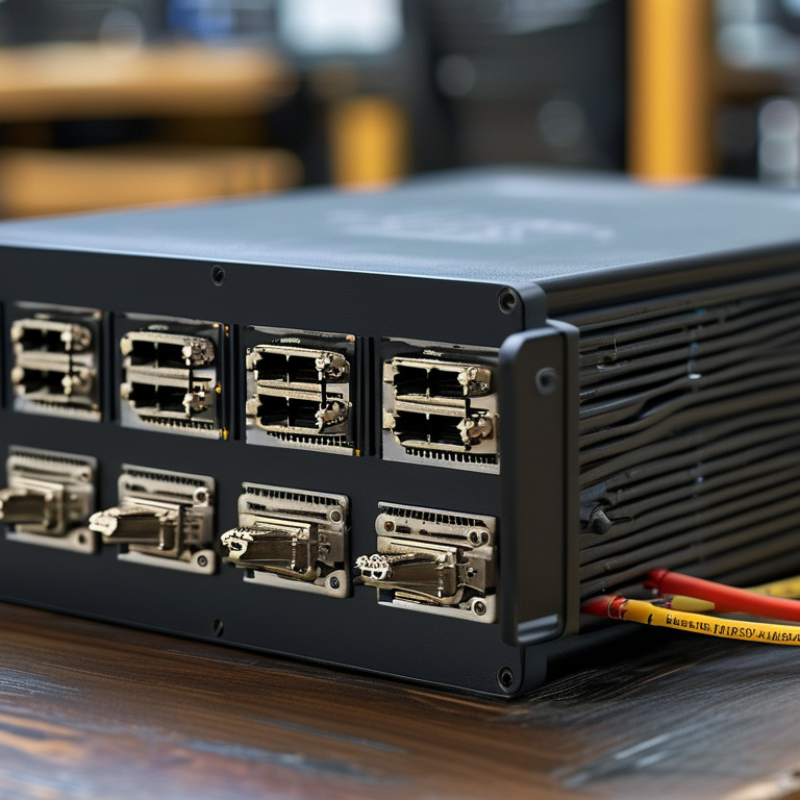
What is an optical transceiver supplier and why it matters?

What is an Optical Transceiver and Its Role in Modern Networking?

Optical transceivers play a pivotal role in modern networking. These devices convert electrical signals into optical signals for transmission over fiber optics. They bridge different layers of networking, making data transfer more efficient. According to industry reports, the global optical transceiver market is expected to reach $10 billion by 2025. This rapid growth highlights their significance in data centers and telecommunication networks.

Their importance extends beyond simple data transmission. Optical transceivers significantly increase bandwidth capacity. They can transmit data at speeds exceeding 400 Gbps, catering to the needs of high-demand applications. As online content consumption soars, the need for faster and more reliable connections increases. However, the rise in demand also presents challenges. Ensuring compatibility and reliability across different platforms can be complex and often requires updates and adjustments.

Despite their advantages, the optical transceiver sector faces growing pains. The rapid pace of technology can lead to frequent obsolescence. Vendors may struggle to keep up, creating gaps in service. Furthermore, environmental concerns about electronic waste and energy consumption are critical issues. Companies must address these challenges to ensure sustainable advancement in networking technologies.

Key Components of Optical Transceivers: What You Need to Know

Optical transceivers play a crucial role in modern telecommunications. They convert electrical signals into optical signals and vice versa, enabling high-speed data transmission over fiber optic cables. This conversion is vital in maintaining the integrity and speed of data communication. According to a report from Grand View Research, the optical transceiver market is projected to reach USD 12.6 billion by 2027, driven by increasing demand for bandwidth and cloud services.

Key components of optical transceivers include lasers, photodetectors, and modulators. Lasers are responsible for generating light signals. These signals transmit data over long distances. Photodetectors, on the other hand, receive these signals and convert them back into electrical signals. Modulators are essential for controlling the light’s intensity, phase, or frequency. Each component must work in harmony for optimal performance.

As technology evolves, new challenges arise. The integration of more advanced features can lead to increased complexity and higher costs. Striking a balance between performance and affordability is a continuous challenge for suppliers. In addition, maintaining compatibility with existing networks can complicate the design process. Understanding these components and their roles is essential for anyone involved in optical networking.

Market Trends: The Growth of the Optical Transceiver Industry

The optical transceiver industry is witnessing significant growth. According to a recent market report, it is projected to reach USD 9 billion by 2026, expanding at a CAGR of approximately 16%. This surge reflects the increasing demand for high-speed internet connections, which are powered by optical transceivers. As digital communication grows, organizations are investing in advanced networking technologies. The need for faster data transmission is reshaping the market dynamics.

In addition to the demand driven by internet services, the rise in cloud computing and IoT applications is notable. These sectors are propelling the need for reliable and high-performance optical transceivers. Emerging technologies such as 5G are also influencing the growth. They require advanced transceivers to support increased bandwidth and lower latency. However, the industry faces challenges like supply chain disruptions and fluctuating material costs. Companies need to adapt quickly to these changes while maintaining quality.

Despite the promising figures, the industry must address skill gaps in the workforce. There’s a pressing need for professionals who understand optical technologies. Investing in education and training will be crucial for maintaining growth. Companies that overlook this may struggle to keep up with rapid advancements. The optical transceiver market is evolving, but it requires careful consideration of both opportunities and challenges.

Choosing an Optical Transceiver Supplier: Key Factors to Consider

Choosing an optical transceiver supplier involves critical considerations for organizations investing in networking infrastructure. The first factor is reliability. Suppliers must demonstrate a history of producing high-performance transceivers. This ensures consistent data transmission with minimal downtime. Understanding their track record can prevent costly delays and interruptions.

Next, consider the level of expertise offered. A supplier should provide comprehensive support for various optical transceiver types. Their knowledge helps address issues quickly. Clarity in documentation and customer service is crucial. Suppliers need to communicate complex technical details effectively. Look for user experiences and reviews that reflect the supplier’s expertise in practical situations.

Compatibility is another key issue. Transceivers must integrate seamlessly with existing systems. A good supplier offers a wide range of products that can fit different applications. They should also have flexibility for future upgrades. Evaluate how their products meet your current and future needs. Sometimes, compromises in features could lead to significant efficiency losses later on. Prioritize suppliers who prioritize your long-term goals alongside your immediate needs.

What is an optical transceiver supplier and why it matters? - Choosing an Optical Transceiver Supplier: Key Factors to Consider

Feature Importance Example Metrics
Product Quality Ensures reliability and performance in network applications MTBF (Mean Time Between Failures), Compliance with industry standards
Pricing Directly affects the total cost of ownership Price per unit, bulk discounts
Support and Service Critical for troubleshooting and maintenance efficiency Response time, availability of support personnel
Product Range Availability of various types of transceivers for different applications Different wavelengths, data rates, form factors
Lead Time Affects project timelines and deployment of network infrastructure Average lead time in days, stock availability
Reputation Influences trust and perceived reliability of products Customer testimonials, industry awards

Impact of Optical Transceiver Suppliers on Network Performance and Reliability

Optical transceiver suppliers play a crucial role in shaping network performance. These suppliers provide the hardware that converts electrical signals to optical signals and vice versa. High-quality transceivers ensure faster data transmission and lower latency. They also impact network reliability significantly. A reliable transceiver reduces the risk of network failures.

Low-quality suppliers can lead to issues such as increased signal loss and inconsistent performance. Users may face disruptions during critical operations, affecting overall productivity. It’s essential to evaluate suppliers based on their production quality and track record. Networking professionals often reflect on their supplier choices after experiencing challenges.

Collaboration with experienced suppliers can yield substantial benefits. They can provide insights into the latest technologies, ensuring that networks remain up-to-date. Installing upgraded transceivers may seem expensive initially, but the long-term advantages outweigh the costs. It is important to continuously assess and rethink supplier relationships to enhance network efficiency.

Impact of Optical Transceiver Suppliers on Network Performance and Reliability

FAQS

: What is the main function of optical transceivers?

: Optical transceivers convert electrical signals to optical signals and vice versa. They enable high-speed data transmission.

What are the key components of optical transceivers?

Key components include lasers, photodetectors, and modulators. Each component plays a vital role in data transmission.

Why is reliability important in choosing a supplier?

Reliability ensures consistent data transmission with minimal downtime. A supplier's track record can prevent costly disruptions.

How does expertise influence supplier selection?

A knowledgeable supplier offers comprehensive support and addresses issues quickly. Effective communication is also crucial for understanding.

What role do compatibility and future upgrades play in transceiver selection?

Transceivers must integrate seamlessly with existing systems. Flexibility for future upgrades is essential to meet evolving needs.

How do low-quality suppliers impact network performance?

Low-quality suppliers may lead to signal loss and interruptions. This can affect overall productivity during critical operations.

Why evaluate suppliers after challenges occur?

Professionals often reflect on their choices post-issues. This assessment can guide better supplier selections in the future.

What are the long-term benefits of collaborating with experienced suppliers?

Experienced suppliers provide insights on the latest technologies. Upgrading transceivers can yield significant long-term advantages.

What can compromise features lead to in transceiver performance?

Compromise in features may cause significant efficiency losses later. Long-term goals should be prioritized alongside immediate needs.

Conclusion

An optical transceiver plays a crucial role in modern networking by facilitating high-speed data transmission over optical fibers. This device combines both transmission and reception functionalities, enabling seamless communication between various network components. Understanding the key components of optical transceivers, including lasers, photodetectors, and optical fibers, is essential for businesses looking to optimize their networking capabilities.

The optical transceiver industry has experienced significant growth in recent years, driven by the increasing demand for high-bandwidth applications. When choosing an optical transceiver supplier, several key factors must be considered, including product quality, reliability, and pricing. A reputable supplier not only impacts the overall performance and reliability of a network but also ensures that organizations can meet the ever-evolving demands of data traffic efficiently.

Aria

Aria

Aria is a dedicated marketing professional with a deep passion for innovative strategies and a keen understanding of our company's product offerings. With a wealth of experience in the industry, Aria excels at crafting engaging content that highlights the unique features and benefits of our......